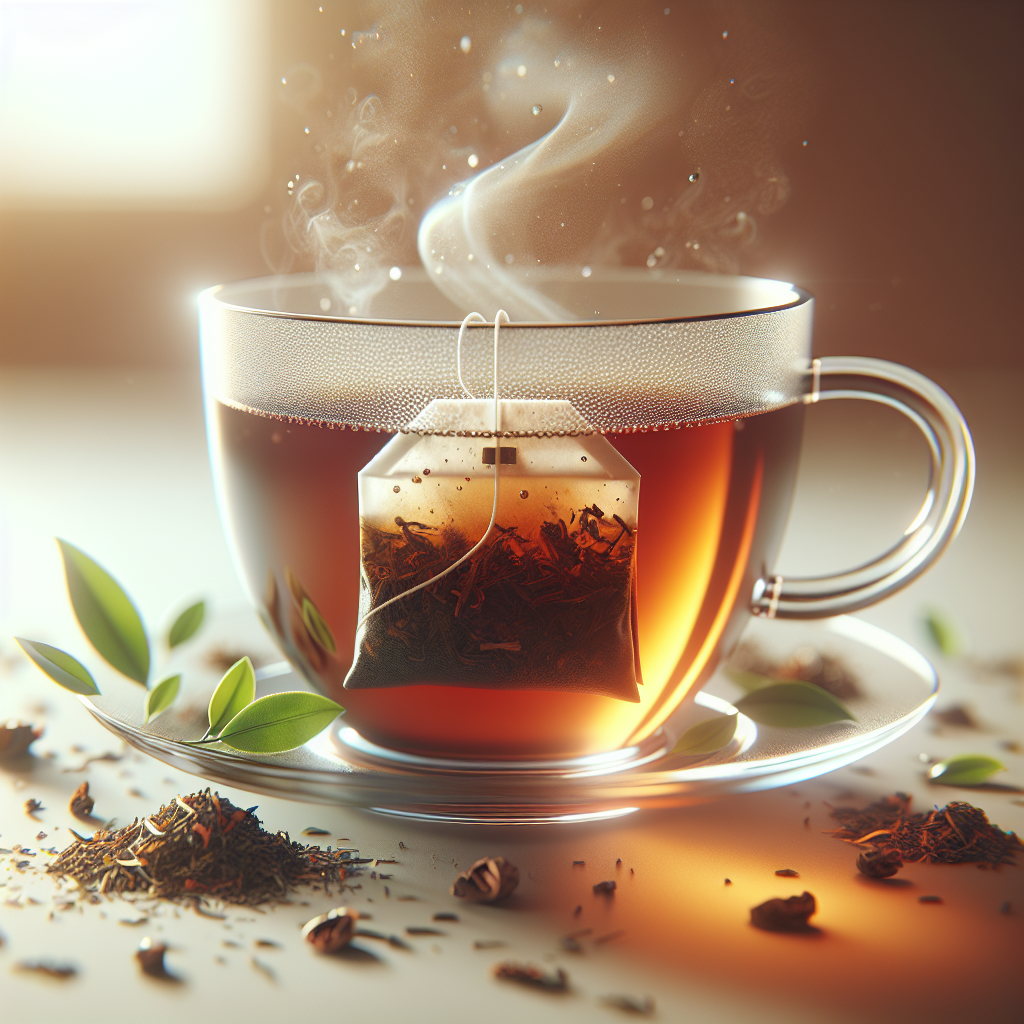
Understanding how much caffeine is in sweet tea is essential for both tea enthusiasts and casual drinkers alike. The caffeine content can vary significantly based on factors like the type of tea leaves used, the brewing time, and the amount of tea leaves per cup. This guide will delve into these aspects to help you estimate the caffeine levels in your sweet tea and discuss best practices for storage and longevity of the tea leaves to ensure maximum flavor and efficacy.
Caffeine Content in Sweet Tea
The caffeine in sweet tea can affect everyone differently, so knowing how much is in your cup is key to personal health and enjoyment.
Factors Influencing Caffeine Levels
Several factors contribute to the caffeine content in sweet tea:
- Type of Tea: Black tea leaves, commonly used for sweet tea, generally contain more caffeine than green or white tea varieties.
- Brewing Time: The longer the tea leaves steep, the higher the caffeine content tends to be as more is extracted from the leaves.
- Amount of Tea Leaves: Using more leaves will naturally increase the caffeine content in the brew.
Measuring Caffeine in Sweet Tea
To get a rough estimate of how much caffeine is in sweet tea, consider that an average 8-ounce serving of black tea brewed for 3 to 5 minutes contains about 47 milligrams of caffeine. Variations in preparation methods can lead to different caffeine levels.
Average Caffeine Content
For sweet tea, the caffeine content can range from 30 to 60 milligrams per 8 ounces, depending on the specific factors mentioned above.
Preserving Loose Leaf Tea Quality and Freshness
Understanding how to store loose leaf tea is crucial in maintaining its quality and ensuring you get the most out of its flavor and caffeine content.
Optimal Storage Conditions
To prolong the vitality and flavor of your loose leaf tea, consider the following storage tips:
- Avoid Light and Air: Store tea in airtight containers away from direct sunlight and oxygen as they can degrade quality.
- Maintain Moderate Temperatures: High temperatures can accelerate the degradation of tea leaves. A cool, dry pantry or cabinet is ideal.
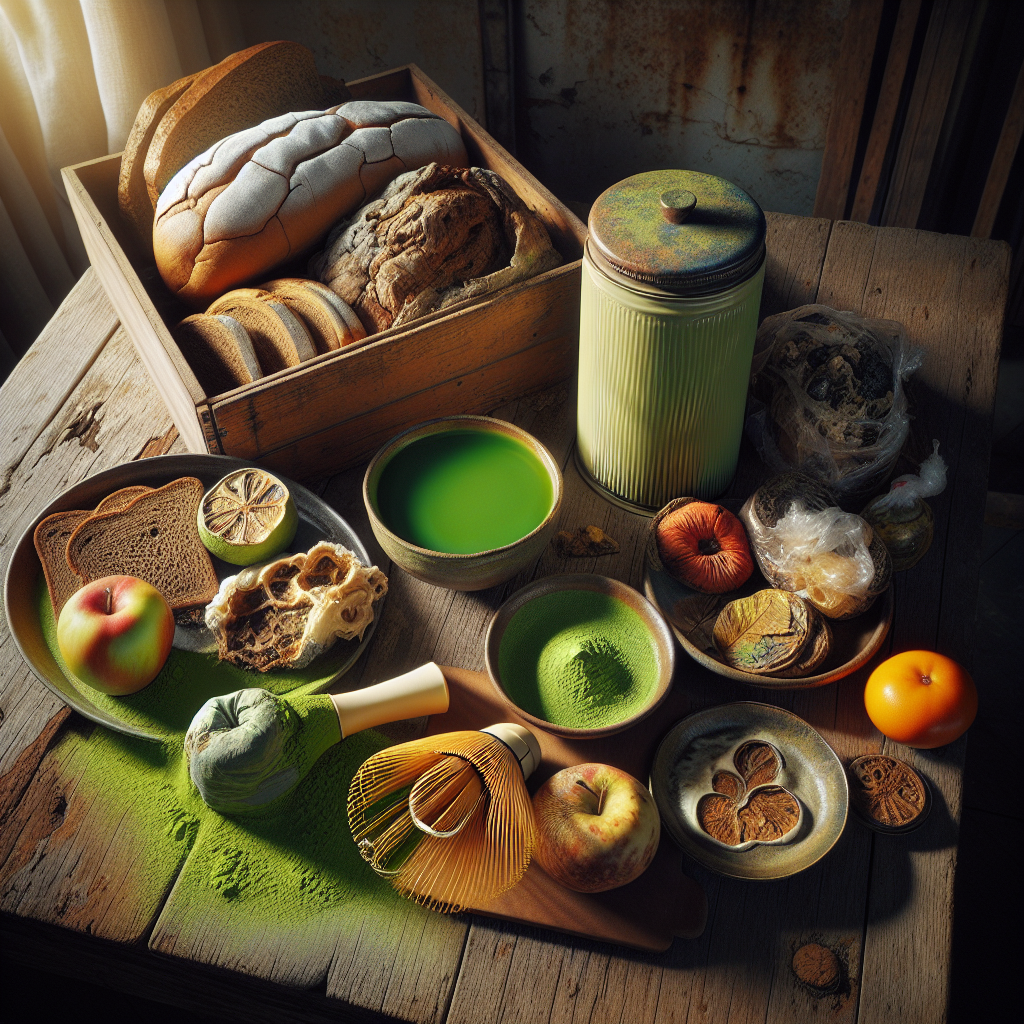
- Right Humidity Levels: Excess moisture can lead to mold. Ensure your storage area is dry.
Impact of Proper Storage on Caffeine and Flavor
Proper storage directly affects how much caffeine remains in your tea and its overall flavor profile. Effective storage keeps the tea’s natural properties intact for an optimal brewing experience each time.
Real-World Storage Scenarios
For instance, a tea enthusiast in a humid city may find that vacuum-sealed containers work best to prevent moisture-related spoilage, while those in dry climates may prioritize protection from air exposure.
Brewing Sweet Tea for Best Flavor and Caffeine Extraction
To brew the perfect cup of sweet tea, it’s not just about the caffeine, but also about maximizing flavor.
Choosing the Right Tea Leaves
Selecting high-quality black tea leaves is the first step towards a delightful sweet tea experience. Opt for leaves that have a consistent color and aren’t too crumbly, as this can be a sign of staleness and degraded quality.
Brewing Techniques to Optimize Caffeine
Brewing your tea appropriately is crucial for extracting the right amount of caffeine. Here’s how:
- Water Temperature: Boiling water (about 212°F) is ideal for black tea, the most common choice for sweet tea.
- Steeping Time: 3-5 minutes is sufficient to extract a robust flavor and an ideal amount of caffeine without turning the tea bitter.
Using Fresh Water
Always use fresh, cold water for boiling. It ensures that the oxygen levels in the water are optimal, which contributes to a better-tasting brew.
Frequently Asked Questions
How much caffeine is typically found in an 8 oz cup of sweet tea?
On average, an 8 oz cup of sweet tea contains about 30 to 60 milligrams of caffeine, depending on the brewing method and tea variety used.
What are the best conditions for storing sweet tea leaves?
Keep sweet tea leaves in an airtight container away from light, heat, and moisture to maintain their quality and extend their shelf life.
Can the brewing time affect how much caffeine is in sweet tea?
Yes, the longer you brew your tea, the more caffeine is extracted. Ideal brewing time for sweet tea to balance flavor and caffeine content is between 3 to 5 minutes.
Does the type of tea affect caffeine content in sweet tea?
Yes, the type of tea affects the caffeine content. Black tea, which is typically used for making sweet tea, has a higher caffeine content compared to green or white teas.
How does improper storage affect the caffeine content in sweet tea?
Improper storage can lead to the degradation of caffeine and other essential compounds in the tea, reducing its overall efficacy and flavor.
What impact does water quality have on the caffeine level in sweet tea?
Using fresh, clean water is essential as it affects the oxygen content and can influence the caffeine extraction during brewing.
Is there a difference in caffeine content between store-bought and homemade sweet tea?
The caffeine content can vary widely between store-bought and homemade sweet tea, often depending on the concentration and brewing methods used by manufacturers versus at home.

Leave a Reply