
Many people today are rediscovering the ancient comfort of sipping natural infusions during intermittent fasting. Among the wide range of options, patanjali herbal tea stands out for its blend of traditional Indian herbs and accessible price point. When embarking on a fasting regimen—whether for detox, weight loss, or spiritual reasons—understanding which beverages support your goals without breaking your fast is crucial. This guide explores the nuances and science behind whether it’s safe and beneficial to enjoy patanjali herbal tea while fasting.
Fasting has moved from being a purely spiritual ritual to a scientifically backed wellness method. From intermittent fasting to juice cleansing, the emphasis is on metabolic balance and detoxification. While plain water is universally accepted, there’s growing interest in herbal alternatives such as patanjali herbal tea for added flavor and functional benefits. But does it break your fast? Let’s uncover the truth and practical details that help you make an informed decision for your lifestyle.
Understanding Herbal Tea and Fasting Compatibility
Before focusing on patanjali herbal tea specifically, it’s helpful to understand what constitutes herbal tea and how it interacts with fasting mechanisms. Herbal teas are essentially plant infusions without actual tea leaves from *Camellia sinensis*. They typically contain herbs, roots, flowers, or dried fruit. Because of this, they are usually caffeine-free and often calorie-free—both critical qualities for fasting periods.
Physiological Effects of Herbal Tea During a Fast
When you fast, your goal is to allow insulin levels to drop, cells to switch into repair mode, and your metabolic system to utilize stored fat for energy. The wrong beverage—like a sugary drink—can interrupt this delicate process. High-quality herbal teas like patanjali herbal tea are generally free from added sugars and artificial flavors, making them less likely to impact insulin or calorie intake significantly.
However, the body can still react to specific natural ingredients. Certain herbs might slightly stimulate digestion or alter glucose metabolism. Therefore, it’s key to check the label: patanjali herbal tea includes ingredients such as tulsi (holy basil), ginger, or cardamom, which have mild physiological effects yet no direct caloric load in moderate servings.
Does It Truly Break Your Fast?
The short answer: no, unsweetened patanjali herbal tea does not break a fast. The key exception is if you add honey, sugar, or milk. Fasting experts emphasize mindfulness in consumption—sip slowly, limit additives, and enjoy it during fasting hours only when necessary. Herbal infusions, by their very nature, often act as appetite stabilizers and mood enhancers during extended fasting windows.
Exploring the Composition of Patanjali Herbal Tea
Patanjali, rooted in Ayurvedic traditions, promotes wellness through blends of time-tested herbs. Understanding its composition helps evaluate its fasting suitability and potential benefits.
Common Ingredients and Their Impact
- Tulsi (Holy Basil): Known for stress management, improves metabolism, and supports immunity without adding calories.
- Ginger: A digestive aid and anti-inflammatory herb that may reduce nausea during fasting.
- Cinnamon: Known for helping regulate blood sugar levels, beneficial in fasting and metabolic control.
- Cardamom: Offers aromatic refreshment and helps keep your digestive system calm.
- Licorice Root (in selective blends): Adds natural sweetness but in low concentration—does not spike insulin significantly.
Each herb complements fasting goals by maintaining hydration, reducing cravings, and rejuvenating the senses. This makes patanjali herbal tea a supportive ally for both short and long fasting cycles.
The Ayurvedic Connection: Holistic Compatibility
Ayurveda views fasting as a reboot for both body and mind, helping the digestive fire—*agni*—realign. Incorporating patanjali herbal tea during fasting amplifies this balance by introducing mild, sattvic ingredients. For instance, tulsi and ginger promote inner clarity, while cardamom and cinnamon keep the system warm, preventing sluggishness. Thus, in Ayurvedic terms, such herbal infusions aid fasting rather than interrupt it.
Timing and Practical Use During Different Types of Fasts
Different fasting types influence when and how herbal teas can be consumed. Adapting your routine with patanjali herbal tea ensures maximum health benefit and minimum disruption.
Intermittent Fasting (16:8 or 20:4)
During fasting windows, you can sip patanjali herbal tea to suppress hunger pangs and boost alertness. Consuming it warm can extend satiety, making it easier to maintain discipline. However, avoid excessive intake, as continued fluid load might increase urinary frequency and electrolytic loss. One to two cups every 4–6 hours is ideal.
24-Hour or Longer Fasts
In longer or alternate-day fasts, herbal teas become both comfort and nourishment (in a non-caloric sense). Choose blends without natural sweeteners. Patanjali herbal tea varieties focusing on tulsi and ginger are best. They prevent nausea and keep your mouth refreshed throughout the fasting window.
Fasting for Religious or Cultural Reasons
In many traditions—from Ramadan to Hindu Ekadashi fasts—liquid consumption varies. While some strict practices exclude all ingested substances, moderate approaches allow water and herbal infusions. For those observing flexible fasts, patanjali herbal tea can maintain the sanctity of the ritual while providing hydration and mindfulness benefits.
Potential Benefits While Fasting
Besides being safe for fasting, patanjali herbal tea brings various physiological and emotional benefits that align with wellness goals.
Metabolic Support and Detoxification
The blend stimulates digestion gently without calories, allowing your body’s natural detox pathways—liver, kidneys, and skin—to work efficiently. Ginger and tulsi promote thermogenesis, slightly enhancing metabolic rate even when calories are limited. This boosts fat oxidation during fasting windows.
Mental Clarity and Relaxation
Many fasters report mental fog or irritability. Sipping warm patanjali herbal tea provides a sense of calm, thanks to adaptogenic herbs like tulsi and licorice root. These herbs modulate cortisol levels, helping you sustain focus during fasted hours at work or meditation.
Hydration and Craving Control
Often thirst disguises itself as hunger. A cup of herbal tea hydrates and adds subtle aroma, satisfying oral fixation tendencies common in early fasting stages. With patanjali herbal tea, its natural spiced aroma acts as a mild appetite suppressant.
Immune and Gut Harmony During Fasting
Prolonged fasters sometimes experience gut sluggishness. Ginger and cinnamon counteract this gently. Consistent intake of patanjali herbal tea may support gut flora stability without breaking your fasting cycle, bridging physical and mental comfort.
Possible Considerations and Limitations
While the benefits are compelling, a mindful approach ensures you don’t unintentionally disrupt your fasting goals.
- Avoid overbrewing; concentrated herbs may taste bitter and overstimulate digestion.
- Do not add sugar, jaggery, or creamers—these will introduce calories.
- Pregnant or lactating women should check ingredients with healthcare providers, especially if herbal sensitivity exists.
- If you experience dizziness or fatigue while fasting, reassess frequency of intake and hydration levels.
Comparing with Other Herbal Teas
While brands like Tetley or Lipton offer “green” or “chamomile” options, patanjali herbal tea provides an authentic Ayurvedic formulation unique to Indian dietary habits. It emphasizes both medicinal and holistic value. If your fasting routine is aligned with mindful living, choosing a native herbal blend can make a meaningful difference.
Best Practices for Brewing and Consumption
Optimal preparation improves experience and ensures you reap full herbal benefits without compromising your fast.
Brewing Temperature and Timing
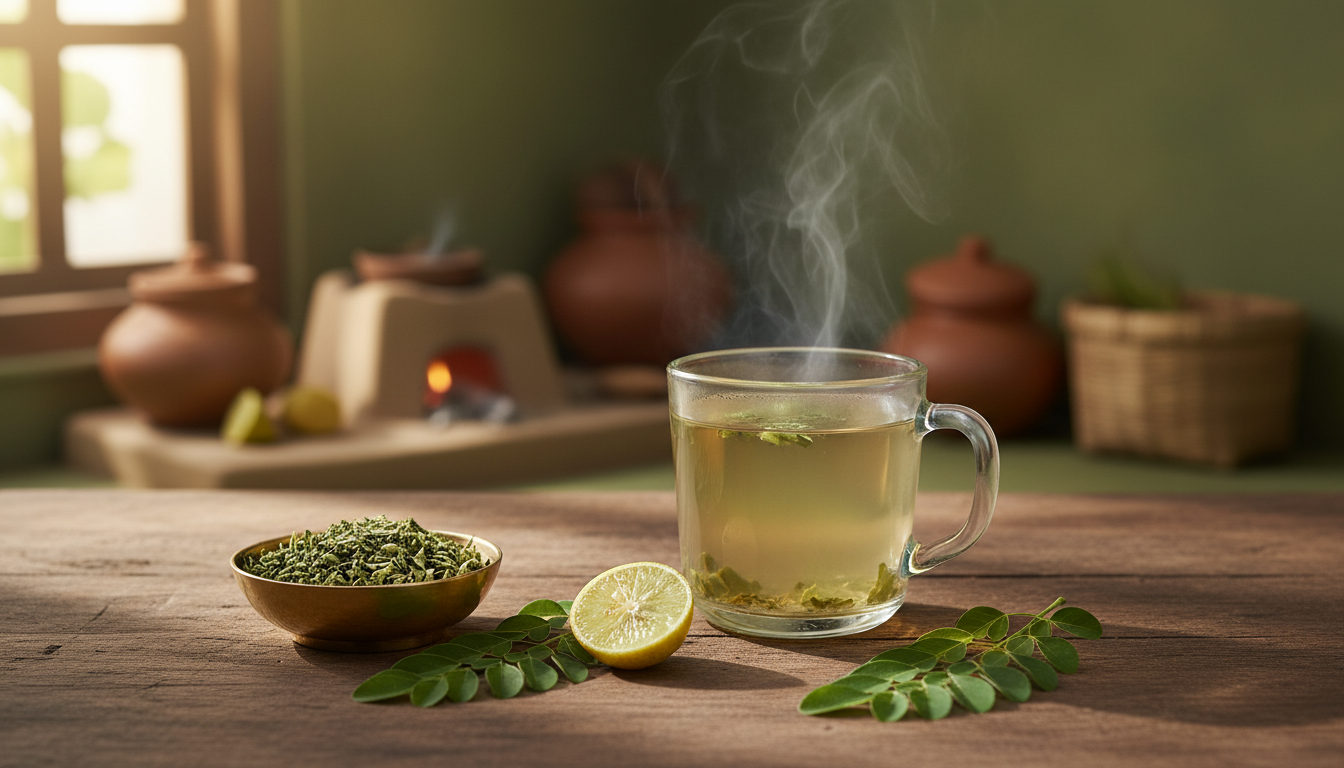
Steep one teaspoon or one bag of patanjali herbal tea in hot, not boiling water for 3–5 minutes. Overheating can destroy delicate aromatic oils. Strain before consumption and avoid reboiling. Drink freshly prepared, ideally mid-morning or late afternoon during fasting hours.
Combining with Meditation or Yoga
Ayurvedic routines often pair fasting with gentle yoga or mindfulness. Enjoying a cup of patanjali herbal tea post-yoga enhances tranquility. The fragrance encourages deeper breathing, supporting the parasympathetic nervous system. This integration creates a holistic fasting experience rather than a restrictive regimen.
Scientific Perspective on Herbal Tea and Fasting
Research indicates that calorie-free herbal tea can positively influence metabolism, especially in intermittent fasting. According to data from NIH research publications, polyphenols and antioxidants found in herbal infusions may help protect cells while promoting autophagy. Patanjali herbal tea’s herb mix reflects similar phytochemical advantages, especially when consumed unsweetened.
Furthermore, reputable dietary guidance sources like Harvard T.H. Chan School of Public Health note that unsweetened herbal infusions are compatible with fasting states. This supports the conclusion that drinking patanjali herbal tea during fasting is generally safe and beneficial if approached judiciously.
Real-Life Examples and User Experiences
Many fasting practitioners share personal experiences where adding patanjali herbal tea improved adherence. For instance, a morning faster doing 18:6 reported reduced sugar cravings and better focus using the tulsi-ginger blend. A meditator observed fewer headaches during day-long fasts by substituting one afternoon coffee with patanjali herbal tea instead.
Some combine it with breathing exercises for stress control, while others use it as a transition beverage post-fast before the first meal. Because it’s mild and cooling, it preps your digestion gently before resuming normal eating.
Integrating into a Broader Wellness Framework
If you’re developing a holistic fasting plan, align your beverage choices with your goal—detox, longevity, or mental clarity. Complement informative reads like learn about Ayurvedic detox teas and tea strategies for intermittent fasting to deepen understanding. Linking practice with awareness maximizes both safety and satisfaction.
Conclusion
So, can you drink patanjali herbal tea while fasting? In most contexts, the answer is yes—when consumed plain and moderately, it’s an ideal companion to your fasting journey. Its natural herbs align with body rhythms, hydration needs, and mental stability. Whether your fasting goal is physical cleansing, spiritual awakening, or metabolic improvement, thoughtful use of patanjali herbal tea nurtures both discipline and comfort. Treat each cup as more than a beverage—it’s a mindful ritual supporting your evolving fasting lifestyle.
Frequently Asked Questions
Can I drink patanjali herbal tea while fasting without breaking my fast?
Yes, if you consume it plain, unsweetened, and without milk. The natural herbs in patanjali herbal tea don’t add calories but help maintain hydration and calmness. However, sweeteners or additives can disrupt fasting benefits by triggering insulin responses.
Is patanjali herbal tea suitable for intermittent fasting routines?
Absolutely. It complements intermittent fasting by curbing appetite, improving focus, and maintaining hydration. Because it’s naturally caffeine-free, patanjali herbal tea minimizes energy crashes often associated with black or green tea consumption.
What are the best times to consume patanjali herbal tea during fasts?
Morning and late evenings are ideal. During these windows, it supports alertness, reduces hunger, and preps your body for rest. For those practicing 16:8 fasting, having one cup mid-fast can increase comfort without disrupting ketosis or metabolic balance.
Does tulsi in patanjali herbal tea affect fasting outcomes?
No, tulsi does not break your fast. In fact, it enhances cellular health and stress management. Its adaptogenic properties align well with fasting goals such as reduced inflammation and improved mental resilience during fasting hours.
Are there side effects of drinking patanjali herbal tea during long fasts?
Side effects are rare. Still, excessive intake might lead to mild acidity due to ginger or cinnamon content. Limit yourself to 2–3 cups per day. If you experience discomfort, reduce strength or frequency while maintaining proper hydration.
Can religious fasts include patanjali herbal tea?
It depends on the tradition. For moderate fasting practices allowing clear liquids, patanjali herbal tea fits perfectly. For stricter fasts prohibiting all intake, avoid it until breaking the fast. Always verify with your specific fasting customs.
Is patanjali herbal tea better than plain water during fasting?
Not necessarily better, but it offers more sensory comfort and subtle benefits. Plain water is essential; patanjali herbal tea adds soothing aroma and antioxidants, helping reduce monotony during prolonged fasting without compromising your goals.
Can I use patanjali herbal tea post-fast?
Definitely. Starting your refeeding phase with warm patanjali herbal tea soothes the gut and aids digestion before solid meals. It creates a gentle transition from fasting to eating while keeping your system balanced.


Leave a Reply