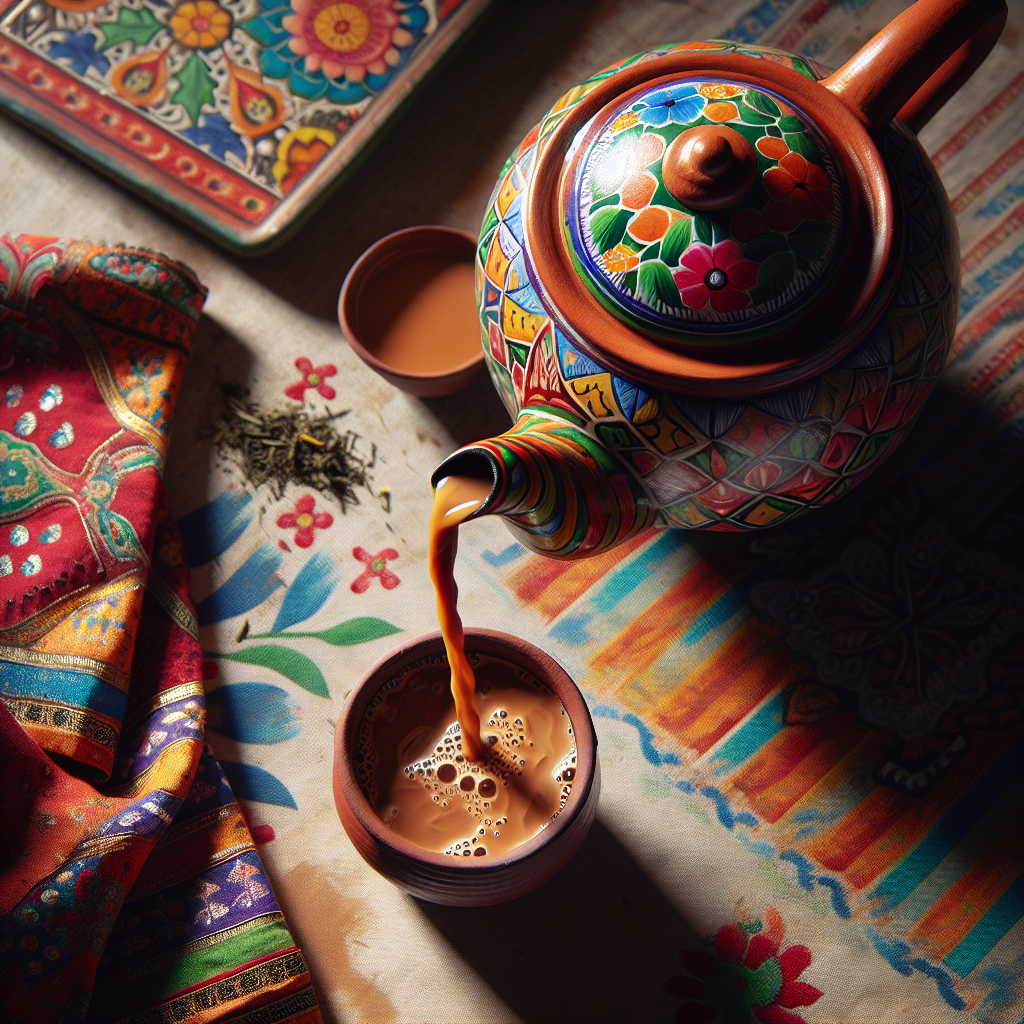
Few beverages evoke as much conversation, nostalgia, and divided opinion as masala chai. This spiced Indian tea is far more than a morning drink; it’s a comfort ritual and, for some, a bold sensory challenge. Loved for its creamy warmth and peppery sweetness, yet occasionally criticized for being too strong or overpowering, masala chai continues to stir passionate responses around the world. Whether sipped in a bustling Indian street stall or a chic global café, its fragrance lingers long after the last drop has been savored.
At its core, masala chai blends tea leaves, milk, spices, sugar, and sometimes ginger or herbs in various combinations. Yet, each cup tells a different story. Some say that the best brew balances heat with sweetness; others argue that real authenticity dwells in its rough edges – the bite of clove or the spark of black pepper. As more countries embrace this beverage, tasters everywhere are discovering distinctive regional twists that redefine what masala chai can be.
In this exploration and detailed taste review, we’ll examine how masala chai inspires both devotion and criticism. We’ll explore flavor architecture, blind taste insights, regional brewing methods, pairings, and the complex cultural significance that makes this aromatic blend a marvel of culinary diversity.
The Complex Identity of Masala Chai
Masala chai is not a monolith. Despite being often generalized simply as “spiced tea,” each batch reveals the personal signature of the maker. The blend commonly includes cardamom, cinnamon, cloves, black peppercorn, and ginger. Yet, the proportions vary wildly, yielding profoundly different profiles — some floral and light, others dense, earthy, and intensely aromatic. This flexibility is both the charm and controversy of the drink.
In India, where masala chai originated, families guard their spice ratios like heirlooms. Street vendors, known locally as chaiwalas, develop reputations across generations. In contrast, global coffee chains tend to standardize the recipe, leading to debates about authenticity and dilution of character. In this tension between craftsmanship and convenience lies the duality that makes masala chai both loved and hated.
The Taste Spectrum
At its gentlest, masala chai greets the palate with floral notes of cardamom and a whisper of sweet cinnamon. When brewed boldly, it can punch through the senses with fiery ginger and pepper-laced intensity. The base tea, usually robust Assam black, anchors the drink with malty depth. Add milk, and the texture turns silky; skip it, and the spices sharpen even further. Each variation triggers differing emotional responses: nostalgia for some, overwhelm for others.
One group of enthusiasts celebrates its ability to awaken dull mornings. Another claims the drink masks the natural taste of tea leaves. Those who savor complexity love how different spices reveal themselves in layers. The dissenters, meanwhile, call it chaotic — an uncontrolled medley of flavors. Both extremes highlight how deeply masala chai challenges expectations about balance.
Regional Variations of Masala Chai
Across India, masala chai morphs with geography and climate. Northern recipes emphasize ginger and cardamom to combat cold; southern versions may lean on pepper or fennel for digestive warmth. In Mumbai, roadside cups brim with condensed milk sweetness, while in Kolkata, versions are often lighter, served in clay cups that subtly infuse earthy notes. Beyond India’s borders, British, Middle Eastern, and North American adaptations feature nutmeg, vanilla, or almond milk alternatives.
These variations not only diversify the taste but also influence perception. A person’s first encounter often defines lifelong preference. For example, someone introduced to a sweet milky chai may find the peppery Assam profile too harsh later on. Meanwhile, tea connoisseurs in Japan and Europe analyze masala chai for its tannin balance, citing it as a well-structured beverage when brewed with discipline — rather like wine-tasting protocols but for spice and leaf.
Why People Love Masala Chai
Masala chai’s immense popularity rests on more than flavor alone. It’s a cultural and emotional connector. The ritual of preparing it implies care, hospitality, and togetherness. In many Indian homes, offering chai is a gesture of comfort and belonging. The warm aroma alone triggers relaxation responses in the brain, encouraging social conversation and mindfulness.
From a nutritional perspective, masala chai offers potential benefits: certain spices such as ginger and cinnamon aid digestion, while cardamom and clove contribute antioxidant properties. For those accustomed to overly processed, sugary drinks, masala chai’s natural sweetness feels grounded and satisfying. Paired with snacks like samosas or biscuits, it completes the sensory experience of indulgence without excess.
Globally, its appeal lies in its adaptability. Vegans substitute almond milk, health-conscious drinkers lower sugar, and experimenters swap black tea for rooibos or green tea bases. The essence of masala chai remains intact — fragrant, spiced, and deeply comforting.
Stories from Enthusiasts
Travelers who discover masala chai in Indian bazaars often recount their first sip with vivid enthusiasm. “It was creamy yet sharp,” says one London-based coffee convert, “and nothing prepared me for that explosion of cardamom.” A Singaporean traveler recalls the hum of late-night railway platforms filled with the aroma of masala chai poured from metal kettles: “The experience was emotional. The heat of the spice mirrored the noise of the world around me.”
Online communities share recipes and adaptations. Some add turmeric; others incorporate star anise or jaggery. The experimentation keeps masala chai alive as a global comfort drink that respects its heritage while inviting reinvention. Blogs, including Tea Recipe at teastory.blog, detail tricks for achieving the perfect frothy top without losing spice clarity.
Why Some Dislike Masala Chai
For all its admirers, masala chai has an equal share of critics. Some drinkers find the mix overpowering — too aromatic, too thick, or too sweet. Those accustomed to pure black tea or lightly brewed green tea may perceive masala chai as excessive. The texture, especially with full-fat milk, can feel heavy. Additionally, the “authentic” spice blends marketed commercially sometimes sacrifice subtlety in favor of boldness, leaving sensitive palates fatigued.
Preparation inconsistencies deepen the polarization. Over-boiling or under-infusing alters taste dramatically. Many Western cafés, for example, rely on pre-mixed syrups that mimic the spiced essence but lack freshness. This results in cloying, perfumed versions that alienate first-time tasters. In online debates, purists argue that real masala chai should simmer with patience — ideally over open flame — until spices fully release oils into the tea.
Comparative Analysis: Coffee vs. Masala Chai
Those who dislike masala chai often cite its unpredictability compared to coffee. Coffee’s bitterness is consistent; masala chai evolves cup to cup. Yet this variability is what endears it to others. Compared to espresso’s uniform crema, masala chai’s froth speaks of handcrafted imperfection. The conversation resembles the comparison between wine and craft beer — both tradition and personality compete inside a cup.
Still, coffee loyalists find masala chai too perfumed. They prefer clarity of flavor over layers of complex spice. This exposes cultural differences: while Western drinkers often separate sweet and savory, Indian cuisines fuse them effortlessly. Understanding this helps explain why masala chai provokes strong responses — it resists categorization, bridging dessert, medicine, and caffeine ritual all at once.
Controversies of Authenticity in Masala Chai Production
The growing commercialization of masala chai has sparked heated debates. Purists fear that packaged concentrate and “chai lattes” erase the heritage. Others welcome accessibility. Brands that bottle instant mixes often tweak the recipe: less pepper, more vanilla, more sugar. In doing so, they satisfy larger audiences but stray from the roots of the beverage. Blogs such as Tea History discuss how colonization, trade, and migration shaped the evolution of Indian tea culture, making authenticity a layered question rather than a fixed formula.
Meanwhile, tea farmers in Assam and Nilgiri regions remain central to masala chai’s supply chain. They highlight that the simplest way to honor tradition is by choosing fresh, fair-trade ingredients. Consumers exploring premium loose-leaf Masala blends can refer to research on Tea Association of the USA or International Tea Committee for credible sourcing insights.
Brewing Mastery and Taste Balancing
Making masala chai correctly requires attention to proportions, timing, and temperature. The process involves simmering water with fresh spices, adding tea leaves, and finishing with milk and sweetener. The challenge lies in not letting the milk curdle or the spices dominate. Achieving a balanced flavor means recognizing how clove provides intensity, cardamom delivers perfume, and ginger adds heat. Even the order of adding ingredients affects outcome — another reason some people love experimenting while others feel intimidated.
The Sensory Science Behind Masala Chai
Flavor chemistry reveals why masala chai feels multidimensional. Its essential oils carry volatile compounds responsible for aroma. Clove emits eugenol, ginger yields zingiberene, and cardamom provides cineole — all interacting with milk fat to deliver a lingering aftertaste. This marriage of oil and protein explains the beverage’s rounded mouthfeel. Psychologically, combinations of spice and sweetness stimulate both comfort and alertness, mimicking the reaction caffeine alone provides but with added emotional complexity.
Experts recommend experimenting with steeping times — around seven minutes for pronounced spice depth — or adjusting milk ratios. Lighter milk reveals black tea’s earthy tannins; heavier milk softens acridity. This personalized adjustment often determines whether a person becomes a lifelong admirer or critic of masala chai.
Pairings That Highlight Masala Chai’s Strengths
Masala chai pairs naturally with snacks that echo or contrast its warmth. Try pairing with buttery croissants, crisp pakoras, or simple toast. Chocolate desserts often complement the spice profile beautifully. Some restaurants now serve chilled chai-based cocktails, blending culinary innovation with heritage. By honoring balance, these pairings allow tasters to appreciate the tea’s spectrum — not just its heat but its sweetness, depth, and aroma diversity.
Cultural Significance and Global Reinvention
Beyond its sensory charm, masala chai is a symbol of cultural resilience. It reflects India’s colonial history, where British demand for tea merged with indigenous spice traditions to create something unique. This journey from roadside carts to boutique cafes shows how cultural exchange can yield entirely new culinary languages. In London, baristas reinterpret masala chai through oat milk lattes; in Nairobi, “chai ya tangawizi” (ginger tea) continues similar traditions with local flavor identities.
This globalization raises questions of ownership, yet also expands appreciation. Every reinvention — from turmeric-infused versions in California to iced chai in Tokyo — adds new context to how people perceive spiced tea. What remains constant is the comfort it provides, the sense of ritual, and the recognition that taste isn’t static but ever-evolving.
Conclusion: The Polarizing Beauty of Masala Chai
Masala chai may divide tastes, yet it unites curiosity. To some, it’s an intoxicating dance of spices, milk, and tea leaves. To others, it’s simply too much. But therein lies its poetry — a beverage so alive in personality that it refuses uniform approval. Whether served in handcrafted clay cups on an Indian railway or poured from a polished espresso machine in New York, masala chai embodies coexistence: complexity and comfort, tradition and reinvention.
Ultimately, loving or disliking masala chai says as much about personal history as it does about the drink. The best approach? Keep tasting, keep questioning, and appreciate that every brew tells a human story — fragrant, layered, and stirringly imperfect.
Frequently Asked Questions
What makes masala chai different from regular tea?
Masala chai differs primarily in its blend of spices and brewing technique. Regular tea focuses on the tea leaf’s natural taste, while masala chai layers cardamom, cinnamon, clove, and ginger into the mix. The process includes simmering rather than steeping, which extracts essential oils and integrates them with milk and sugar. The result is a more complex aroma and thicker mouthfeel. This method amplifies the warmth and sweetness, delivering an experience that blurs the lines between beverage and comfort food. The contrasts explain its passionate following and equally strong detractors.
Why do some people dislike masala chai?
Some dislike masala chai because of its intensity. The spices, when overused, can feel intrusive or mask the base tea flavor. Those accustomed to lighter brews may perceive it as overly rich. Preparation inconsistencies also play a role; pre-mixed “chai lattes” can taste artificial or syrupy. Sensory fatigue sometimes arises from clove’s strong aroma or pepper’s afterbite. Yet, when brewed correctly, the harmony among ingredients can surprise even skeptics. Dislike often stems from early exposure to poor-quality versions, not the concept of masala chai itself.
How can I brew authentic masala chai at home?
To brew authentic masala chai, combine water, crushed spices (cardamom, clove, ginger, pepper, cinnamon), and loose black tea. Simmer this mixture, then add milk and sugar, letting it boil gently until aromatic froth forms. Strain and serve immediately. The key lies in balance — enough spice to tingle, not sting. Freshly crushed spices work best. Beginners can adjust ratios gradually. Authenticity doesn’t mean rigidity; rather, it means respecting the method’s roots while adapting to personal taste. Once mastered, home-brewed masala chai offers unmatched freshness and soul.
Is masala chai healthy to drink every day?
Drinking masala chai daily can be beneficial when consumed moderately. Ingredients like ginger and cinnamon promote digestion and improve circulation. The black tea base contains antioxidants that support heart health. However, high sugar and full-fat milk may add calories. Adjusting sweetness or using low-fat milk maintains balance. People sensitive to caffeine can choose decaffeinated or green tea versions while preserving the spiced profile. Consumed mindfully, masala chai delivers warmth, hydration, and subtle digestive benefits, making it a wholesome part of routine rather than indulgent excess.
Can masala chai be made without milk or sugar?
Absolutely. Many adapt masala chai recipes to be dairy-free or sugar-free. Replacing milk with almond, oat, or soy versions changes the flavor’s body but keeps spices intact. Natural sweeteners like honey or jaggery add subtle complexity, while skipping sweeteners altogether highlights the tea’s earthy bitterness. In parts of India, strong black masala chai without milk is traditional, valued for its intensity and clarity. The freedom to modify is part of the drink’s charm, proving that masala chai welcomes every preference without losing its core identity.
What foods pair best with masala chai?
Masala chai complements both savory and sweet dishes. Traditional pairings include samosas, biscuits, and butter toast — snacks that soak up its creamy spice. Western pairings like banana bread or dark chocolate resonate equally well. The spice profile enhances mild flavors, making plain pastries taste richer. For a brunch menu, serve masala chai alongside lightly flavored desserts or fruits. Avoid pairing with heavily spiced foods that compete rather than contrast. The goal is harmony — letting chai’s warmth act as both palate cleanser and comfort companion.
How has masala chai evolved globally?
From India’s railway stalls to global cafes, masala chai has evolved with fascinating diversity. Western versions emphasize sweetness and milk froth, often labeled “chai latte.” In East Africa and the Middle East, regional adaptations incorporate local preferences — more ginger, less cardamom, or different base teas. Specialty tea houses treat masala chai as an artisanal product, spotlighting origin stories of spices. The drink now functions as a canvas for cross-cultural creativity. Despite modernization, the essence of masala chai — warmth, community, and spice harmony — stays timeless.
What’s the right spice ratio for perfect masala chai?
There’s no single right ratio because masala chai is inherently personal. However, a balanced start is two cups of water, one cup of milk, one teaspoon of black tea, small bits of cinnamon, one cardamom pod, half a clove, a few peppercorns, and a slice of ginger. Simmer for 6–7 minutes. Adjust according to preference — stronger spice for winter, milder for summer. The art rests in tasting as you brew until aroma, warmth, and sweetness feel synchronized. Perfection comes not from formula but intuition born from practice.


Leave a Reply