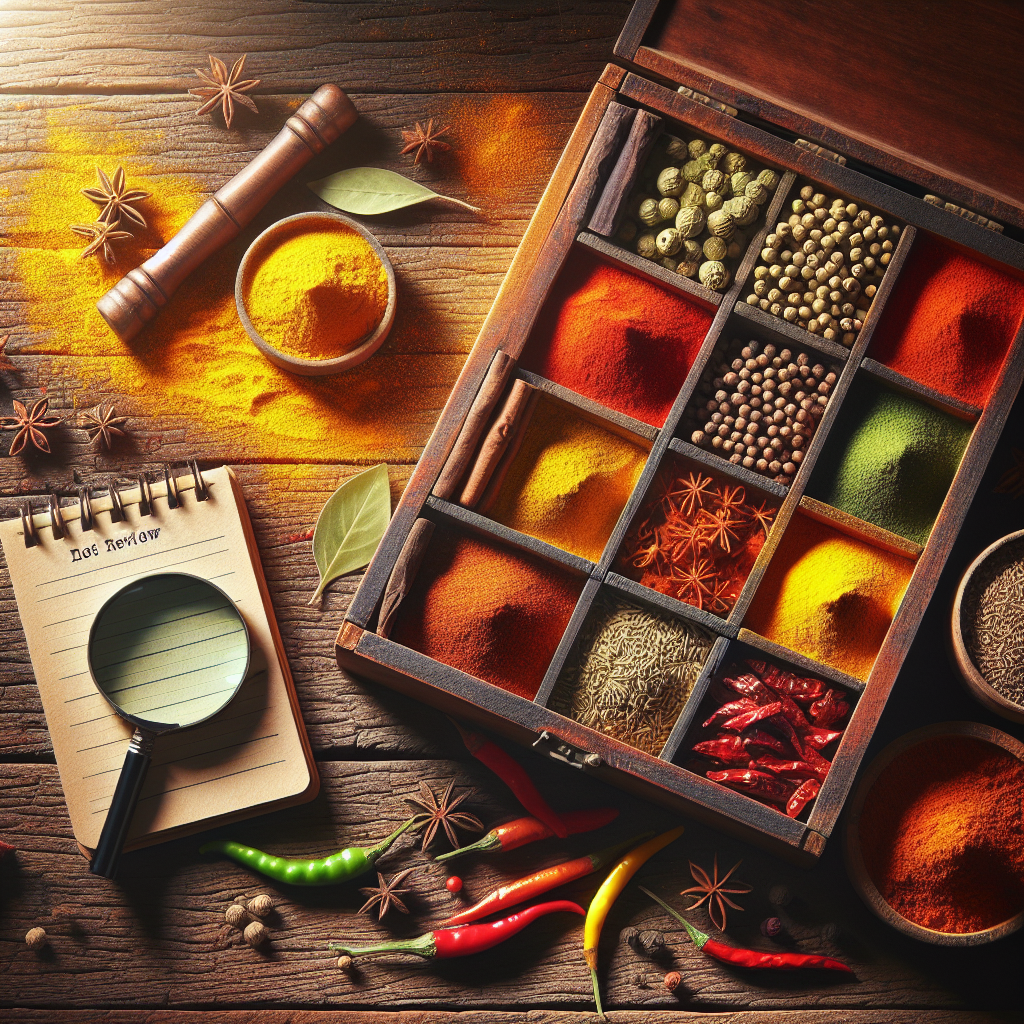
There’s something infinitely comforting about the sound and scent of sizzling spices. The word masala itself evokes warmth, depth, and a sense of home for many. Whether you’re a culinary explorer experimenting with regional spice blends or a tea lover drawn to the aroma of chai, understanding masala goes far beyond its literal translation of “spice mix.” It’s a living, evolving expression of culture, taste, and regional identity. This guide offers an honest review and hands-on insight into how masala works, what makes it special, and how you can use it confidently in your kitchen or teapot.
We often associate masala with Indian cuisine, but its influence spreads worldwide — from London’s curry houses to New York’s specialty tea bars. Yet, few realize that masala is not a single recipe. It’s an art form that evolves depending on who’s mixing it, the ingredients used, and even the climate. In this article, we’ll dive deep into several types of masala, demystifying their flavors, uses, and how to select ethically sourced blends without falling for marketing jargon. Let’s unpack this colorful world, one blend at a time.
Understanding Masala: Its Origin and Role in Everyday Cooking
Before exploring contemporary blends, it’s worth looking back at where masala began. In ancient Ayurvedic traditions, spices were not just flavor agents but healers. The balance of heat, sweetness, bitterness, and astringency was meant to align with the body’s natural energies. Over time, that philosophy grew into daily cuisine. When Indian traders brought spice mixes to the rest of the world, masala became an ambassador of sensory and cultural connection.
The Regional Diversity of Masala
Each Indian region has its distinctive masala signatures. Northern states favor warming blends with cardamom, cinnamon, and cloves. The coastal south prefers lighter, brighter combinations highlighting black pepper, mustard seeds, and curry leaves. The eastern regions use pungent mustard oils and dried chilies, while the west incorporates sweet fennel and nutmeg notes. These variations mirror the agricultural and climatic diversity of India itself.
Classic Examples of Popular Masala Blends
Let’s look at a few common masala types that shape daily cooking:
- Garam Masala: A warming aromatic blend traditionally added at the end of cooking. It typifies North Indian gravies and curries, combining cinnamon, cardamom, black pepper, and cumin.
- Chaat Masala: Tangy and salty, this blend enhances street foods and salads. Its mix of amchur (dry mango powder) and black salt adds a signature tartness.
- Sambar Masala: A South Indian staple designed for lentil-based stews. Rich in coriander, cumin, and curry leaves, it defines comfort food.
- Chai Masala: The fragrant spice mix that flavors Indian milk tea. It often includes ginger, cardamom, and cloves, each with digestive benefits.
How Masala Enhances Flavor and Balance
The true magic of any masala lies in balance — not merely the number of spices. A thoughtful blend creates a layered flavor that moves from earthy to sweet to smoky. When done right, one does not even taste individual spices distinctly. Instead, they form a cohesive ensemble, harmonizing with base ingredients like lentils, vegetables, or meats.
Spices That Define a Good Masala
Every well-made masala starts with core spices: cumin, coriander, turmeric, and black pepper. Each plays a unique role:
- Cumin: Offers warmth and earthiness that supports both meat and vegetable dishes.
- Coriander: Adds a fresh, slightly citrus quality that lightens denser recipes.
- Turmeric: Beyond color, it provides grounding bitterness and anti-inflammatory benefits.
- Black Pepper: Delivers heat and enhances nutrient absorption, particularly of turmeric’s curcumin.
Using Masala in Modern Kitchens
In modern cooking, masala has found new interpretations. Home chefs experiment by merging traditions: garam masala in roasted vegetables, chai masala in dessert batters, or tikka masala marinades for plant-based proteins. The key is proportion — excessive use can overpower, while subtlety can transform ordinary dishes into richly nuanced meals.
Honest Reviews: Market Masala Blends vs. Homemade Versions
Today’s grocery aisles brim with pre-packaged masala blends, promising authenticity and convenience. But are they truly worth it? Through side-by-side testing, homemade blends generally outperform mass-produced versions in freshness and aroma retention. Commercial options lose volatile oils quickly due to bulk processing and extended shelf time.
Best Branded Masala Blends (Tested)
After assessing popular labels like Everest, MDH, and 24 Mantra, a few observations emerged:
- Everest Garam Masala: Strong aroma, slightly heavy on cloves — suitable for tomato-based gravies.
- MDH Chana Masala: Bold and punchy but sometimes salty. Works well for quick weekday dishes.
- 24 Mantra Organic Curry Masala: Earthier tones with less artificial brightness. Ideal choice for clean-label seekers.
When to Choose Homemade Masala
If you intend to enhance wellness and deeper flavor, making your own masala is preferable. Dry-roasting and grinding small batches lets you balance spice freshness and heat. A simple roasted cumin and coriander masala can outperform most branded versions. Personalized blends also let you tailor salt and chili intensity according to your preferences.
Masala Beyond Indian Cuisine: A Global Perspective
The influence of masala is not limited to subcontinental dishes. Thailand’s curry pastes, Moroccan ras el hanout, and Ethiopian berbere perform similar roles — building complexity through layered spices. The global migration of communities has allowed masala to evolve and integrate beyond borders. Think of a chai masala latte served at a café in Berlin or tacos spiked with garam masala in Mexico City — cultural blends born from experimentation.
Masala and Tea Culture
The connection between masala and tea is ancient. Learn more about global tea traditions to understand how spice infusion developed historically. The essence of chai masala lies in creating warmth while aiding digestion — ginger to balance sweetness, cardamom for fragrance, and pepper for mild heat. For those interested, visit our internal guide on Tea Recipe breakdowns where we pair teas with appropriate masala blends.
Recommended Pairings: Masala Chai Variants
Not all chai lovers agree on one recipe. Try blending grated ginger, crushed black pepper, cinnamon, and fennel for a calming masala chai in winter. During hot weather, lighten it with mint and lemongrass. Pair your tea experience with our feature on Tea Cultivation practices, describing the spice-friendly terroirs of Assam and Nilgiri. For deeper tea sourcing and research, explore industry tea data updated by experts.
Authenticity and Ethical Sourcing
High-quality masala begins with responsibly grown spices. Ethical sourcing supports small farmers, ensuring fair wages and avoiding pesticides that compromise both flavor and ecosystem. As demand grows, transparency becomes essential: understanding where your cumin or cardamom originates helps you appreciate craftsmanship and sustainability in every spoonful.
Signs of Genuine Masala Quality
When shopping, check for purity markers. A premium masala should:
- Contain no added colors or artificial flavoring.
- Smell vibrant, not flat or dusty.
- List source regions on the label — Kerala for pepper, Rajasthan for coriander, etc.
- Display freshness date clearly. Ground spices lose potency after six months.
Building Your Own Masala Pantry
Stocking essential herbs and spices ensures you can make masala anytime. Invest in whole spices rather than ground ones and roast lightly before storing. Keep them in airtight jars away from sunlight. Grinding just before use yields better aroma. Over time, you’ll instinctively create signature blends reflecting your taste palette.
Common Mistakes When Using Masala
Misusing masala can flatten a dish or leave it overly bitter. A few recurring errors include over-toasting, skipping tempering in oil, or adding pre-ground masala too early. Timing matters — some blends need heat activation; others should remain raw for brightness. Awareness of sequencing sharpens your culinary instincts.
Tips for Perfect Masala Integration
Here’s how to get the best result every time:
- Always bloom spices briefly in ghee or oil before adding other ingredients.
- Use moderate heat to prevent burning fragile spices like fennel or fenugreek.
- Adjust salt only after adding masala to taste balanced seasoning.
- Layer spices gradually — not all at once — for a deeper profile.
Experimenting With Masala in Western Dishes
You can creatively incorporate masala outside typical curries. A dash of garam masala enriches roasted pumpkin soup. Use chaat masala as a popcorn topping for tangy flair, or sprinkle curry masala on baked potatoes. The result: fusion dishes that surprise the palate yet retain coherence.
Conclusion: Rediscovering Masala in Everyday Life
Embracing masala means more than restocking your spice rack; it signifies embracing sensory storytelling that connects geography, climate, and memory. The essence of masala lies in both discipline and experimentation — knowing traditions while daring to innovate. Whether you prefer the calm of chai masala or the intensity of curry powders, let every mix remind you that flavor thrives where diversity meets curiosity.
Frequently Asked Questions
What makes homemade masala different from store-bought blends?
Homemade masala retains volatile oils and aroma that diminish in commercial processing. The act of dry-roasting and grinding just before use preserves essential flavors. Store brands, while convenient, can lose potency after months on shelves. Customizing your own blend also allows control over chili strength, salt balance, and herb proportions. For those pursuing freshness and nuanced flavor, crafting masala at home is a worthwhile ritual.
Can I use the same masala for all dishes?
Not all dishes benefit from identical masala combinations. Garam masala suits gravies; chaat version brightens snacks; fish curries require lighter southern-style mixtures with coriander and mustard. Using one mix universally may flatten contrast. The smart approach: maintain a few basic jars and tweak ratios for variety. Once you experiment enough, you’ll instinctively choose blends that highlight core ingredients naturally.
How can I store masala for a longer shelf life?
Proper storage determines longevity. Keep masala in glass or stainless-steel jars, away from direct sunlight. Avoid using wet spoons. If possible, store small portions in airtight pouches to minimize exposure. Whole spices last longer than ground powder — grinding weekly keeps blends lively. For avid cooks or café owners serving masala-rich dishes, rotation and climate-controlled shelving preserve consistency.
Is masala only used in Indian food?
While India popularized it, masala transcends geography. Chefs worldwide adopt these spice strategies, adapting ratios to local produce. A Mexican chef might seasoning beans with garam masala, while a French baker may add chai mix to patisserie creams. The concept — balancing spice synergy — belongs to many cuisines. Over time, masala became shorthand for “flavor layers” rather than just Indian heritage.
How does masala impact health and digestion?
Many masala components — ginger, turmeric, cumin, and cardamom — support digestion and immunity. Warming spices improve circulation and metabolism, especially in colder climates. However, balance is essential; excessive chili or mustard can irritate sensitive systems. When freshly prepared and gently roasted, masala delivers both culinary pleasure and health value. Always observe personal tolerance while experimenting with intensity.
Can I make masala without a grinder?
Yes. Traditional cooks once relied on mortar and pestle for processing masala. Manual grinding releases oils gradually and avoids overheating spices. Crushing gently retains texture variations that mechanical grinders smooth out completely. For quick alternatives, use pre-ground base spices but toast them lightly before mixing. The key is activating their aroma right before cooking for the same vibrant effect.
What is the best way to use masala in tea?
In chai preparation, masala spices like cardamom, ginger, and pepper complement tea leaves directly during boiling. Adjust the balance to preference — more ginger for intensity, extra fennel for sweetness. Let the brew simmer for at least five minutes to infuse depth. Served with milk or plant-based alternatives, this spiced tea brings comfort and aromatic pleasure that reflects centuries-old rituals.
How can beginners start experimenting with masala?
Start by focusing on small batches. Choose a simple base masala (like coriander and cumin) before adding secondary spices such as cinnamon or chili. Test with sautéed vegetables or lentils. Document your results — proportions that worked, combinations that failed. Gradually, muscle memory forms around aroma cues. Within weeks, you’ll gain confidence and creativity in crafting personal masala signatures that suit every meal.


Leave a Reply