
The chai tea latte has become a complex cultural symbol, capturing both affection and skepticism from drinkers around the world. To some, it’s the perfect balance of sweet, spicy, and creamy; to others, it’s a diluted version of a beloved traditional beverage. Regardless of where one stands, few drinks ignite as much conversation as this modern café staple. In this review-style exploration, we’ll dive deep into its taste, origins, variations, and why it continues to divide opinions in coffee shops and kitchens alike.
Those first sips of a chai tea latte are often nostalgic for some and puzzling to others. Crafted from a mixture of black tea, aromatic spices like cardamom, cinnamon, and ginger, steamed milk, and a touch of sweetness, this drink merges ancient tea-making traditions with Western coffee culture. Today, the chai tea latte embodies a fascinating tension between authenticity and adaptation—celebrated for its comforting flavors and criticized for commercial excess. Our tasting journey will unpack both sides of this blend, examining the ingredients, sensory nuances, and emotional connections people have with every cup.
The Flavor Journey of a Chai Tea Latte
The taste of a chai tea latte is an experience that evolves sip by sip. It’s not just tea—it’s a story steeped in textures and sensations. Every version behaves differently depending on how it’s prepared, the spices used, and the milk base chosen. Understanding this balance helps explain why one café’s take feels invigorating while another leans cloying.
Layers of Aroma and the Art of Balance
A distinctive feature of the chai tea latte is its immediate aromatic impact. The fragrance of clove, black pepper, and steamed milk creates an inviting preview of the flavor to come. The first layer is typically sweet, hitting the tongue with vanilla or sugar syrup. Then, warmth unfolds with black tea tannins and spice. At its best, there’s harmony—an interaction of creaminess and bite. At its worst, one element overwhelms the others. Those who love it call that interplay soothing; those who dislike it often label it artificial or too strong.
Comparing Chai Tea Latte Preparations
Recipes differ widely. Some cafés steep fresh masala chai and add frothed milk, while chain shops may favor premade concentrates. These differences shape texture and intensity. A homemade chai tea latte can feature more depth of spice and less sugar. Barista-grade blends often balance the sweetness carefully to pair well with espresso alternatives or non-dairy milks such as oat or almond. A well-structured cup should deliver visible layers—the opaque milk blending into the rustic hue of the tea base, signaling a mindful preparation process that honors both heritage and innovation.
Why People Love the Chai Tea Latte
For many, this drink delivers emotional comfort that rivals coffee. Its warmth invokes memory, culture, and rhythm. Fans highlight several reasons why the chai tea latte earns a spot in their daily routines.
A Comfort Ritual in a Cup
There’s something inherently soothing about holding a steaming cup of spice-infused latte. The blend stimulates the senses without the sharp edge of espresso. The ritual of sipping it slowly—especially during cold mornings—feels grounding. Some trace their affection back to childhood experiences with homemade masala chai. Translating that sentiment into the café context, the chai tea latte becomes more than a beverage; it’s a bridge between remembrance and modern indulgence.
The Allure of Complexity
Unlike a plain coffee, a chai tea latte’s spices unfold in waves. The drinker detects cinnamon warmth, then finds the brightness of cardamom followed by a hint of black pepper’s heat. This complexity keeps it engaging. Food writers often describe how the dairy component mellows and binds these elements together. Each café might emphasize a different note—ginger-forward, cinnamon-rich, or subtle vanilla sweetness—making discovery part of the joy for devoted fans.
The Social Connection
Sipping a chai tea latte has become an expression of taste identity. It appeals to non-coffee drinkers and connoisseurs alike. Meeting over chai has cultural connotations of conversation and pause. Whether in a metropolitan café or a local bakery, this beverage encourages lingering moments. Sharing opinions—about whose chai tea latte tastes most authentic or which café creates a better froth—has become its own social ritual.
Why Some People Dislike the Chai Tea Latte
As much as admirers praise it, critics exist. The same qualities loved by many can repel others depending on expectation, sugar levels, or cultural viewpoint.
Authenticity Debates and Flavor Fatigue
Purists argue that the chai tea latte simplifies and commercializes the traditional Indian masala chai. Whereas authentic chai emphasizes freshly crushed spices boiled in water and milk, the Westernized chai tea latte often uses syrups or pre-packaged bases that mask the inherent complexity. This shortcut, detractors claim, removes soul from the craft and replaces it with uniform sweetness. Furthermore, excess sugar creates flavor fatigue—too syrupy for everyday consumption.
The Western Palate and Chai Tea Latte Adjustments
Many cafés modify recipes to appeal to a broader audience. That includes sweeter profiles and reduced spice strength. While effective for mainstream tastes, these adjustments may dilute traditional vibrancy. Yet, they also make the chai tea latte accessible to those unaccustomed to bold spices. The question of authenticity versus adaptation is an enduring one; both sides raise valid points. Ultimately, flavor is subjective, and a chai tea latte’s appeal depends on context, expectation, and purpose.
The Role of Milk Choices and Sweeteners
The type of milk impacts texture dramatically. Using coconut milk introduces tropical notes, whereas almond versions add nuttiness. Dairy milk provides familiarity and richness. Sugar alternatives—honey, agave, or date syrup—change not just sweetness but also aftertaste. When proportions skew too far, the chai tea latte can taste either overly creamy or lacking depth. The best versions adjust sweetness in conversation with spice intensity, avoiding excess heaviness.
How to Evaluate a Chai Tea Latte Like a Pro
Tasting thoughtfully allows one to appreciate the drink’s nuances. Consider it less as a quick beverage and more as an exercise in mindful drinking. Paying attention to aroma, hue, and consistency helps decode its construction quality.
Analytical Steps During Tasting
When sampling a chai tea latte, first observe color: rich amber or pale beige signals brewing method. Next, inhale deeply—the spice blend should smell lively, not flat or sugary. Then, take small sips, allowing the tea’s tannins to surface before noting how milk smooths the texture. Temperature plays a role as well; slightly cooler sips reveal subtler spice profiles. Professionals often rate balance, mouthfeel, and finish, similar to wine or coffee evaluations.
Pairing Food with Chai Tea Latte
Food pairing enhances understanding. A lightly spiced ginger biscuit harmonizes with the latte’s sweet notes, while savory pastries emphasize its depth. In Indian cafés, samosas or parathas often accompany piping cups of chai; the chai tea latte adapts that idea for modern menus. Exploring complementary flavors sharpens appreciation of what makes each version succeed or falter. Thus, a deliberate tasting context elevates the experience beyond casual consumption.
Regional and Cultural Variations
Though rooted in Indian tea culture, the chai tea latte’s global spread has inspired reinterpretations. Regional tweaks reflect climate, ingredient availability, and style preferences.
North American Takes
In North America, chain cafés popularized the chai tea latte as a cozy alternative to espresso-based drinks. Seasonal menus introduce pumpkin or vanilla blends as creative spins. Many home enthusiasts replicate them using store-bought concentrates. Communities on the U.S. West Coast have experimented with turmeric-infused versions aligned with wellness trends. Each of these innovations underscores how the chai tea latte continues evolving as both a comfort brew and lifestyle accessory.
European Café Adaptations
Across London and Paris, baristas experiment with oat or soy bases paired with mild spice balances. The goal is texture sophistication—light, silky froth contrasting bold tea notes. European pastry culture influences pairings: croissants, scones, or biscotti make recurring appearances. Despite differing from traditional chai, these experiences remain grounded in sensory pleasure, revealing how adaptable the chai tea latte can be across cultures.
Asian Reinterpretations
Within Asia, local tea traditions merge seamlessly with the concept. Japan’s cafés serve matcha-chai hybrids that bridge green tea and spice blends. In Singapore and Thailand, iced versions refresh in humid climates, often featuring condensed milk for sweetness. These blends demonstrate cultural agility—integrating new flavors while keeping the emotional warmth associated with chai.
Health, Nutrition, and Mindful Consumption
Although indulgent, the chai tea latte can be part of balanced consumption when served consciously. Its black tea base contributes antioxidants, and spices like ginger and cardamom offer digestive benefits. However, excessive sugar or syrups can negate these positives. Moderation is key.
Understanding What’s Inside Your Cup
A standard chai tea latte made from concentrate may contain up to 30 grams of sugar per serving. Asking baristas to reduce syrup or use unsweetened milk lowers that content considerably. Homemade preparations can leverage natural sweeteners and leaner milk options while retaining flavor depth. For those seeking wellness, replacing heavy cream with steamed oat milk introduces fiber and reduces calories without sacrificing mouthfeel.
Mindful Brewing Practices
Brewing from scratch aligns with mindful living ideals. Selecting whole spices, simmering black tea leaves, and frothing milk intentionally mimic ritual tea-making traditions. These processes restore authenticity and control over ingredients. As mindfulness trends grow, crafting one’s own chai tea latte at home fosters awareness of consumption patterns—transforming a daily beverage into a conscious art form.
The Emotional Impact of Coffeehouse Culture
Beyond taste, the chai tea latte connects with the emotional side of café culture. It symbolizes pause and comfort amid fast-paced urban life. Observing people in cafés reveals how often they choose this drink when working, reading, or meeting friends. The steady warmth becomes a grounding mechanism. In an age of digital overstimulation, small rituals like this encourage mental rest, proving that a chai tea latte can nourish both body and spirit.
The Symbolism of Choice
Choosing a chai tea latte over a cappuccino might represent softer energy or cultural curiosity. Within lifestyle circles, it connotes balance—neither high-caffeine coffee intensity nor delicate herbal tea subtlety. That middle ground appeals to seekers of calm productivity. Artists, writers, and professionals alike note that the drink’s layered spices mirror creativity: comforting yet daring. This symbolism enhances its cultural staying power.
Expert Insights and Market Perspective
Industry experts see the chai tea latte as a strategic beverage bridging tea and coffee markets. Global café chains treat it as both a product and cultural conversation. Forecasts show rising interest in tea-based beverages driven by health and flavor diversity. Spices are increasingly perceived as wellness-friendly ingredients, positioning the chai tea latte within the growing “functional drink” segment. Craft cafés capitalize on the authenticity narrative, using house-made spice blends to distinguish themselves from mass-market competitors.
Comparative Analysis of Major Brands
Analyzing top café chains reveals how branding influences perception. Some promote sourcing stories—highlighting fair-trade tea leaves and ethical spice farms. Others focus on customization, allowing patrons to adjust sweetness, milk type, and temperature. This flexibility fosters personal attachment, even among critics. Overall, consumers have learned to articulate their preferences, whether requesting extra ginger or less milk foam, making the chai tea latte a participatory beverage rather than a passive purchase.
Resources for Tea Enthusiasts
Those wishing to deepen their knowledge can explore resources like Tea Association of the U.S.A. and World Tea News for global insights. For related internal reading, visit Tea History and Tea Recipes to discover deeper cultural contexts and authentic brewing ideas surrounding chai.
Visual and Sensory Appeal
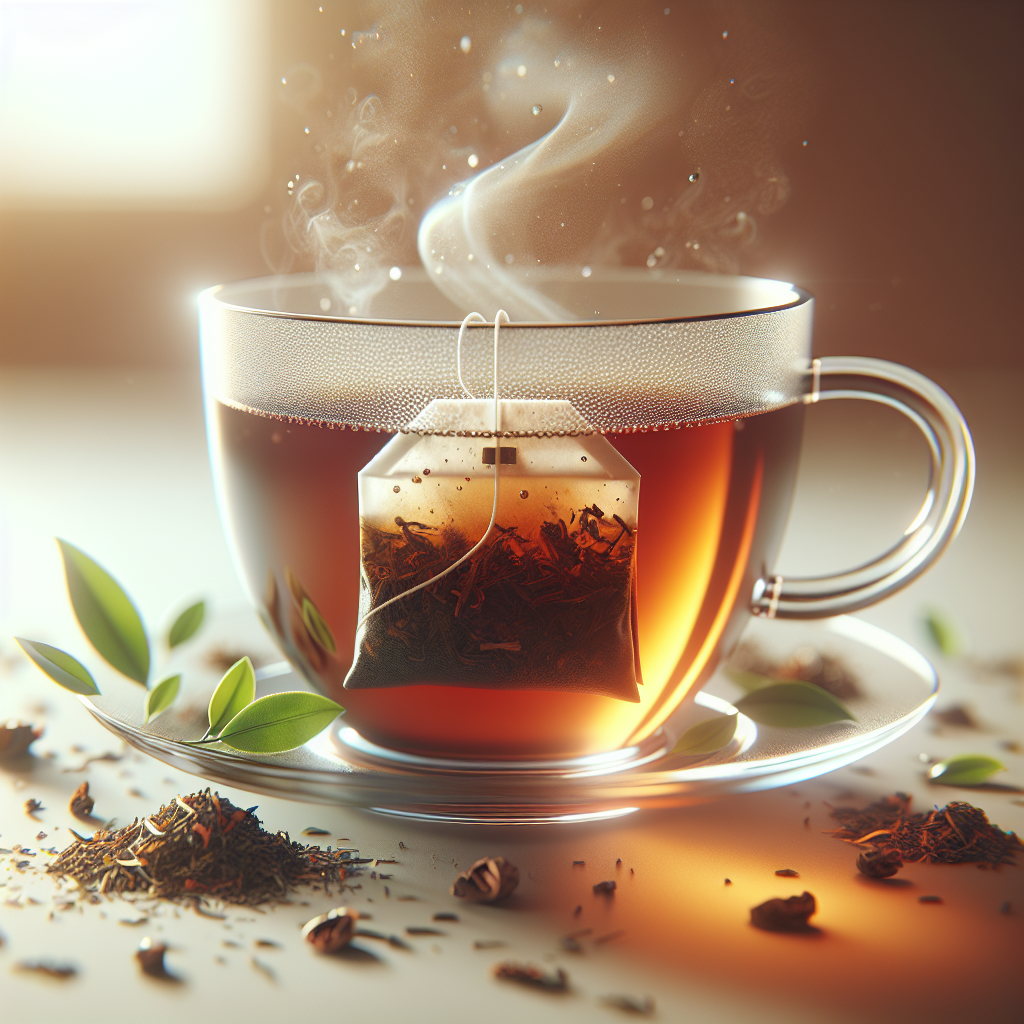
Photography captures the latte’s warmth through contrast: swirling textures, golden tones, rising foam. A professional setup might include cinnamon sticks or star anise beside the cup, hinting at the ingredients that define its charm. Altogether, these visuals reinforce its emotional and culinary resonance.

Design Elements in Café Presentation
Baristas often top the drink with a dusting of cinnamon powder or delicate latte art. Presentation amplifies pleasure, reminding us that aesthetics can heighten perceived taste. Even disposable cups with evocative designs contribute to the beverage’s branding identity, further cementing the chai tea latte’s position within café lifestyle culture.
Conclusion: Why the Chai Tea Latte Continues to Inspire Debate
The chai tea latte encapsulates a fascinating dichotomy: simple comfort wrapped in complex history. It’s adored for its sensory warmth and criticized for reinterpreting tradition. Yet, it endures precisely because it invites conversation—between cultures, between flavor preferences, between modern convenience and ancient ritual. Whether sipped from a ceramic cup or a takeout mug, its story remains unfinished. In that ongoing exchange, the chai tea latte proves it’s more than just a beverage; it’s a living dialogue about taste, authenticity, and emotion.
Frequently Asked Questions
What does a chai tea latte taste like?
A chai tea latte tastes sweet, spiced, and creamy. The blend includes black tea merged with cardamom, cinnamon, ginger, and steamed milk. Some find bold spice notes and peppery warmth, while others focus on vanilla sweetness and silky texture. Depending on preparation, it can feel either delicate or rich. The balanced version delivers a gentle spice finish that lingers pleasantly, showcasing both aromatic complexity and milk softness. The flavor’s charm rests in its duality—invigorating yet soothing, familiar yet exotic—a quality that makes each chai tea latte distinct.
How is a chai tea latte different from traditional masala chai?
Traditional masala chai is brewed by simmering tea leaves with fresh spices directly in milk and water, producing a strong, rustic flavor. A chai tea latte, by contrast, is typically assembled with concentrated tea or spice syrup combined with steamed milk. The latter emphasizes creaminess and café-style presentation rather than pot-simmered depth. While the chai tea latte offers consistency and convenience, it departs from the handmade intimacy of masala chai. Fans appreciate its accessibility, while purists might prefer authentic methods with ground spices and slow steeping for full-bodied results.
Can I make a chai tea latte at home?
Absolutely. To craft a chai tea latte at home, start by brewing black tea with cardamom, cinnamon, and ginger. Strain, then add steamed milk—dairy or plant-based—and a natural sweetener like honey. Froth assists texture, giving that café feel. Home preparation allows customization: adjusting spice ratios, milk thickness, and sweetness levels. This process invites mindfulness and control over ingredients, often resulting in a healthier, more personalized beverage. With practice, you’ll find the balance that replicates or even surpasses your favorite coffeehouse chai tea latte flavor.
Is a chai tea latte healthy?
Health benefits depend on ingredients and quantity. The black tea in a chai tea latte contains antioxidants; spices such as ginger and cardamom support digestion and circulation. The downside often lies in the sugar or sweetened concentrate used commercially. Choosing unsweetened milk or making your own spice blend significantly improves nutrition. Drinking it occasionally as part of a varied diet is perfectly fine. Moderation coupled with mindful production enhances not only its flavor but also its health profile, turning the chai tea latte into a reasonably wholesome indulgence.
Which milk type is best for a chai tea latte?
The milk you choose shapes texture and taste. Whole milk yields classic richness and smooth mouthfeel. Oat and almond milks offer nutty nuances and vegan flexibility. Coconut milk adds aromatic sweetness suited to those who enjoy tropical undertones. The key is balancing milk’s fat with spices and tea strength; lighter milks accentuate spice clarity, while heavier ones amplify creaminess. Try different bases to discover which highlights your preferred aspect of a chai tea latte—be it warming spice contrast or dessert-like indulgence.
Why do some people dislike chai tea lattes?
Dislike usually stems from expectations or overly sweet versions. Some find commercial chai tea lattes too sugary, masking natural spice layers. Others, especially those familiar with traditional chai, feel the café variant lacks authenticity. Additionally, spice intensity divides opinion—what’s cozy for one can feel overwhelming for another. Understanding these perspectives helps adjust recipes or orders accordingly. Ensuring balanced flavor, avoiding syrup excess, and appreciating the cultural background can transform perception, allowing even skeptics to rediscover enjoyment in a carefully crafted chai tea latte.
Can I enjoy a chai tea latte iced?
Yes, the iced chai tea latte has become a summer favorite. It involves brewing concentrated chai and cooling it over ice before adding chilled milk or plant-based alternatives. The result is refreshing yet retains aromatic spice character. Some cafés blend it with vanilla syrup or a shot of espresso for fusion variations. Texture remains smooth, and the drink’s contrast between cold milk and lingering spice refreshes the palate. This adaptation proves that the chai tea latte’s appeal stretches beyond seasons, offering versatility for year-round enjoyment.
What foods pair well with a chai tea latte?
The versatile profile of a chai tea latte pairs beautifully with simple pastries, buttery croissants, and almond biscotti. Its sweetness complements spice cakes or ginger cookies, while the bold tea notes offset rich desserts like chocolate brownies. In savory contexts, mild quiches or spiced samosas harmonize well. The best pairings respect balance—allowing the drink’s aroma to shine without overpowering food flavors. Experimenting within this spectrum of contrasts elevates the tasting experience, demonstrating that a thoughtfully matched chai tea latte can enhance any meal moment.

Leave a Reply