
Few natural remedies have achieved the same level of respect as tea tree in both wellness and skincare circles. Derived from the leaves of the Melaleuca alternifolia plant native to Australia, this essential oil has found its way into countless beauty cabinets, natural medicine chests, and household cleaning kits. In this comprehensive guide, we will explore how tea tree works, what you can realistically expect when using it, and honest reviews from users who’ve incorporated it into daily routines. Whether you’re seeking purer skin, a naturally sanitized home, or a balanced scalp, tea tree can be a surprisingly effective ally.
However, like all strong natural extracts, it’s not without its nuances. Some users find tea tree too harsh when used undiluted, while others claim it’s the only oil that genuinely helps with acne or fungal concerns. Understanding when and how to use it responsibly is key. Below, we analyze the properties, science, applications, and product landscape around this ingredient, so you can make an informed decision while ensuring that you’re using tea tree in a safe, effective, and sustainable way.
Understanding the Origins of Tea Tree
The origins of tea tree trace back to the coastal regions of New South Wales and Queensland in Australia, where Indigenous tribes traditionally crushed the leaves to prepare healing poultices and inhalations for respiratory ailments. European exploration introduced this unique leaf to the global stage, and soon, tea tree oil gained recognition for its antimicrobial and anti-inflammatory characteristics.
Modern cultivation practices still rely on the distinct microclimate of Australia, though plantations in Kenya, China, and South Africa have expanded accessibility. The variations in soil and processing methods slightly affect the aroma and chemical profile, but authentic tea tree remains defined by its high terpinen-4-ol concentration—a compound credited with its bactericidal efficacy.
Harvesting and Steam Distillation
The production of pure tea tree oil begins with harvesting mature leaves followed by steam distillation. Steam gently extracts volatile oils, preserving the delicate chemical compounds. The result is a clear to pale yellow liquid with a fresh, medicinal scent that rapidly diffuses into the air.
Distillers aiming for top-grade tea tree ensure the process temperature and duration are precisely monitored. Prolonged heat or improper condensation can lessen terpinen-4-ol or introduce unwanted oxidation byproducts. Certified suppliers often disclose their extraction ratios and testing certificates, which can help consumers validate quality before purchasing.
Key Active Components and Their Function
One reason scientists remain fascinated by tea tree is its range of active compounds—over 100 naturally occurring components form its oily matrix. The notable ones include terpinen-4-ol, gamma-terpinene, and alpha-terpinene. Research shows that these compounds disrupt microbial membranes, reducing the viability of bacteria such as *Staphylococcus aureus* and certain fungi like *Candida albicans*.
Chemical Synergy and Skin Interaction
Unlike synthetic antiseptics, the compounds in tea tree create synergy that subtly interacts with the lipid barrier of the skin. This multi-faceted mechanism aids wound healing while maintaining delicate pH levels. However, undiluted concentrations above 5% may cause irritation for sensitive individuals. Always perform a patch test before direct use.
Practical Uses of Tea Tree in Daily Life
While scientific studies validate its antimicrobial prowess, real-world applications are where tea tree shines. Below are practical, evidence-based uses along with honest evaluations from typical users.
Skincare: Acne, Spots, and Irritation Relief
In the skincare world, tea tree is often praised as a natural alternative to benzoyl peroxide. Many find that applying a small, diluted amount to blemishes overnight reduces redness by morning. A combination of aloe vera gel and a few drops of tea tree oil can form an effective, balancing treatment for oily skin.
Honest user reviews often highlight two outcomes: quicker healing of breakouts and improved sense of cleanliness. However, some users note dryness after prolonged use, reminding us that moderation matters. It pairs best with non-stripping cleansers and hydrating serums for balanced skin health.
Hair and Scalp Applications
Tea tree’s antifungal nature also extends to scalp care. When mixed into shampoos (around two drops per tablespoon of product), it can help reduce dandruff and itchiness caused by *Malassezia* yeasts. Salons specializing in natural hair treatments cite anecdotal success when using tea tree-infused oil massages before washing, as this boosts circulation and scalp clarity.
Home Cleaning and Deodorizing
Tea tree doubles as an environmentally friendly disinfectant. Mixing a teaspoon of oil into a spray bottle with water and vinegar yields an effective natural surface cleaner. Some use this formula to wipe down yoga mats, countertops, or even bathroom tiles. Its herbal scent also acts as a mild deodorizer, neutralizing musty odors from damp fabrics.
Tea Tree Product Landscape
The global wellness market now offers hundreds of products labeled with “tea tree.” From organic scrubs to therapeutic ointments, variety abounds. Understanding labels and concentration is vital to avoid overpriced or underperforming items.
Oils and Serums
Pure essential oils remain the gold standard for maximum potency. Look for dark glass bottles with clear country-of-origin labeling and batch testing data. Brands like Thursday Plantation and The Body Shop have transparently documented their sourcing and chemical analysis, which builds consumer confidence.
Choosing the Right Tea Tree Oil Product
When selecting, consider these factors:
- Purity: Opt for 100% Melaleuca alternifolia oil without synthetic fragrances.
- Chemical profile: Seek terpinen-4-ol levels around 35-40%.
- Packaging: Dark amber glass protects oils from oxidation.
- Certification: Trusted third-party testing ensures authenticity.
According to feedback from aromatherapy practitioners, quality tea tree can last up to two years if stored in a cool, dark place. Rancid or cloudy oils signal degradation and should be replaced.
Lotions, Creams, and Topical Blends
Lotions using tea tree as an active ingredient often combine it with soothing bases like shea butter, chamomile, or jojoba. These blends help buffer potential irritation while harnessing antibacterial power. Daily-use moisturizers with 1–2% concentration are well tolerated by most skin types.
Household Products and Sanitizers
In household segments, tea tree has become common in natural detergents, floor cleaners, and hand sanitizers. The efficiency is generally rated high among users seeking fewer chemicals in their homes. Combining it with lemon and eucalyptus oils produces an uplifting cleaning blend. Honest reviewers appreciate its realistic deodorizing ability without the synthetic perfume finish found in commercial disinfectants.
Scientific Research and Evidence
Numerous studies, including publications in journals such as the *Clinical Microbiology Reviews* and *Journal of Antimicrobial Chemotherapy*, support tea tree’s role in inhibiting bacteria and fungi. For instance, clinical trials on acne patients show moderate improvement compared to placebo creams. Another study evaluated hospital disinfection effectiveness, finding that diluted tea tree preparations had noticeable impact on microbial load reduction.
It is important to stress that while such findings are promising, exact outcomes vary based on formulation and consistency of use. Tea tree should complement—not replace—conventional treatment when dealing with chronic or severe infections.
Common Misconceptions
Despite its natural origin, tea tree is not inherently gentle for all users. Misconceptions often lead to misuse and irritations. Below we clear up frequent misunderstandings.
Myth 1: “Natural means non-irritating.”
All essential oils have potent chemical properties. Tea tree’s components can cause contact dermatitis if improperly diluted. Sensitive individuals should mix it at a 1% concentration with a carrier oil like jojoba or coconut before applying.
Myth 2: “More is better.”
Overuse of concentrated tea tree leads to dryness or stinging sensations. Its benefits come from consistent, cautious dosing rather than saturating the area.
Myth 3: “It cures everything.”
Tea tree supports the body’s natural healing but doesn’t cure every condition. Acne, foot fungus, or scalp irritation may improve, yet some bacterial strains require medical-grade intervention. Always discern between cosmetic and medical claims.
User Reviews and Real Results
Real reviewers often describe a love-hate relationship with tea tree. When used right, the results can feel transformative. Improper use, however, can result in irritation or allergic response. Below is a balanced synthesis of what genuine user feedback reveals.
- Positive: Many find reduction in acne flare-ups, cleaner scalp, and fresher home environments. They appreciate the earthy scent and sense of purity.
- Neutral: Some prefer milder alternatives like lavender when tea tree’s fragrance feels too sharp.
- Negative: A small group experiences redness despite dilution, underlining that patch testing is non-negotiable.
Compared to cheaper, adulterated oils on the market, verified organic tea tree demonstrates far better reliability. It’s often worth paying a bit more for guaranteed transparency in sourcing. For in-depth reading on tea origins and purity standards, refer to Tea Association of the USA or sustainability guides available through National Center for Complementary and Integrative Health.
Integrating Tea Tree into Lifestyle
Incorporating tea tree products into daily routines can be straightforward. A minimalist lifestyle appreciates ingredients that serve multiple roles—from self-care to household cleaning.
Morning and Evening Rituals
Morning cleansing with a mild tea tree-infused foam can refresh skin without stripping natural oils. In the evening, diluted spot treatments or hair serums calm inflammation and foster detoxification. Consistency yields visible balance within a few weeks of diligent use.
Natural DIY Blends
DIY enthusiasts frequently mix tea tree with rose water, witch hazel, or clay masks. Adding a drop into diffuser blends can cleanse air naturally. Its compatibility extends across skincare, home hygiene, and even aromatherapeutic mental refreshment.
For creative recipes, visit Teastory.blog’s Tea Recipe collection or explore historic cultural uses documented at Teastory.blog’s Tea History section.
Environmental and Ethical Perspective
Sustainability plays an increasing role in consumer decisions. Ethical tea tree cultivation involves responsible land use and minimal waste distillation. Many farms utilize byproducts as mulch or biomass energy sources. Fair labor conditions and certified organic standards further ensure environmental preservation.
Carbon Footprint and Conscious Consumerism
As demand spikes globally, offset programs and local distillation units help control emissions from transportation. Choosing locally sourced or ethically certified tea tree contributes to a smaller carbon footprint and supports indigenous growers who preserve ancestral cultivation techniques.
Potential Side Effects and Safety Guidelines
Although versatile, proper precautions must accompany tea tree usage. Direct ingestion is unsafe, as internal toxicity can occur. Always check expiration dates and avoid applying essential oils near the eyes or inner membranes. Pregnant individuals or those with dermatological conditions should consult a health professional before extensive use.
Recommended Dilutions
- Facial application: 1–2% dilution in a carrier base.
- Body treatments: up to 3% safe dilution.
- Cleaning formulas: around one teaspoon per spray bottle of water and vinegar blend.
It’s also worth noting that storing tea tree in sunlight can cause oxidation, which increases sensitization risk. Opt for airtight, dark containers.
Visualizing Quality

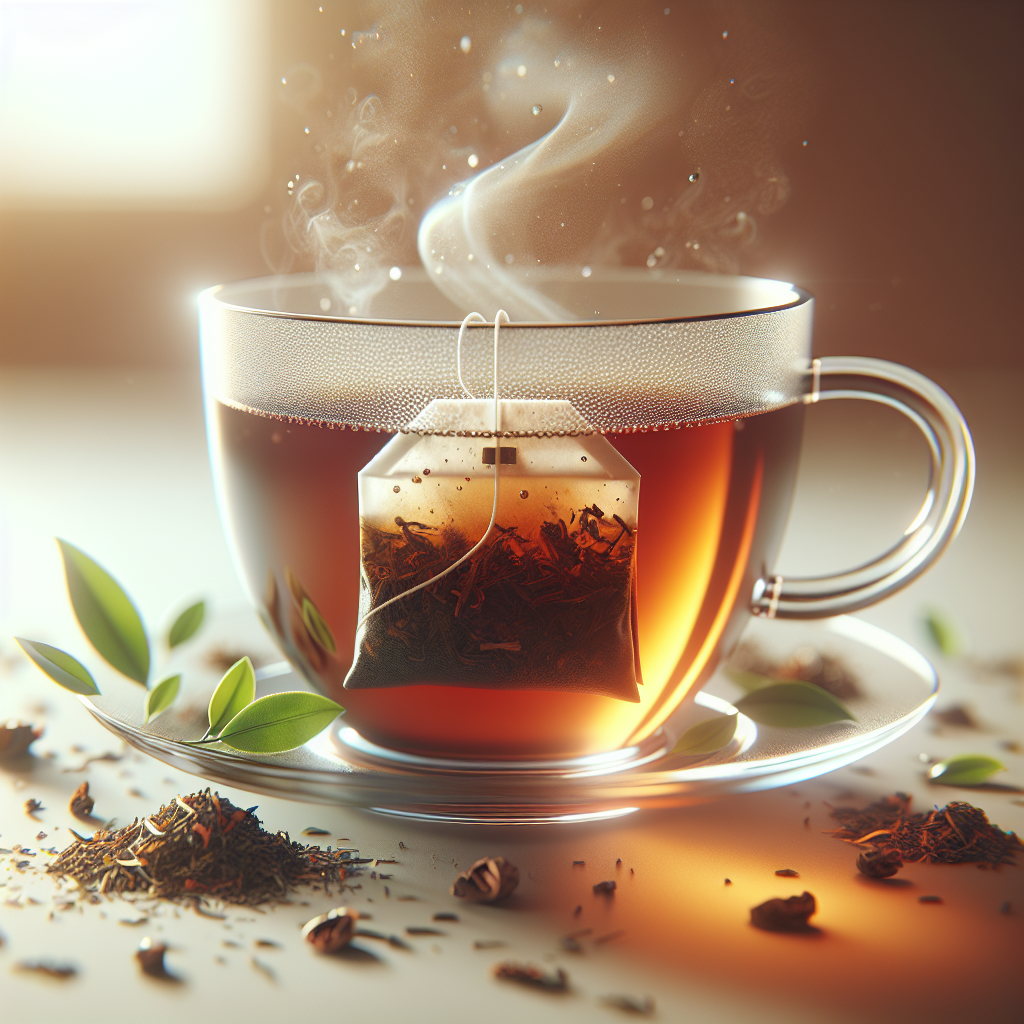
The above image illustrates pure tea tree leaves ready for steam distillation. Visual cues like vibrant green leaves and clear oil without sediment usually signify quality. If the oil smells rancid or unusually sharp, it may be oxidized.
Conclusion
As this guide demonstrates, tea tree remains a trusted essential derived from nature’s precise chemistry. Its success in skincare, scalp care, and household hygiene highlights versatility supported by science. Yet caution ensures safe enjoyment—understanding concentration, sourcing, and compatibility allows for true benefits without side effects. By pairing mindfulness with knowledge, you can integrate tea tree confidently into your daily life, gaining both health and ecological value from every drop.
Frequently Asked Questions
What is the best way to dilute tea tree oil for skin use?
To safely apply tea tree on skin, mix it with a carrier oil such as jojoba or sweet almond. A general rule is one drop per teaspoon (about 1%), especially for facial use. This helps avoid irritation while keeping antibacterial strength intact. Patch-test inside the wrist before wider use. Applying pure oil directly can disrupt the skin barrier. Start with low frequency and adjust based on tolerance. Maintaining proper dilution means longer-lasting benefits and less likelihood of over-drying sensitive areas.
Can I use tea tree to treat dandruff or scalp buildup?
Yes, tea tree is known for antifungal activity targeting dandruff-causing yeasts. Add two or three drops to your regular shampoo and massage gently. Consistent use over a few weeks can reduce flaking and itch. For heavy buildup, pre-shampoo oil massages using diluted mixtures in coconut or argan oil deliver deep scalp refreshment. Avoid excessive application, as high concentrations might dry the scalp. Always rinse thoroughly after each treatment to prevent residue accumulation and maintain balanced sebum production.
Is tea tree safe for pets or household cleaning?
Tea tree makes an effective surface cleaner and deodorizer, yet direct contact with pets should be avoided. Cats and dogs metabolize essential oils differently, and undiluted exposure can cause toxicity. When using tea tree in household sprays, ensure the area is well-ventilated and pets are not confined there until the scent dissipates. For safe cleaning, stick with lower concentrations—around a teaspoon per liter of water—combined with vinegar or citrus oils to achieve fragrance and antibacterial action without endangering animals.
Does tea tree expire or lose potency over time?
Yes, like other essential oils, tea tree degrades slowly when exposed to air, heat, or sunlight. Oxidation alters its chemical composition, increasing the risk of skin sensitivity. Keep bottles tightly closed in dark glass and store them in a cool cabinet away from moisture. Typically, fresh oils last between 12 to 24 months. If the scent becomes harsh or cloudy, discard it. Proper storage practices extend both shelf life and the consistent performance of this natural antiseptic powerhouse.
Can tea tree help clear acne naturally?
Many find that diluted tea tree spot treatments reduce inflammation and redness linked to acne. The terpinen-4-ol content targets bacteria while calming inflamed skin. Apply at night on cleansed areas, follow with moisturizer, and monitor results over 1–2 weeks. Effective usage depends on consistency and concentration, not aggressiveness. Always be gentle—overapplication won’t accelerate healing. When persistent cystic acne occurs, dermatological advice remains crucial since tea tree complements but doesn’t replace medical-grade therapy.
Are there any contraindications when combining tea tree with other oils?
Generally, tea tree blends harmoniously with eucalyptus, lavender, and citrus oils. Yet combining too many potent oils increases the load of active compounds, possibly irritating sensitive users. Maintain overall concentration below 5% in mixtures. For diffusers, smaller ratios suffice due to aroma strength. Avoid pairing with photosensitive oils like bergamot for daytime topical use. Monitor your body’s response and adjust recipes as needed. Responsible blending ensures that the diverse properties of tea tree amplify results without unwanted sensitivities.
How does authentic tea tree differ from synthetic versions?
Authentic tea tree derives from Melaleuca alternifolia leaves and shows natural variance in terpinen-4-ol levels. Synthetic or adulterated variants often contain added fragrances or substitutes that mimic aroma without medicinal activity. Quality batches undergo gas chromatography testing to verify purity. Authentic oils smell fresh, herbal, and slightly camphorous, while artificial versions may feel greasy or overly perfumed. Choosing certified, transparent manufacturers ensures both safety and efficacy—your skin and environment will benefit from genuine, unmodified tea tree extract.


Leave a Reply