Chamomile green tea is a gentle yet powerful blend that brings together two ancient ingredients renowned for their calming and restorative qualities. The soothing aroma of chamomile combined with the refreshing subtlety of green tea makes it one of the most popular herbal infusions worldwide. Beyond its delicate taste, chamomile green tea is deeply valued for its wellness-promoting benefits, ranging from improving sleep to supporting digestion. In this article, we will explore the key facts, scientific insights, and practical advice you should know about incorporating chamomile green tea into your daily routine.
This fragrant tea has found its place in kitchens, cafés, and wellness rituals across cultures for centuries. Whether you prefer it as a nightcap before bed, a morning refreshment, or a mid-day stress reliever, chamomile green tea offers versatility and a gentle way to care for both body and mind. Below, we uncover the fascinating aspects of its origins, preparation methods, benefits, and tips to help you make the most of this timeless beverage.
The Origins and Nature of Chamomile Green Tea
Chamomile green tea is crafted by blending dried chamomile flowers with green tea leaves. Each of these components carries its own history: chamomile, an herb native to Europe and Western Asia, has been used for centuries in traditional medicine for soothing nerves and promoting relaxation. Green tea, originating from Chinese tea culture, is celebrated for its catechins, a group of antioxidants believed to support metabolic and cardiovascular health.
Unique Combination of Two Traditions
When these two are combined, chamomile green tea forms a unique balance—merging the mild floral sweetness of chamomile with the earthy, mildly astringent notes of green tea. This pairing delivers a drink that’s both relaxing and rejuvenating. Herbalists often recommend this blend for people seeking a way to reduce stress while maintaining mental clarity, without the full caffeine load found in traditional green tea.
Processing and Composition
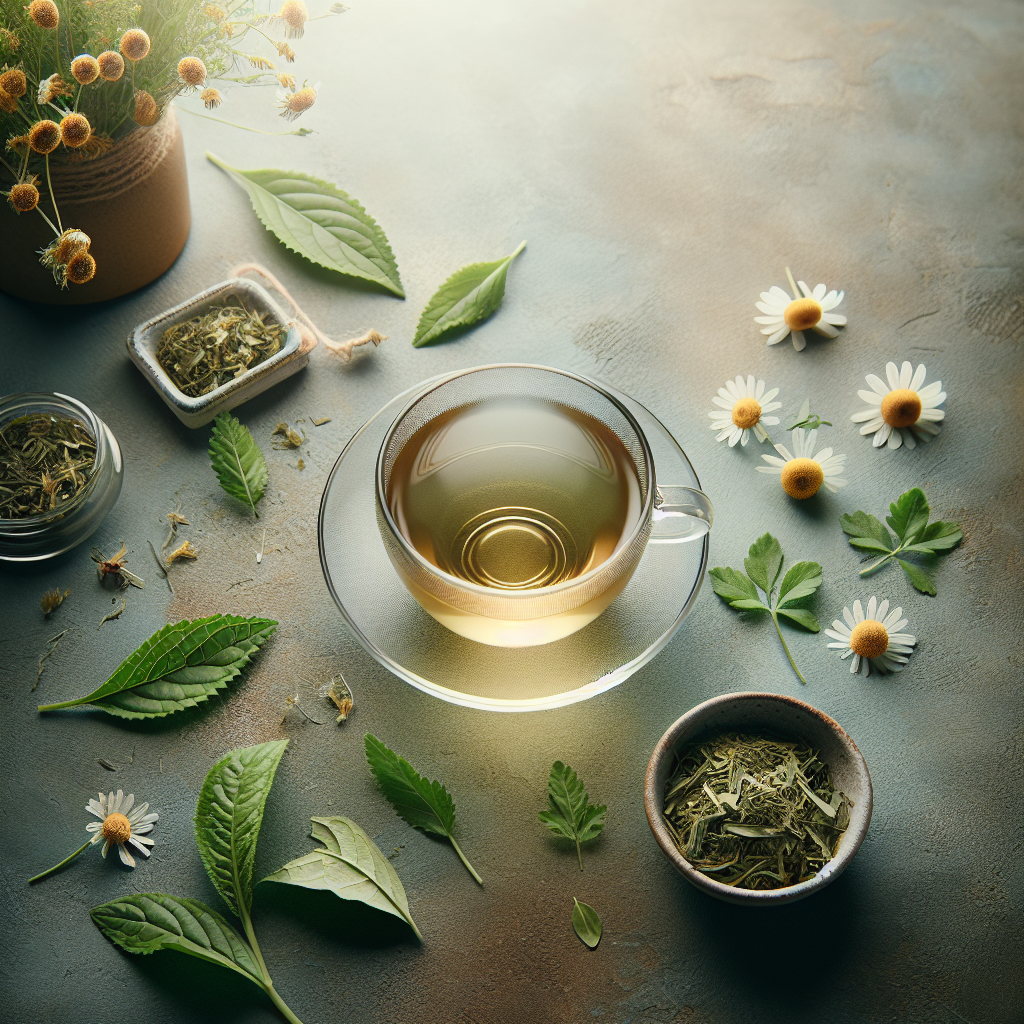
The processing of chamomile green tea depends on the type of base green tea used—Japanese sencha, Chinese longjing, or matcha are common choices. The dried chamomile flowers are lightly mixed after green tea leaves are allowed to cool post-roasting to preserve aromatic oils. The infusion is typically golden-yellow in color, offering an aroma described as honeyed, grassy, and subtly sweet.
Health Benefits of Chamomile Green Tea
Regular consumption of chamomile green tea is associated with a variety of health-related benefits. While more research continues on herbal combinations, existing studies and anecdotal evidence provide strong support for its positive effects on both physical and emotional wellbeing.
1. Supports Relaxation and Better Sleep
Chamomile has long been used as a natural mild sedative. The compound apigenin in chamomile binds to specific receptors in the brain that help reduce anxiety and foster sleepiness. When paired with the amino acid L-theanine found in green tea, chamomile green tea promotes relaxation without drowsiness. Many people prefer drinking it after dinner as part of a calming bedtime ritual.
2. Aids Digestion and Gut Health
Chamomile tea is known for easing digestive discomfort, including bloating and mild stomach cramps. When fused with green tea’s catechins, chamomile green tea can also support gut flora balance and help reduce inflammation in the intestinal lining. Studies suggest this combination helps regulate bowel function naturally without harsh ingredients.
3. Boosts Immune Function
The antioxidants in chamomile green tea—such as polyphenols, catechins, and flavonoids—help protect the body from oxidative damage. Regular drinkers often report fewer seasonal colds, improved skin clarity, and faster recovery after minor illness episodes. This can be attributed to the tea’s ability to enhance the body’s immune defense system on a cellular level.
4. Enhances Mental Clarity
Green tea contains gentle amounts of caffeine balanced by L-theanine, a compound that enhances alertness without creating jitters. Combined with chamomile’s calming effects, chamomile green tea provides a natural focus booster. It’s ideal for those seeking a beverage that sharpens attention yet keeps the mind serene—perfect for meditation, reading, or creative work.
5. Promotes Healthy Skin
The antioxidants and anti-inflammatory components in chamomile green tea can benefit skin health. Its polyphenolic compounds may reduce free radicals that cause premature aging and irritation. Drinking it regularly may contribute to a clearer complexion, while cooled tea bags can even be applied directly on the skin to soothe tired eyes or redness.
Scientific Insights and Clinical Viewpoints
Clinical research on herbal blends like chamomile green tea has expanded significantly over the past few decades. Scientists have examined how combining herbs impacts bioavailability—meaning how well active compounds are absorbed by the human body.
Synergistic Antioxidant Effects
Green tea catechins, primarily EGCG (epigallocatechin gallate), have strong antioxidant properties. Chamomile’s flavonoids such as apigenin and luteolin can interact positively with these catechins, amplifying their collective effects. This synergy means that chamomile green tea may provide greater protective benefits compared to consuming each beverage separately.
Digestive and Anti-Microbial Benefits
Research has also shown that chamomile extracts can modestly inhibit the growth of certain bacteria associated with stomach discomfort, while green tea compounds help balance gut microbes. When taken together as chamomile green tea, the blend offers combined antimicrobial resistance, potentially reducing symptoms of mild indigestion or gut imbalance without medication.
Chamomile Green Tea and Stress Reduction
Stress management is one of the most cited reasons for drinking chamomile green tea. Beyond anecdotal comfort, measurable physiological responses—like reduced cortisol levels—have been recorded in test participants who regularly consume herbal teas including chamomile and green tea combinations. Regular, mindful tea-drinking rituals can help relax the nervous system and act as a useful complement to mental wellness practices such as yoga and slow-breathing techniques.
How to Prepare Chamomile Green Tea
Making a cup of chamomile green tea is simple but requires gentle care to preserve both aroma and nutritional value. Incorrect water temperature is one of the most common mistakes when brewing green tea blends.
Ingredients and Brewing Steps
- 1 teaspoon loose green tea leaves or 1 tea bag
- 1 teaspoon dried chamomile flowers or 1 chamomile tea bag
- 1 cup (about 250ml) hot water—around 80°C
Steep both components together for about three to four minutes. Over-steeping may cause bitterness due to the catechins in green tea. Add honey or a dash of lemon if desired, though purists often prefer enjoying chamomile green tea in its simplest form.
Best Time to Drink
Because of its low caffeine content, chamomile green tea can be consumed throughout the day. In the morning, it gently wakes the body and mind. After meals, it assists digestion, and before bedtime, it encourages relaxation. Some people even sip it cooled during summer as a refreshing alternative to sugary drinks.
Pro Tips for Flavor and Quality
Use filtered water for the best taste. Store your tea in airtight containers away from light to maintain freshness. For a more floral experience, increase the chamomile-to-green-tea ratio. Conversely, for more vigor, add more green tea. Experimenting helps find the balance that suits your taste.
Potential Side Effects and Considerations
Chamomile green tea is typically considered safe for most individuals. However, certain people may need to be cautious—especially those with allergies to plants in the daisy family, pregnant individuals, or anyone with caffeine sensitivity.
Interactions and Allergic Responses
Although uncommon, mild allergic reactions to chamomile can occur. Always start with small portions if trying for the first time. Discuss with your healthcare provider if you take medications such as blood thinners, as green tea’s vitamin K content can interact with these drugs.
Caffeine Consideration
Chamomile green tea generally has less caffeine than pure green tea but still enough to provide alertness. Those who are highly sensitive may prefer caffeine-free versions that use decaffeinated leaves. Children and pregnant women should consult medical professionals before introducing herbal teas into daily diets.
Interesting Cultural Insights
Both chamomile and green tea have rich cultural backgrounds. Ancient Egyptian healers offered chamomile to the sun god Ra as medicine, while green tea’s legend stems from Chinese dynasties’ long emphasis on mindfulness and balanced health. Combining these two represents a beautiful merging of East and West—wisdom from different traditions in one cup of chamomile green tea.
Comparing Chamomile Green Tea to Other Herbal Blends
Unlike mint or lavender blends, chamomile green tea uniquely balances calmness and focus. It’s milder than matcha but more vibrant than plain herbal infusions. Those exploring wellness drinks often consider it a starter beverage before trying more complex herbal combinations.
Example: Wellness Use in Daily Routines
Imagine beginning your day with a warm cup of chamomile green tea, reading quietly as sunlight filters in. Later, after a meal or during an afternoon study session, this same tea aids digestion and mental alertness. It’s a ritual that suits both structured schedules and leisurely lifestyles, making it ideal for modern wellness seekers.
Chamomile Green Tea and Modern Wellness Trends
In the current wellness era, where relaxation and mindfulness are prized, chamomile green tea fits perfectly. Its subtle caffeine profile, antioxidant matrix, and socio-cultural symbolism make it a staple in holistic cafes and wellness retreats worldwide.
Eco-Friendly and Organic Trends
Consumers increasingly prefer organic, sustainably sourced chamomile and green tea leaves. Choosing fair-trade certified brands supports not only personal health but also local farmers. Several environmental initiatives by leading producers ensure eco-friendly cultivation methods that preserve biodiversity.
For more insights into tea production and its sustainability, visit Tea Association of the USA, which offers resources on responsible tea sourcing. You can also explore Tea Research Institute for scientific studies and cultivation developments.
Incorporating into Modern Diets
Nutritionists recommend chamomile green tea as a low-calorie alternative to sugary beverages. When consumed plain, it supports hydration and can be used as a base for iced teas and smoothies. Many restaurants now serve it infused with fruit slices or herbs as a refreshing twist.
Discover innovative serving ideas from Tea Recipe – teastory.blog or learn how this beverage evolved historically on Tea History – teastory.blog.
Visualizing Its Essence
 The golden hues of chamomile green tea reflect purity and calm. Even a simple photograph of steaming tea can remind one to slow down and breathe. Its inviting glow invites mindfulness—a symbolic pause from the day’s rush.
Conclusion
Chamomile green tea is more than a beverage; it’s a daily ritual blending tranquility, clarity, and health. With roots in ancient traditions and continuing relevance in modern life, this infusion offers an ideal union of calmness and rejuvenation. Whether you drink it for better sleep, focus, or overall well-being, chamomile green tea deserves a steady place in your diet. Let every cup remind you that wellness begins with simple, mindful moments.
Frequently Asked Questions
What is chamomile green tea made of?
Chamomile green tea is made by combining dried chamomile flower blossoms with green tea leaves, often sencha or longjing. This blend unites the floral aroma of chamomile with the fresh earthiness of green tea, creating a beverage with both calming and energizing qualities. Typically, it contains antioxidants like polyphenols and flavonoids, and depending on brand or recipe, caffeine levels vary slightly but remain lower than pure green tea.
When is the best time to drink chamomile green tea?
The best time to drink chamomile green tea depends on your purpose. Drink it in the morning or early afternoon for light alertness, or before bedtime to promote relaxation. It is gentle on the stomach, making it safe after meals. Avoid drinking too late if you are sensitive to caffeine—though the level is mild, individual reactions vary. Regular evening consumption can improve sleep quality over time.
Can chamomile green tea help with anxiety?
Yes, many people find chamomile green tea effective for mild anxiety relief. Chamomile’s apigenin interacts with receptors in the brain that promote calmness, while L-theanine from green tea supports stable focus without hyperstimulation. Together, they encourage relaxation and mental balance. While not a medical treatment for anxiety disorders, chamomile green tea can complement stress-management techniques like meditation and deep breathing exercises.
Does chamomile green tea have caffeine?
Chamomile itself is caffeine-free, but green tea naturally contains a small amount. Therefore, chamomile green tea has a moderate caffeine content—less than a cup of black tea or coffee but enough for mild alertness. For individuals sensitive to caffeine, decaffeinated versions are available. Many drinkers appreciate this balanced profile as it offers relaxation without inducing drowsiness or overstimulation.
Can I drink chamomile green tea daily?
Yes, chamomile green tea can safely be enjoyed daily. Its antioxidants support the immune system, while its soothing character helps maintain emotional balance. Whether consumed hot or as iced tea, this beverage hydrates effectively and contains no sugar unless added. Those with plant allergies or on specific medications should consult their healthcare providers before including it every day, but most people benefit from regular use.
How should chamomile green tea be stored?
To maintain freshness, store chamomile green tea in an airtight container kept in a cool, dry place away from direct sunlight. Humidity or exposure to air can degrade its aroma and nutritional compounds. Avoid storing it near spices or strong-smelling substances, as tea leaves easily absorb odors. Following these guidelines ensures optimal flavor retention for several months, preserving its pleasant floral nuance and quality.
Is chamomile green tea good for digestion?
Chamomile green tea has mild digestive benefits. Chamomile soothes the stomach and can help reduce bloating or mild cramps, while green tea supports gut balance through its polyphenols. The combination aids in natural detoxification and promotes smoother digestion. Drinking a warm cup after meals can enhance nutrient absorption, making it a gentle, effective companion for digestive wellness and overall metabolic support.



Leave a Reply