
Tea has been enjoyed for centuries across different cultures, but one question that often stirs curiosity among tea enthusiasts and wellness seekers is tea acidic? Understanding this aspect not only enhances the appreciation of the beverage but also helps in making mindful dietary choices. The acidity level of tea can affect your teeth, digestion, and overall comfort, especially for those sensitive to pH levels. In this comprehensive guide, we’ll decode what “acidic” means in relation to tea, its potential impacts, and the fascinating variety of factors influencing acidity across types and brewing methods.
Whether you are sipping a cup of black tea on a cold afternoon or enjoying a refreshing iced green tea, knowing if tea is acidic and how it interacts with your body can make a significant difference. This article explores the pH balance of different tea varieties, their benefits, and how to reduce acidity if necessary—all while celebrating the health-promoting qualities that have made tea a cornerstone of good living.
Understanding Acidity: What It Means for Tea
Before diving deeper into the question of is tea acidic, it’s essential to understand what acidity really means. Acidity is typically measured on a scale of 0 to 14 known as the pH scale. A lower pH value indicates higher acidity, while a higher pH value suggests alkalinity. A pH of 7 is neutral—pure water sits here. The pH of tea generally ranges from 4 to 6 depending on the type, brewing time, and even the water used.
Why Acidity Matters in Daily Consumption
The question of is tea acidic matters primarily because acidity can impact both taste and health. For individuals with acid reflux or sensitive stomachs, acidic beverages might aggravate symptoms. However, the moderate acidity of tea rarely poses issues for most people, particularly when consumed in balanced amounts.
How Acidity Affects Taste
Acidity gives tea its brightness and liveliness. A higher level of acids like tannic and gallic acids contributes to the tangy, brisk flavor in black teas, whereas green teas tend to be milder. Herbal teas may vary significantly depending on ingredients such as hibiscus or lemon peel, often making them more acidic. So, when evaluating is tea acidic, flavor perception becomes a direct sensory guide.
pH Ranges of Different Tea Types
The level of acidity varies across different tea varieties. Exploring the range helps tea drinkers understand how to tailor selections based on preferences or digestive needs.
Black Tea
Black tea typically exhibits a pH value between 4.9 and 5.5, making it mildly acidic. This composition is partly due to oxidation during processing, where polyphenols transform into theaflavins and thearubigins. If you’re wondering is tea acidic when it comes to black blends, the answer is yes, but within a manageable range suitable for regular consumption for most people.
Green Tea
Green tea is less oxidized, maintaining a pH range closer to 7, often between 6 and 7, which is comparatively less acidic. This makes green tea a popular option among those seeking a gentler beverage. The question of is tea acidic often gets a nuanced reply when green tea enters the discussion—it’s mildly acidic but tends toward alkalinity after digestion due to its mineral content.
Oolong and White Tea
Oolong tea falls between black and green teas regarding oxidation, translating to moderate acidity. White tea, being the least processed, often leans closer to neutral. These teas are ideal choices if you want to avoid excess acid exposure while still enjoying rich aroma and depth.
Herbal and Fruity Teas
Herbal teas such as chamomile, rooibos, or peppermint tend to have neutral or slightly alkaline properties. In contrast, flavours like hibiscus or citrus-based infusions can have pH levels as low as 3, making them relatively acidic. Therefore, when evaluating is tea acidic across the herbal domain, it is best to identify specific ingredients for accurate assessment.
Health Considerations: Is Tea Acidic Harmful or Helpful?
When assessing health relationships, understanding the role of acidity in tea becomes essential. The phrase is tea acidic doesn’t just concern chemistry—it intersects with wellness, metabolism, and oral health.
Effects on Digestion
Acidity in tea can influence digestion positively or negatively depending on individual tolerance. Mild acidity can stimulate gastric juice production, promoting healthy digestion. However, for those with GERD or acid reflux, certain teas—especially black or citrus-infused types—might cause discomfort. Drinking tea between meals rather than on an empty stomach often minimizes irritation.
Tooth Enamel and Oral Health
Prolonged exposure to acidic beverages may contribute to enamel erosion. Tea generally causes far less damage than citrus juices or soda, yet when exploring is tea acidic and its effect on teeth, moderation and good dental hygiene are key. Rinsing with water after drinking or using a straw for iced tea helps protect enamel integrity.
Metabolism and Alkalizing Properties After Digestion
Interestingly, while tea can start slightly acidic, many teas act as alkalizing agents after digestion. This means they may help balance internal pH, supporting better metabolic stability. So even though one might ask, is tea acidic before consumption, the body’s post-digestive metabolism often benefits from tea’s minerals and antioxidants, reducing acidic load overall.
Factors That Influence Tea Acidity
Several variables affect the final pH of your cup of tea, making the answer to is tea acidic dependent on multiple factors.
Brewing Time and Temperature
Longer steeping times extract more tannins and organic acids, leading to higher acidity. A quick brew using slightly cooler water can reduce these acid compounds. Therefore, adjusting brew technique becomes an effective way to control acidity without sacrificing flavor.
Water Quality and Mineral Content
If your local water supply is soft, your tea may taste slightly more acidic compared to using hard water with higher calcium content. Minerals naturally buffer acidity, so experimenting with filtered versus mineral-rich water can demonstrate subtle changes in pH perception.
Tea Quality and Processing
High-quality teas tend to maintain balanced acidity levels due to careful leaf selection and proper oxidation control. Poorly stored or over-processed teas may produce more acidic brews. Considering these conditions helps refine understanding of the is tea acidic question beyond simple categories.
Practical Tips to Reduce Tea Acidity
For sensitive stomachs or those managing acid reflux, certain strategies can help lower the acidity of your tea while retaining its essence.
- Choose lightly oxidized teas like green or white varieties.
- Add a splash of milk or a pinch of baking soda to slightly neutralize acidity.
- Avoid citrus additives like lemon slices if acidity triggers discomfort.
- Shorten steeping time to reduce tannin extraction.
- Pair tea with food, especially alkaline snacks such as nuts or plain biscuits.
Such methods allow enjoyment without discomfort, demonstrating that managing is tea acidic is more about balance than avoidance.
Benefits of Tea Beyond Acidity
While the topic of is tea acidic often takes the spotlight, the broad health benefits of tea far outweigh minor pH concerns. Tea is a source of antioxidants, catechins, theaflavins, and amino acids that support cardiovascular health and concentration.
Antioxidant Strength
Green tea, in particular, is rich in polyphenols that reduce oxidative stress and inflammation. Regular tea drinkers often experience enhanced skin health and improved mental clarity. Acidity does not diminish these benefits; rather, it forms part of the natural compound stability growing in each cup.
Support for Weight Management
Drinking tea enhances metabolism due to catechins that encourage fat oxidation. Even if one wonders is tea acidic as part of a health plan, its metabolism-enhancing effects typically outweigh small acidity levels. For calorie-conscious individuals, unsweetened tea serves as an ideal beverage choice.
Mental Calming and Focus
The combination of L-theanine and mild caffeine found in tea delivers focus without overstimulation. This synergy contributes to the “alert calmness” often associated with tea drinking, offering serenity amidst acidity concerns.
Real-Life Examples of Acidity Impact
To put the question of is tea acidic into context, let’s look at a few relatable examples derived from observation and research.
Case Study: Acid Reflux and Black Tea
Amira, a marketing executive, loves black tea but noticed occasional heartburn. By switching from over-steeped black tea to a mild oolong and shortening brew time by one minute, her symptoms improved drastically. This minor adjustment highlights how awareness of brewing science can manage perceived acidity.
Case Study: Athletes and Green Tea Intake
For athletes like Ryu, who drinks green tea regularly for its antioxidant benefits, the concern of is tea acidic seemed irrelevant until endurance events began causing acid buildup. Upon alternating between green and rooibos teas, post-workout recovery improved, proving how pH selection supports performance balance.
Everyday Example: Office Tea Habits
Office workers often re-infuse tea bags multiple times throughout the day. The first brew yields more acidity because of concentrated tannins. By the second steep, acidity naturally declines, producing a smoother flavor. This simple observation shows dynamic pH levels in everyday practices.
Scientific Insight and Expert Opinions
Research into tea chemistry continues to evolve. According to resources like Tea Association of the USA and Healthline, the mild acidity of most teas poses no threat to health. Expert dietitians agree that the advantages far exceed any minimal risks associated with tea’s pH.
Internal studies discussed at Tea History on teastory.blog further demonstrate how traditional tea cultures instinctively adapted brewing styles that naturally balanced acidity—whether through clay pot preparation or water mineral composition. For those keen on practical applications, reading about Tea Recipe preparation showcases ways to create soothing blends with mindful pH awareness.
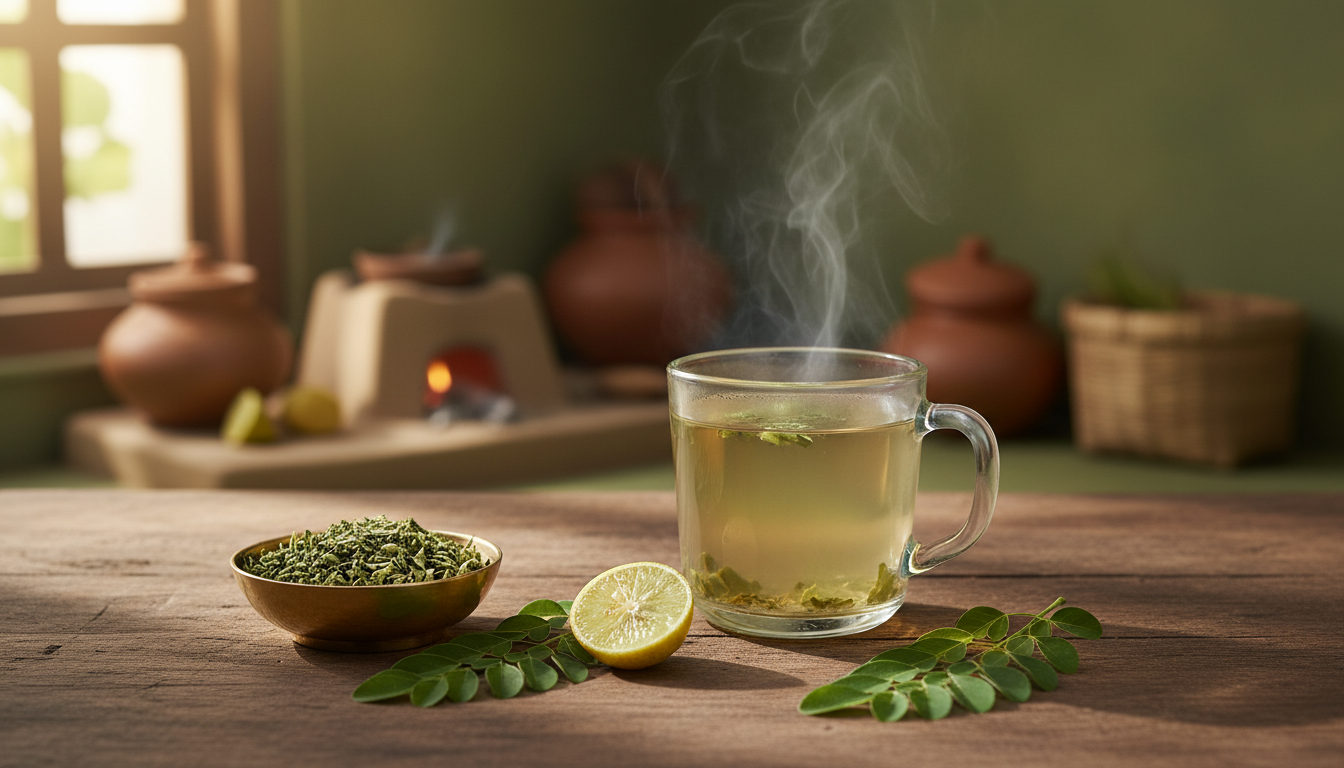
Image Illustration

Final Thoughts on Acidity and Enjoyment
In conclusion, answering the persistent question— is tea acidic —comes down to understanding nuance. Yes, most teas carry mild acidity, yet they remain gentle compared to many common beverages. Variants like green, white, or herbal teas offer near-neutral profiles for those with sensitivities. Adjustments in steeping, water quality, and additives make it possible to customize every cup’s comfort level. Beyond pH numbers, what matters most is the ritual, mindfulness, and connection that tea extends with each sip.
Frequently Asked Questions
Is tea acidic enough to trigger acid reflux?
Tea can contribute mildly to acid reflux symptoms in sensitive individuals, particularly when consumed in excess or brewed strongly. Black and citrus teas are slightly more likely to cause discomfort, while green or white teas are typically gentler. Adjusting brewing time and avoiding tea on an empty stomach minimizes irritation. So although is tea acidic enough to trigger reflux for some, moderation and proper timing can usually prevent problems and allow continued tea enjoyment.
Does adding milk change how acidic tea is?
Yes, adding milk can slightly neutralize tea’s acidity due to its calcium and protein content. This method is especially effective with black tea. While you may still ask is tea acidic after adding milk, the resulting beverage tends to be less harsh on teeth and stomach. The milk doesn’t alter the chemical structure of the tea itself, but serves as a buffer balancing overall pH. It’s a traditional remedy adapted through generations.
How does brewing temperature affect whether tea is acidic?
Hotter water and longer brewing times extract more tannins and acids from tea leaves. By using cooler water—around 75 to 85°C for green teas—you can reduce acidity levels significantly. Hence, the answer to is tea acidic depends heavily on brewing habits. Experimenting with controlled steeping times enables enthusiasts to adjust flavor and minimize sourness without losing complexity or antioxidant value.
Are bottled iced teas more acidic than brewed teas?
Commercial iced teas often contain citric acid or flavor enhancers, making them more acidic than home-brewed varieties. When comparing, the question is tea acidic can yield different answers depending on preparation. To enjoy lower acidity, consider homemade iced teas brewed naturally without preservatives. These offer better pH balance and cleaner taste while eliminating unnecessary sugars and additives found in packaged drinks.
Can green tea balance body acidity levels?
Though mildly acidic at preparation, green tea becomes alkalizing during digestion due to its mineral and antioxidant content. This means that when wondering is tea acidic from a systemic perspective, green tea often contributes to balancing pH in the body. Its magnesium and polyphenols assist in reducing acid accumulation, making it a preferred choice for individuals aiming to maintain metabolic harmony and gut comfort.
Do herbal teas like chamomile have acidic properties?
Most herbal teas are naturally low in acidity or close to neutral. Chamomile, rooibos, and mint teas generally register between 6 and 7 on the pH scale. However, blends containing hibiscus or lemon develop more acidic character. Therefore, when exploring is tea acidic regarding herbal varieties, one should check individual compounds. Herbal teas remain a safe, stomach-friendly alternative for anyone with reflux or sensitivity issues.
Is tea acidic when sweetened with honey or sugar?
Adding sweeteners may alter acidity slightly. Honey introduces mild acids but also beneficial enzymes that can buffer stomach irritation. Table sugar doesn’t significantly affect pH but can promote bacterial activity leading to perceived sourness. So while is tea acidic when sweetened doesn’t drastically change numerically, the flavor profile can shift towards brightness. To maintain balance, choose minimal natural sweetening and mindful brewing techniques.




Leave a Reply