
Among the world’s most luxurious desserts, the swiss chocolate cake stands out as a hallmark of precision, flavor balance, and timeless beauty. This indulgent creation from Switzerland is admired globally for its rich cocoa essence, velvety texture, and intricate craftsmanship. Every slice is a testament to the country’s deep heritage in chocolate-making, where artisans source premium ingredients and transform them with skill and care. Whether served at high-end cafés, cozy homes, or elegant events, the swiss chocolate cake captures the essence of indulgence and pure artistry.
In this detailed guide, we’ll uncover the story, benefits, and practical insights behind this culinary treasure. You will learn why the swiss chocolate cake continues to enchant bakers and food lovers across cultures. We will explore expert techniques, health-related advantages, and quick facts that distinguish this cake from others. Expect both traditional and modern insights—perfect for anyone aiming to understand, bake, or enjoy this dessert at a deeper level.
Understanding the Legacy of Swiss Chocolate Cake
The origin of the swiss chocolate cake is tightly intertwined with Switzerland’s iconic reputation as the home of exceptional chocolate. Swiss chocolatiers have spent centuries refining the art of blending creamy textures with subtle sweetness. Unlike overly sugary cakes, this version values balance and natural flavor depth. Its reputation grew worldwide as global chefs adopted and customized it while keeping the unique Swiss identity intact.
The Origins of Swiss Confectionery Traditions
The early 19th century saw Swiss artisans experimenting with milk and cocoa integration—an innovation that shaped global dessert trends. The swiss chocolate cake became a canvas for these discoveries, combining smooth chocolate layers with light sponges or dense flourless versions. Through family bakeries and culinary schools, the recipe evolved into many regional styles, yet its soul remained purely Swiss.
What Defines a True Swiss Chocolate Cake?
A genuine swiss chocolate cake is not merely a chocolate dessert; it is an expression of texture, temperature, and terroir. Its layers are delicate yet rich, often incorporating silky ganache or mousse between tender sponge bases. The chocolate must be of superior origin—often from Swiss brands celebrated for ethical sourcing. Presentation matters equally: glossy surfaces, minimal decoration, and an elegant slice reveal signal authenticity and perfectionism.
Ingredients and Craftsmanship Behind the Perfection
The romantic image of the swiss chocolate cake aligns with methodical preparation steps. Each ingredient plays a deliberate role, and the combination yields a balanced and sophisticated dessert.
Core Ingredients of Excellence
- High-quality Swiss dark chocolate, providing a bold yet smooth cocoa structure.
- Fresh cream and butter for richness without heaviness.
- Cane sugar or muscovado for natural sweetness.
- Whole eggs to bind and elevate texture.
- Finely milled flour (sometimes almond flour for moistness).
- Pinch of salt to accentuate chocolate depth.
Using butter at room temperature and melted chocolate slightly cooled before blending are critical steps. Balance in proportions distinguishes a flavorful swiss chocolate cake from an overly heavy one.
Crafting Technique and Texture
Techniques vary, but the philosophy remains the same: achieve a light structure infused with full-bodied flavor. Creaming butter and sugar until pale ensures air incorporation. When chocolate merges with eggs, the emulsification must be gentle yet thorough. Baking temperature is moderate; the aim is tenderness, not dryness. Cooling is vital—Swiss bakers often recommend resting the cake overnight before slicing to achieve perfect density.
Swiss Chocolate Cake Variations Across the Regions
From Zurich to Geneva, the swiss chocolate cake takes on subtle personality shifts. Some regions celebrate added coffee undertones; others introduce walnut crunch or kirsch liqueur hints. In alpine towns, pairing with raspberry compote enhances contrast, while minimalist versions stick to dark chocolate and cream. These variations illustrate creativity rooted in tradition. Each regional adaptation maintains the respect for original Swiss craftsmanship.
The Benefits of Enjoying Swiss Chocolate Cake
While it’s known as an indulgent treat, the swiss chocolate cake surprisingly offers several benefits when enjoyed moderately. Its nutrient-focused composition includes antioxidants and mood-boosting properties inherited from pure cocoa.
Health-Related Benefits
- Antioxidant content: Swiss dark chocolate is rich in flavonoids that contribute to cardiovascular health.
- Mood uplift: Cocoa compounds promote serotonin, enhancing mood naturally.
- High energy value: Perfect for athletes or active individuals needing quick rejuvenation.
- Balanced ingredients: Swiss recipes prioritize moderation, making slices lighter than many global counterparts.
- Digestive friendliness: Minimal artificial additives ensure easy digestion.
Cultural and Emotional Benefits
Having a swiss chocolate cake serves not only the palate but the heart. Families often associate it with celebration, togetherness, and heritage. Swiss bakeries showcase it during holidays and formal gatherings; gifting a full cake symbolizes affection and respect. The shared experience—cutting and savoring it with tea or Swiss coffee—creates connection and joy.
Pairing the Swiss Chocolate Cake with Beverages
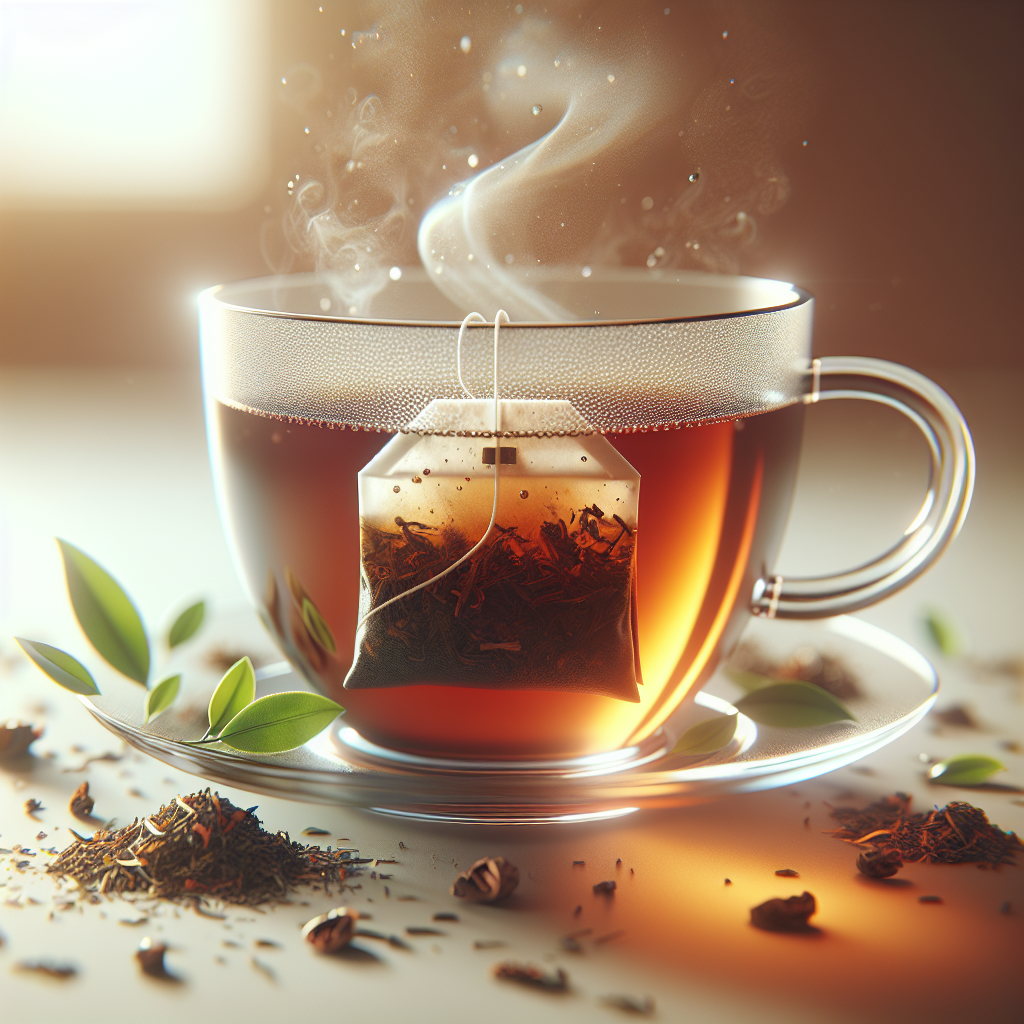
For the finest tasting experience, beverage pairing is crucial. A well-brewed black tea highlights the richness, while a floral green tea refines its sweetness. Pairing also provides digestive support and balances flavors.
- Discover Tea Pairing Insights
- Learn More from Global Tea Experts
- Explore Swiss Tea History
- Try a Complementary Tea Recipe
The subtle interplay between the flavors of tea and swiss chocolate cake transforms dessert time into an intimate ritual.
Quick Facts About Swiss Chocolate Cake
Here are some fascinating details that deepen the appreciation of the swiss chocolate cake, each highlighting its culinary prestige and practicality.
- Average calorie content: Around 350–400 calories per slice, depending on ingredients.
- Ideal serving temperature: Slightly below room temperature for a melt-in-the-mouth effect.
- Storage tip: Keep refrigerated and covered; consumes best within three days.
- Common accompaniments: Whipped cream, fresh berries, or fine tea.
- Symbolism: Often a sign of accomplishment in Swiss patisserie training.
- Ingredient sourcing: Most Swiss chocolatiers emphasize ethical and sustainable cocoa farms.
- Occasion suitability: Birthdays, anniversaries, weddings, and luxury brunch menus.
Expert Insights and Modern Adaptations
Modern pastry trends reinterpret the swiss chocolate cake through creative formats without sacrificing its essence. Vegan, gluten-free, and refined sugar–free versions have emerged—each proving that heritage and innovation can coexist beautifully.
Vegan and Gluten-Free Transformations
Modern bakers substitute dairy with oat or almond cream, and gluten flour with fine nut flours or buckwheat blends. The result? Retained moistness and a similar melt-in-the-mouth texture. Mastering these variants demands careful control of moisture and fat distribution but rewards with inclusivity and modern flair.
Luxury Presentation Techniques
Luxury hotels often present the swiss chocolate cake as miniature spheres or layered slices dusted with edible gold. This mirrors Switzerland’s aesthetic culture—precise, graceful, yet unpretentious. Culinary schools now teach plating artistry focusing on color balance between dark cocoa and minimal fruit tones. The modern approach remains anchored in authenticity, never losing connection with the iconic flavor integrity.
The Art of Decoration
Unlike heavily decorated cakes, the swiss chocolate cake favors simplicity. Thin chocolate shards, slight cream lines, or powdered cocoa dust are considered elegant finishing touches. This decor minimalism aligns with Swiss design philosophy—beauty in precision and restraint. Bakers emphasize polishing surfaces for sheen rather than overloading toppings. Each decorative element tells a textured story about quality and sophistication.
Troubleshooting Common Baking Issues
Even skilled bakers occasionally encounter minor difficulties when preparing swiss chocolate cake. Addressing them ensures flawless results every time.
Texture Too Dense or Dry
If the cake becomes overly firm, the cause usually lies in overmixing batter or overbaking. Swiss pastry instructors recommend precise timing and ingredient temperature control for velvety consistency. Incorporating melted chocolate swiftly and gently also prevents hardened patches. Always check doneness with a toothpick showing faint moist crumbs instead of a dry surface.
Ganache Separating or Hardening
Ganache, a signature feature in authentic swiss chocolate cake, can split if exposed to sudden temperature changes. Ensure equal temperature between cream and chocolate, stirring continuously. If it curdles, briefly reheat on low warmth and mix until glossy uniformity returns.
Maintaining Moisture During Storage
Moisture preservation defines quality longevity. Wrap the swiss chocolate cake tightly in parchment paper and seal it in an airtight box. Keeping it slightly cool but not cold ensures flavor retention. Restoring texture is possible by letting slices sit at room temperature for twenty minutes before serving. This patience brings back silkiness and heightens aroma.
Serving and Presentation Inspirations
The allure of the swiss chocolate cake amplifies through thoughtful presentation. Visual harmony and portion awareness enhance dining experiences, whether home-baked or professionally served.
Complementary Garnish Ideas
- Delicate rod-shaped chocolate curls.
- Dusting with fine cocoa powder or icing sugar.
- Minimalist fruit pairings – raspberries or sliced cherries.
- Gold leaf fragments for luxury effect.
- Whipped cream quenelles placed symmetrically.
An elegant white plate accentuates the cake’s brown tones and chocolate sheen, reinforcing its visual impact. Always slice with a warm knife to maintain smooth, clean edges.
Photographing Your Swiss Chocolate Cake
Food photography enthusiasts enjoy capturing the swiss chocolate cake because of its dramatic contrast and rich surface finish. Use natural daylight and matte backgrounds. Consider top-down shots for pattern emphasis, or cross-sectional shots revealing the silky interiors. Adding elements such as a cup of tea or Swiss utensils builds atmosphere. When sharing online, attribute to recipe origins respectfully and include descriptive alt text such as “A beautifully layered swiss chocolate cake garnished with cocoa dust.”
Frequently Asked Questions
What makes a swiss chocolate cake different from a regular chocolate cake?
While most chocolate cakes rely on sweetness and dense texture, the swiss chocolate cake emphasizes balance and refinement. Swiss chocolate’s high cocoa butter content produces a smoother, creamier profile without excess sugar. Authentic recipes focus on ingredient purity and measured technique rather than heavy frosting. As a result, it feels lighter on the palate yet satisfies deeper cocoa cravings, representing the finesse typical of Swiss patisserie culture.
Can I make a swiss chocolate cake without professional equipment?
Absolutely. Traditional recipes were created in domestic Swiss kitchens using basic tools. A hand whisk, quality mixing bowl, and precise oven control are sufficient. Focus on ingredient temperature and gradual folding methods. Cooling steps are as vital as baking itself. If professional mixers or thermometers are unavailable, rely on visual cues and gentle handling to replicate authentic results. Passion and precision substitute nicely for specialized machinery.
What is the ideal chocolate percentage for a swiss chocolate cake?
Experts recommend chocolate containing around 60–70% cocoa for the best balance between richness and smoothness. Swiss brands often highlight this range because it delivers robust flavor without bitterness. Selecting genuine Swiss-origin bars ensures velvety melting and aromatic complexity. Using lower cocoa percentages can lead to dulled flavor; exceeding 75% may overpower subtle sweet notes. Thus, moderation yields the perfect equilibrium characteristic of the swiss chocolate cake.
How long does a swiss chocolate cake stay fresh?
Properly stored, the swiss chocolate cake retains quality for up to three days when refrigerated and covered. Allow slices to rest at room temperature for about 15 minutes before serving, restoring natural moisture and aroma. For longer preservation, freeze portions wrapped in cling film for up to two weeks. Thaw slowly in the refrigerator overnight before enjoying. These steps safeguard texture and accentuate the authentic Swiss chocolate depth.
Can I pair swiss chocolate cake with tea or coffee?
Yes. The richness of this dessert complements both beverages beautifully. Black tea, oolong, and espresso amplify chocolate notes, while green tea introduces refreshing contrast. Swiss households often pair this cake with organic teas during afternoon gatherings. Consider exploring guides at the Tea Association of the USA or pairing resources in Tea Recipe Collections for creative inspiration that elevates the enjoyment of swiss chocolate cake.
Is there a gluten-free version of swiss chocolate cake?
Yes, many contemporary Swiss and European bakers produce flourless or almond flour versions that mirror the taste and texture of the original. These gluten-free adaptations retain smooth ganache layers and maintain light density. The secret lies in controlled baking tones and proportionate moisture content. Replacing gluten-based flour cautiously guarantees no compromise in flavor or mouthfeel, making swiss chocolate cake accessible to wider dietary preferences without losing its elegant character.
What are the most common mistakes beginners make with swiss chocolate cake?
Beginners often overheat chocolate, overmix batter, or skip cooling stages—three critical missteps that disturb texture and sheen. Another frequent issue is imprecise ingredient weighing. Swiss baking discipline prioritizes exactness; even a few grams can influence results. Ensuring ingredients reach room temperature and maintaining oven calibration prevent uneven rising. Following authentic Swiss guidelines and patience ensures each swiss chocolate cake outcome honors its legendary heritage of balance and beauty.
How can I decorate a swiss chocolate cake elegantly at home?
Home decorators can create elegance without complexity. Smooth the ganache evenly, use offset spatulas for shine, and top with modest chocolate shards or one raspberry cluster. Avoid over-decoration, as Swiss luxury thrives on minimalism. For a festive look, stencil patterns using cocoa dust are timeless. Use natural lighting when presenting for a magazine-worthy finish. These effortless touches allow every swiss chocolate cake to radiate sophistication worthy of its origin.

Leave a Reply