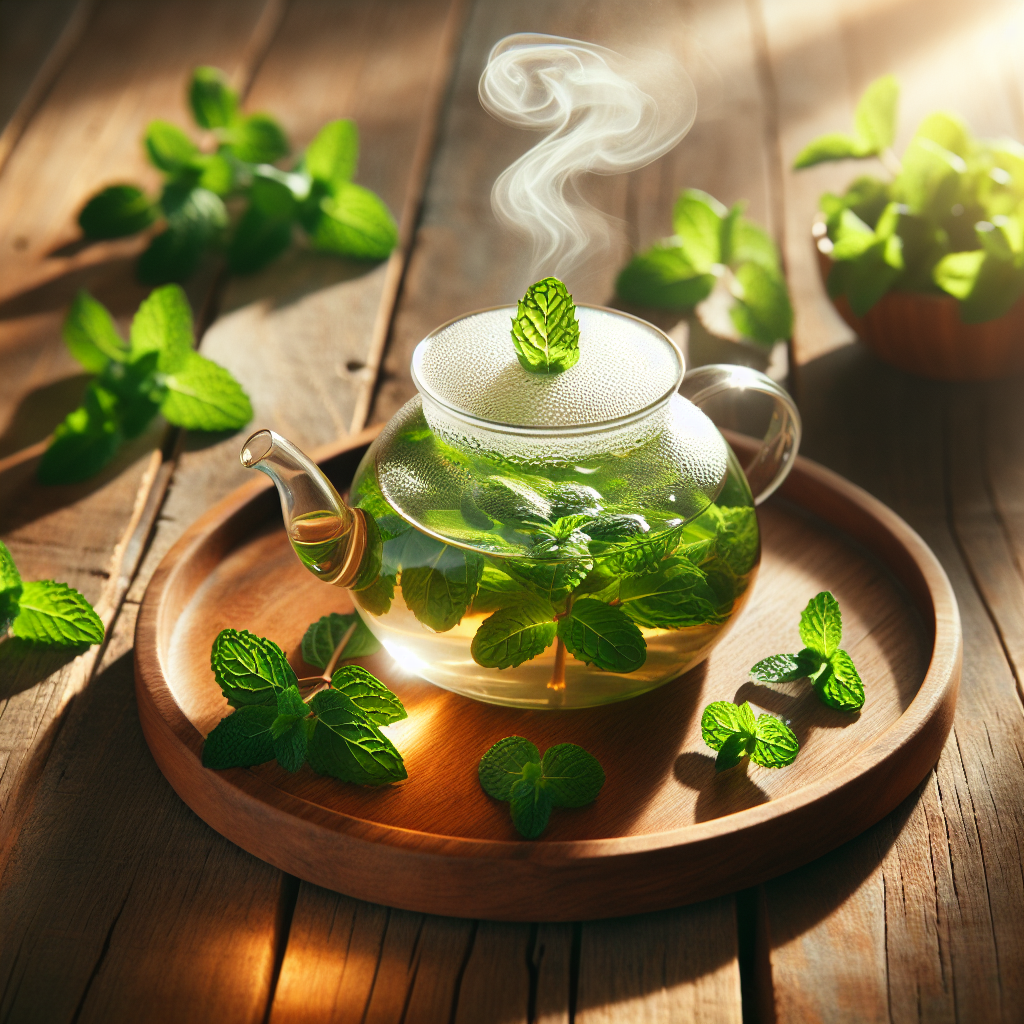
There’s something timeless about a steaming cup of spearmint tea. The herbal aroma that rises as the water hits the leaves is calming, almost like a quiet breath in nature. Learning how to make spearmint tea at home can become more than a simple kitchen routine—it’s an exploration of wellness, tradition, and everyday mindfulness. Whether you’re brewing it fresh from the garden or using dried leaves from your pantry, the process of steeping spearmint carries the essence of both ritual and refreshment.
Understanding how to make spearmint tea also means understanding the herb itself. Spearmint, known scientifically as Mentha spicata, has been used for thousands of years in various cultures, from ancient Greece to modern herbal medicine. It’s recognized not only for its flavor but also for its soothing and digestive qualities. In this guide, you’ll discover the techniques for crafting an ideal cup, the science behind its benefits, and the various ways to incorporate it into your daily life.
Before diving into complex recipes, let’s first explore the foundation: how to make spearmint tea with balance, technique, and a bit of personal flair. With a few simple tools and clear understanding of steeping times, temperatures, and preparation methods, your results can reach a level that rivals that of traditional tea houses.
Understanding Spearmint and Its Origins
Before mastering how to make spearmint tea, it helps to know where this herb comes from. Spearmint thrives in temperate climates and is cherished worldwide for its subtle sweetness compared to peppermint’s sharper bite. Characterized by its spear-shaped leaves, it’s among the most commonly cultivated mints, found in gardens, kitchens, and cupboards alike. Historically, it has been valued both for culinary uses and for its therapeutic reputation in soothing the stomach and relieving stress.
The Botanical Story of Spearmint
Spearmint belongs to the mint family, Lamiaceae, which includes familiar herbs like basil, rosemary, sage, and lavender. It grows as a perennial plant with serrated leaves and stems that tend to spread quickly through runners. Knowing these natural traits can help when sourcing or growing fresh spearmint for tea. If you’re learning how to make spearmint tea from fresh leaves, note that homegrown mint often develops stronger natural oils when cultivated in partial shade rather than direct sun.
How to Make Spearmint Tea Step by Step
Making a soothing cup of spearmint tea is easy, but the freshness and proportions make all the difference. Let’s break down how to make spearmint tea both from fresh and dried leaves.
Using Fresh Spearmint Leaves
To start, you’ll need a handful of freshly picked spearmint leaves—preferably organic or homegrown. Wash them thoroughly to remove any dust or residue. Crush them slightly to release their essential oils without tearing them completely. Boil water and allow it to cool for a few seconds off the heat before pouring it over the leaves. Steep for about five to seven minutes and strain. This is the most natural and aromatic form of how to make spearmint tea.
Detailed Procedure: How to Make Spearmint Tea the Traditional Way
Boil 250 ml (about 8 fl oz) of water. Use around 8–10 fresh spearmint leaves per cup. Pour the hot water over the leaves in a ceramic teapot. Cover and steep for approximately six minutes. Taste and adjust steeping time for strength. Strain into a cup and serve warm or chilled. To enhance the flavor, a few drops of lemon juice or a spoonful of honey complement spearmint’s natural sweetness perfectly.
Making Spearmint Tea from Dried Leaves
If you don’t have access to fresh leaves, dried spearmint serves as a fragrant alternative. Use one teaspoon of dried leaves per cup of hot water. Steep for five minutes, cover to retain the steam, then strain. Learning how to make spearmint tea with dried herbs will give you consistent flavor throughout the year. Some prefer blending with green tea for added antioxidants and body.
Essential Tips for Perfect Spearmint Tea
Every tea has its secrets, and knowing how to make spearmint tea perfectly often depends on awareness of small details. Temperature control, steeping duration, and water quality play crucial roles in the final flavor.
Water Temperature and Steeping Time
Spearmint’s delicate oils are sensitive to boiling water. Letting the water cool slightly before pouring ensures a smoother taste and prevents bitterness. Use about 90°C (194°F) water and steep between five to seven minutes for optimal extraction. Longer steeping extracts stronger menthol aroma but can also lead to a mild earthy undertone.
Choosing Between Fresh and Dried Mint
Both versions are valid paths in learning how to make spearmint tea, though they differ in intensity. Fresh leaves produce a subtler flavor and more vivid aroma, while dried leaves make a stronger brew with a hint of warmth. Many herbal enthusiasts use a blend of both to achieve balance.
Health Benefits of Spearmint Tea
Beyond learning how to make spearmint tea for enjoyment, its benefits add more motivation. Spearmint tea is a caffeine-free herbal infusion widely known for promoting digestion, easing nausea, and supporting calmness. Let’s explore its benefits through the lens of both science and tradition.
Digestive Support
Spearmint has carminative properties, meaning it helps ease gas formation and bloating. Drinking a warm cup after heavy meals can relieve abdominal discomfort. Clinical research highlights its mild antispasmodic effects on the digestive tract. Adding a few slices of ginger when preparing how to make spearmint tea enhances its calming effects even more.
Mental Relaxation and Stress Relief
One of the most valued features of spearmint tea is its naturally soothing aroma, thanks to carvone, its dominant essential oil compound. In aromatherapy, spearmint is considered to encourage relaxation and clarity. Many people learn how to make spearmint tea as part of their evening wind-down ritual, allowing the mind to unwind without caffeine interference.
Hormonal and Antioxidant Properties
Studies suggest spearmint may positively influence hormonal balance, particularly by moderating excess androgens in women. It’s also rich in antioxidants such as rosmarinic acid, which help combat oxidative stress. Consistent consumption, as long as it fits your daily hydration goals, supports general wellness and vitality. Anyone exploring how to make spearmint tea may appreciate these added scientific layers to this simple beverage.
Creative Recipes and Variations
Once you know how to make spearmint tea in its purest form, experimenting with blends can widen your taste range. The mildness of spearmint pairs effortlessly with fruits, spices, and other herbs.
Lemon Spearmint Iced Tea
Brew double-strength spearmint tea with fresh leaves and let it cool. Add a few squeezed lemon slices and a bit of honey. Chill in a carafe with ice cubes. This refreshing version helps retain hydration in hot weather while offering a revitalizing lift.
Ginger Spearmint Infusion
For digestion, freshly grated ginger with spearmint leaves makes an invigorating duo. Simmer a small piece of ginger first, turn off the heat, then add spearmint. You’ll find that learning how to make spearmint tea this way brings warmth from ginger and coolness from mint, creating perfect equilibrium.
Spearmint Green Tea Blend
Mixing green tea with spearmint produces a blend common in many Middle Eastern traditions. Pour hot water just below boiling onto a combination of one teaspoon green tea and one teaspoon dried spearmint. Steep for three minutes only to avoid bitterness. This fusion offers antioxidants, calm alertness, and herbal flavor all in a single cup.
Presentation Tips when Serving
Color contrast and aroma elevate the experience. Use clear glass cups if possible so the gentle green tint of the infusion stands out. Garnish with a fresh leaf or thin lemon wedge. Even if the heart of your intention is learning how to make spearmint tea, recognizing visual appeal heightens enjoyment.
Spearmint Tea in World Cultures
The art of how to make spearmint tea doesn’t belong to one culture alone. From Moroccan mint tea ceremonies to European infusions, it represents warmth and hospitality. In Morocco, it’s typically blended with green tea and sugar, symbolizing friendship and generosity. In Europe, especially in the Mediterranean, it’s used more as a digestive aid after meals.
Modern Reinterpretations
Contemporary tea houses often feature spearmint-based blends as caffeine-free alternatives to black tea. Food stylists experiment with infusions in mocktails or desserts, giving this ancient herb a modern renaissance. Understanding how to make spearmint tea allows you to adapt it seamlessly into creative culinary explorations.
Storage and Sustainability Tips
Once you master how to make spearmint tea, the next step is proper storage for ongoing freshness. Keep dried leaves in airtight containers in a cool, dark place. Fresh leaves can be air-dried or frozen. Using reusable infusers, compostable teabags, or biodegradable containers aligns with sustainable tea-making practices, ensuring that your enjoyment of tea supports environmental mindfulness.
Common Mistakes When Learning How to Make Spearmint Tea
Even something simple like steeping herbs can go wrong if done in haste. Over-boiling water, neglecting leaf-to-water ratios, or under-steeping can alter flavor. Beginners sometimes assume stronger flavor equals higher quality, but spearmint thrives in subtlety.
Avoiding Overpowering Additives
When sweetening, use minimal honey or sugar. Over-sweetening can mask spearmint’s natural lightness. For an authentic experience, remember that part of studying how to make spearmint tea well involves patience and restraint.
Nutrition Profile and Quick Facts
Spearmint tea is low in calories, naturally caffeine-free, and contains trace minerals like calcium, magnesium, and potassium. Its polyphenolic compounds contribute mild antioxidant activity while acids such as rosmarinic acid play anti-inflammatory roles. Here are some quick facts to keep in mind:
- Origin: Mediterranean region
- Botanical Name: Mentha spicata
- Flavor Profile: Light, sweet, herbaceous
- Calories per cup: < 5 (unsweetened)
- Best Pairings: Lemon, honey, green tea, chamomile
- Common Use: Herbal relaxation beverage
Visual Aids for Learners


Related Learning and References
For a deeper exploration of tea traditions, you may enjoy reading about Tea History and Tea Cultivation. To verify the health insights here, review verified data on herbal tea research at National Center for Biotechnology Information and general tea preparation advice from Tea Association of the USA.
Frequently Asked Questions
How to make spearmint tea taste stronger without bitterness?
To make the brew stronger, increase the amount of spearmint leaves instead of extending steep time. Over-steeping draws out bitterness and dulls aroma. If you want an intensified experience while maintaining a delicate finish, double the leaves and use water around 90°C (194°F), not boiling. Practicing how to make spearmint tea this way gives you rich herbal character and a refreshing aftertaste, perfect for those who enjoy fuller-bodied infusions yet minimal harshness on the palate.
Can I use garden mint for how to make spearmint tea?
Yes, garden mint varieties can work if spearmint isn’t available, though flavor will differ. Spearmint tends to be sweeter, while common mint or peppermint adds more menthol sharpness. When exploring how to make spearmint tea substitutions, start with small batches and adjust ratios. Garden mint can make refreshing iced variations, especially when mixed with lemon slices. The key is tasting the infusion as it brews until you find your ideal aromatic balance.
Is it safe to drink spearmint tea every day?
In most healthy adults, daily consumption is considered safe. A typical serving of one to two cups per day contributes hydration and relaxation. If you’re experimenting with how to make spearmint tea regularly, take note of personal tolerance, as herbal reactions vary. Excess quantities could reduce some mineral absorption or alter hormone levels slightly, though risks are low. Consulting a healthcare professional is always advisable for those on medications or specific medical conditions.
What’s the difference between peppermint and how to make spearmint tea?
Peppermint contains higher menthol, making it cooler and stronger in the mouth. Spearmint’s main compound, carvone, gives it a warmer, sweeter flavor. Learning how to make spearmint tea reveals a softer, more balanced fragrance suitable for daily sipping, unlike peppermint’s intensity. Spearmint also pairs better with citrus elements, making it versatile in both warm and iced recipes, perfect for digestion and relaxation without the overwhelming menthol rush.
How can I make iced spearmint tea for summer?
Brew a concentrated pot using twice the normal leaves, then allow to cool naturally before adding ice. Pour over crushed ice with lemon or cucumber slices for a garden-fresh beverage. When mastering how to make spearmint tea for warm seasons, keep brewing time consistent for a smooth taste. Always refrigerate the remaining batch in a sealed glass bottle to preserve freshness up to 24 hours. Garnish with mint sprigs before serving for aroma.
Does how to make spearmint tea differ for fresh versus dried leaves?
Yes, the main distinctions lie in measurements and steeping duration. Fresh leaves need slightly longer steeping—around six to seven minutes—while dried leaves infuse faster, about four to five minutes. Those learning how to make spearmint tea frequently discover that dried leaves pack stronger taste per gram. Adjust ratios patiently; blending both can deliver the best harmony of brisk aroma and long herbal finish, ensuring every version retains true spearmint notes.
What should I pair with spearmint tea for flavor balance?
Spearmint’s versatility allows pairing with lemon, chamomile, or berries. If you understand how to make spearmint tea correctly, you can easily customize: citrus enhances brightness, honey adds depth, and chamomile contributes roundness. For more complexity, a pinch of green tea or ginger creates layers. These pairings evolve your cup beyond a basic herbal infusion, bringing new aromas, slight sweetness, and digestive comfort—ideal for sophisticated yet natural tea experiences.
Is organic better when learning how to make spearmint tea?
Organic spearmint ensures that no synthetic chemicals or pesticides alter its delicate oils. When learning how to make spearmint tea from your own garden or organic suppliers, the leaves tend to retain truer flavor and therapeutic potency. Non-organic forms aren’t necessarily harmful, but quality differences can impact aroma and mouthfeel. For optimal results, prioritize sustainable farms or cultivate your own mint. This also contributes to the eco-conscious cycle of mindful beverage preparation.

Leave a Reply