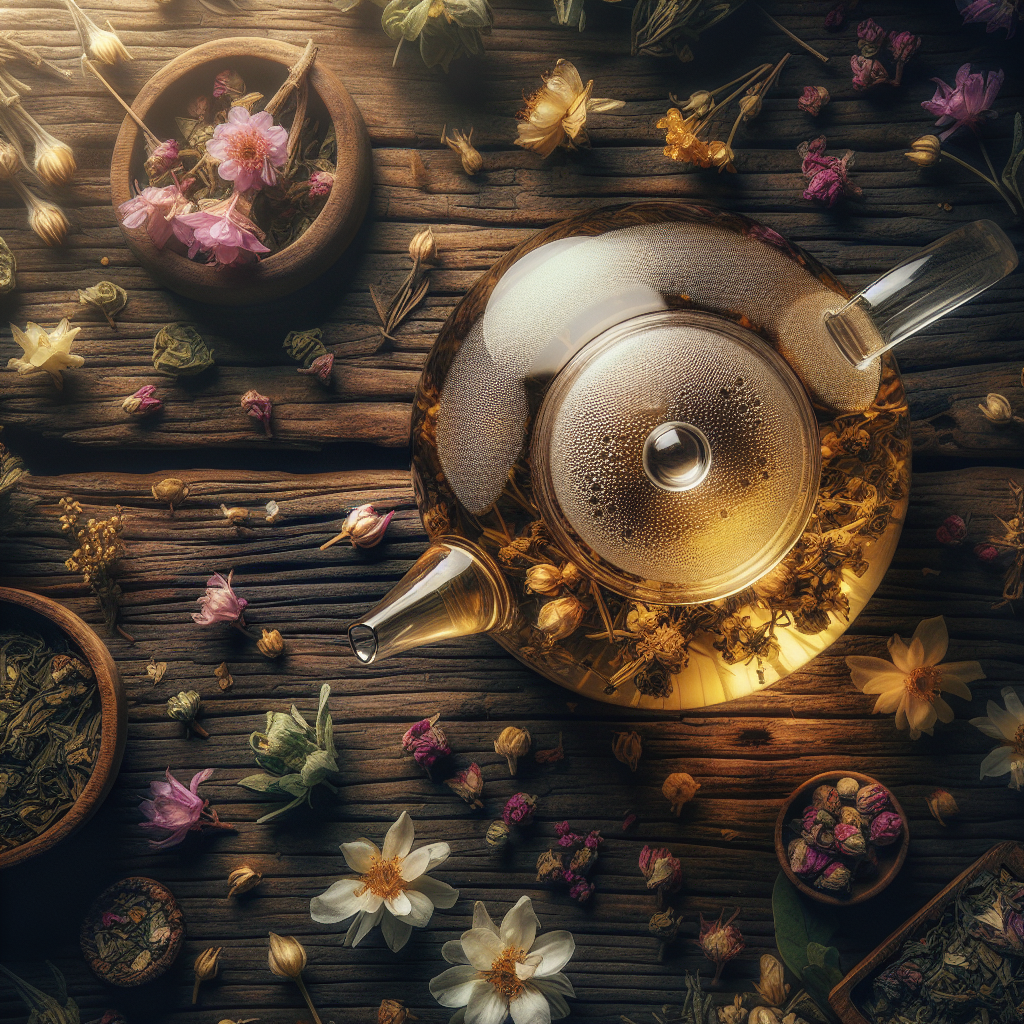
In recent years, the charm of flower tea has captivated tea drinkers and wellness enthusiasts around the world. Known for its delicate aroma, vivid colors, and subtle flavor profiles, flower tea blends botanical beauty with natural benefits. Whether you enjoy it for relaxation, health, or ceremony, exploring flower tea opens a sensory journey that engages sight, smell, and taste. Beyond its graceful appearance, this infusion offers therapeutic value and cultural heritage that date back centuries. Let’s discover what makes flower tea a timeless companion for both quiet moments and conscious living.
Flower tea differs from traditional leaf tea because it primarily infuses the blossoms of edible flowers—either alone or combined with green, white, or black tea leaves. The result is a brew that’s not only pleasing to the senses but also rich in antioxidants and bioactive compounds. In the next sections, you’ll uncover how flower tea supports your well-being, how to prepare it correctly, and which varieties can uplift different moods or health goals.
Understanding Flower Tea and Its Origins
Flower tea traces its roots back to ancient China where blossoms like chrysanthemum, jasmine, and osmanthus were steeped to create soothing tonics for both medicinal and ceremonial use. Over centuries, the concept of using flowers expanded to cultures in Japan, Korea, Europe, and the Middle East. Each region integrated unique techniques to dry, blend, and infuse blooms, giving rise to today’s diversity of flower tea experiences.
Traditional Heritage and Cultural Value of Flower Tea
In traditional Chinese medicine, flower tea represents balance and harmony between body and mind. The art of serving it symbolizes refinement and mindfulness, while enjoyment of aromatic infusions also connects people to nature. Japanese floral teas such as sakura (cherry blossom) are served during spring celebrations, while Western herbalists use lavender, rose, and chamomile infusions for relaxation and digestive aid. This cross-cultural journey elevates flower tea beyond a drink—it becomes a lifestyle ritual.
How Flower Tea Differs from Herbal Tea
While flower tea and herbal tea share the use of plant-based ingredients, their key distinction lies in the part of the plant used. Flower tea emphasizes blossoms, petals, or entire flowers, whereas herbal tea may involve leaves, roots, or bark. For example, chamomile tea counts as both a flower tea and a herbal tea. However, infusions purely from orchids, marigolds, or peonies are specifically classified as flower tea. This purity in composition also contributes to its distinct fragrance and translucent clarity.
Health Benefits of Flower Tea
The wellness appeal of flower tea goes far beyond its aesthetics. Scientific studies have identified numerous beneficial compounds in blossoms—flavonoids, polyphenols, and essential oils—that contribute to antioxidant activity, stress relief, and immune support. Regular consumption may aid stress management, skin health, and metabolic balance.
Antioxidant and Detoxifying Effects of Flower Tea
Many varieties of flower tea contain potent natural antioxidants. Jasmine, hibiscus, and chrysanthemum infusions are known to neutralize free radicals, thereby reducing oxidative stress linked to premature aging and chronic diseases. Hibiscus flower tea, for instance, has been associated with supporting healthy blood pressure and cardiovascular function. Some studies even suggest that daily intake of certain flower tea varieties can help the liver detoxify metabolic waste products more efficiently.
Flower Tea for Stress Relief and Better Sleep
Drinking flower tea before bedtime can calm the nervous system thanks to natural linalool and apigenin compounds present in chamomile and lavender blooms. These substances act gently, promoting restful sleep without dependency. Similar effects can be experienced with rose flower tea, known for easing anxiety and improving mood. The calming floral aroma makes each cup a mindful break from digital overstimulation.
Anti-Inflammatory and Digestive Support From Flower Tea
People struggling with bloating or mild indigestion can benefit from teas like chrysanthemum and calendula. Both varieties encourage better digestion by reducing inflammation in the gut lining. Drinking warm flower tea after meals can also enhance nutrient absorption. This gentle support makes flower tea a natural alternative to more potent remedies.
Popular Types of Flower Tea and Their Unique Characteristics
Diverse flower teas cater to varying tastes and goals, from energizing morning blends to serene bedtime infusions. Below are a few of the most esteemed examples and their core benefits.
Chrysanthemum Flower Tea
One of the most beloved varieties across Asia, chrysanthemum flower tea is valued for its cooling nature and subtle sweetness. Traditionally, it’s used to lower body heat and improve eye health. Modern enthusiasts appreciate its golden hue and smooth, honey-like taste. Pair it with light meals or pastries for afternoon refreshment.
Rose Flower Tea
Rose flower tea carries a delicate, romantic aroma that promotes emotional balance. Rich in vitamin C and polyphenols, it supports skin vitality and acts as a mild mood enhancer. Adding rose petals to your daily hydration routine can uplift your spirit while subtly enhancing complexion brightness.
Jasmine Flower Tea
Jasmine flower tea is often blended with green tea leaves to produce fragrant and antioxidant-rich infusions. It energizes the mind while reducing stress. In traditional Chinese hospitality, serving jasmine tea expresses respect and purity. Its floral scent alone can improve concentration during meditation or work sessions.
Lavender Flower Tea
Lavender flower tea is widely recognized for its calming, slightly sweet fragrance. Derived from purple blossoms cultivated in Europe, this tea soothes nerves and supports quality sleep. Mixing lavender with chamomile or lemon balm enhances both relaxation and flavor balance.
Hibiscus Flower Tea
With its tart cranberry-like taste and vivid red color, hibiscus flower tea brings both aesthetic and health value. It’s rich in anthocyanins that promote heart health and maintain blood lipid balance. Enjoyed iced or warm, it’s perfect for hot weather and cardiovascular support alike.
Osmanthus Flower Tea
Native to East Asia, osmanthus flower tea exudes a mellow apricot scent. Beyond its fragrance, it helps remove toxins and promote radiant skin. Combined with green tea or oolong, it delivers a balanced flavor useful for both digestive aid and aromatic indulgence.
How to Prepare the Perfect Cup of Flower Tea
Brewing flower tea correctly ensures you get the full aroma and nutrients. While flowers are delicate, their infusion method is simple with mindful attention to temperature and timing.
Essential Equipment for Brewing Flower Tea
Choose glass teapots or transparent cups so you can admire the infusion unfolding. Using filtered water highlights the floral flavor. Recommended water temperature varies between 80°C and 95°C depending on the flower type—delicate blooms like rose or jasmine prefer lower temperatures to retain aroma, while robust ones like hibiscus can tolerate hotter water.
Step-by-Step Brewing Guide
- Add approximately one teaspoon of dried flowers per cup.
- Pour hot water gently over the flowers and cover the cup or teapot to retain volatile oils.
- Steep for 3–5 minutes (shorter for lighter flowers).
- Observe as petals bloom beautifully and release scent—part of the visual joy.
- Strain and serve without sugar, or add a drizzle of honey if desired.
Serving Ideas for Flower Tea Lovers
Flower tea can be served hot on winter evenings or iced during summer afternoons. Creative blends like rose-chamomile or jasmine-lavender enhance flavor complexity. Some enthusiasts freeze brewed flower tea into cubes to create visually attractive iced beverages. Combining edible petals as garnish adds artistry to your presentation.
Scientific Insights and Nutritional Composition of Flower Tea
Modern research helps validate what ancient traditions intuited about flower tea. Laboratory analyses show that many varieties contain antioxidants, vitamins A and C, and trace minerals like potassium and magnesium. These contribute to energy metabolism, immune function, and skin support. Studies cited by institutions such as the National Center for Complementary and Integrative Health reveal consistent findings—flower tea can play a supportive role in wellbeing when consumed regularly as part of a balanced diet.
Polyphenols and Aromatic Compounds in Flower Tea
The therapeutic potency of flower tea comes largely from its polyphenols and volatile oils. These natural chemicals help protect cells, reduce stress hormones, and improve circulation. Each bloom species offers a distinct chemical signature—lavender’s linalool, hibiscus’s anthocyanins, or rose’s geraniol all contribute to both aroma and bioactivity.
The Science Behind Flower Tea’s Antioxidant Potential
Research demonstrates that extracting flowers in hot water can yield high phenolic content compared to cold steeping. Therefore, optimal brewing temperature not only affects aroma but also nutritional output. Hibiscus flower tea’s vivid pigments, for example, are indicators of strong antioxidant activity. This synergy of sensorial pleasure and measurable wellness illustrates why flower tea continues gaining scientific interest.
Buying, Storing, and Evaluating Quality Flower Tea
To experience genuine flavor and health benefits, quality selection and proper storage are key. Since flower tea is sensitive to moisture and light, choosing reputable sources is crucial.
How to Identify Premium Flower Tea
- Look for vibrant colors and full, unbroken petals.
- Smell for freshness—there should be no dull or musty odor.
- Transparent packaging or small tins preserve integrity better than plastic bags.
Buy from authentic tea shops or online specialty stores that specify origin and harvest date. Some premium producers use organic or pesticide-free cultivation methods. For detailed insights into cultivation, see Tea Cultivation on TeaStory Blog.
Storage Tips for Flower Tea
Keep flower tea in an airtight, opaque container away from humidity. A dark cabinet at room temperature works well. Never store near strong spices or fragrances since flowers easily absorb surrounding odors. Proper storage maintains color vibrancy and aroma for up to twelve months.
Flower Tea Pairings and Culinary Uses
Besides drinking, flower tea can find delightful applications in culinary and self-care routines. Many chefs and wellness practitioners experiment creatively with these botanical infusions.
Culinary Pairing Highlights
Chrysanthemum goes perfectly alongside light savory dishes, while rose and lavender flower tea marry well with pastries and fruits. Flower tea can also serve as liquid bases for smoothies or baking. Rose-infused milk or jasmine gelatin desserts are trending examples in modern cuisine. For more recipe inspiration, explore Tea Recipe resources on TeaStory Blog.
Flower Tea in Aromatherapy and Skincare
Beyond drinking, flower tea extracts double as natural toners or bath soaks. Steam facials made from chamomile or rose infusions cleanse pores and calm skin irritation. Adding dried blossoms to home-made scrubs enhances both texture and fragrance. This versatility reinforces flower tea as an emblem of holistic beauty and balance.
Environmental and Ethical Aspects
Appreciating flower tea involves mindful consideration of sustainability. Ethical growers emphasize organic farming, fair trade, and non-toxic drying methods. Supporting such producers ensures biodiversity preservation and better livelihoods for small-scale farmers.
Eco-Packaging and Responsible Consumption
Using biodegradable or recyclable tea sachets reduces waste. Buying in bulk or from refill stores also minimizes excess packaging. Conscious tea drinking—savoring each cup without wastage—reflects traditional values associated with respect for nature, deeply embedded in flower tea culture.
Conclusion: Embracing Flower Tea as a Daily Ritual
Integrating flower tea into your daily life can be both comforting and health-supportive. Each cup invites mindfulness, gentleness, and appreciation for natural beauty. From its ancient origins to its modern wellness role, flower tea continues bridging tradition and science. Whether you drink hibiscus for heart support, lavender for calmness, or rose for romance, this vibrant infusion brightens body and soul alike. Sustain your enjoyment through seasonal exploration and sharing rituals with friends—a small, fragrant step toward a more balanced day.
Frequently Asked Questions
What exactly is flower tea and how is it different from herbal blends?
Flower tea is an infusion created from dried blossoms such as rose, jasmine, chrysanthemum, or hibiscus. Unlike general herbal blends that may include leaves or roots, flower tea focuses on floral parts only. This characteristic yields a fragrant aroma and visually elegant infusion. Herbal teas might taste earthier, but flower tea tends to feel lighter, with layered floral notes. By steeping petals gently, it retains color, antioxidants, and volatile oils that set it apart from other herbal brews. It’s a straightforward yet refined way to benefit from nature’s gentle botanicals.
How often should I drink flower tea for best wellness benefits?
Most people can drink flower tea daily without issues, typically one to three cups depending on individual tolerance and caffeine content (most have none). Regular use enhances antioxidant intake and supports stress reduction. For variety, alternate between hibiscus, jasmine, and rose blends to prevent taste fatigue. Remember, balance matters—flower tea complements, but doesn’t replace, a healthy diet and water intake. Observe how your body responds and adjust volume accordingly. Its mildness allows consistent enjoyment even for sensitive individuals seeking non-stimulant refreshments.
Can children and pregnant women safely consume flower tea?
Some flower tea varieties are safe, while others require caution. Chamomile and rose are usually well-tolerated, but jasmine and hibiscus may not suit all pregnant women due to potential uterine-stimulating effects. Always consult healthcare professionals before regular usage during pregnancy. For children, very mild brews diluted with extra water are gentle options. Each sip of flower tea should support relaxation, not cause worry, so choosing safe species and moderate amounts ensures pleasant family use. Always prioritize safety through medical advice and verified sourcing of organic flowers.
Does flower tea contain caffeine or sugar naturally?
Pure flower tea, made solely from blossoms, contains no caffeine or added sugar. However, if combined with green or black tea leaves, caffeine levels can vary slightly. When brewed alone, the beverage remains light and ideal for evening relaxation. It can be sweetened naturally using honey or stevia if you desire extra taste. The simplicity of unsweetened flower tea helps one appreciate authentic floral notes and avoid dependency on sugary flavors, contributing positively to metabolic and dental health in a calm, fragrant way.
What are the visual and aromatic cues of high-quality flower tea?
Top-grade flower tea has vivid, intact petals showing clear color identity—yellow for chrysanthemum or pink for rose. The scent should be natural, neither stale nor overpowering. Upon steeping, petals should slowly bloom and emit a pure aroma without artificial perfume. If you notice cloudiness or dullness, quality might be compromised. Transparency and freshness reflect ethical drying and storage methods. Premium flower tea providers often highlight their procurement process transparently, helping you discern trustworthy brands focused on authentic botanical craftsmanship and sustainability.
Can I brew the same flowers multiple times?
Yes, many flower tea types allow a second or even third steeping, especially jasmine and chrysanthemum. The secret lies in not over-steeping the first round—extract enough flavor yet preserve structural integrity. Each subsequent infusion offers subtler aromas and lighter hues. Using glass pots helps monitor visual unfolding through each stage. Quality dried blooms tend to release fragrance gradually, extending value and minimizing waste. Nonetheless, avoid leaving used petals overnight, as damp conditions might foster microbial growth. Freshness and care result in better-tasting flower tea experiences.
Where can I buy authentic and ethically sourced flower tea online?
Look for reputable tea merchants offering transparent sourcing and sustainability details. Certified organic shops and botanical tea specialists typically maintain strict quality controls. Check whether descriptions include harvest year, origin, and drying technique. Trusted portals such as TeaClass Educational Resources can guide you in evaluating ethical sourcing. Always prioritize companies that minimize additives. Selecting trustworthy brands safeguards both your health and the environment, letting you sip flower tea with environmental and ethical assurance—beauty in both taste and conscience.

Leave a Reply