
Many tea drinkers turn to decaf tea as a mindful way to enjoy the comforting ritual of tea without the jitters that sometimes accompany caffeine. Decaf tea provides a gentle alternative for those who want to savor their favorite flavors at any hour, especially in the evening or when sensitive to caffeine. Whether you’re drawn to it for relaxation, health reasons, or simply curiosity, decaf tea offers a surprisingly rich and diverse experience beyond just a caffeine-free cup.
In this guide, we’ll explore the intricate world of decaf tea—how it’s made, what benefits it offers, and how to choose the right variety for your needs. Along the way, you’ll discover how different decaffeination processes impact taste, aroma, and nutritional value, plus a few practical tips for brewing the perfect cup. As you learn about the science and culture behind decaf tea, you’ll see that it is far more than just “tea without caffeine.”
What Is Decaf Tea?
At its simplest, decaf tea is regular tea that has undergone a process to remove most of its caffeine content. The term “decaffeinated” does not mean completely caffeine-free; in most cases, a small trace—usually less than 2.5% of the original amount—remains. This makes decaf tea an appealing compromise for those who enjoy the flavor and ritual of tea but prefer minimal caffeine intake.
The Decaffeination Process Explained
To produce decaf tea, manufacturers start with high-quality tea leaves and extract caffeine using a chosen method. Though the techniques differ, all aim to remove caffeine while retaining natural flavors and antioxidants. The main decaffeination methods are:
- Carbon dioxide (CO₂) method: Considered the most natural and environmentally friendly way, this uses pressurized CO₂ to remove caffeine while preserving important compounds.
- Ethyl acetate method: Sometimes labeled as naturally decaffeinated, this uses a solvent found in fruits. The tea is rinsed to minimize residue.
- Water processing: Tea leaves are soaked in hot water to draw out caffeine and flavor compounds, after which caffeine is filtered out before the flavor compounds are reabsorbed.
- Methylene chloride method: Effective but less common today due to regulatory concerns about residual chemicals.
Understanding How Decaf Tea Retains Flavor
The challenge in making decaf tea lies in maintaining the balance of tannins, essential oils, and catechins that create the beverage’s signature taste. During decaffeination, these delicate components can be altered. For instance, CO₂-treated teas often retain brighter aromas and brisker flavor than chemically decaffeinated versions. Premium producers invest heavily in refining this balance, ensuring that decaf tea retains much of the sensory experience of its caffeinated counterpart.
Health Benefits of Decaf Tea
Beyond the absence of caffeine, decaf tea provides a host of wellness benefits. With polyphenols, flavonoids, and trace minerals intact, this beverage offers gentle support for heart health, hydration, and digestion. Many people also appreciate how drinking decaf tea before bedtime can promote relaxation without interfering with restorative sleep rhythms.
Heart and Circulatory Support
Research has suggested that even decaffeinated varieties may contribute to cardiovascular well-being. Regular consumption of decaf tea has been linked to improved endothelial function and mild reductions in blood pressure. This is due to catechins—natural antioxidants that help maintain vessel flexibility. Decaf green tea, for example, is often recommended as part of a heart-conscious diet while limiting caffeine intake.
Supports Digestive Comfort
Those who experience sensitivity to caffeine often report reduced occurrences of stomach irritation when switching to decaf tea. Herbal or decaffeinated black teas can soothe the stomach after meals and support hydration. Likewise, the gentle warmth and mild astringency may aid in balancing gut flora and promoting regular digestion.
Mental Calm and Sleep Quality
Many individuals choose decaf tea as an evening ritual. Compounds like theanine, found in tea, promote relaxation and mental clarity. Because decaf tea retains theanine but is low in caffeine, it helps create a calm alertness—a perfect state for meditation or reading before bed. Chamomile, rooibos, and decaf green teas are especially popular for nighttime routines.
Example: Transforming an Evening Routine
Imagine replacing your nightly dessert or beverage habit with a warm cup of decaf tea steeped with a slice of lemon and honey. Over time, people notice improved digestion, reduced late-night cravings, and deeper sleep quality. This mindful substitution adds soothing structure to the evening while supporting gentle hydration and restfulness.
Nutritional Value and Antioxidant Retention
While decaffeination removes most caffeine, it does not eliminate tea’s array of phytonutrients. Decaf tea retains vitamin C, B-complex vitamins, and antioxidants such as flavonoids and catechins. However, due to processing, the concentration might be slightly lower than in original tea. Still, in the context of daily hydration, decaf tea remains a potent source of beneficial compounds that promote long-term health.
Decaf Tea vs. Regular Tea
Comparatively, regular tea provides a stronger stimulant effect due to caffeine. Those sensitive to caffeine often find that decaf tea offers a smoother and more stable energy level. The antioxidant difference is minimal when high-quality decaffeinated methods are used. For instance, tea decaffeinated using CO₂ technology often maintains up to 85–90% of its original polyphenol content, which is a significant retention rate.
Hydration and Electrolyte Balance
Since decaf tea contains minimal caffeine, it does not have the mild diuretic effect often associated with regular tea. This makes it a good option for maintaining fluid balance. Athletes, pregnant women, and individuals who are caffeine-sensitive can all benefit from integrating decaf tea into their hydration routines.
Types of Decaf Tea and Flavor Profiles
There isn’t a one-size-fits-all decaf tea; the choices span from black and green to oolong and herbal varieties. Each carries unique notes and benefits that cater to individual palates.
Decaf Black Tea
Decaf black tea maintains the robust, malty character typical of black leaves, though sometimes slightly lighter in body. It’s versatile for mixing with milk or spices. When brewed carefully, it provides the familiar balance of strength and comfort without excess stimulation. Popular examples include decaf Earl Grey, decaf English Breakfast, and decaf Assam blends.
Decaf Green Tea
For those seeking freshness with subtle grassy tones, decaf green tea is unbeatable. It offers antioxidants and chlorophyll that refresh the body and mind. Try pairing it with citrus or jasmine for a more aromatic cup. Many wellness practitioners recommend sipping decaf green tea between meals to sustain hydration and provide mild detox support.
Decaf Herbal Blends
Technically, herbals like chamomile, rooibos, and peppermint are naturally caffeine-free. Still, they’re often grouped under decaf tea because they serve a similar purpose. Herbal options help with relaxation, respiratory ease, and gentle immune support. A cup of mint or rooibos before sleep is a long-celebrated tradition across cultures.
Regional Preferences for Decaf Tea
Culture shapes how decaf tea is enjoyed. In Japan, decaf green teas mirror traditional sencha preparation with cooler water and shorter steeping times. In the UK, decaf black teas dominate breakfast shelves, while in the U.S., consumers favor herbal infusions and flavored decaf options. Each region reflects unique expectations of taste and experience, demonstrating the versatility of this beverage.
Choosing the Right Decaf Tea for You
Selecting the right decaf tea depends on taste preference, body sensitivity, and intended use. Look for trustworthy brands that disclose their decaffeination method. Always read ingredient lists to ensure minimal additives and a clean production process.
Evaluating Quality
When possible, choose loose-leaf decaf tea rather than bagged versions. Loose leaves often undergo gentler processing and offer fresher aroma. Also, examine color and aroma—bright, uniform leaves signal freshness. Brew a small sample and note the flavor: high-quality decaf tea should taste balanced, not flat or chemically altered.
Example Comparison
Consider steeping two cups side by side: a CO₂-decaffeinated Darjeeling and a chemically processed counterpart. The CO₂ version typically exhibits livelier floral notes and a clear amber color, while the latter may taste slightly muted. This comparison helps illustrate how decaffeination method directly influences enjoyment.
Brewing Tips for Decaf Tea
Brewing techniques for decaf tea differ slightly depending on the variety. Because the caffeine extraction process can make leaves more delicate, steeping times and temperatures should be adjusted carefully. Use filtered water and teaware that doesn’t retain old aromas for the cleanest taste.
Basic Brewing Guidelines
- Decaf black tea: Steep for 3–4 minutes at 95°C.
- Decaf green tea: Steep for 2 minutes at 80°C or below to avoid bitterness.
- Herbal or rooibos: 5–7 minutes in just-boiled water for full extraction of flavor and natural oils.
Photography Tip

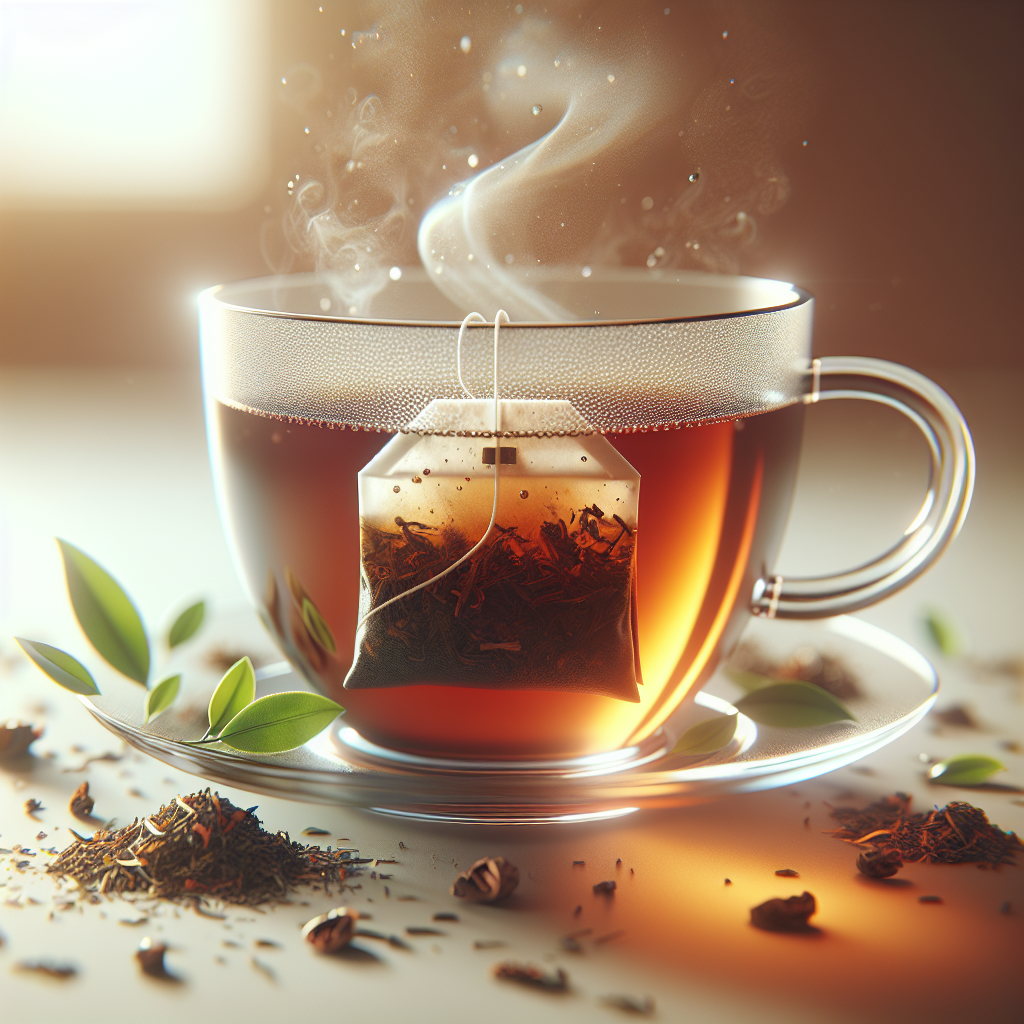
When photographing decaf tea, natural lighting enhances the amber and green tones beautifully. Capture steam for a feeling of warmth and calm, underscoring the relaxing theme of this beverage.
Environmental and Ethical Considerations
Conscious consumers increasingly ask about sustainability in decaf tea production. CO₂ and water-based methods are considered eco-friendlier than chemical routes. Many tea estates also integrate renewable energy and organic cultivation for their decaf lines. Choosing Fair Trade or Rainforest Alliance–certified decaf tea supports ethical farming practices and community development in tea-growing regions.
For additional insights into sustainable cultivation methods, you can visit the Tea Association of the USA or read about international farming standards on the Fairtrade Foundation.
Integration Into Lifestyle
Decaf tea fits seamlessly into modern lifestyles centered on wellness and mindfulness. Business professionals replace their second afternoon coffee with a cup of decaf green tea to avoid the crash. Athletes use it to hydrate after workouts. Parents find it helps balance hectic routines by providing a soothing pause without overstimulation.
Practical Habit Shifts
Start by keeping a selection of decaf tea near your workspace or study area. Use it as a break ritual—five minutes for steeping and breathing. Even small changes like this help anchor stress management into everyday routines. Rotate between different decaf flavors to keep things interesting and nutritionally diverse.
Learn More About Tea Culture
For those who wish to dive deeper, check out Tea History and Tea Cultivation. These internal resources explore the origins of global tea culture and how traditions have influenced decaf tea appreciation across generations.
Quick Facts About Decaf Tea
- Average caffeine content in decaf tea: 2–5 mg per cup (compared to 30–50 mg in normal tea).
- Best stored in airtight containers away from light and moisture.
- Can be used for cold brews or iced tea without bitterness.
- Mixes well with lemon, mint, or small amounts of honey.
- An effective swap for those reducing caffeine gradually.
Frequently Asked Questions
Is decaf tea completely caffeine-free?
No, decaf tea still contains trace amounts of caffeine—typically about 2 to 5 milligrams per cup. While that’s insignificant for most drinkers, those with severe sensitivity should note that it isn’t entirely caffeine-free. The amount can vary depending on the decaffeination process and tea type.
What is the healthiest decaf tea variety?
The healthiest option often depends on personal goals. Decaf green tea is rich in antioxidants and gently detoxifying, while decaf black tea provides depth and potential heart benefits. If relaxation is your priority, herbal decaf blends like rooibos or chamomile are excellent. Always look for organic and CO₂-decaffeinated options for purity.
Can decaf tea help with sleep?
Yes. Because decaf tea contains minimal caffeine and retains theanine—a compound linked to relaxation—it supports better sleep when consumed in the evening. Light varieties such as decaf green, chamomile, or rooibos tea soothe nerves and promote a calm state ideal for preparing the body for rest.
How is decaf tea different from herbal tea?
Decaf tea starts from true tea leaves—Camellia sinensis—where caffeine has been removed. Herbal teas, however, come from herbs, flowers, or fruits and are naturally caffeine-free. Both offer diverse flavors, but decaf tea retains more of the traditional tea taste profile, such as slight tannins and earthy undertones.
Can I brew decaf tea cold?
Absolutely. Decaf tea can be cold-brewed for a smoother, naturally sweet beverage. Steep the leaves in cold filtered water for 6–8 hours in the refrigerator, then strain. This method minimizes bitterness and is perfect for summer refreshment. Decaf green or black teas work particularly well for cold brews.
Is decaf tea suitable for pregnant women?
Yes, in moderation. Since the caffeine content is extremely low, decaf tea is often considered safe during pregnancy. However, it’s wise to consult a healthcare professional about specific herbal ingredients. Many expecting mothers find decaf black or rooibos teas to be comforting and hydrating alternatives.
Does decaf tea lose its antioxidants?
Some antioxidants are reduced during decaffeination, but most remain intact—especially in CO₂-decaffeinated varieties. Decaf tea continues to deliver valuable polyphenols, which help combat oxidative stress. Choosing trusted brands with minimal processing ensures you still receive substantial health benefits.
How should I store my decaf tea to maintain freshness?
Keep decaf tea in an airtight, opaque container away from light and humidity. Avoid refrigeration, as fluctuating temperatures can dull aroma. Proper storage preserves those delicate essential oils, maintaining the tea’s gentle flavor profile for months.
Can I drink decaf tea on an empty stomach?
Yes, though if you’re sensitive, choose lighter decaf green or herbal teas to prevent any mild acidity discomfort. Many drinkers enjoy decaf tea first thing in the morning as a soft wake-up ritual that hydrates the body before breakfast.
Ultimately, decaf tea invites us to enjoy tea’s centuries-old pleasure in a modern, balanced way—refreshing, aromatic, and caffeine-conscious, it allows all tea lovers to indulge at any hour with peace of mind.


Leave a Reply