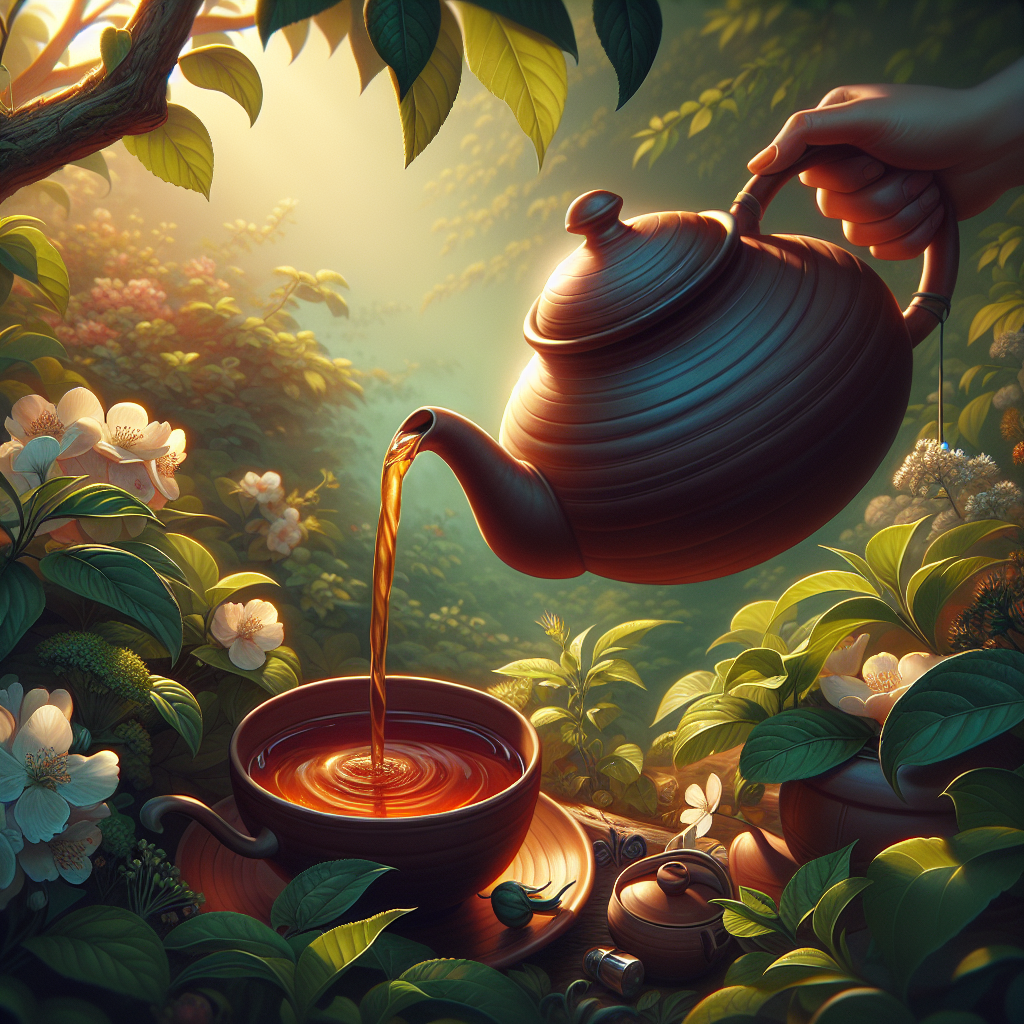
The tea world is an ever-evolving blend of tradition, science, and sensory discovery. From the misty hills of Darjeeling to the serene gardens of Kyoto, people have been captivated by the art of brewing leaves for centuries. In today’s global culture, the tea world has grown far beyond basic green and black varieties—it encompasses herbal infusions, specialty blends, sustainable farming, and mindful rituals. This guide explores the benefits, quick facts, and finer details of what makes the tea world an indispensable part of daily wellness routines and cultural heritage.
Tea is not merely a drink—it’s a living story in a cup. The tea world reflects intricate craftsmanship, health awareness, and cultural expression. Whether you’re a beginner curious about loose-leaf brewing or an enthusiast seeking rare oolongs, understanding the depth of the tea world enhances the experience. This article helps you navigate its layers, from sources and benefits to preparation techniques, pairings, and sustainability approaches.
Understanding the Tea World
The tea world revolves around one plant—Camellia sinensis—but what emerges from that single species is an astonishing diversity of flavors, aromas, and health benefits. Environmental factors, processing methods, and regional traditions influence every sip. For instance, a tea from the mist-covered slopes of Fujian contrasts dramatically with one from Kenya’s red soils. This diversity fuels the global fascination with the tea world.
Major Regions and Their Characteristics
Each region contributes unique notes to the tea world. China’s ancient tea-growing heritage shines with delicate whites and earthy pu-erhs. Japan emphasizes precision in its green teas like matcha and sencha, while India’s bold Assam and floral Darjeeling highlight distinct terroirs. Africa’s presence in the tea world grows with Ceylon-style leaves and rooibos infusions from South Africa, adding breadth to international tea culture.
- China: The birthplace of tea, focusing on diversity and traditional craftsmanship.
- Japan: Known for finely milled green teas and formal tea ceremonies.
- India: Renowned for robust and brisk black teas, often used in blends like chai.
- Africa: A rising star, offering bright, strong flavors and innovative farming approaches.
Health Benefits of the Tea World
One of the greatest appeals of the tea world lies in its scientifically backed health advantages. Tea contains polyphenols, catechins, L-theanine, and antioxidants—all known for promoting wellness. While tastes differ, nearly every tea type helps in some aspect of mental alertness, heart care, or stress moderation.
Antioxidant Power and Detoxification
The antioxidants present in green and white teas act as natural cleansers, reducing free radicals in the body. In the tea world, matcha holds special significance for its concentrated nutrition. Research indicates daily tea drinkers often experience improved metabolism and cardiovascular health when paired with balanced eating habits. Even darker teas, like pu-erh, show positive effects on lipid metabolism and liver detoxification.
Energy and Calm Balance
Unlike coffee, tea delivers energy through moderate caffeine combined with L-theanine, producing an alert yet calm state. This unique combination defines why the tea world remains a daily ritual for meditation practitioners, students, and professionals alike. It energizes without jitteriness and sharpens focus gently through sustained release of caffeine.
Digestive Health and Immunity
Herbal infusions within the tea world—ginger, peppermint, chamomile—relieve digestive discomfort and build immunity. Studies show these tisanes can soothe inflammation, support gut microbiota, and improve hydration. Regular intake fosters holistic body balance, which is why many cultures use tea therapeutically for minor ailments.
Quick Facts About the Tea World
To deepen understanding, here are concise insights that every enthusiast should know about the tea world:
- The same tea plant, Camellia sinensis, produces black, green, white, oolong, and pu-erh types; differences come from oxidation levels.
- More than three billion cups of tea are consumed daily worldwide.
- Tea cultivation contributes to sustainable livelihoods in over 30 countries.
- The tea world includes herbal blends, though technically “tisanes” are not true teas since they don’t contain Camellia sinensis.
- Temperature and steeping time significantly alter flavor and nutrient release.
- Loose-leaf tea generally contains more antioxidants than tea bags due to minimal processing.
The Cultural Significance of the Tea World
Beyond its health aspects, the tea world is a profound source of connection and culture. Across centuries, it has influenced diplomacy, social gatherings, and artistic traditions. The Chinese gongfu ceremony, the Japanese chanoyu, and the British afternoon tea each interpret mindfulness through a shared beverage.
Tea Ceremonies as Living Art
In the structured rituals of Japan, the tea world becomes a performance of grace and intention. Precision of movement and appreciation of aesthetics represent harmony, purity, respect, and tranquility. Chinese tea ceremonies, conversely, focus on the appreciation of aroma and water purity. Both forms remind us that the tea world is as much about presence as taste.
To explore detailed insights about tea ceremonies, see Tea Ceremonies on teastory.blog, which examines regional variations and symbolism in depth.
Global Influence and Modern Adaptation
In modern society, the tea world expands through fusion flavors and ready-to-drink innovations. Bubble tea, kombucha, and cold brew teas have become part of urban café culture. Yet, traditional loose-leaf markets still thrive, promoting craftsmanship and sustainable sourcing. Tea festivals held in London, Tokyo, and San Francisco unite both heritage lovers and experimenters under one global interest.
Exploring Types in the Tea World
The tea world can be categorized into main types, each defined by processing, flavor profile, and health value.
Green Tea: The Essence of Freshness
Unoxidized and light, green tea remains a cornerstone of the tea world. Its bright color and vegetal taste reflect minimal processing. Often sourced from Japan and China, varieties like sencha and longjing are rich in catechins, which aid fat metabolism and brain function. To maximize benefits, brew at 75–80°C for 2 minutes, avoiding bitterness.
Black Tea: Bold and Robust
Fully oxidized, black tea delivers a deep reddish hue and malty aroma. Assam, Ceylon, and Kenyan teas dominate this category. Within the tea world, black tea forms the base for blends such as English Breakfast and Earl Grey. Aside from pure enjoyment, black teas enhance heart health due to theaflavins and thearubigins, compounds shown to improve blood circulation.
Oolong and Pu-erh: Transformation and Complexity
Oolong lies between green and black, semi-oxidized and filled with floral aroma. Its partially fermented nature represents transition and refinement—a hallmark of the tea world. Pu-erh, aged in caves or cellars, develops rich, earthy depths loved by connoisseurs. Its probiotics aid in digestion and lipid breakdown, making it especially valued in digestive wellness traditions.
White Tea and Herbal Infusions
White tea, the least processed, symbolizes purity within the tea world. Its subtle sweetness appeals to those preferring gentler infusions with high antioxidant potential. Herbal infusions, though distinct, play a complementary role. Peppermint for cooling, hibiscus for vitamin C, and chamomile for relaxation demonstrate how the tea world connects plant science with wellbeing practices.
Brewing Techniques Across the Tea World
Mastering brewing techniques is vital. The tea world celebrates precision—a few degrees or seconds can transform taste and aroma.
- Water: Use filtered or spring water; minerals help extract flavor complexity.
- Temperature: Adjust according to leaf type; typically lower for green teas, higher for black and oolong.
- Time: Steep green teas for 2 minutes, oolong for 3–5 minutes, and black for 4–6 minutes.
- Teaware: Ceramic, glass, or clay materials each alter thermal retention and mouthfeel.
To learn about specific infusion ratios and vessel care, read more on Tea Recipe—a comprehensive internal guide to brewing perfection.
Modern Trends Shaping the Tea World
Innovation shapes how tea connects with new generations. The tea world moves toward health-functional beverages and ethical sourcing. Below are current movements defining its future.
Sustainability and Fair Trade
Consumer awareness pushes for transparency in leaf sourcing. Major tea producers implement initiatives ensuring fair wages and eco-friendly farming. Organizations like the Rainforest Alliance set standards that benefit both farmers and ecosystems. The tea world thrives when environmental stewardship aligns with ancestral farming wisdom.
Technology and Smart Consumption
Mobile apps now help track brew timing, and AI tools tailor recommendations based on caffeine needs or flavor preference. The modern tea world also explores biodegradable packaging and digital tea tastings bridging farmers directly with buyers—an example of tech blending with traditional pleasure.
Pairings and Everyday Use in the Tea World
Pairing tea with food enhances both culinary and aromatic experience. A well-balanced tea amplifies texture and taste harmony on the palate. In fine dining, the tea world often mirrors wine pairing principles.
Classic and Creative Pairings
Green tea complements seafood, salads, and citrus desserts. Black tea pairs with chocolate, roasts, or rich pastries. Oolong blends harmoniously with Asian cuisine, while herbal teas refresh palate post-meal. Some sommeliers craft infusion menus with regional teas, illustrating how the tea world enhances gastronomy across cultures.
Tea World Pairing Inspiration

Experimentation fuels discovery. Try a lightly fragrant jasmine with sushi to balance umami, or smoked lapsang souchong with grilled vegetables for smoky depth. Within the tea world, pairing equals creativity—an act of sensory play and thoughtful education.
Economic and Social Dimensions of the Tea World
The tea world supports millions of livelihoods globally. Farmers, blenders, exporters, and retailers create value chains that knit continents together. Economic impact reaches from smallholder gardens in Sri Lanka to high-tech producers in Taiwan. Beyond trade, tea acts as a social equalizer, offering a shared table regardless of background.
Community Development and Empowerment
In tea-producing regions, cooperatives improve education, invest in clean water, and champion women-led farms. These initiatives enrich the tea world both economically and ethically. Ethical certifications and direct trade ensure that producers gain fair representation in global markets—one sip at a time promotes global fairness.
Conclusion: Embracing the Tea World
To embrace the tea world is to immerse in mindfulness, health, and cultural beauty. Every cup tells a story—from seed to sip. Whether celebrating daily rituals or exploring ancient ceremonies, tea teaches us patience and sensory awareness. The tea world connects humanity in a simple, peaceful pause that crosses time and geography.
Frequently Asked Questions
What defines the tea world compared to coffee culture?
The tea world encompasses a broader sensory experience rooted in meditation, craftsmanship, and slow enjoyment. Unlike coffee, which emphasizes quick stimulation, tea symbolizes harmony between energy and calm. Its diversity—green, black, white, herbal—offers balanced experiences for every mood, connecting wellness, flavor exploration, and timeless culture while supporting sustainable communities.
How can beginners start exploring the tea world?
Start with accessible varieties like sencha, Darjeeling, and chamomile to experience major categories of taste. Keep the process simple: use fresh water, measure leaves carefully, and focus on mindful sipping. The tea world rewards curiosity; as skill grows, explore pure origin teas, learn temperature control, and attend tastings that reveal the subtleties of aroma and aftertaste.
Why is sustainability important in the tea world?
Sustainability ensures that the tea world continues to flourish without compromising future resources. Ethical farming minimizes pesticide use and preserves soil biodiversity. Fair-trade certification supports equitable wages and social programs for growers. By purchasing responsibly, drinkers play an essential role in protecting communities and ecosystems linked to this global beverage culture.
Which tools or teaware best represent the tea world?
Simple yet functional tools—like clay gaiwans, glass infusers, and temperature-controlled kettles—define the essence of the tea world. Each material subtly changes extraction quality and aroma. For beginners, experimenting with ceramic or glass teapots helps track color and steeping progress, enhancing overall understanding of brewing precision and appreciation of traditional designs.
What are the most health-promoting varieties in the tea world?
Green and white teas generally offer the greatest antioxidant concentration, while oolong balances benefits and flavor. Pu-erh supports digestion, and herbal infusions target specific wellness needs. Ultimately, balance is the key—diversifying intake promotes both enjoyment and health. The tea world proves that small, consistent habits yield cumulative physical and mental gains.
How does technology influence the modern tea world?
Technology brings smart convenience without sacrificing tradition. Online tea shops connect farmers directly with consumers, ensuring transparency in origin. Devices like temperature sensors and infusion trackers customize brewing precision. In the modern tea world, digital tastings, AR packaging, and sustainability apps build new pathways linking artisanal craft with contemporary lifestyles while preserving global diversity.
What role do rituals play in the cultural tea world?
Rituals preserve consciousness and aesthetic values within the tea world. Each ceremonial gesture—from bowing to slow pouring—emphasizes gratitude and presence. Beyond religion or class, tea rituals anchor societies through respect for simplicity. Observing rituals renews emotional balance, allowing individuals to reconnect with their senses amid modern distractions.
Can herbal infusions be considered part of the tea world?
Technically, herbal infusions or tisanes don’t derive from the Camellia sinensis plant but belong culturally within the tea world. They extend its philosophy of health, relaxation, and shared experience. Whether it’s peppermint for digestion or hibiscus for detox, the enjoyment patterns align, enriching the tea world with broader nourishment and discovery.



Leave a Reply