
Among life’s simplest pleasures, few rival the comfort of a well-made cup of tea enjoyed from a beautiful tea cup. This seemingly modest vessel has a history and purpose that extend beyond mere function—it’s an object of art, ritual, and sensory enhancement. Choosing the right tea cup can influence the beverage’s aroma, temperature, and overall experience, whether you prefer a modern design or a timeless porcelain piece. Understanding its construction, materials, and cultural significance can help transform your tea time into a mindful moment, blending practicality with personal style and appreciation.
For centuries, the tea cup has symbolized hospitality and calmness across various cultures, from Chinese tea ceremonies to British afternoon teas. Today, with different materials such as porcelain, ceramic, glass, and bamboo available, tea drinkers can choose according to their preferences and brewing methods. The subtle relationship between temperature retention, aesthetic appeal, and flavor balance becomes clear once you know how the shape and material of a tea cup affect the liquid it carries. Let’s explore these intricate details to ensure every sip you take feels refined and rewarding.
Understanding the Role and Design of a Tea Cup
The tea cup is more than an accessory—it is a vessel designed with precision to enhance the tea-drinking experience. Its shape, size, and weight influence how tea cools, how aromas concentrate, and even how one perceives flavor. The traditional teacup without a handle, used in many Asian cultures, encourages mindfulness in handling and sipping, while Western-style cups often include a handle for convenience and comfort.
The Historical Evolution of the Tea Cup
Originating in ancient China, the tea cup began as a small, handleless bowl. These early versions emphasized simplicity and tactile connection with the tea. During the Tang and Song dynasties, artisans crafted exquisite ceramic teaware, setting the foundation for modern tea culture. Later, the porcelain innovations from Jingdezhen in China influenced European production, leading to the famous British bone china designs. The global journey of the tea cup reveals how it adapted to cultural values—from delicate Japanese chawan bowls to ornate Victorian-era cups adorned with gold trims.
Modern Functionality Meets Aesthetic Appeal
Contemporary designs merge practicality with beauty. For example, double-walled glass tea cups preserve heat while showcasing the color of the infusion. Minimalist Scandinavian ceramics focus on texture and balance, appealing to a design-conscious generation. Many people now collect tea cups as part of lifestyle expression, using them not only for daily tea but also for interior decoration. Each design evokes a different mood—from a rustic handmade mug to an elegant translucent porcelain cup.
Materials: Choosing the Right Tea Cup for Flavor and Aroma
The material of a tea cup plays an essential role in temperature control and flavor preservation. Some materials interact with the tea’s tannins, subtly altering its taste. By understanding each option’s strengths, you can choose wisely for your preferred tea variety.
Porcelain and Bone China
Porcelain and bone china tea cups are known for their delicate, translucent quality and refined appearance. They’re ideal for most teas, particularly green, white, and oolong varieties, which benefit from gentle heat retention. Bone china, with its slight cream tint, offers a luxurious yet lightweight option that resists chipping. These types of cups are also easy to clean and maintain, preserving the purity of flavor. Their smooth surfaces allow tea to glide elegantly, adding a refined aesthetic to any tea ritual.
Stoneware and Ceramic
Stoneware and ceramic tea cups are durable and retain heat longer, making them perfect for black or herbal teas that need to stay warm. The porous texture of clay-based materials subtly interacts with tea oils, enriching the flavor profile. Artisans often glaze only portions of these cups to create rustic, handcrafted appeal. They’re heavier than porcelain, giving a comforting weight that complements a cozy, grounded atmosphere. Handmade ceramic pieces have become collector favorites among tea enthusiasts who appreciate artisanal craft.
Glass
Glass tea cups bring transparency to the tea-drinking experience, allowing one to admire the color of the brew. They are excellent for displaying flowering teas or layered latte-style beverages. However, most glass designs lose heat quickly unless double-walled. Borosilicate glass, used in high-quality models, can withstand both hot and cold temperatures. Cleaning glass tea cups is simple, making them versatile and aesthetic for modern tablescapes. They pair beautifully with contemporary glass teapots, creating a cohesive visual presentation.
Unique Combinations and Innovations in Tea Cup Design
Today’s market also features hybrid materials—metal rims for durability combined with ceramic or bamboo inserts for insulation. Travel-friendly infuser tea cups integrate strainers for convenience. Designers are reinventing the traditional tea cup to match changing lifestyles, creating eco-friendly options made from recycled materials or biodegradable bamboo fibers. These designs demonstrate how sustainability and technology can coexist with elegance and function.
Tea Cup Size and Shape: How They Affect the Tea Experience
Size and shape aren’t merely stylistic; they determine aroma concentration, cooling speed, and how the beverage feels on your lips. Understanding these nuances can transform how you perceive and enjoy tea.
Small vs. Large Tea Cups
Smaller tea cups, typically used in Asian traditions, emphasize savoring tea in controlled portions. They encourage repeated brewing and attentive tasting sessions. Large cups, popular in Western customs, are suited for prolonged sipping or pairing with milk and sugar. The choice depends on the tea’s strength and the desired rhythm of the experience. Smaller cups retain hotter temperatures for shorter durations, while larger ones may cool faster on the surface but hold more liquid.
Shape Matters
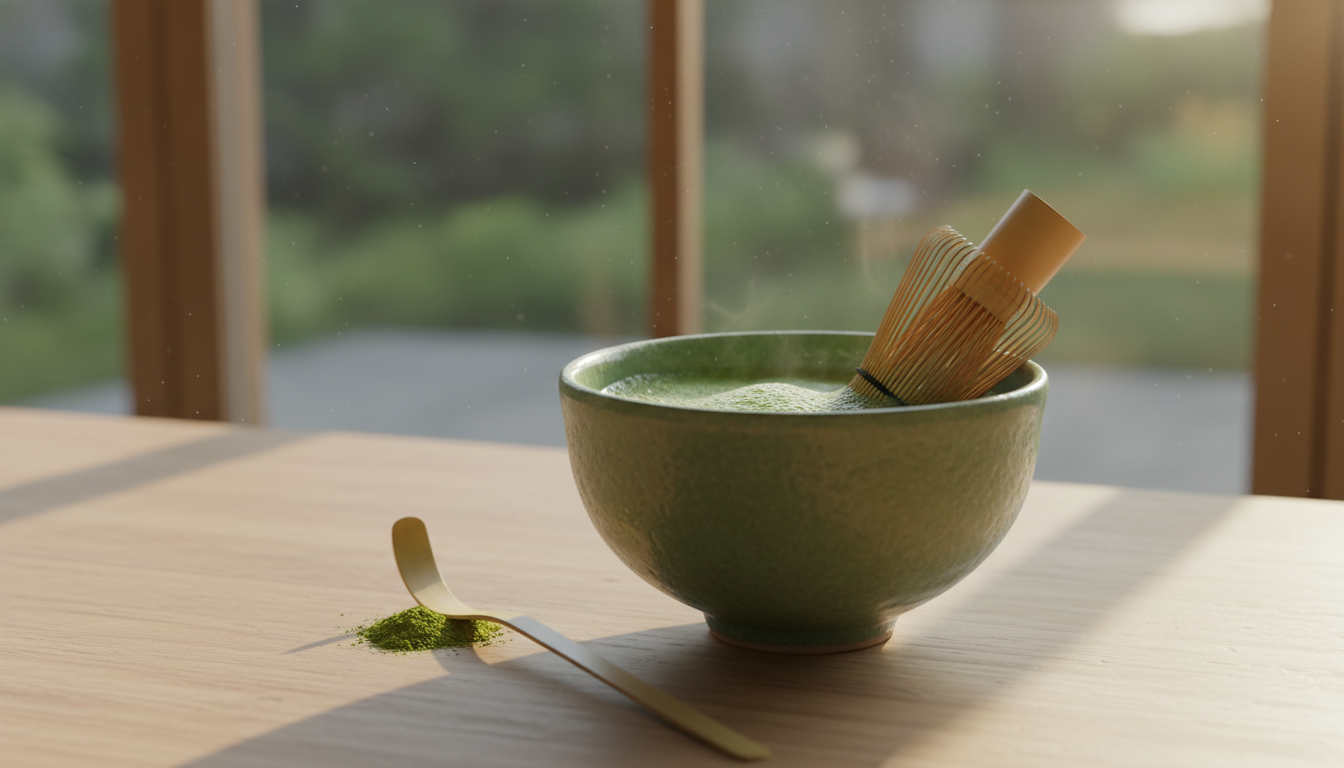
Rounder cups concentrate aroma at the top, enhancing the olfactory experience—ideal for floral and scented teas. Flared lips help distribute heat evenly, while narrow openings keep steam contained. Straight-sided tea cups offer a modern silhouette and uniform temperature dissipation. Matcha bowls (chawan) feature a wide opening and low profile to whisk tea efficiently. Each contour subtly shifts the tactile and sensory perception of what otherwise seems a simple drink.
Tea Cup Etiquette and Cultural Influence
Cultural customs shape how one holds, serves, and appreciates a tea cup. While etiquette varies globally, the fundamental principle remains respect—for the beverage, for others, and for oneself.
Eastern Traditions
In China and Japan, the tea cup is often small, handleless, and served with two hands as a sign of gratitude. Heating the cup before pouring tea is considered proper, maintaining temperature and honoring the drink. Japanese matcha ceremonies emphasize mindfulness—each motion is deliberate, reflecting harmony and purity. Observing these traditions helps modern tea drinkers slow down and reconnect with the moment.
Western Traditions
European tea etiquette developed around social refinement. The British custom of holding the tea cup by the handle and pairing with saucers signifies grace. One should not extend the pinky—it’s a myth from caricatured manners rather than actual etiquette. Afternoon tea culture revolves around pairing small pastries and light conversation. Proper etiquette encourages resting the cup back on the saucer between sips and never swirling the spoon inside the cup.
Cultural Symbolism of the Tea Cup
The tea cup symbolizes unity, balance, and hospitality. In many Asian cultures, it signifies peace and contemplation. In Western art, it often represents civility and gathering. Collectors view vintage tea cups as family heirlooms reflecting heritage and craftsmanship. Throughout history, the tea cup’s symbolism remained consistent—it’s an emblem of connection, serenity, and shared experience.
Practical Care and Maintenance of Your Tea Cup
Taking care of your tea cup ensures longevity and purity of taste. Proper cleaning, storing, and handling prevent bitterness and staining and preserve the cup’s material integrity.
Cleaning Tips
Always rinse your tea cup immediately after use to prevent residue buildup. For porcelain and glass, a soft sponge and mild detergent work best. Avoid harsh scrubbing that may dull glazed finishes. For ceramic or clay cups, gently wipe with warm water, as detergents might affect the porous material and future tea flavor. Occasionally, baking soda or lemon juice can remove stains naturally. To maintain brilliance, air dry instead of wiping, which may leave fibers behind.
Storage and Handling
Store your tea cups in a clean, dust-free environment, preferably on an open shelf away from direct sunlight. Stacking should be minimal to prevent chipping. For delicate bone china, consider padded separators. If using glass or ceramic cups daily, inspect regularly for small cracks that could impact strength and safety. Display collections with pride—they can become conversation starters and reflections of personal taste.
Health and Psychological Benefits of Drinking Tea in a Tea Cup
Beyond taste, the tea cup contributes to the tea experience psychologically and physiologically. Drinking from a thoughtfully chosen cup promotes mindfulness and calm—a tactile ritual that enhances daily wellness.
Temperature Retention and Comfort
A proper tea cup keeps tea warm just long enough without burning your hands. The warmth itself can have a therapeutic effect, relaxing the nerves and alleviating minor tension. Studies suggest that holding a warm cup can increase feelings of kindness and social connection. Thus, the physical act of holding a tea cup is intertwined with emotional comfort.
Sensory Stimulation and Focus
The smooth rim of a well-designed tea cup guides the liquid flow gently over the tongue, enhancing sensory awareness. The aroma concentration provides subtle stimulation, helping improve focus during study or work. When the hand meets the curved surface, it grounds the body and mind. Such multisensory harmony often forms part of tea meditation practices around the world.
Practical Example: Office and Home Wellness
Having a personal tea cup in your workspace can create small mindful breaks. Employees who shift from disposable cups to ceramic or glass often report higher satisfaction and reduced stress. The ritual of pouring tea, pausing, sipping, and feeling the cup’s warmth delivers tangible wellness benefits. This simple switch demonstrates how a tea cup can quietly influence mental health positively.
Collecting and Appreciating Tea Cups
For many, collecting tea cups becomes a lifelong hobby rooted in appreciation for design and heritage. Collections often narrate personal history through styles, makers, and cultural contexts.
Starting a Collection
Begin by identifying the type of tea cup that captivates you—modern minimalist, antique, or cultural. Visit local antique markets or online artisan shops. Look for craftsmanship details such as glaze consistency, artist signatures, or kiln marks. Documentation enhances authenticity. Keep a small journal recording purchase dates and histories, turning the collection into a curated personal story.
Valuing Heritage and Emotion
Inherited tea cups often hold sentimental value transcending price. They carry family stories and generational continuity. Restoring vintage pieces requires gentle care—avoid strong detergents or extreme temperature shifts. Some collectors even use vintage cups only during special events to preserve integrity. Owning such pieces connects the drinker to an enduring lineage of comfort, artistry, and humanity.
Enhancing Your Tea Ceremony at Home
Turning everyday tea time into a personalized ritual starts with the right tea cup. You don’t need a formal setup; intention and consistency matter most. Designate a corner with soft lighting and minimal distractions. Select your favorite tea cup and associate it with relaxation. Over time, this ritual can build a strong mental cue for tranquility.
Pairing the Right Tea and Cup
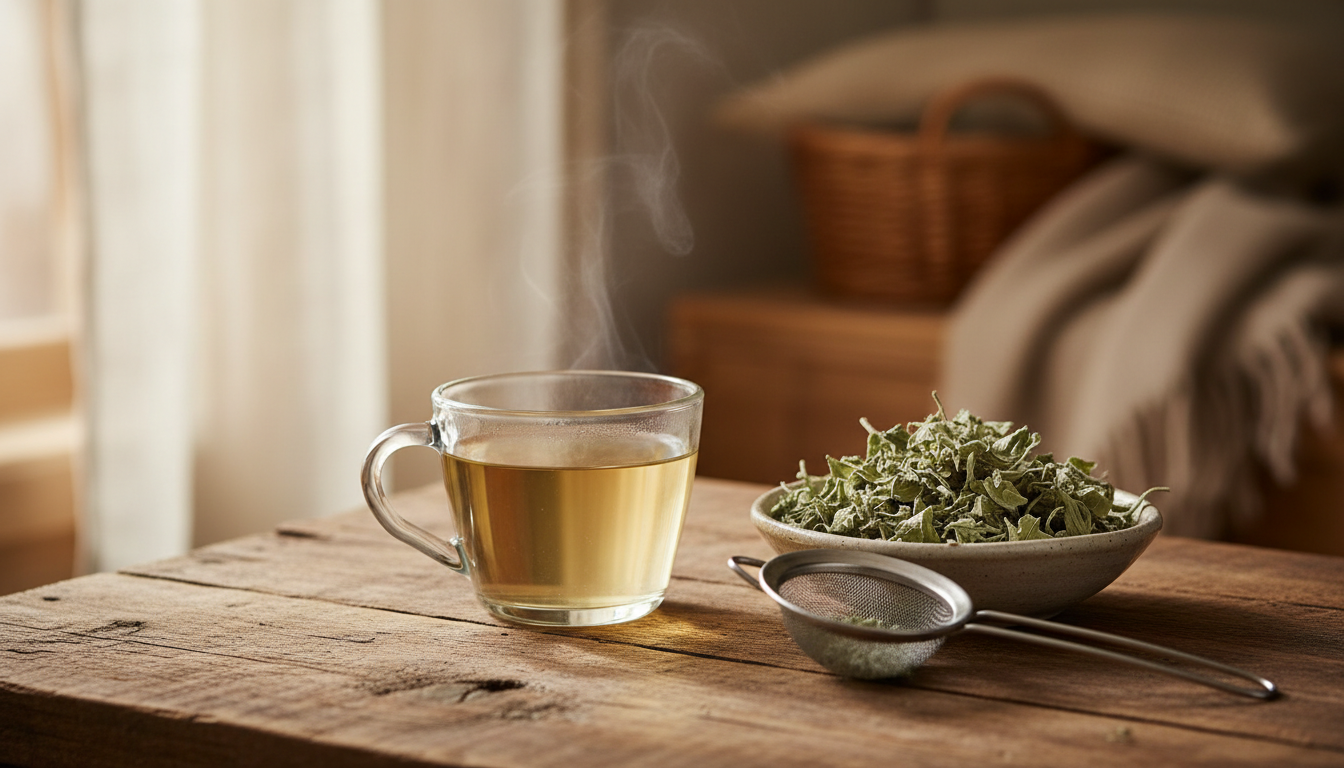
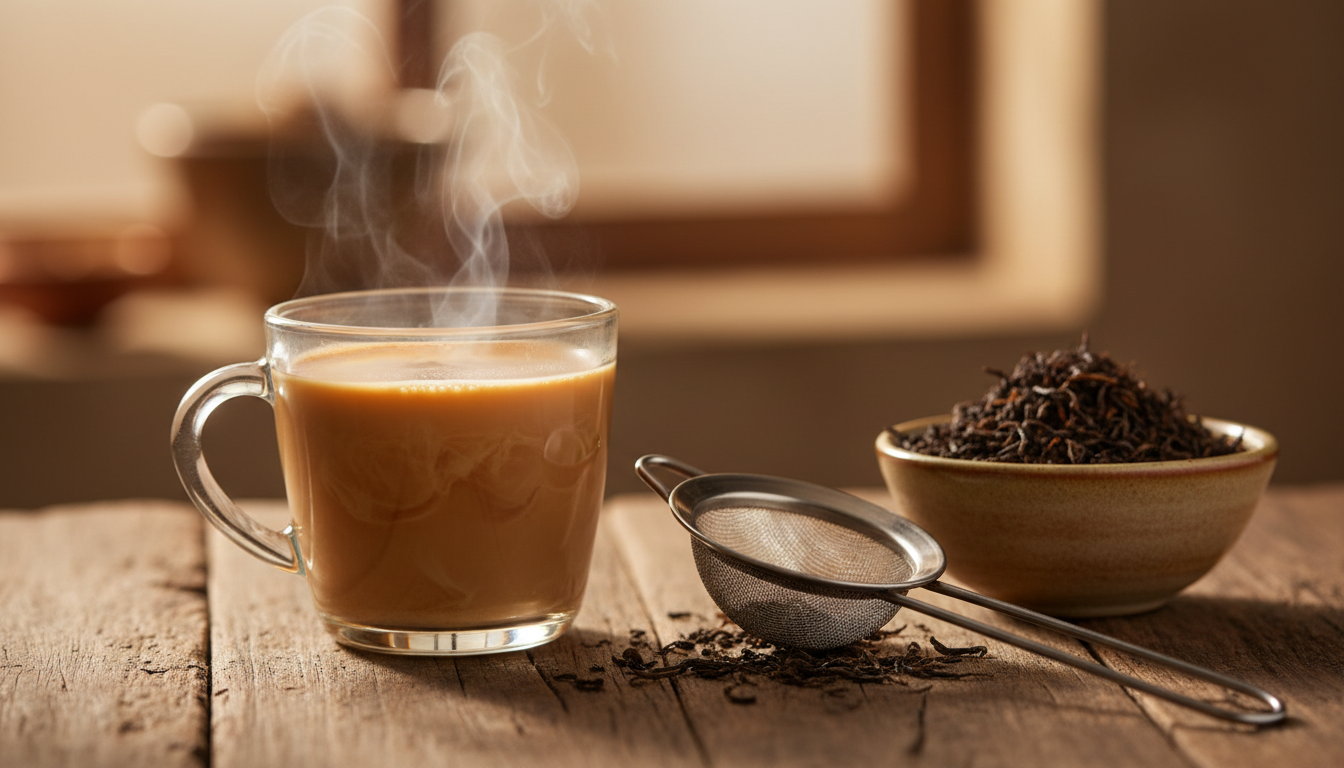
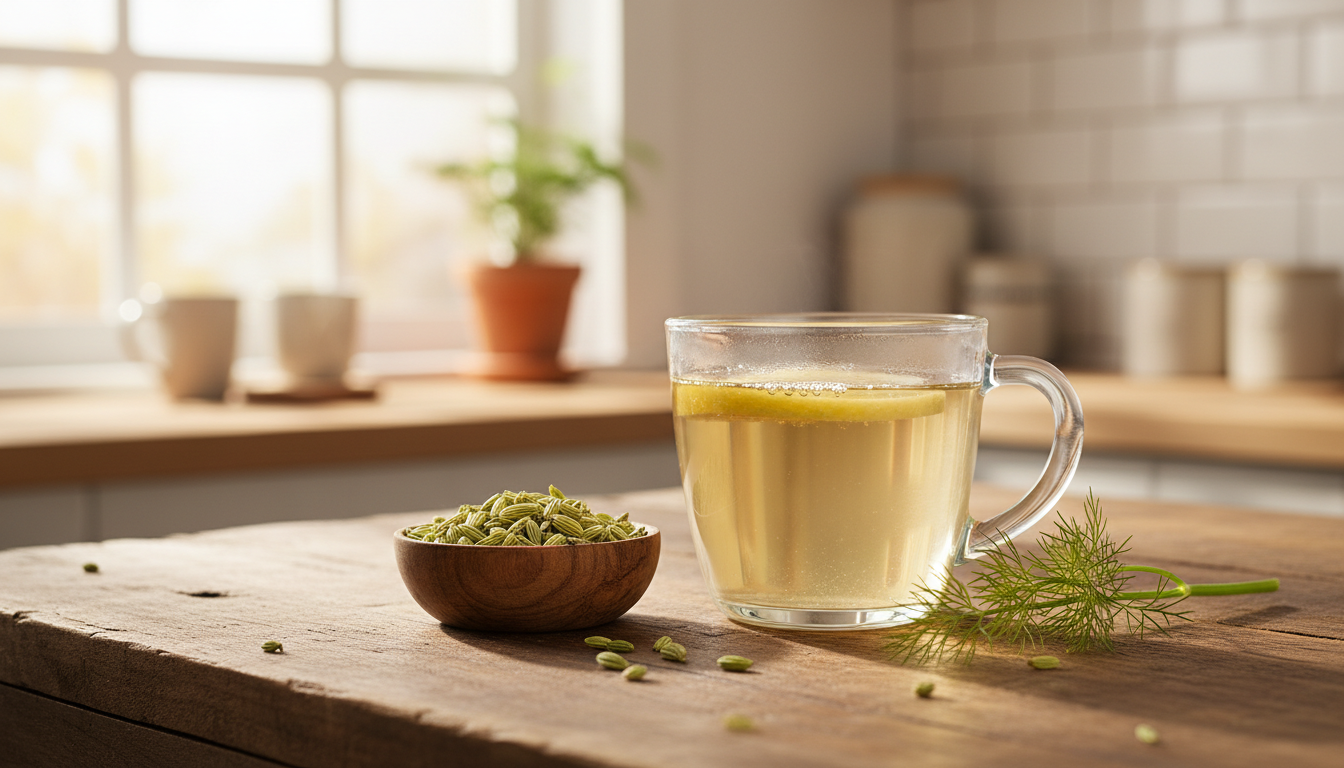
For green teas, light porcelain cups highlight subtle colors and aromas. Robust black teas shine in heavier ceramic vessels retaining warmth for longer sessions. Herbal infusions display beautifully in glass tea cups, allowing visual enjoyment of floating botanicals. Experiment with pairings to discover preferences, noting how each combination affects aroma, flavor, and mood.
Creating a Contemporary Tea Cup Experience
Blend old and new practices. Play soft music, add flowers, or use minimal table décor to emphasize the cup’s beauty. Photographing tea cups or displaying them on shelves celebrates artistry and mindfulness. A simple ceramic tea cup can become a symbol of balance and gratitude when integrated into daily structure.
Resources and Further Reading
To deepen your understanding of global tea culture and tea cup craftsmanship, explore educational resources. The TeaClass educational website provides structured lessons on tea etiquette and vessels. Similarly, Tea Association of the USA offers insights into material standards and sustainability practices in the tea industry. Internally, you can also read about Tea History and Tea Ceremonies on teastory.blog for culturally rich context.
Frequently Asked Questions
What is the best material for a tea cup?
The best material for a tea cup depends on the type of tea and desired experience. Porcelain and bone china are excellent for delicate teas like green or white since they preserve subtle flavors. Ceramic or stoneware tea cups hold heat longer, perfect for black or herbal teas. Glass is ideal for visual aesthetics, showing off the tea’s color. Each material balances durability, insulation, and tactile pleasure differently, so the ideal choice reflects both taste preference and lifestyle.
How does the shape of a tea cup influence taste and aroma?
The shape of a tea cup affects aroma concentration and temperature balance. Rounded cups trap steam, intensifying aromatic compounds, while flared shapes release more fragrance. A narrow rim helps maintain warmth, whereas wider rims allow cooling for leisurely sipping. The feel of the lip also matters—thin edges provide elegance, thicker lips comfort. The design shapes sensory interaction, subtly changing how the tea’s flavor is perceived. Therefore, choosing the correct shape enhances aroma appreciation and tactile satisfaction.
Why are some tea cups handleless?
Handleless tea cups, rooted in Asian traditions, encourage mindful engagement. Holding the cup directly makes the drinker sensitive to heat, leading to slower, more deliberate sips. It fosters appreciation of aroma, warmth, and presence. Such cups, commonly seen in Japanese or Chinese tea culture, represent balance and simplicity. They promote respect for craftsmanship and connection between person and vessel. The absence of a handle is intentional—it preserves authenticity and deepens the sensory experience of drinking tea.
Can a tea cup affect the temperature of the drink?
Yes, the tea cup’s material, size, and wall thickness determine how long your beverage stays warm. Porcelain retains heat moderately, ceramic longer, and glass cools fastest unless double-walled. Clay cups can even season over time, enhancing both insulation and flavor. Temperature affects not only comfort but also the chemical profile of the tea. The right tea cup preserves optimal warmth, keeping every sip balanced from beginning to end while maintaining sensory pleasure and practicality.
How should I care for a delicate tea cup collection?
Handle delicate tea cups by the body, not the rim or handle, to avoid stress points. Wash gently with mild detergent and avoid dishwasher use for antique or painted pieces. Dry on a soft towel and store individually if valuable. For display, ensure stable shelves away from vibration or sunlight to prevent fading. Occasional rotation helps inspect and preserve the pieces. Proper care prolongs their beauty and value, keeping your tea cup collection both functional and decorative.
What makes a tea cup suitable for everyday use?
An everyday tea cup should balance durability with comfort. Choose stoneware or porcelain that can withstand frequent washing and mild temperature variation. Prefer ergonomic shapes for comfortable handling and easy cleaning. Versatile designs suit both casual mornings and refined gatherings. Consider thickness: medium-weight cups retain warmth without being too hot to hold. Practicality, aesthetics, and sustainability together define an ideal everyday tea cup that complements both taste and routine effortlessly.
Can I use one tea cup for all types of tea?
While you can use one tea cup universally, matching the cup to the tea type optimizes flavor. Light teas like green or jasmine benefit from porcelain’s purity, while robust black teas love ceramic warmth. Glass highlights herbal infusions. Dedicated cups prevent flavor crossover, especially with porous clay materials that absorb aromas. Owning a few specialized cups enhances experience variety without overwhelming space. Versatility works, but mindful selection elevates daily tea enjoyment significantly.
Why do tea enthusiasts collect vintage tea cups?
Collectors value vintage tea cups for their artistry, history, and craftsmanship. Each piece reflects aesthetic trends and technological advances of its time. Vintage cups often bear delicate hand-paintings or manufacturer marks that reveal century-old legacies. Beyond monetary worth, they represent emotional connections—memories of family gatherings or inherited heritage. Collecting and using vintage tea cups turn drinking tea into a dialogue with tradition, merging nostalgia, design, and timeless pleasure in every serving.



Leave a Reply