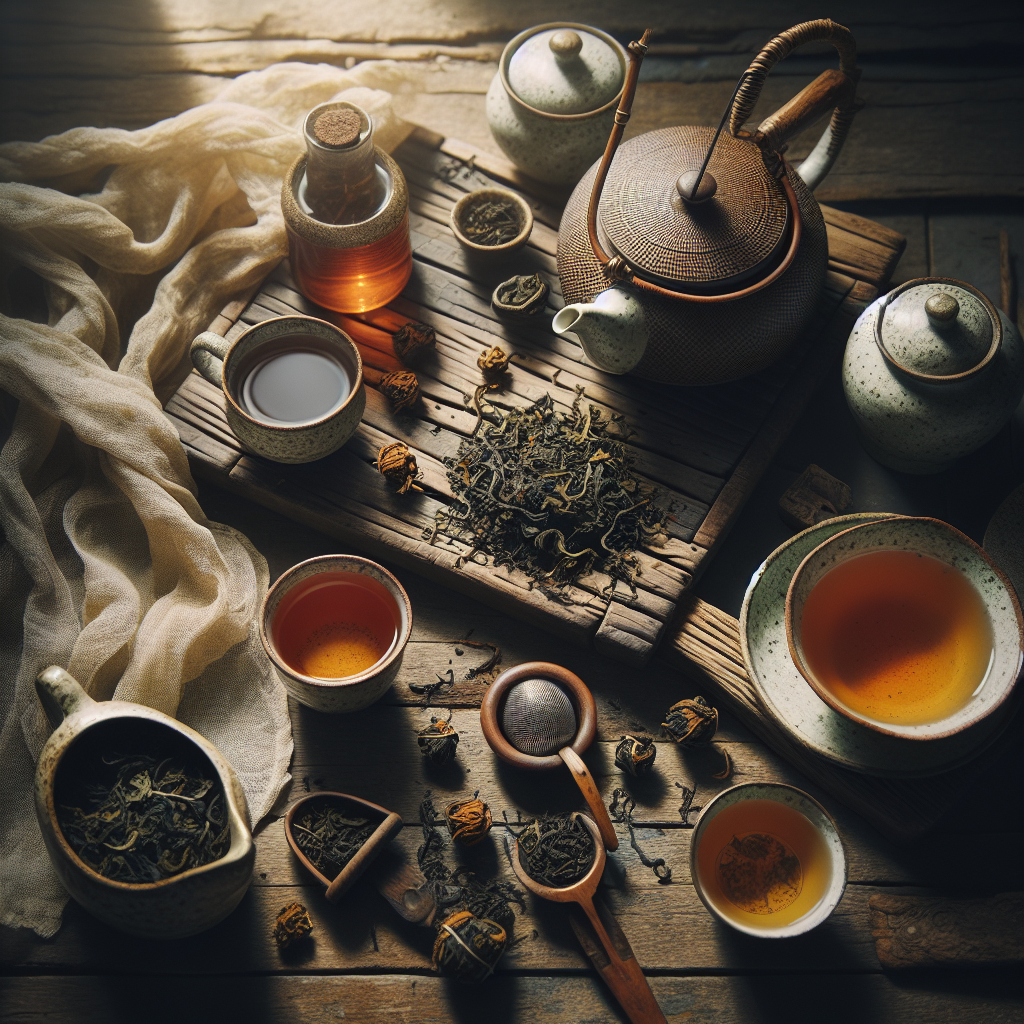
High in the Eastern Himalayas, among misty hills and rolling green terraces, lies the renowned tea estate that produces the sought-after temi sikkim. From its lush slopes, this tea brings together the rich cultural essence of Sikkim with the calm sophistication of fine leaf craft. Savoring temi sikkim is more than drinking a cup of tea—it is an immersion in heritage, soil, and mindful brewing. Whether you are a seasoned tea collector or new to high-altitude teas, understanding how to brew it right can elevate your experience far beyond an average cup.
The story of temi sikkim dates back to the late 1960s, when the local government took the initiative to promote sustainable livelihoods through high-quality tea cultivation. The result was a tea that balanced the briskness of Darjeeling with its own velvety texture and natural sweetness. To truly appreciate its subtle floral aroma and crisp undertones, it helps to know a bit about how it is grown, processed, and brewed. In the following sections, we explore the origins, tasting notes, and essential brewing tips that help bring the best cup of temi sikkim into your hands.
The Charm and Origin of Temi Sikkim
The Temi Tea Estate sits nestled between 1,200 and 2,000 meters above sea level in South Sikkim. The region’s cool climate, gentle fog, and rich loamy soil all contribute to the distinct character that makes temi sikkim so special. Established in 1969, this tea garden covers nearly 440 acres of some of the most scenic terroir in India, and its leaves are handpicked by skilled pluckers who maintain generations-old cultivation methods.
Unlike mass-produced teas, temi sikkim is produced in smaller quantities, ensuring each lot maintains a distinct flavor identity. The estate practices organic farming methods, avoiding chemical fertilizers and pesticides, which helps retain the natural profile of its leaves. These sustainable practices have not only preserved the quality of the tea but also encouraged agro-tourism, benefitting local communities and providing meaningful livelihoods in the region.
Geography and Climate Influence on Temi Sikkim
Temi Sikkim thrives because of its specific geographical and climatic conditions. The moderate rainfall and sharp temperature variations between day and night nurture slow leaf growth, resulting in deep complexity of flavor. The estate faces Mount Kanchenjunga, receiving gentle sunshine filtered through mountain mists that encourage the development of lush, tender leaves. This environment shapes the tea’s iconic fragrance—subtle floral hints interwoven with a fruity brightness that lingers on the palate.
The high elevation contributes to the development of fine pekoe tips with high theine content, offering both vibrancy and depth. Many tea experts compare the top-grade temi sikkim to first flush Darjeeling teas but often note a smoother and rounder character. This harmony makes it versatile enough to enjoy as plain black tea or with light sweeteners without overpowering its nature.
Savoring Temi Sikkim: The Sensory Journey
Drinking temi sikkim is a full sensory experience—from its brisk aroma to its textured mouthfeel. Each stage of sipping reveals something new, and understanding these subtleties amplifies appreciation. When brewed well, it displays a light amber color with shimmering clarity, hinting at both vitality and calm.
Tasting Notes and Aroma Layers
The first impression of temi sikkim is often that of a gentle muscatel note reminiscent of fresh grapes, followed by warm honey tones. A faint floral trace—frequently likened to magnolia or wild orchid—adds elegance. On the palate, the tea feels medium-bodied, delicately astringent yet velvety. These sensory layers change slightly with each harvest season, making temi sikkim a dynamic tea that invites exploration.
Connoisseurs often highlight its clean finish, distinguishing it from heavier Indian teas. It pairs particularly well with light snacks such as butter biscuits or puffed rice delicacies. When enjoyed without milk, one can better admire the nuanced sweetness and mineral balance derived from its soil.
How to Brew Temi Sikkim for the Perfect Cup
Brewing temi sikkim requires precision, patience, and respect for the leaf. The following method helps achieve an authentic experience:
- Use freshly filtered water. Avoid distilled water as it suppresses delicate aromatics.
- Measure roughly one teaspoon of temi sikkim per cup (about 2 grams).
- Heat water to 90–95°C (just below boiling). Pour gently over the leaves.
- Steep for 3–4 minutes for medium strength or up to 5 minutes for deeper notes.
- Strain immediately to prevent bitterness.
- Do not add milk in the first tasting; later, experiment if desired.
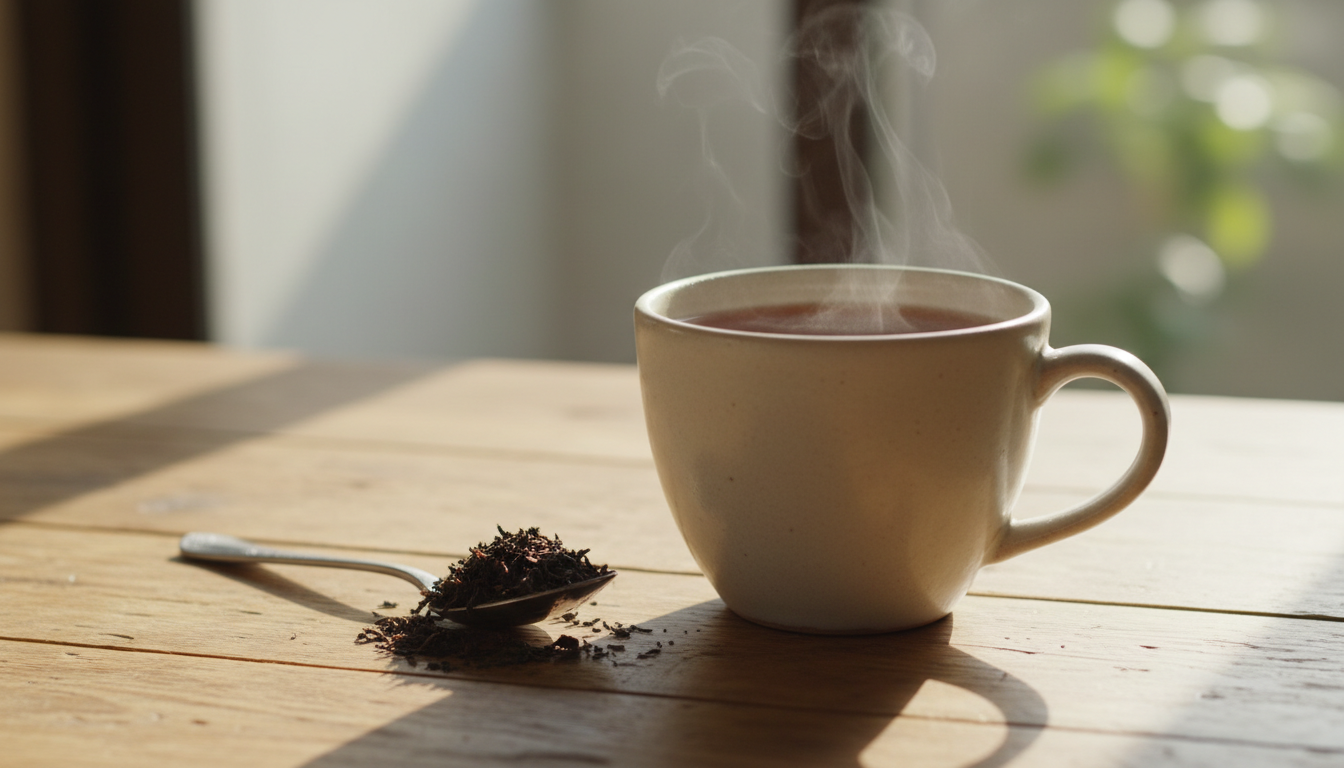
An image of the steeping cup, steam rising gently over amber brew, perfectly captures the soulful simplicity of temi sikkim.  Observing color development during infusion gives hints about its concentration; a bright copper hue signals an ideal balance between potency and smoothness.
Essential Brewing Tools for Temi Sikkim
Achieving the perfect infusion is partly about technique, but also about the right equipment. Even the best tea can lose nuance if brewed in an unsuitable vessel. Below are the most reliable tools enthusiasts use when preparing temi sikkim:
Choice of Teapot or Infuser
Porcelain and glass teapots are excellent for temi sikkim because they distribute heat evenly and allow visual appreciation of the infusion. A glass teapot brings aesthetic satisfaction, letting you watch the leaves swirl and unfurl gracefully. For individual servings, a stainless-steel infuser with ample space for leaf expansion provides control. It’s advisable not to overcrowd the infuser, as temi sikkim requires room for gradual flavor release.
Temperature Control Tools
Since temi sikkim oxidizes easily at improper temperatures, using a variable-temperature kettle or a simple thermometer significantly improves consistency. A brewing thermometer ensures that water stays below boiling, preventing harshness. If a dedicated kettle isn’t available, a practical trick is to let boiled water sit for about 45 seconds before pouring over the leaves.
Pairings and Serving Rituals for Temi Sikkim
Traditional Sikkimese practices emphasize mindfulness and community when serving tea. Sharing a pot of temi sikkim among guests symbolizes hospitality and warmth. Pairing the tea with certain foods or moments enhances its satisfaction level and cultural resonance.
Food Accompaniments
Temi Sikkim’s clean, floral profile complements desserts such as honey cake, light shortbread, or fruit tarts. Savory companions might include buttered toast with Himalayan honey or mild cheese boards. The gentle tannins balance rich flavors, cleansing the palate after each bite. Some travelers in Sikkim enjoy their temi sikkim with momos (steamed dumplings), citing how its brightness contrasts delightfully with spice and heat.
Serving Temperature and Time
Ideally, temi sikkim should be served between 60–70°C. Cooler temperatures let its bouquet unfold naturally. Avoid reheating brewed tea, as this ruins the fragrant oils. Mornings and early afternoons are perfect times for drinking, though an evening cup brewed lightly also pairs beautifully with tranquil reflection. Tea connoisseurs suggest keeping a separate brewing log to track variables—time, temperature, and water—to discover your most satisfying ratio.
Storage and Preservation Tips
Freshness is crucial for maintaining the signature flavor of temi sikkim. Although high-quality leaves can hold aroma for a year, exposure to air, heat, light, or moisture quickly diminishes their charm.
Packaging and Environment
Always transfer temi sikkim into an airtight metallic or opaque container instead of transparent jars. Keep it away from sunlight and strong-smelling foods like spices or coffee. Since tea leaves readily absorb odors, such proximity can distort the natural floral scent. Storing it in a cool cupboard rather than the refrigerator prevents condensation damage from temperature fluctuations.
Reviving Aged Temi Sikkim
If you find your stock slightly faded, try a gentle reviving method: transfer leaves to parchment paper, spread evenly, and warm them in a low-heat oven (no more than 80°C) for 5 minutes. This light reactivation helps release leftover aromatics. However, note that the subtle high notes of temi sikkim are best enjoyed within six months of purchase, so smaller batches better maintain consistent freshness.
Health Benefits and Mindful Enjoyment
Beyond the pleasure of its taste, temi sikkim offers several health advantages. Its moderate caffeine level awakens the senses without inducing jitters, while amino acids like L-theanine create balanced calmness. Rich in antioxidants, it supports circulation and metabolism, making it a gentle morning companion or post-meal drink.
Mental and Emotional Wellness
Incorporating a temi sikkim ritual can act as form of daily meditation. The process of boiling water, measuring leaves, and waiting attentively allows one to slow down. Holding the warm cup while inhaling its floral scent helps alleviate mental fatigue. Many long-term drinkers note improved focus and less tension. By treating tea preparation as a mindfulness exercise, one aligns their rhythm to the tranquil pace of Sikkim itself.
Scientific Insights
Studies featured by the UK Tea & Infusions Association highlight how antioxidant-rich teas support heart health by combating oxidative stress. Temi sikkim, naturally high in catechins, shares these properties. Polyphenols also contribute to digestive comfort and mild detoxification. For deeper reading, the Tea Association of the U.S.A. offers overviews of clinical studies confirming similar benefits.
Buying Authentic Temi Sikkim
Due to increasing popularity, imitation products occasionally appear online. Learning how to identify genuine temi sikkim ensures both quality and ethical purchase.
Label Verification
Original packages from the Temi Tea Estate carry official Sikkim government seals, including batch numbers and organic certification logos. The tea appearance should show long, wiry leaves with silvery tips and an unmistakably crisp aroma. Anything overly powdered or with artificial fragrances likely indicates lower-grade blends. Supporting authentic sources contributes to local farmers and safeguards the heritage of Sikkim’s only tea estate.
Recommended Purchase Channels
You can source genuine temi sikkim through certified boutiques in Gangtok or trusted online platforms associated with the estate. Specialty stores that emphasize single-origin teas frequently stock it. Verify freshness dates and inquire about the year’s picking season—spring or second flush versions both carry unique notes worth exploring.
Integrating Temi Sikkim into Your Lifestyle
For those who appreciate sophisticated beverages but seek balance, temi sikkim offers an elegant bridge between flavor and wellness. Beyond daily drinking, enthusiasts use this tea as an ingredient in desserts and craft beverages, incorporating it into green smoothies, iced blends, or even savory sauce reductions.
Creative Recipe Ideas
To explore culinary versatility, steep strong-brewed temi sikkim tea, then blend it into chilled lattes with almond milk and honey. For a refreshing summer variant, prepare cold brew: steep 2 teaspoons of leaves in cold water overnight, strain, and serve over ice with a twist of lemon. These recipes retain antioxidants while refreshing the body.
Discover more creative ideas at Teastory Blog’s Tea Recipe section, where you will find additional pairings using Himalayan teas. Culinary experimentation encourages users to understand flavor dynamics while honoring artisanal craft.
Temi Sikkim and Tea Culture
Learning about the evolution of tea appreciation enhances enjoyment. You can deepen this understanding at Teastory Blog’s Tea History guide, which traces global tea traditions and Sikkim’s rising reputation for excellence. Integrating this cultural awareness transforms your morning brew into a historical dialogue connecting farmers, soil, and connoisseurs worldwide.
Conclusion: Savoring the Spirit of Temi Sikkim
To savor temi sikkim fully is to embrace patience, precision, and gratitude. Every cup represents the cooperative effort of Sikkim’s hills, laborers, and weather—factors aligned to express serenity in liquid form. By applying the right brewing methods, maintaining freshness, and serving with mindful care, you allow every fragrant note to unfold gracefully. Whether you enjoy it alone in quiet reflection or share it among friends, temi sikkim remains a taste of the Himalayas—pure, balanced, and deeply human.
Frequently Asked Questions
What makes temi sikkim different from Darjeeling tea?
While both grow in Himalayan climates, temi sikkim displays a rounder and smoother profile compared to Darjeeling’s sharp muscatel edge. It retains fine floral qualities but carries slightly fuller body due to Sikkim’s richer soils. The estate’s fully organic cultivation practices and limited production also make it unique. Many tea lovers enjoy combining both types to compare their subtleties, finding that temi sikkim best reflects the calm elegance of high-altitude craftsmanship balanced by understated sweetness.
How should I store temi sikkim for freshness?
To keep temi sikkim vibrant, store it in a cool, dry place away from moisture and direct sunlight. Use an airtight container—metal tins or vacuum pouches preserve aroma best. Avoid glass jars near spices because the tea may absorb odors. Never refrigerate loose leaves; temperature changes create condensation. If stored properly, temi sikkim maintains its fragrance for up to a year, though consuming within six months ensures optimal performance and the delicate floral tones that distinguish it from other regional teas.
Can I brew temi sikkim in cold water?
Yes, cold brewing temi sikkim creates a gentle sweetness and lighter body. Use twice the usual leaf quantity, let it steep in cold filtered water for 8–10 hours, and strain before serving over ice. The result is a refreshing drink with mild caffeine transparency and no bitterness. Cold brewing enhances fruity undertones, making it an ideal companion for summer afternoons or as a sugar-free alternative to iced beverages. Its clarity and balanced minerals shine in slow extractions.
Is temi sikkim caffeinated?
Temi sikkim naturally contains caffeine, though less than a typical cup of strong black tea. On average, an eight-ounce serving includes between 30–40 milligrams. Its balanced ratio of caffeine and L-theanine leads to calm alertness rather than a spike-and-crash energy pattern. This makes temi sikkim an excellent choice for focus-driven work sessions or mindful study breaks, offering clarity without restlessness. Moderation allows you to enjoy multiple cups daily while still maintaining steady hydration and well-being.
Where can I buy authentic temi sikkim directly from producers?
You can buy original temi sikkim from the Temi Tea Estate’s official outlets in Sikkim or reputable online stores that partner directly with the estate. Always check for authenticity seals and mention of Sikkim’s government verification. Sites that provide details about batch number and flush season demonstrate transparency. Buying certified packs ensures fair pricing for local workers and guarantees that you are savoring genuine high-grade leaves reflecting Sikkim’s unique terroir and ethical farming commitment.
What food pairs best with temi sikkim during afternoon tea?
During afternoon tea, temi sikkim pairs beautifully with light pastries such as butter cookies, lemon drizzle cake, or mild cheese tarts. Its brisk yet mellow undertone balances sugary flavors and clears residual oils on the palate. Avoid heavily spiced or smoked dishes that may overshadow its delicate fragrance. If you prefer savory items, plain scones or cucumber sandwiches are ideal. Through considered pairings, temi sikkim becomes a multi-dimensional experience connecting taste, aroma, and aesthetic pleasure.
Does temi sikkim offer health benefits?
Temi sikkim is rich in antioxidants like catechins and theaflavins, which help reduce oxidative stress and support cardiovascular well-being. Its mild caffeine content increases alertness while minimizing overstimulation. The tea’s natural minerals aid digestion, and regular consumption has been associated with improved focus due to L-theanine. Sipping temi sikkim daily fosters hydration and mindfulness, benefiting both body and mind. Combining healthy brewing habits with balanced diet amplifies its wellness impact and deepens appreciation of each aromatic infusion.
Can I mix temi sikkim with other teas for unique blends?
Experimenting with blending temi sikkim is both fun and insightful. It pairs smoothly with oolong or white tea for layered complexity, or with mild herbal infusions like lemongrass to accentuate freshness. The key is balance: retain at least fifty percent temi sikkim to preserve its signature aroma. Whether crafting breakfast blends or evening infusions, blending encourages exploration of flavor harmony. The result may reveal new subtleties and expand how you connect with Sikkim’s refined tea heritage.




Leave a Reply