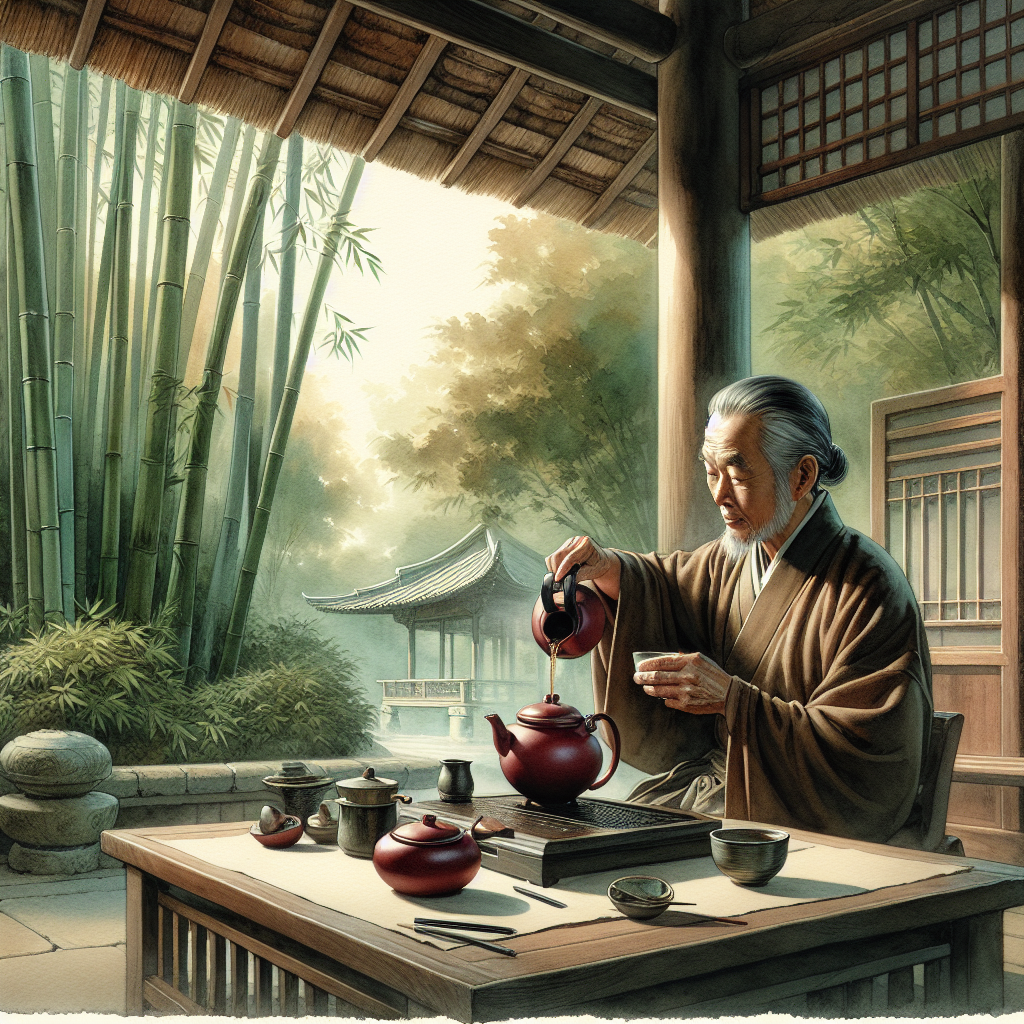
Discovering the path to becoming a tea master is both a personal journey and a cultural exploration. A tea master is someone who possesses deep knowledge, sensitivity, and respect for tea, its preparation, and the experience it evokes. Whether you are a tea artisan, an aspiring sommelier, or simply a tea lover aiming to master your brew, the art of tea mastery teaches patience, mindfulness, and refined taste. The allure of the tea master lies not only in the precision of their technique but also in their understanding of balance—of aroma, color, season, and the spirit of hospitality.
The world of tea is vast, fascinating, and rooted in centuries of cultural practice. Across China, Japan, India, and England, tea signifies grace and ritual. To embrace the essence of a tea master is to respect not merely the beverage but the way it connects people and traditions. This journey involves exploring regional tea varieties, mastering brewing temperatures, learning traditional ceremonies, and understanding the science behind extraction. More importantly, it involves cultivating sensory awareness—learning to listen to the subtle cues that quality tea leaves provide. Let’s explore how you can step into this timeless practice and draw benefits that pass well beyond the teacup.
Becoming a Tea Master: A Journey of Observation and Skill
Every tea master begins with curiosity. The motivation might stem from fascination with tea culture, a desire for mindfulness, or the love for taste craftsmanship. Mastery starts not in complexity but through mindful repetition. The essence of a tea master’s training is attentive practice—learning how water, temperature, and steeping time alter the infusion and aroma. Like calligraphy or kendo, mastery flourishes through simplicity perfected.
The Core Principles Behind Tea Mastery
A tea master approaches tea as an art form and a philosophy. Their principles blend observation, technique, and spirit. There are several essential components to master:
- Tea Variety Awareness: Understanding the difference between white, green, oolong, black, and pu-erh teas, and how oxidation, terroir, and harvest season shape their essence.
- Water Quality: The foundation of a great cup. A tea master evaluates the mineral content, pH balance, and even the warmth of water before brewing.
- Temperature Control: Each tea type requires unique temperature precision. For instance, Japanese sencha prefers lower temperatures to maintain umami, while Assam black tea benefits from near-boiling water.
- Aesthetic Harmony: From teaware choice to serving gestures, the tea master strives for beauty in every motion.
Essential Tips to Cultivate Your Inner Tea Master
While training under a certified instructor is ideal, anyone can cultivate discipline and sensitivity with dedication. The following tips can help elevate your daily practice and progress you toward true tea mastery.
Develop a Sensory Diary
Maintain a tea journal to record your observations. Note the tea’s aroma, texture, aftertaste, steep color, and emotional impressions. A tea master recognizes that the same tea can evoke new responses depending on the weather, water source, or even emotional state during preparation.
Master the Water
The water’s role cannot be overstated. Spring water is often preferred for its soft texture and balanced minerals. Avoid distilled or strongly chlorinated water. Experiment with different water sources and watch how they interact with the leaf. A dedicated tea master treats water as the “second ingredient” in every cup.
Learn the Traditional Teaware
China’s gaiwan, Japan’s kyusu, or Taiwan’s small yixing clay pot—each teaware style reflects local philosophy. The tea master chooses the vessel not for decoration but function. Porcelain emphasizes clarity and color, while clay enhances aroma and body. Rotating teaware deepens your awareness of material influence on taste. Explore more about traditional tea ceremonies to understand how form and ritual merge seamlessly.
The Philosophy Behind the Tea Master
At the core of tea mastery lies balance—not just technical skill, but emotional stillness. A tea master embodies respect, humility, and connection. These values emerge in every tea session, whether shared with guests or practiced alone. The philosophy layers deeply within three essential themes: mindfulness, artistry, and cultural preservation.
Mindfulness and Flow
Much like meditation, brewing tea allows you to anchor awareness. A tea master focuses fully on each movement—pouring, steeping, serving—without distraction. This meditative approach nurtures clarity, attention, and presence. Many people today turn to tea mastery as an antidote to digital noise. As the ritual slows time, it restores cognitive calm and sensory appreciation.
Artistry Through Simplicity
Tea artistry does not mean elaborate performance. A true tea master values restraint. The subtle tilt of a cup, the sequence of pouring, even the quiet pause before tasting—all convey grace. This understated artistry turns a simple act into a refined ritual. Through these details, both host and guest experience the poetry of connection.
Benefits of Learning from a Tea Master
Training under a tea master provides benefits beyond learning how to steep leaves. It shapes your concentration, patience, and appreciation for craftsmanship. Here are some transformative benefits that derive from following tea mastery principles:
- Holistic Well-being: Brewing becomes a daily mindfulness exercise that supports mental balance and relaxation.
- Sensory Awareness: Learning to detect subtle flavor notes improves palate sensitivity and appreciation of nature’s nuance.
- Cultural Understanding: Delving into ceremonial practices fosters respect for heritage and artistry.
- Community and Sharing: A tea master often inspires others, creating circles of trust and cultural exchange through tea gatherings.
Professional Advantages for Aspiring Tea Masters
The tea industry continues to evolve, offering opportunities for educators, sommeliers, and hospitality professionals. A tea master certification can enhance your expertise and career path in tea tourism, product curation, or sensory consultancy. As specialty tea trends rise globally, consumers seek authenticity and education, giving certified tea professionals an unique position in the market.
Tools and Teaware Every Tea Master Should Know
To brew with precision, a tea master relies on well-chosen instruments. Function, design, and cultural origin matter equally.
Core Brewing Essentials
- Gaiwan: Versatile for nearly all teas; it trains your senses in timing and heat control.
- Chawan (tea bowl): Deeply tied to Japanese tea customs, enhancing tactile appreciation.
- Fairness Pitcher: Used to distribute uniform liquor among multiple cups, ensuring consistency.
- Thermometer: A discreet but vital tool for honing temperature accuracy.
- Timer: Especially during learning phases; advanced tea masters later rely on intuition instead.
Teaware Aesthetics and the Tea Master’s Eye
Each tea master curates their teaware to reflect their style and philosophy. Some prefer rustic wabi-sabi simplicity, while others choose intricate porcelain artistry. Ceramics not only shape presentation but absorb flavors over time. A seasoned tea master knows that using the same clay pot consistently with one type of tea strengthens the leaf memory embedded in the vessel.
Cultural Heritage and Global Adaptations
From the Tang Dynasty to contemporary tea lounges, the figure of the tea master has guided tea’s evolution worldwide. While Chinese and Japanese traditions remain central, other nations have added unique perspectives—Korean darye’s quiet reflection, Moroccan mint tea’s hospitality, or British afternoon tea’s etiquette. Despite style differences, the foundational spirit remains—mindful brewing and gracious sharing.
Modern Tea Masters and Innovation
Many modern tea masters merge ancestral wisdom with sensory science. They analyze infusion ratios, adapt to sustainable design, and even collaborate with botanists. Technology assists without erasing the past: temperature-controlled kettles replicate hand-boiling precision. A tea master who embraces both craft and modernity ensures the continuity of quality and respect for the leaf.
Environmental Awareness in Tea Mastery
Ethical sourcing defines today’s responsible tea master. Beyond taste, one must consider farming integrity. Supporting organic cultivation and fair wages enhances the sustainability of this ancient art. To deepen your understanding of tea origins, explore sustainable tea cultivation methods. A conscientious approach honors both the farmer and the earth.
Training Paths Toward Becoming a Certified Tea Master
Several countries now offer structured education for aspiring professionals. Training combines sensory practice, botany, and cultural studies. Depending on your focus—Japanese tea ceremony, Chinese gongfu tea, or global tasting—you can find workshops or accredited programs. Institutions such as the Tea & Herbal Association of Canada and the UK Tea Academy offer recognized pathways.
Stages of Learning
The first stage refines basic brewing comprehension. The second emphasizes sensory calibration. The advanced level focuses on hosting, ceremony, and blending. A tea master must also study ethics, tea chemistry, and communication—to teach and share authentically.
Real-World Example of Progression
Take the case of Elisa Tan, who began as a café barista and pursued tea mastery after visiting Taiwan’s tea fields. Within five years, through internships and sensory training, she became a certified tea master offering lifestyle workshops in Singapore. Her story illustrates the attainable, evolving nature of modern tea craftsmanship.
Common Mistakes Beginners Make on the Path to Tea Mastery
Becoming a tea master involves patience. Many newcomers seek shortcuts but mastery grows through humility. The following common pitfalls can delay progress:
- Using water that is too hot or of poor quality.
- Oversteeping due to inattention.
- Neglecting to smell or view the tea before tasting.
- Collecting expensive teaware without functional understanding.
- Underestimating tea storage—light, heat, and moisture quickly degrade flavor.
Corrective Habits
Develop consistency. A true tea master learns to calibrate senses repeatedly. Always log adjustments, respect simplicity of execution, and reflect after each session. Over time, instincts mature; the process itself becomes your guide.
Visual and Media Inspirations
For those learning visually, a tea master often references ancient paintings and modern video guides that illustrate ceremonial etiquette. Observing how wrist movement aligns with the pouring arc or noticing breathing rhythm during preparation helps reinforce poise and grace. Even photography of tea setups can serve as reflective study—observe the quiet symmetry that every tea master cherishes. 
Conclusion: Living as a Tea Master Daily
True mastery goes beyond title. A tea master finds poetry in repetition and purpose in hospitality. Through daily ritual, mindful awareness, and respect for origins, tea becomes philosophy in motion. It’s less about perfection and more about presence—how you brew, share, and listen. You need not pursue a certificate to embody the essence of a tea master; small, respectful acts of attention transform ordinary sipping into an artful experience. The next time you prepare a cup, take a moment to breathe, observe, and appreciate—the quiet wisdom of the tea master within you has already begun to emerge.
Frequently Asked Questions
What exactly does a tea master do?
A tea master is a specialist who understands every aspect of tea—from leaf selection to infusion science and service etiquette. Their role encompasses teaching, hosting ceremonies, tasting evaluation, and maintaining cultural integrity. In modern contexts, a tea master may also advise cafés, curate menus, or train staff to improve service aesthetics. Beyond skill, the tea master symbolizes mindfulness and respect for nature’s rhythm through tea. Their influence extends past the teapot, shaping emotional and sensory experiences for those they serve.
How long does it take to become a professional tea master?
The timeline varies according to dedication and chosen tradition. For formal certification, programs often take one to three years, including practical and theoretical modules. Some traditions, such as Japanese chanoyu, view the learning process as lifelong. Even when credentials are earned, a tea master continues self-refinement indefinitely. Daily practice, attending field trips to tea farms, and participating in tasting groups ensure ongoing growth. Patience and curiosity are essential; mastery thrives through consistent application, not speed. Remember—becoming a tea master is a lifelong journey, not a finish line.
What are the benefits of training under a tea master?
Training under a tea master provides a firsthand appreciation of technique and philosophy. Students gain practical brewing mastery while learning grace, mindfulness, and hospitality. Additionally, it deepens sensory discernment—helping you detect subtle variances between cultivars or oxidation stages. The personal presence of a tea master allows correction of posture, pouring rhythm, and sensory timing, offering feedback that online materials can’t replicate. Beyond technical skill, mentorship offers valuable insight into cultural aesthetics and professional etiquette critical for aspiring tea hosts and sommeliers.
Can anyone become a tea master without formal training?
Formal certification isn’t mandatory. Many seasoned practitioners self-study through observation, travel, and participation in cultural events. The qualities that shape a tea master—patience, awareness, and discipline—can be developed independently. However, mentorship accelerates learning by providing perspective and structure. Those passionate can start small: brew mindfully, research origins, and document sensory notes. As understanding deepens, connecting with certified programs may enhance accuracy. Ultimately, a tea master’s spirit stems from curiosity and heart, not merely accreditation.
What tools are essential for an aspiring tea master?
Key tools include a gaiwan or kyusu teapot, fairness pitcher, thermometer, timer, and high-quality cups that enhance aroma. Select teaware based on tea type and functionality rather than decoration. For instance, a yixing clay pot retains heat for oolong, while porcelain maintains neutral taste. A digital scale helps maintain leaf-to-water ratio consistency. Seasoned tea masters sometimes use handmade or locally crafted teaware to personalize sessions. Whichever tools you use, treat them with respect and care—they are an extension of your intention as a tea master.
How does modern science influence the tea master’s craft?
Science enriches traditional methods by explaining extraction mechanisms, oxidation, and temperature effects. A tea master today often integrates data-based insights to refine brewing curves and flavor stability. Controlled equipment mimics precise heating once achieved only through intuition. Yet science complements art; it never replaces the sensory element. Understanding volatile compounds and antioxidants empowers tea masters to balance nutrition with taste. Technological support enables consistent results, crucial for commercial environments, without compromising artistry. Thus, a modern tea master harmonizes sensory wisdom and scientific precision alike.
Why is sustainability important to the tea master’s philosophy?
A key responsibility of the tea master is honoring both people and planet. Sustainable tea practices ensure that future generations can continue enjoying quality tea without environmental harm. Ethical sourcing, organic farming, fair labor, and reduced waste are integral to this ethos. By supporting sustainable growers, each tea master contributes to biodiversity and cultural continuity. Beyond brewing, they promote education and transparent trade. Environmental consciousness reflects harmony—the very principle tea embodies—linking personal mindfulness to global stewardship in a meaningful, enduring way.


Leave a Reply