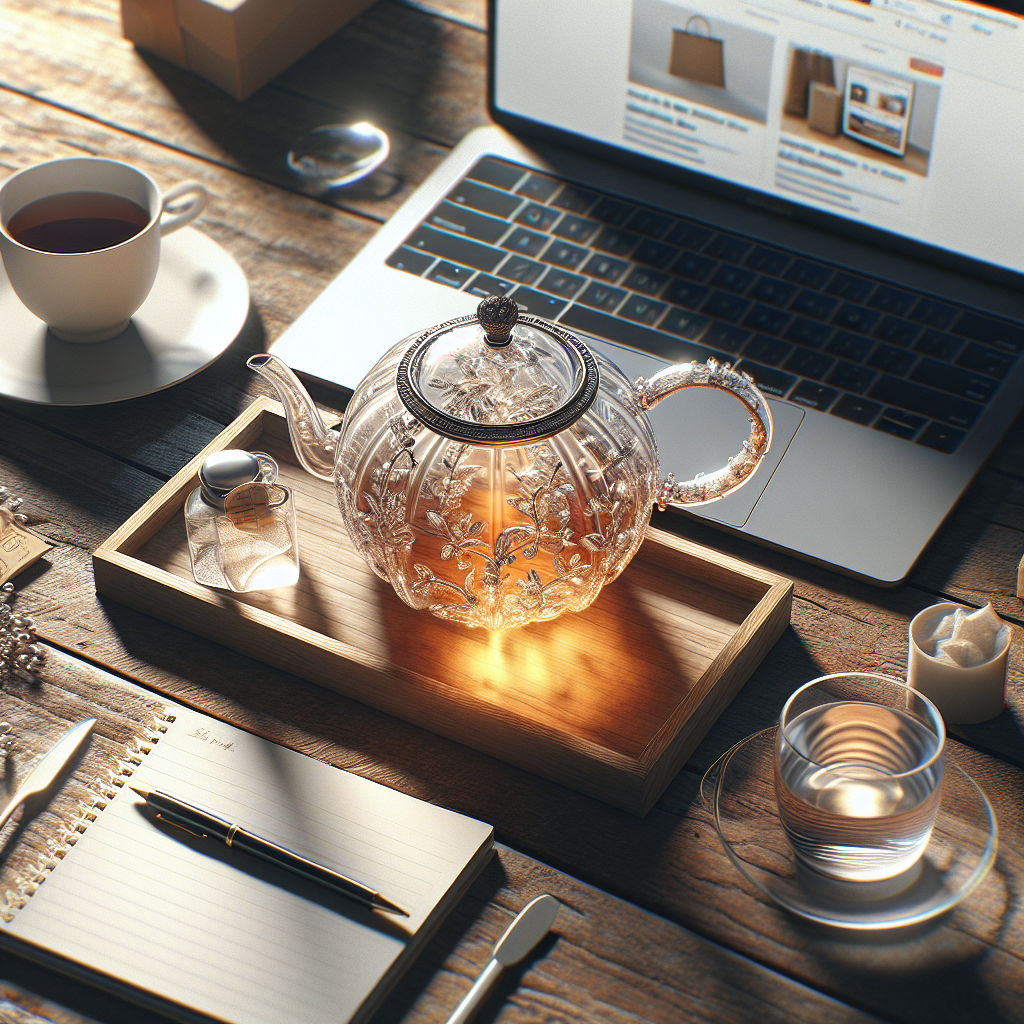
Shopping for a glass teapot is both a delightful and practical experience for anyone who values the ritual of tea. With its clean aesthetic, transparency, and functionality, this timeless item has become a favorite among tea lovers and casual drinkers alike. A well-made glass teapot allows you to observe the steeping process, appreciate the color of your brew, and enjoy a moment of calm while your tea infuses. Understanding how to select a reliable glass teapot, however, takes more than focusing on looks—it’s about materials, usability, and making a purchase that will serve you for years.
In today’s market, a glass teapot can be found in endless variations, from handcrafted borosilicate designs to modern double-walled versions that keep your tea hot longer. Yet, not every option offers the same durability or brewing performance. Whether you value artful craftsmanship or pure functionality, knowing what to look for matters. This guide will walk you through how to shop a glass teapot wisely, with trusted buying tips drawn from real-world experience, product research, and insights from tea enthusiasts and experts. We’ll also explore care tips, aesthetic considerations, and how to ensure your final choice enhances your tea culture at home.
Why Choose a Glass Teapot
For centuries, ceramic and cast-iron teapots dominated tea culture. The rise of the glass teapot represents a shift toward transparency and mindful brewing. Unlike opaque vessels, a glass teapot reveals the natural hues of your infusion, making the experience more visual and engaging. But its popularity isn’t just about appearance—it often indicates an appreciation for precision and modern simplicity.
Opting for a glass teapot is ideal for those who enjoy a variety of loose-leaf teas, flowering teas, or herbal blends. Because glass does not absorb flavor or aroma, it’s perfect for people who switch between tea types and want a neutral brewing vessel. This feature saves time on cleaning and ensures purity in each steep.
The Material Behind a Quality Glass Teapot
When choosing a high-quality glass teapot, start with the material composition. The best teapots are made of borosilicate glass—a special type of glass known for its heat resistance and clarity. This material endures quick temperature changes without cracking, making it essential for daily use when boiling water directly touches the surface.
Cheaper options might look similar but can contain soda-lime glass, which lacks thermal stability. A true borosilicate glass teapot will not only resist stress fractures but also maintain transparency for years. Vintage collectors often favor handmade borosilicate pieces because of their subtle imperfections that show craftsmanship. Brands such as TeaClass discuss the importance of using high-clarity materials that let you appreciate the beauty of tea leaves unfolding.
Essential Design Features to Consider
Beyond material, design ergonomics define how enjoyable your brewing experience will be. A well-structured glass teapot balances elegance with functionality. Some buyers focus primarily on looks but later realize that spout shape, handle position, or lid fit can make or break ease of pouring.
Handle and Spout Design
A sturdy handle provides safe grip even when the pot is full of hot liquid. Look for handles securely fused to the body rather than attached with visible adhesives. The pouring spout should produce a smooth flow with no dripping. A traditional gooseneck spout works well for larger leaves or fruit teas. The alignment between handle and spout ensures control when serving your guests.
Built-in or Detachable Infuser
Some designs incorporate a removable stainless-steel or glass infuser basket. While a detachable infuser makes cleaning simpler, others prefer the minimal look of a teapot that relies on loose infusion and an external strainer. Choosing depends on your tea habits—if you appreciate flower teas expanding in water, an open infuser-free design is ideal. If precision brewing is your goal, a fine-mesh infuser helps maintain consistency.
Size and Capacity of the Glass Teapot
Size matters more than most shoppers realize. A small 400 ml teapot suits solo tea breaks or quick infusions, while a 1.2 L version caters to gatherings or family tea sessions. The water-to-leaf ratio affects flavor profile, so keep your needs realistic. Bigger isn’t always better—larger volumes can cause over-brewing if you prefer multiple infusions using the same leaves. Experienced collectors often maintain different sizes to suit specific tea styles, a detail often discussed in tea literature like the guides on teastory.blog’s Tea Cultivation articles.
Usability and Heat Performance
A practical glass teapot should handle both aesthetic expectations and performance demands. One of its defining advantages lies in its ability to transition smoothly between temperature extremes. However, understanding the differences between stovetop-safe and serving-only models is crucial.
Stovetop-Compatible Models
Certain borosilicate teapots can be placed directly on open flames or induction surfaces using diffusers. This doubles their role from brewing to heating. If you choose a stovetop-safe glass teapot, verify whether it includes reinforced bottoms and strong handles. Always start heating with moderate flame and avoid sudden temperature jumps to prolong its lifespan.
Thermal Retention and Double-Wall Technology
A standard glass teapot loses heat faster than metal or clay variants. To counter this, some designs feature double-wall insulation, which keeps brews warm without burning hands. That extra layer also amplifies the visual effect of floating tea leaves. For extended tea sessions, using a warmer base or tea light stand under the pot helps preserve optimal serving temperature.
Buying Tips for the Perfect Glass Teapot
Shopping for the right teapot goes beyond comparing price tags. Trusted buying decisions revolve around verifying authenticity, build quality, and after-sales support. Use these actionable tips as you browse online or in stores.
- Seek reputable brands or artisan makers with transparent product details.
- Examine user reviews emphasizing durability and ease of cleaning.
- Confirm if replacement parts like lids or filters are available.
- Check the return policy, especially for fragile items.
- Prefer models with warranty coverage when possible.
Comparing Online vs. In-Store Purchases
When buying a glass teapot online, product photography can be deceiving. Look for close-up images, specifications, and verified seller ratings. In-person purchases allow tactile inspection—check the smoothness of joins, lid fitting, and balance. If you’re choosing from luxury collections, compare in-store craftsmanship before deciding. Hybrid approaches, such as researching digitally and confirming quality in person, yield the best outcomes.
Budget Versus Longevity
The most affordable glass teapot may not be the best investment. Thin-walled or low-cost options often scratch easily and chip under heat variations. Instead, think long term. A mid-range borosilicate teapot can last several years. The upfront cost quickly pays off in flavor consistency and safety. To manage your expenses, consider whether you need extras like matching cups or integrated infusers. Minimalists often prefer classic standalone styles that remain timeless.
Real Example: The Collector’s Choice
Tea collectors often showcase how a thoughtful purchase enhances their tea rituals. For instance, a hobbyist who upgraded from a regular ceramic pot to a 900 ml borosilicate glass teapot found improved visibility and brewing control. Observing oolong leaves unfolding became part of the enjoyment. The collector documented the process, proving that visual engagement deepened appreciation toward the aroma and leaf quality.
Maintenance and Cleaning Techniques
To maximize longevity, proper maintenance is essential. Though glass resists flavor absorption, limescale and tea stains may appear over time. Regular care ensures brightness and hygiene, preserving your teapot’s beauty for years.
Routine Cleaning
After each use, rinse your glass teapot under warm running water. For light stains, gentle dish soap and a soft sponge suffice. Avoid abrasive pads that may scratch surfaces. If the lid or infuser traps residue, let them soak in a mild baking-soda solution before rinsing clean.
Deep Cleaning and Descaling
For hardened buildup, combine equal parts vinegar and warm water inside the pot and let it sit for 30 minutes. Rinse thoroughly and air dry. Some prefer lemon juice for a fresher scent. Healthy cleaning habits prevent discoloration and keep transparency intact, allowing every brew to look as golden as it tastes.
Storage Practices for the Glass Teapot
Store your teapot in a dust-free cabinet away from direct sunlight. If stacking, place soft fabric between surfaces to avoid chipping. During long breaks, consider wrapping it in protective cloth or padded pouches. Proper storage preserves its shine and decreases accident risk around other items.
Pairing Your Glass Teapot with Tea Rituals
The right teapot completes your tea ritual. Because the glass teapot reveals every swirl and leaf movement, it encourages mindfulness. Pairing it with your tea type enhances both taste and mood.
- Green tea: Perfect for transparent vessels where color clarity counts.
- Herbal blends: Visual appeal from herbs and petals floats elegantly in glass.
- Blooming teas: A dramatic show best appreciated through glass shapes like globe teapots.
- Oolong tea: Watching leaf expansion informs timing for perfect flavor.
Tea enthusiasts often reference this sensory connection on teastory.blog’s Tea History section, highlighting how modern rituals evolve while upholding old-world charm. A clear brewing vessel symbolizes transparency and authenticity—values deeply rooted in the art of tea.
Environmental and Ethical Considerations
A sustainable tea routine extends to the equipment you choose. Choosing a durable glass teapot instead of disposable brewers reduces material waste. Since most borosilicate glass is recyclable, it aligns with environmental consciousness. Supporting local artisans further minimizes shipping emissions while preserving traditional glassblowing crafts. Always favor responsible sourcing if sustainability is part of your household values.
Certifications and Safety Labels
Look for BPA-free and lead-free certifications. Although high-quality glass rarely contains harmful chemicals, these markings assure health safety. Reliable sellers readily disclose manufacturing data. Transparent documentation embodies the credibility and ethical integrity necessary for responsible shopping.
Long-Term Impact
Building a sustainable tea corner isn’t only about what’s poured but also about what you pour it from. A good glass teapot endures countless brewing sessions without decay, meaning fewer replacements and waste. Consumers who make mindful purchases often report stronger attachment to their tea tools, seeing them as part of everyday wellness rituals rather than disposable utensils.
Common Mistakes When Buying a Glass Teapot
Even well-intentioned shoppers occasionally misjudge priorities. Below are frequent oversights that can lead to disappointment and how to avoid them.
- Focusing solely on aesthetics and ignoring heat safety ratings.
- Purchasing low-quality imitations marketed as borosilicate when they are not.
- Neglecting spout design, leading to drips or uneven pours.
- Forgetting to confirm infuser cleaning ease.
- Underestimating size requirements for personal versus group serving.
Evaluating Brands and Authenticity
Cross-checking brand backgrounds is critical. Reputable companies emphasize traceable production and customer support. If a product lacks clear information about its origin or temperature resistance, reconsider your purchase. Remember, your glass teapot is not just a decorative piece—it’s a functional tool that interacts with boiling water directly. Trusted companies include certificates and detailed manuals.
Packaging Insight
How an item arrives tells a lot about seller credibility. Secure foam padding, recyclable wrapping, and clear labeling indicate professionalism. Avoid retailers that neglect careful packaging; a responsible vendor ensures your fragile item comes intact. Counting this detail also protects you in case returns are necessary.
Conclusion: Finding the Right Balance
The journey to finding your perfect glass teapot converges aesthetics, functionality, and reliability. Beyond its visual delight, this vessel serves as a bridge between mindfulness and everyday comfort. When you invest in a high-quality teapot, you invest in a ritual—a simple act of brewing that turns water and leaves into moments of clarity. Take time to evaluate material, durability, and usability before committing. Your glass teapot, chosen with purpose, can elevate your tea sessions for years, reflecting your personal taste while sustaining your peace of mind.

Frequently Asked Questions
Is a glass teapot durable enough for daily use?
Yes, a borosilicate glass teapot is remarkably durable for regular brewing. Designed to resist thermal shock and cracks, these teapots manage boiling water and temperature changes very well. However, daily safety depends on how you handle it. Avoid sudden cold-water contact after heating, and never stack heavy objects on it. Clean with mild soap and store properly. Following these small steps ensures longevity comparable to ceramic or cast-iron types while maintaining transparency over time.
Can I place my glass teapot directly on the stove?
Only if it’s specifically labeled as stovetop-safe. Many premium models can handle direct heat when used with a diffuser plate. Always start with a low flame, allowing gradual warming to prevent shock. Regular glass versions intended for serving only may crack under high flames. Double-check manufacturer details and warranty coverage before trying. Investing in the right glass teapot type preserves safety and prevents accidents during preparation or hosting sessions.
How do I remove stains from my glass teapot?
To clean tea discoloration, fill your pot with equal parts warm water and white vinegar. Let it stand for about 30 minutes, gently scrub with a soft sponge, and rinse thoroughly. For tougher buildup, use baking soda and a few drops of lemon juice. These natural methods keep surfaces clear without damage. Maintaining periodic cleaning ensures your glass teapot stays pristine, allowing you to appreciate every color nuance in your fresh infusions.
Does a glass teapot retain heat as well as metal ones?
Standard glass cools faster than stainless steel or cast iron, but advanced versions compensate through double-wall insulation. Some come with candle warmers or tea light bases that maintain warmth elegantly. For long conversations or slow sipping, these add-ons extend the comfort period. The transparency trade-off offers beauty and mindfulness—seeing your tea evolve outweighs minor heat loss for many enthusiasts who savor the visual charm a glass teapot brings.
What type of tea works best in a glass teapot?
Almost any tea performs beautifully in a glass teapot, but it shines particularly with visually striking leaves. Green teas, blooming teas, and fruit infusions benefit from transparency. Watching the leaves unfurl provides timing cues that guide ideal steep duration. Even classic black teas gain presentation value in clear vessels. Because glass doesn’t hold aroma, switching between tea types poses no problem, encouraging exploration across blends and cultures seamlessly.
Are all glass teapots safe for dishwasher cleaning?
Most borosilicate glass teapots can safely go into dishwashers, though hand washing is recommended for longevity. The rinsing jets in dishwashers may rattle or chip fragile lids or handles. Leave sufficient space around your teapot to avoid contact. Manual cleaning, combined with occasional deep descaling, prolongs clarity. Always check user manuals for dishwasher-safe labels before proceeding since each glass teapot model varies slightly in robustness and lid fitting style.
How do I choose the right capacity for my glass teapot?
Select according to usage frequency and group size. For solo sessions, a 400–600 ml glass teapot fits best, minimizing waste. For family gatherings, 1.2 L or larger versions allow multiple servings. Overbuying capacity often leads to over-steeping and less control over flavor. Balancing proportion enhances consistency while reducing reheating time. Practical evaluation before purchasing saves cost and effort long term, ultimately simplifying your tea routine and enriching your experience.
Can a glass teapot affect the flavor of my tea?
Glass is non-porous and neutral, so it does not influence taste—unlike clay, which absorbs prior brews. This neutrality makes it ideal for purists seeking accurate flavor expression. Each cup reflects the leaves’ genuine profile, unaltered by vessel history. Clean glass enhances all sensory impressions: color, clarity, and aroma. That’s why many tasters prefer a transparent brewing method to maintain integrity and control every aspect of the test pour.

Leave a Reply