
Enjoying a fresh brew from a green tea cup is a ritual that blends wellness, tradition, and taste. From the gentle aroma to the comforting warmth it provides, the experience extends far beyond a simple drink. Yet, with an abundance of tea varieties, brewing styles, and cup designs, it can be challenging to know how to make the most of your green tea moments. Understanding how the material, size, and shape of your green tea cup influence taste and aroma can make your daily tea ritual more meaningful and enjoyable.
When people think of mindfulness, they imagine yoga mats or quiet mornings—but the same philosophy applies to sipping tea. The green tea cup becomes the vessel for small, mindful breaks, an invitation to slow down. Choosing the right one enhances not just the flavor but also the moment. This article explores everything from how to choose the best green tea cup to care, benefits, and science-backed reasons to make it part of your daily life.
The Essence of the Green Tea Cup
At its heart, the green tea cup represents balance—between simplicity and refinement, nature and nurture, heat and calm. Historically, cultures across Asia treated the green tea cup as something more than a drinking vessel. It was an extension of art, hospitality, and mindfulness. The color, weight, and texture were chosen to elevate every sip.
Why Material Matters for Your Green Tea Cup
Every type of cup material has a distinct influence on flavor, temperature retention, and aesthetic appeal. For instance, porcelain and ceramic are traditional favorites because they hold heat well and don’t alter taste. Glass green tea cups, on the other hand, allow you to admire the delicate color of the infusion, enhancing the sensory experience. In Japan, fine clay cups are prized for their subtle earthy aroma, which complements the natural notes of green tea.
- Ceramic: Balances heat and comfort; keeps green tea warm for a leisurely drink.
- Glass: Ideal for visual enjoyment and easy cleaning.
- Cast Iron: Excellent for long heat retention, though heavier for daily use.
- Clay or Stoneware: Often handcrafted, adds rustic beauty and unique texture.
The Role of Cup Shape and Size
The design of a green tea cup can influence your brewing precision. Smaller cups invite frequent refills and maintain temperature better, ideal for concentrated flavors. Wide-mouthed cups release more aroma but cool quickly. A balanced approach—moderate in volume and slightly curved—preserves aroma and allows an even, slow sip.
Testing With Different Green Tea Cup Styles
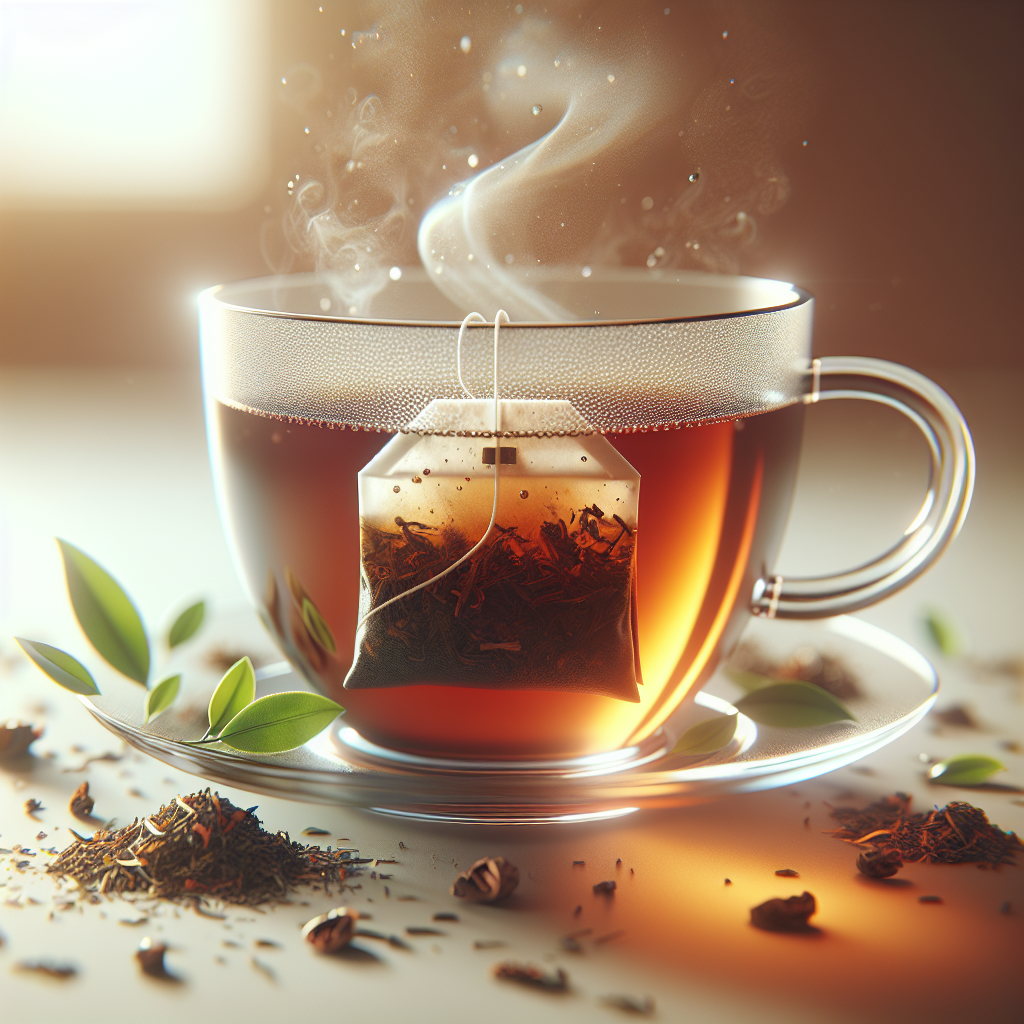
Experimenting with your green tea cup style can be eye-opening. Try a round porcelain cup for normal daily brewing, then switch to a thin glass design for delicate green teas like Gyokuro. Comparing the experiences through consistent steeping times lets you learn how material and structure affect temperature and taste consistency. Add a photo-worthy touch with your favorite brew served in a fine green tea cup beside natural light  for your tea journal or blog post.
How to Choose Your Perfect Green Tea Cup
Selecting the right green tea cup blends practicality with personality. Think about how often you drink tea, whether you prefer hot or warm sips, and your design sensibilities. A cup that feels pleasant to hold and complements your routine adds quiet beauty to every day.
Ergonomic Comfort
Weighted balance and handle comfort are small but critical. People often underestimate how holding a green tea cup directly affects relaxation. A light, rounded base promotes calmness, while overly heavy cups can feel burdensome. Japanese teacups (yunomi) usually forgo handles, teaching graceful heat resilience through careful sipping—a mindful practice in itself.
Durability and Sustainability
Long-lasting materials ensure your green tea cup remains part of your wellness journey for years. Look for lead-free glazes, recycled ceramics, or locally handmade pieces. These not only reduce environmental impact but also carry authenticity. Many artisans craft tea cups in small batches, contributing to sustainable ecosystems. Internal quality checks—like ensuring smooth glaze surfaces—protect from staining or cracks due to high temperatures.
Examples from Daily Life
Maria, a yoga instructor, switched from disposable paper cups to a handcrafted ceramic green tea cup. Over a year, she saved money, reduced waste, and discovered that her tea stayed warmer longer. Her morning routine became a small celebration instead of a rushed habit. Similarly, professionals using double-walled glass cups enjoy clarity and insulation during busy office routines.
Brewing Artistry: Making the Most Out of Your Green Tea Cup
Your cup is a silent partner in brewing perfection. The best result arrives when temperature, water quality, and cup material align. Use filtered water at around 75°C–80°C, steep your green tea for 1–2 minutes, and pour gently into your favorite cup. That short pause before sipping is where tranquility begins.
Tips for Optimal Brewing Experience
- Warm the green tea cup with hot water before pouring tea—this keeps flavor steady.
- Use smaller cups for stronger teas like matcha or sencha to preserve aroma.
- Rotate cups every few months to enjoy different textures and shapes.
Pairing Your Green Tea Cup with Mood
Match your cup to the occasion. Early mornings? Use a thick ceramic green tea cup that hugs warmth. Midday reflection? Try a transparent glass cup to observe vibrancy. Evening relaxation? A clay-based cup radiates grounding comfort. Just as tea variety influences energy, the cup material subtly shapes emotion and presence.
Cultural and Historical Perspectives
The origin of tea drinking stretches back thousands of years. In Chinese and Japanese traditions, every detail—from kettle to cup—symbolized elegance and gratitude. Each green tea cup carried unique meanings based on color, glaze, and use. Collectors often treat antique tea cups as storytellers of eras past, connecting today’s simple sip with cultural legacy.
Tea ceremonies remain wonderful examples of mindful design. A small green tea cup becomes part of larger choreography emphasizing grace and awareness. These practices remind us to treat modern living with deliberate intention—whether through minimalist cups or heirloom collections.
Modern Interpretations
Today’s artisans merge traditional and contemporary aesthetics. Minimal-glazed ceramics harmonize with Scandinavian and Japanese interiors alike. Tea shops and designers increasingly highlight the green tea cup as a center of personal branding—a tactile signature of taste. Online platforms like TeaClass educate about temperature, shape, and texture influences, guiding users to elevate their daily drink through informed design preference.
The Global Appeal of the Green Tea Cup
From Tokyo to Paris, the humble cup becomes an instrument of cross-cultural connection. Cafés showcase handcrafted cups alongside single-origin teas. On social media platforms, collectors exchange photos showcasing unique glazes and artisanal finishes. Each green tea cup offers a small piece of global craft culture and individuality shared over billions of brews each year.
Scientific Benefits of Drinking from a Thoughtfully Chosen Cup
Science supports the idea that sensory experience influences taste perception. Studies in food psychology suggest that holding a well-designed green tea cup can heighten flavor satisfaction. The temperature of the cup affects how we detect bitterness and umami. Warm ceramic stimulates pleasant sensations while glass emphasizes visual freshness—demonstrating that mindful tea rituals can gently improve emotional well-being.
Temperature Physics in the Green Tea Cup
The type of cup impacts heat retention due to material conductivity. Ceramic and porcelain green tea cups release heat gradually, allowing sustained warmth. Glass loses heat faster, best for lighter brews enjoyed quickly. Using a lid or cover can further extend enjoyment while preserving aroma intensity. This simple understanding lets enthusiasts control tea quality without specialized equipment.
Everyday Health Takeaway
By savoring each sip slowly, you unconsciously support digestion and stress relief. The pause before each refill allows micro mindfulness breaks—powerful for reducing anxiety. For many, the green tea cup becomes a daily mental wellness tool rather than just kitchenware. Hydration, antioxidants, and reflection merge elegantly around this simple object.
Practical Care and Maintenance for Your Green Tea Cup
Maintenance extends the life and purity of your tea-drinking experience. The care routine depends on the material of your green tea cup, but basic principles remain consistent: gentle cleaning, no harsh chemicals, and storage away from direct sunlight or moisture.
Cleaning Techniques
Rinse your green tea cup immediately after use with warm water. Avoid soaps with citrus or strong perfumes, which can taint flavors. Use soft sponges, especially for glazed ceramics. For stubborn stains, a mild baking soda solution cleans effectively. Never use abrasive pads that damage glazing or etched texture.
Storing Mindfully
Keep cups in a ventilated shelf, ideally lined with natural cloth to avoid scratches. If you own several green tea cups, rotate their usage to prevent discoloration from frequent brewing. Displaying them in a clean, simple rack showcases the artistry and encourages daily mindful rituals.
Prolonging Longevity
Avoid sudden temperature shocks—like pouring boiling water into a chilled glass cup—as they might cause cracks. Periodic inspection for chips ensures safe and aesthetic usage. By investing care, your favorite green tea cup can last decades, quietly aging alongside your evolving palate.
Integrating the Green Tea Cup Into a Health-Oriented Lifestyle
Wellness is not only in what we consume but how we consume it. Integrating a green tea cup ritual encourages conscious breathing and reflection, enhancing physiological and emotional balance. Some wellness practitioners even combine tea sessions with short meditations or gratitude journaling.
Building a Daily Tea Routine
Set aside 10 minutes each morning. Prepare your chosen tea, warm your cup, and drink slowly. That dedicated moment helps cultivate calm for the rest of the day. Drinking from your cherished green tea cup reminds you that small rituals build resilience and appreciation.
Social and Virtual Tea Spaces
Communities built around tea often share creative guidelines on aesthetic serving and discipline. Visit resources like Teavivre for insight into premium teas and responsible brewing. For storytelling on the evolution of tea, see Tea History at Tea Story Blog. To complement your practice with amazing recipes, try Tea Recipe Guide. Both enrich understanding of how tea traditions persist in the digital age.
Mindful Consumption Tips
- Drink attentively; avoid multitasking.
- Reflect on flavor nuances linked to cup shape and texture.
- Dedicate one green tea cup for personal reflection time only.
Frequently Asked Questions
Why is a green tea cup important for flavor?
A well-suited green tea cup enhances both temperature stability and sensory harmony. When aroma, heat, and tactile comfort coexist, your taste perception expands. Cup thickness and shape affect how long tea remains fresh and enjoyable. Over time, tea enthusiasts notice subtle changes in sweetness and smoothness tied directly to their choice of cup. Selecting one aligned with your favorite green tea variety creates more nuanced experiences and encourages mindful, healthier drinking rituals with every pour.
How do I choose the best material for my green tea cup?
Your priorities—heat retention, transparency, or eco-friendliness—guide this choice. Ceramic and porcelain are durable and neutral in taste. Glass showcases clarity and elegance, while stoneware provides an earthy texture. Consider daily practicality: if you often reheat or carry tea around, a double-wall glass or lidded ceramic green tea cup might be best. Each option delivers a slightly different tactile and aromatic profile, offering endless discovery while maintaining personal comfort and aesthetic satisfaction.
Can I use my green tea cup for other beverages?
Yes, though ideally reserved for tea to maintain purity. Using your green tea cup for coffee or juice can introduce residual flavors that alter future tea aroma. If you do, thorough cleaning ensures no lingering oils or sugars remain. Multi-use cups offer flexibility for guests but dedicated tea cups develop a subtle “seasoning” layer cherished by enthusiasts. Keeping one cup exclusive for green tea preserves authentic flavor and develops deeper sensory appreciation through time.
What is the ideal size for a green tea cup?
Ideal size depends on the tea’s type and your drinking pace. Traditional Japanese and Chinese green tea cups are smaller—about 100–150 ml—to allow measured sips and sustain consistent temperature. Western cups trend larger for comfort and convenience. Choose one fitting your daily rhythm: small cups promote mindfulness and concentrate aroma, while medium cups are practical for casual sessions. Ultimately, ergonomics and habit unite in determining the perfect green tea cup capacity for your moments.
How do I clean stains on my green tea cup?
Natural staining occurs due to tannins. Use a gentle method: sprinkle baking soda, add a few drops of water, and softly rub. For persistent marks, leave the paste for 10 minutes before rinsing. Avoid bleach or harsh abrasives that degrade polish. Consistent care—rinsing right after use—prevents discoloration buildup. Whether ceramic or glass, a well-maintained green tea cup will retain its sheen for years, ensuring pure aroma and immaculate visual appeal every time you brew.
Are there eco-friendly options for a green tea cup?
Absolutely. Sustainable tea ware is growing in popularity. You can find cups made from recycled clay, bamboo composite, or glass. Local artisans often produce small-batch ceramic green tea cups with natural, toxin-free glazes. Supporting such craftsmanship reduces manufacturing impact and helps preserve traditional creation methods. Additionally, reusable tea cups encourage less waste. By investing in one durable, eco-conscious cup, you combine environmental care with meaningful self-care—two rewarding goals satisfied in each conscious sip.
Does the cup’s color affect the taste of green tea?
While color doesn’t change taste chemically, psychological perception predicts flavor expectation. A pastel or light-colored green tea cup enhances visual beauty of the brew, making it appear fresher and softer. Darker cups accentuate depth and warmth, influencing how your brain interprets aroma. Presentation partly dictates satisfaction, which means aesthetic alignment matters. Choosing a hue that relaxes your senses—white, jade, or earth tones—turns daily tea drinking into an act of mood pairing and mindful pleasure.
How does a green tea cup contribute to mindfulness?
Mindful practices often center around sensory engagement. Holding a warm green tea cup helps ground attention in the present. You feel texture, note heat, inhale aroma, and savor each sip slowly—instilling calm through simple awareness. Over time, this daily routine retrains your mind to appreciate stillness and subtle joy. Your cup becomes a reminder to slow down between transitions, anchoring focus amid daily tasks. That connection transforms ordinary hydration into quiet harmony.

Leave a Reply