
Few beverages evoke a sense of heritage and comfort like english breakfast tea. Tradition, strength, and balance come together in a cup that has become a staple of morning routines worldwide. Whether enjoyed plain, with a splash of milk, or paired with a hearty breakfast, the deep, malty flavors of this blend make it a timeless favorite. For many tea enthusiasts, discovering more about english breakfast tea means not just drinking it, but appreciating its origin, craft, and culture. This article explores how to fully enjoy it through practical tips, background insights, and thoughtful preparation techniques that enhance the experience.
At first glance, english breakfast tea may seem simple—black tea in a comforting blend—but beneath its rich flavor lies centuries of refinement. It embodies both energy and elegance, bridging the gap between everyday utility and refined indulgence. Understanding english breakfast tea involves learning about its blend composition, brewing methods, and cultural roots that trace through British history and global tea trade. In the following guide, you’ll find everything from how to brew the perfect cup to storing, serving, and pairing this classic tea for every occasion.
To truly discover english breakfast tea, we’ll start with its fascinating origins, learn how proper brewing affects flavor, and explore how subtle variations in leaves and preparation reveal its complexity. We’ll also highlight modern adaptations that maintain authenticity while appealing to contemporary tastes. By the end, you’ll have a deeper appreciation for why this beverage continues to define morning rituals generations later.
Understanding the Origins of English Breakfast Tea
The story of english breakfast tea intertwines commerce, tradition, and the human desire for consistency. Despite its familiar name, this tea didn’t originate solely in England. It evolved as traders transported black tea leaves from regions such as Assam, Ceylon (Sri Lanka), and Kenya. The resulting blend, balanced and full-bodied, became known in Britain as a reliable, invigorating morning beverage—a strong complement to heavy breakfasts of eggs, meat, and toast.
Early references suggest that english breakfast tea gained recognition in the 19th century. Scottish tea merchant Robert Drysdale is often credited with creating one of the first versions tailored for English tastes. As the British Empire expanded, so too did the trade routes that imported tea from across the colonies. This availability of Indian and Ceylonese teas made it possible to craft blends with consistent flavor and caffeine levels ideal for morning consumption.
How the Blend Was Perfected
Unlike single-origin teas, english breakfast tea was designed to be an accessible, reliable household beverage. Tea blenders experimented with ratios of Assam (for strength), Ceylon (for brightness), and Kenyan teas (for color and balance). Each estate produced subtle differences in leaf grade and aroma, contributing to nuanced results across brands. Over time, standardization practices evolved to meet consumer expectations—ensuring each cup maintained its signature depth and maltiness.
Cultural Influence and Identity
In British households, english breakfast tea became more than a beverage—it was part of identity. It marked the start of the day, an accompaniment to conversation, and a gesture of hospitality. This culture has since spread globally, from morning trains in London to brunch cafés in New York. Today, premium versions are appreciated among connoisseurs who recognize the artistry behind each blend.
Essential Tips for Brewing English Breakfast Tea
Perfect brewing maximizes the character of english breakfast tea. Mistakes like over-steeping or incorrect water temperature can dull its compelling depth. A measured approach allows every flavor—malty, brisk, and subtly sweet—to shine through. Below are tested methods for creating a balanced and satisfying experience.
Choosing Quality Leaves
Whole-leaf english breakfast tea delivers greater complexity than common tea bags. Loose leaves expand freely in water, releasing full-bodied flavor. Look for deep brown to coppery leaves with a slightly earthy aroma. Reputable suppliers indicate origin information, which often hints at flavor intensity: more Assam creates a robust malt, whereas higher Ceylon content yields brighter notes. Always store tea in an airtight, opaque container, away from spices and moisture.
Water Quality and Temperature Control
Filtered water is best for making english breakfast tea, as tap water might alter its taste due to minerals and chlorine. Bring water to just below boiling—around 95°C (203°F)—to prevent bitterness. The traditional ratio is one teaspoon of loose tea per cup, though personal taste defines the final measure. Use a ceramic teapot or porcelain cup for even heat retention and gentle brewing.
Steeping for Balance
The steeping time shapes flavor strength. Three to five minutes is ideal for most english breakfast tea blends. Too short, and you lose complexity; too long, and tannins overtake subtle sweetness. Stir gently halfway through steeping, then remove leaves promptly. You may sweeten with sugar or honey or enrich the cup with milk for creaminess. Each adjustment yields a distinct texture and mouthfeel.
Serving and Pairing Suggestions
Serving english breakfast tea offers creative possibilities that honor tradition while embracing personal style. The beverage naturally complements robust foods, but balance remains key. For example, pairing it with pastries amplifies its warmth, whereas serving it with citrus preserves sharpens its floral hints.
Traditional Breakfast Pairings
Classic English breakfasts—fried eggs, toast, sausages, and beans—pair beautifully with the hearty structure of english breakfast tea. Its tannic strength cuts through fatty textures, cleansing the palate. Add milk to mellow the finish or drink plain for contrast. A slice of buttered toast dipped into freshly brewed tea recalls the comforting nostalgia of home kitchens.
Modern Interpretations
Contemporary dining encourages experimentation. Think vegan scrambled tofu with english breakfast tea latte, or savory scones layered with avocado. Coffee drinkers who switch to tea often find that the dense character of english breakfast tea carries enough caffeine to energize without jitteriness. Chefs are now using it in marinades for meats and desserts like panna cotta to add smoky undertones.
Special Pairing with Honey and Lemon
Adding honey and lemon to english breakfast tea creates a refreshingly complex drink—mild sweetness meets zesty sharpness. Select light wildflower honey to avoid overpowering the tea’s intrinsic malt. For added flair, try a drizzle of lavender-infused honey. It enhances aromatics while maintaining the trusted balance that defines english breakfast tea.
Health Benefits and Wellness Perspective
The appeal of english breakfast tea extends beyond taste. Research supports that moderate tea consumption offers antioxidant properties linked to heart health and cognitive clarity. Black tea polyphenols, such as theaflavins and thearubigins, support circulation and aid in reducing oxidative stress.
Mindful Consumption and Routine
Integrating english breakfast tea into your routine encourages mindfulness. The brewing process—boiling, steeping, inhaling, sipping—becomes a short ritual that centers attention before busy schedules unfold. When combined with balanced hydration and good rest, tea rituals contribute to long-term wellness and stress reduction.
Longevity of the Blend
Thanks to its balance of strength and mellowness, english breakfast tea suits both habitual and occasional drinkers. Storing properly ensures its flavor persists for months. Once opened, consume within six months for peak aroma. If kept in bulk, use resealable pouches with oxygen absorbers to prevent flavor loss.
Modern Brands and Ethical Sourcing
High-quality english breakfast tea now emphasizes sustainable sourcing. Ethical producers pay fair wages, invest in biodiversity, and ensure traceability. Consumers increasingly seek transparency, leading brands to publish details about leaf origin and farm practices. You can explore reputable options from suppliers who prioritize organic processing and recyclable packaging.
Two reliable sources for deeper insight and certified quality information about global tea standards and history include Tea Association of the U.S.A. and The British Tea Academy. Both offer expert-backed materials for enthusiasts and professionals eager to expand their knowledge of tea culture and brewing science.
Exploring Related Tea Cultures
If you enjoy studying the traditions around english breakfast tea, you may appreciate reading about Tea History or exploring hands-on guidance at Tea Recipe from teastory.blog. These internal articles delve into global tea customs, giving parallels between modern trends and historical roots.
Packaging and Presentation Trends
Modern packaging design celebrates both convenience and craftsmanship. From biodegradable sachets to reusable tins, aesthetics align with eco-conscious values. English breakfast tea brands often feature regionally inspired artwork, telling stories of the farmers and fields behind each batch. Some boutique houses even include QR codes that link to the plantations’ GPS coordinates, deepening consumer appreciation of sourcing transparency.
Storage Techniques for Optimal Freshness
Proper storage is essential for maintaining the depth and aroma of english breakfast tea. Exposure to air or sunlight accelerates flavor degradation. Ensure containers are sealed, kept at stable room temperature, and free from strong odors. Metal tins with interior coatings or amber glass jars are excellent for preserving leaf quality.
Reviving Slightly Stale Tea
If english breakfast tea loses its dimension over time, rejuvenate it by blending with a fresh batch. Combining older and newer leaves balances slight age differences. Alternately, use slightly outdated tea for culinary infusions—syrups, broths, or smoky rubs—where its diminished intensity still adds charm.
Visual Presentation and Aesthetic Serving
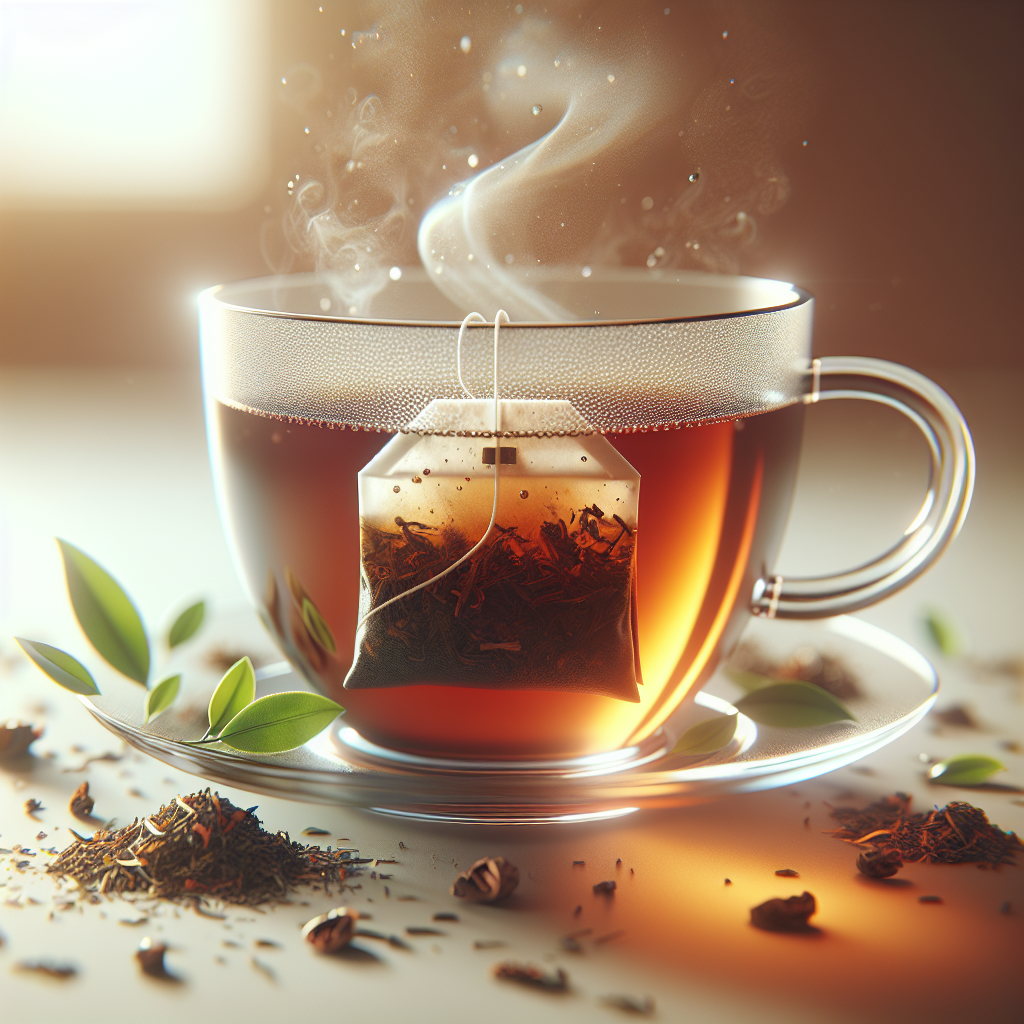
When served artfully, english breakfast tea engages sight, smell, and taste together. A medium amber hue signifies ideal extraction. Transparent glass teapots accentuate this color and make even a simple cup appear ceremonial. Garnish with a biscuit or lemon wedge for elegance. Image placeholder examples, such as  help convey this visual sophistication.
Hosting a Tea Gathering
Hosting an english breakfast tea morning offers a simple yet memorable way to connect people. Arrange a selection of milk types—dairy, oat, or almond—and small sugar cubes. Encourage guests to brew their preferred strength. This interactive approach bridges old etiquette with modern conviviality.
Conclusion: Embracing the Tradition Anew
Discovering english breakfast tea is ultimately a rediscovery of balance—between boldness and comfort, history and everyday life. From understanding origins and refining brewing details to savoring thoughtfully paired meals, each cup represents more than taste; it embodies culture and craftsmanship. Whether you purchase artisanal blends or supermarket classics, keep curiosity alive and approach every brew with care. English breakfast tea endures because it remains both traditional and endlessly adaptable, reminding us that genuine pleasure often lies in the simplest rituals.
Frequently Asked Questions
What is english breakfast tea and why is it so popular?
English breakfast tea is a strong black tea blend that originated as a morning companion to hearty meals. Its popularity stems from versatility, caffeine content, and smooth depth suited for milk or lemon. The blend typically combines Assam, Ceylon, and Kenyan varieties for balanced flavor. Many prefer english breakfast tea for its comforting consistency and cultural nostalgia. Whether served at home or in cafés, it delivers a satisfying structure that aligns with modern wellness and classic tradition alike, making it one of the world’s most recognized tea offerings.
How should I brew english breakfast tea for best flavor?
Start with freshly drawn, filtered water brought to about 95°C (203°F). Use one teaspoon of loose leaves per cup of english breakfast tea, and steep for three to five minutes depending on strength preference. Avoid letting the tea sit too long, as over-steeping increases bitterness. Use a ceramic or porcelain teapot, since these retain heat evenly. After brewing, strain immediately and enjoy either plain or with milk. These simple adjustments elevate your cup, revealing the full-bodied character that defines english breakfast tea.
Can english breakfast tea be enjoyed without milk?
Absolutely. Although traditionally served with milk, many enthusiasts enjoy english breakfast tea black to fully appreciate its rich malt and brisk finish. Drinking it without milk highlights subtle nuances, especially the floral and citrusy hints from Ceylon components. You can add honey or a lemon slice for counterbalance instead of dairy. It’s all a matter of personal taste, which remains part of the charm—each preparation tells a slightly different story of the blend’s versatility and enduring appeal.
Is english breakfast tea healthy compared to coffee?
English breakfast tea contains less caffeine than coffee but delivers enough stimulation to enhance focus and mood. Its polyphenols act as antioxidants, supporting cardiovascular function and digestive health. While coffee can sometimes cause jitters, most drinkers find the smoother lift of english breakfast tea more sustainable. When consumed moderately and without excessive sugar, it fits easily into a balanced lifestyle. Remember hydration: pairing tea with water throughout the day maintains energy without acidity risks sometimes attributed to heavy coffee intake.
What foods pair best with english breakfast tea?
English breakfast tea pairs beautifully with savory breakfast dishes such as eggs, toast, or smoked fish. Its tannins refresh the palate and contrast rich textures. Lighter pairings include pastries, scones, or fruit tarts. For afternoon scenarios, try sandwiches with mild cheese or cucumber. The key is to match intensity—choose foods that allow the tea’s hearty base to complement, not overpower. Even modern fusion dishes work as long as they maintain that pleasing balance of depth and freshness characteristic of english breakfast tea.
How can I store english breakfast tea to keep it fresh?
Keep english breakfast tea in airtight containers placed in cool, dry spaces. Avoid proximity to strong odors such as spices or coffee, as tea easily absorbs scents. Store away from direct sunlight in tins or opaque jars. If you buy in bulk, divide into smaller portions for gradual use. Proper storage extends flavor longevity up to six months for opened tea and up to a year if sealed. Following these steps preserves the tea’s signature aroma and lively flavor profile.
Can I reuse the leaves of english breakfast tea for a second brew?
Reusing leaves of english breakfast tea is possible, though the second brew yields lighter flavor and color. To attempt it, pour freshly boiled water over the leaves immediately after finishing your first infusion. Steep for a little longer—four to six minutes—and you’ll get a milder cup that retains pleasant malt notes. High-quality loose leaves perform better for reinfusion than low-grade bags. Experimenting this way maximizes value and encourages greater appreciation for the complexity of english breakfast tea.
What makes english breakfast tea different from other black teas?
The distinction lies in its blend. While single-origin black teas feature uniform taste profiles, english breakfast tea combines several to achieve balance and reliability. Strength from Assam, brightness from Ceylon, and smooth color from Kenyan leaves make it distinct. Its purpose-specific design—as a breakfast accompaniment—sets it apart, offering deeper malt character and richer mouthfeel. This structured consistency is precisely why english breakfast tea remains the standard benchmark against which many other blends are judged today.


Leave a Reply