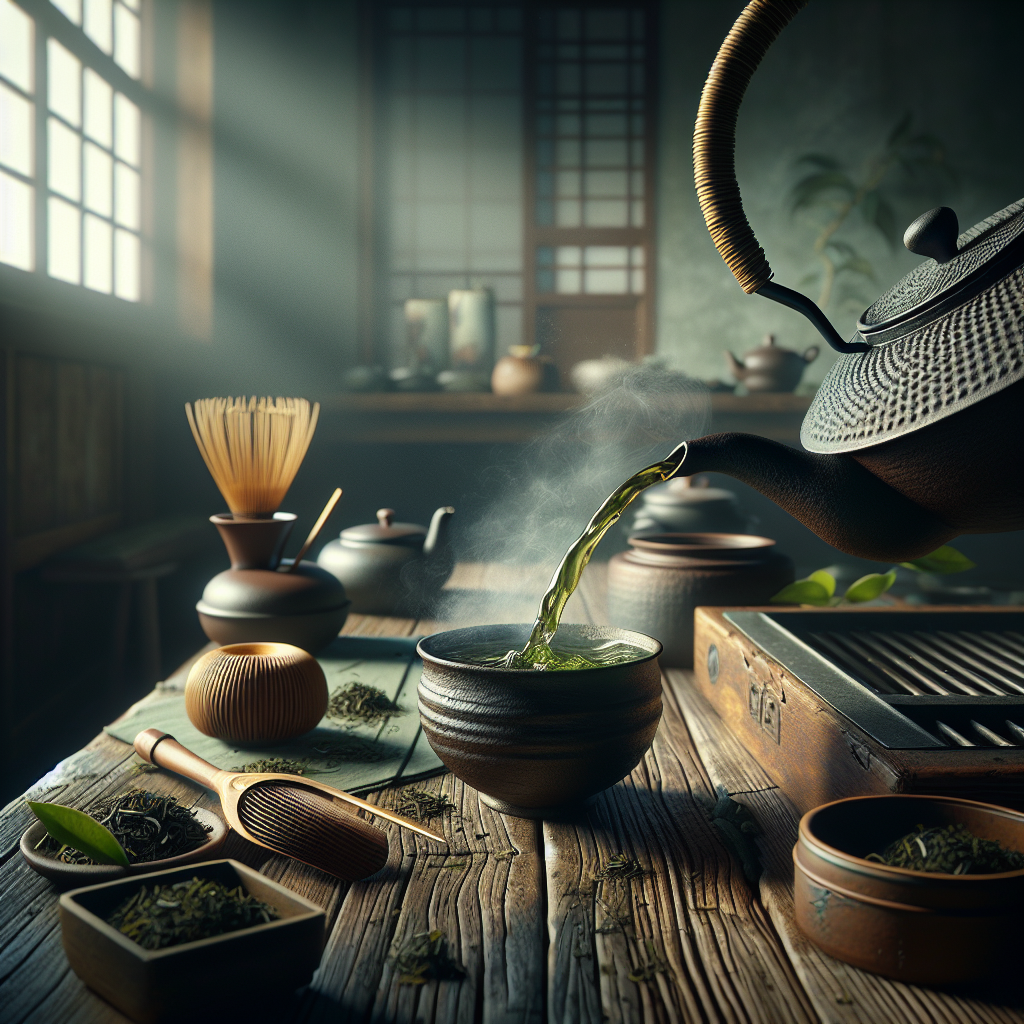
When you think of moments that bring calm and energy together, a cup of delicious green tea often takes center stage. This centuries-old beverage offers more than refreshment—it embodies a lifestyle choice centered on balance, mindfulness, and well-being. Each sip of delicious green tea tells a story of culture, craft, and natural health benefits that have captured hearts worldwide. Whether you drink it for its subtle flavor, its gentle caffeine kick, or its antioxidant power, learning how to choose and brew delicious green tea elevates every experience from ordinary to artful pleasure.
In this guide, we’ll explore how to discover delicious green tea, understand its origins, perfect your brewing rituals, and pick tea varieties that match your mood and purpose. You’ll learn how water temperature, leaf grade, and even tea ware shape taste. With practical tips, expert insights, and cultural notes, this article helps you appreciate delicious green tea more deeply—whether you’re a beginner or a curious connoisseur.
Discovering the World of Delicious Green Tea
Delicious green tea has far more diversity than meets the eye. From the bright and grassy Japanese matcha to the nutty and toasty Chinese Longjing, each type carries a unique character. At its core, green tea leaves are simply unoxidized tea leaves from the Camellia sinensis plant. Their journey from harvest to cup involves minimal processing, which helps preserve antioxidants and beneficial compounds.
The History and Cultural Roots of Delicious Green Tea
The first records of green tea consumption date back more than 4000 years to ancient China, where it began as a medicinal tonic. As trade routes expanded, so did its reach, transforming local traditions across Japan, Korea, and beyond. The Japanese ritualized green tea within their tea ceremonies—a discipline of mindfulness and respect. Today, delicious green tea stands as a bridge between health and culture, reminding us how daily rituals can nurture body and spirit.
Modern Appeal of Delicious Green Tea
In modern nutrition and wellness, delicious green tea fits perfectly. It’s packed with catechins, amino acids, and moderate caffeine that promote alert calmness. Fitness enthusiasts see it as a metabolism booster, while office workers value it as a gentler alternative to coffee. Even in culinary trends, delicious green tea flavors desserts, smoothies, and savory dishes around the globe.
How to Identify High-Quality Delicious Green Tea
Recognizing quality is essential if you want your delicious green tea to taste exceptional and deliver full benefits. Many factors affect tea quality—from the region’s climate to post-harvest handling. A discerning buyer can quickly tell premium leaves from lower grades through appearance, aroma, and leaf integrity.
Characteristics to Look For
- Color: Good delicious green tea leaves appear vibrant green; dull or brown hints often imply staleness.
- Shape: Whole leaves rolled evenly brew a cleaner, balanced taste.
- Aroma: Fresh tea emits grassy, floral, or oceanic scents depending on its origin.
- Taste Profile: A pleasant umami flavor without bitterness signals proper processing.
Regions Known for Producing Delicious Green Tea
China, Japan, and Korea are traditional powerhouses. In China, Longjing (Dragon Well) reveals a sweet chestnut note. Japanese Sencha and Gyokuro provide vibrant taste and color, while Korean Nokcha offers subtle nuttiness. Lesser-known regions like Vietnam and Nepal are gaining traction for sustainable, small-batch delicious green tea that competes with the classics in flavor depth.
Certified and Ethical Sourcing of Delicious Green Tea
When possible, choose teas from gardens following organic or fair-trade principles. Ethical sourcing ensures farmers receive fair wages and helps preserve traditional cultivation methods. Transparent brands will often provide harvest dates and origin details. Supporting them helps sustain biodiversity and cultural craftsmanship behind delicious green tea cultivation.
Brewing Techniques for the Perfect Cup of Delicious Green Tea
Brewing turns dry leaves into a living experience. Just a few degrees or seconds can transform the outcome. To achieve a balanced, flavorful infusion, you need to honor time, temperature, and proportion.
Essential Brewing Variables
For most delicious green tea varieties, use water heated between 70°C and 80°C (158–176°F). Steeping longer than 2 minutes can result in bitterness, so timing matters. Use 2 grams of tea for every 150 milliliters of water. These measurements vary slightly depending on the tea’s oxidation level and shape of leaves.
Brewing Utensils and Modern Alternatives
Traditionally, teapots made of porcelain or clay preserve the tea’s natural notes. In contemporary settings, glass infusers, temperature-controlled kettles, and travel mugs simplify brewing without sacrificing quality. The elegance of preparing delicious green tea lies not just in tools, but in the calm routine that comes with it.
Cold Brew and Iced Variations
Cold brewing extracts sweetness from the leaves while reducing bitterness. Steep leaves for 6–8 hours in cold filtered water in your refrigerator. Serve over ice with lemon zest or mint leaves for a refreshing spin on delicious green tea—perfect for warm afternoons or post-workout recovery.
Health Benefits of Delicious Green Tea
The combination of moderate caffeine and unique antioxidants gives delicious green tea its celebrated health profile. Researchers and dietitians recognize it as one of nature’s most versatile beverages.
Major Nutritional Compounds
- EGCG (Epigallocatechin gallate): A potent antioxidant linked to cellular protection and longevity.
- L-theanine: An amino acid responsible for inducing relaxation without drowsiness.
- Polyphenols: Compounds that reduce inflammation and support cardiovascular strength.
Scientific Insights into Delicious Green Tea
Recent studies highlight how daily consumption may help regulate cholesterol, boost metabolism, and improve concentration. According to research published by the National Institutes of Health, green tea drinkers demonstrate improved antioxidant profiles. However, moderation is key. Too much can cause caffeine-associated side effects in sensitive individuals.
Delicious Green Tea in Fitness and Wellness
For athletes and active lifestyles, the sustained energy from delicious green tea makes it a natural pre-workout drink. It hydrates, supports fat metabolism, and helps recovery by protecting cells from oxidative stress. Unlike many energy beverages, it offers these advantages without artificial ingredients or sugar spikes.
Creative Ways to Enjoy Delicious Green Tea
Beyond the cup, delicious green tea inspires culinary artisans. You can incorporate it into both sweet and savory recipes—each one offering a refreshing reinterpretation of the traditional drink.
Culinary Applications
- Add matcha powder to pancakes or cookies for an earthy aroma.
- Create green tea smoothies combining spinach, banana, and almond milk.
- Infuse rice, fish, or soups with brewed delicious green tea for umami notes.
Chefs often describe green tea’s power to harmonize with delicate ingredients. Its flavor contrasts subtly with sweet cream desserts or roasted nuts. The culinary imagination turns delicious green tea into a universal accent of elegance.
Pairing Delicious Green Tea with Food
Food pairing influences how flavors unfold on your palate. Try pairing Sencha with sushi or steamed vegetables. Longjing complements roasted nuts, while Jasmine green tea enhances aromatic pastries. A mindful pairing not only stimulates appetite but also helps you better understand the nuanced personality of each delicious green tea type.
Storage and Preservation Tips for Delicious Green Tea
Preserving freshness ensures your tea retains its delightful flavor. Exposure to air, moisture, and light accelerates quality loss. Simple care can extend the life of your delicious green tea significantly.
Best Storage Practices
- Keep tea in airtight containers away from light.
- Avoid high humidity; use a moisture barrier if possible.
- Buy smaller amounts more frequently if you drink it occasionally.
Proper Shelf Life for Delicious Green Tea
Premium loose leaves typically keep their freshness for 6 to 12 months when stored properly. Use your senses—aroma fade or dull color signals it’s time to refresh your stock. Remember that delicious green tea is a living product; it rewards those who respect it with each renewed cup.
The Art of Mindful Tea Drinking
The modern pace of life rarely allows moments of stillness. Green tea invites you to slow down. The aroma, warmth, and taste create a mindful pause that brings presence and gratitude.
Creating a Personal Tea Ritual
Setting aside five minutes to brew and savor delicious green tea without distraction becomes restorative. Whether you incorporate quiet breathing, music, or a view by the window, making this space part of your day reinforces self-care rituals built on simplicity.
Cultural Symbolism in Delicious Green Tea
Across Asia, sharing tea embodies friendship, harmony, and humility. Hosting guests with delicious green tea conveys respect far deeper than words. As you share cups with loved ones, remember these gestures of generosity passed through generations.
Where to Learn More About Delicious Green Tea
If curiosity leads you deeper into this vibrant world, many educational resources await. Museums, online workshops, and farms in Japan or China often conduct short courses for enthusiasts. To expand your knowledge creatively, visit TeaClass—an informative site explaining tea chemistry and brewing essentials. For cultural context, you can explore internal guides like Tea History or practical recipes from Tea Recipe sections on TeaStory.blog. Each provides insights that broaden appreciation for the craftsmanship behind delicious green tea.
Conclusion
From leaf to cup, every stage of producing and appreciating delicious green tea blends nature’s subtle artistry with human dedication. By mindfully selecting, brewing, and savoring each infusion, you align with centuries of wisdom emphasizing balance and simplicity. Whether enjoyed hot, chilled, or cooked into gourmet dishes, delicious green tea remains a timeless expression of harmony and wellness. The next time you prepare your cup, let it remind you to pause, breathe, and reconnect with the natural world inside every sip.
Frequently Asked Questions
What makes delicious green tea different from other teas?
The leaves of delicious green tea are minimally oxidized compared to black or oolong teas, preserving vibrant color and antioxidant content. This method retains a delicate vegetative flavor with a soft sweetness and grassy aroma, unlike stronger teas that undergo full fermentation. Such light processing also maintains natural compounds linked to multiple health benefits.
How should I brew delicious green tea for best flavor?
Heat water to about 75°C (167°F) and steep one teaspoon per cup for 1.5–2 minutes. Avoid boiling water because it burns the leaves and produces bitterness. Gentle handling lets the delicate flavors of delicious green tea emerge, providing a smooth taste and lingering freshness every time you brew.
Can I add lemon or honey to delicious green tea?
Yes. Adding lemon enhances antioxidant absorption and brightens taste, while honey adds a mellow sweetness. However, use moderation; too much might overshadow the tea’s natural complexity. These pairings are especially nice in morning routines or chilled beverages for summer variations of delicious green tea.
Does delicious green tea contain caffeine?
It does, but in smaller amounts than coffee. The caffeine level varies by type—matcha generally contains more than leaf-brewed teas. L-theanine present in green tea softens caffeine’s effect, promoting calm alertness rather than jitteriness. This balance makes delicious green tea an excellent energizing yet soothing drink for everyday use.
How can I store delicious green tea to maintain freshness?
Keep your tea in airtight containers away from sunlight, humidity, and strong odors. Store loose leaves in cool cupboards instead of refrigerators. When stored properly, delicious green tea can retain flavor for up to a year. Regularly check aroma and brightness—fading signals it’s time to restock.
Can I use delicious green tea in cooking or baking?
Absolutely. Powdered matcha or brewed green tea adds complexity to breads, muffins, sauces, and savory marinades. Chefs love using delicious green tea to balance creamy textures or enhance seafood elegance. Its versatility extends your culinary creativity while infusing your dishes with delicate aroma and subtle umami.
Is delicious green tea suitable for weight management?
Yes, when enjoyed as part of a balanced diet. Catechins help enhance fat metabolism and moderate appetite. Drinking unsweetened delicious green tea between meals provides hydration and gentle stimulation without calories. Combined with exercise and mindful eating, it supports a holistic approach to maintaining healthy body composition.
Can children or sensitive adults drink delicious green tea?
Green tea’s caffeine content requires moderation for children or caffeine-sensitive adults. Offer milder infusions or decaffeinated blends. Even small servings of delicious green tea can introduce calm focus and healthy hydration habits, especially when free of added sugar or artificial flavors.


Leave a Reply