
There’s something quietly transformative about a slow morning with a warm cup of english tea. The moment the first sip touches your lips, a connection is made – to history, to serenity, and to tradition. Beyond being a comforting ritual, english tea reflects centuries of culture, ceremony, and conversation. It’s both simple and sophisticated, adapting to moments of hospitality and introspection alike. For those new to the experience or curious to fine-tune it, understanding the nuances of english tea can open a new world of taste, mindfulness, and well-being.
Exploring english tea involves more than choosing a blend or adding milk; it’s about discovering balance, quality, and purpose. From selecting loose leaves to knowing the proper steeping time, each step contributes to the final flavor and effect. Whether enjoyed alone, at a gathering, or as part of an afternoon ritual, english tea embodies patience and pleasure. This guide takes a deep dive into its art, essential tips, and surprising benefits—helping you savor every moment from leaf to cup.
Understanding the Heritage of English Tea
Every culture has a drink that binds people together, and in Britain, that drink is english tea. Introduced from China in the 17th century, it became more than a beverage—an emblem of social etiquette and daily comfort. From elegant drawing rooms to working-class kitchens, tea quickly wove its way into the national identity. Recognizing this background enhances your appreciation and enriches your experience every time you brew a pot.
The Early Roots of English Tea Culture
The first recorded introduction of tea to England occurred around the mid-1600s. It was initially a luxury, consumed by the elite and nobility. Over time, the popularity of english tea spread widely across social classes. The aristocracy formalized it into rituals like afternoon tea—an elegant pause in the day combining conversation and refreshment. It was during Queen Victoria’s era that afternoon tea and high tea became defined cultural moments.
From Luxury to Lifestyle: English Tea Traditions
By the 19th century, english tea had evolved from an imported status symbol into a daily comfort. Its affordability grew as colonial trade expanded, allowing working families to enjoy it daily. The idea of taking time for tea, often at 4 p.m., created a rhythm that soothed the rush of modern life. In essence, english tea became synonymous with calm, community, and continuity.
Choosing the Right English Tea for Your Taste
English tea isn’t a single blend—it’s a spectrum of varieties from robust to mild, aromatic to malty. Choosing the right one depends on personal taste and the time of day. Some prefer the boldness of English Breakfast, others the gentle aroma of Earl Grey or the reddish infusion of Assam. Each offers a different mood and health benefit, inviting experimentation.
Popular Varieties of English Tea
Among the classic types, several stand out:
- English Breakfast – A bold, full-bodied blend often combining Assam, Ceylon, and Kenyan leaves. Ideal for mornings with milk or sugar.
- Earl Grey – Infused with bergamot oil, this blend introduces citrus notes and is equally refreshing hot or iced.
- Darjeeling – Known as the “champagne of teas,” it’s lighter and floral, often enjoyed without milk.
- Assam – Rich and malty, perfect for those who like strong, comforting brews.
Organic and Specialty Options
Many producers now craft organic english tea emphasizing sustainability and soil health. Fair-trade certifications also ensure ethical sourcing. Specialty options such as smoked Lapsang or tea infused with botanicals like lavender appeal to those exploring sophisticated palates. To support responsible production, check brands that provide transparent origin information, such as those highlighted by The Tea Society UK.
Perfecting the Brewing Process
Even the best leaves lose their charm if brewed improperly. Mastering the method ensures your english tea achieves the balance of temperature, timing, and technique required for an exceptional cup.
Step-by-Step Brewing Method
For an optimal experience:
- Use fresh water – Oxygen-rich water brings out tea’s aroma and liveliness.
- Warm your teapot – Pour a little hot water to preheat, maintaining a stable temperature.
- Add the right amount of leaves – One teaspoon per cup plus one extra for the pot is traditional.
- Steep carefully – Typically 3–5 minutes for black blends; shorter for delicate types.
- Serve immediately – Strain, add milk or lemon as preferred, and enjoy slowly.
Milk First or Tea First?
This long-standing debate has divided connoisseurs. Adding milk first slightly cools the water, reducing the risk of curdling and creating a smoother texture. Adding it after allows for color control and makes the blend stronger. The choice is purely personal—but for fine bone china, pouring milk first may help prevent cracking. The essence of english tea lies in savoring, not in strict adherence.
Health Benefits of English Tea
Beyond taste and tradition, english tea contributes to physical and mental well-being. Scientific studies highlight its antioxidants, gentle caffeine, and mood-lifting properties. Drinking it regularly can be both pleasurable and restorative.
Key Nutritional Advantages
Here’s how english tea supports health:
- Rich in antioxidants: Helps combat oxidative stress and supports immune strength.
- Moderate caffeine content: Provides alertness without the intensity of coffee.
- Hydration support: When consumed moderately, it contributes to daily fluid intake.
- Gut health: Studies indicate polyphenols in black tea may encourage healthy microbiota.
- Calming ritual: Preparing and drinking english tea offers a mindful break, aiding stress reduction.
Scientific Backing and Research
According to research by Nature Journal on Food Science, black tea consumption may assist cardiovascular health when consumed as part of a balanced diet. The L-theanine compound found in many english tea varieties promotes mental clarity, gentle focus, and relaxation. Such findings reinforce why tea continues to be both a cultural and wellness cornerstone.
The Ritual of English Tea in Modern Life
Tradition meets reinvention in the modern world of english tea. Cafes across London and global cities reinvent the afternoon tea, offering both classic and creative assortments. The ritual thrives because it provides stillness in an often hurried world.
Recreating the Afternoon Tea Experience at Home
Recreating afternoon tea is simpler than it appears. Start with a quality blend, elegant teacups, and light snacks like finger sandwiches, scones, or cakes. Presentation matters—fine china or minimalist ceramics set the ambiance. You can add soft music and natural light to enhance the mood. Hosting a mini tea break helps you reconnect with simple pleasures and mindfulness.
Pairing Snacks With English Tea
Classic pairings include cucumber sandwiches, shortbread, and scones with jam and clotted cream. However, english tea also pairs wonderfully with savory dishes such as quiche, mild cheeses, or smoked salmon canapés. Lighter teas match desserts, while robust ones complement heavier bites. Understanding these pairing principles helps elevate your tasting experience.
Storage and Preservation Tips
Proper storage maintains the aroma and flavor integrity of english tea. Exposure to air, light, and humidity can degrade leaves, leading to a dull brew. Preserve its potency by following these essential rules.
Best Practices for Storing English Tea
Store it in airtight containers kept in cool, dark spaces. Metal tins with internal seals or opaque glass jars work well. Avoid the refrigerator, as condensation may damage leaves. Label containers to track freshness and rotate your collection regularly. With careful storage, english tea retains its fragrance and strength for several months or longer.
Recognizing Spoiled Tea
If your tea has lost its signature scent or produced a musty flavor, it’s likely past its prime. Loose leaves that crumble excessively or produce a dull color when brewed should be replaced. These signs help ensure each cup remains vibrant and consistent, preserving the ritual’s joy.
Exploring English Tea Beyond Britain
While its roots are British, the influence of english tea spills across cultures. Worldwide, tea lovers interpret it in diverse ways, merging tradition with innovation. Global tea houses present their renditions—from ceremonial tastings in Japan to contemporary fusion cafes in New York.
English Tea in International Culture
In Asia, english tea represents Western refinement, often served in luxury hotels as part of afternoon sets. In North America, the habit of “tea time” has gained traction among wellness enthusiasts. Digital communities exchange brewing secrets and sustainability practices. Whether in India’s cafes or Scandinavia’s minimalist interiors, the presence of english tea reflects a shared desire for pause and quality connection.
Finding Your Personal Tea Story
Each tea moment tells a story—your pace, your flavor, your comfort. Keeping a small journal of blends and brewing notes helps deepen your relationship with tea. Explore inspirations on Tea History at TeaStory.blog or learn creative variations via their Tea Recipe section. Begin defining your signature blend and make every cup reflect your personality.
Environmental and Ethical Aspects of English Tea Production
Behind each comforting sip lies a global network of farmers, artisans, and processors. Sustainability ensures these communities thrive while protecting soil and biodiversity. Conscious consumers increasingly look for english tea that aligns with ethical and ecological principles.
Sustainable Sourcing and Packaging
Selecting bio-degradable tea bags or reusable tins makes a difference. Look for brands emphasizing fair wages and transparent supply chains. Organic farming helps protect pollinators and reduces pesticide residue in soil. Supporting such efforts empowers both producers and drinkers to contribute to global responsibility.
How to Identify Ethical Brands
Certifications like Rainforest Alliance, Fairtrade, and Soil Association Organic provide credible indicators. Many ethical english tea companies now engage in reforestation or renewable energy projects. Understanding these labels ensures every soothing sip harmonizes with respect for the planet.
Frequently Asked Questions
What defines authentic english tea?
Authentic english tea traditionally refers to black tea blends either originating from or inspired by British customs. They typically combine robust leaves from regions like Assam or Ceylon for a balanced, energizing flavor. While modern offerings vary, authenticity often depends on preparation style and etiquette. Brewing it with attention to temperature and steep time, accompanied by milk or lemon, captures its essence. Choosing reputable sources with transparent origins will help ensure quality and consistency in every cup.
Can you drink english tea without milk?
Yes. Many enthusiasts enjoy english tea plain or with lemon instead. Certain blends like Darjeeling or Earl Grey reveal more distinct floral and citrus notes without milk. The key is to steep lighter and slightly cooler to maintain delicacy. Those sensitive to dairy or seeking calorie control may prefer this version. Ultimately, there’s no fixed rule—let taste be your compass. Tea connoisseurs often advocate experimenting to understand how texture and flavor shift with and without additions.
How much caffeine is in english tea?
The typical serving of english tea contains about 40–60 milligrams of caffeine per cup, depending on variety and steeping time. It provides gentle alertness without excessive stimulation. Those reducing caffeine can consider blends with a higher proportion of Ceylon or opt for decaffeinated versions. Hydration and rest remain key for well-being, so moderate consumption is recommended. Caffeine levels also vary by leaf cut—finer grinds steep faster and release more caffeine than whole leaves.
What health benefits come from drinking english tea daily?
Drinking english tea daily offers antioxidant protection, improved heart function, and better focus through L-theanine and minor caffeine. It helps balance mood, stabilizes energy, and contributes to hydration. Regular intake supports cognitive clarity without the jitter associated with coffee. Combined with moderate exercise and a wholesome diet, it can be part of a comforting, long-term wellness routine. Studies show consistent consumption relates to slight improvements in metabolic and cardiovascular indicators over time.
Is loose-leaf english tea better than tea bags?
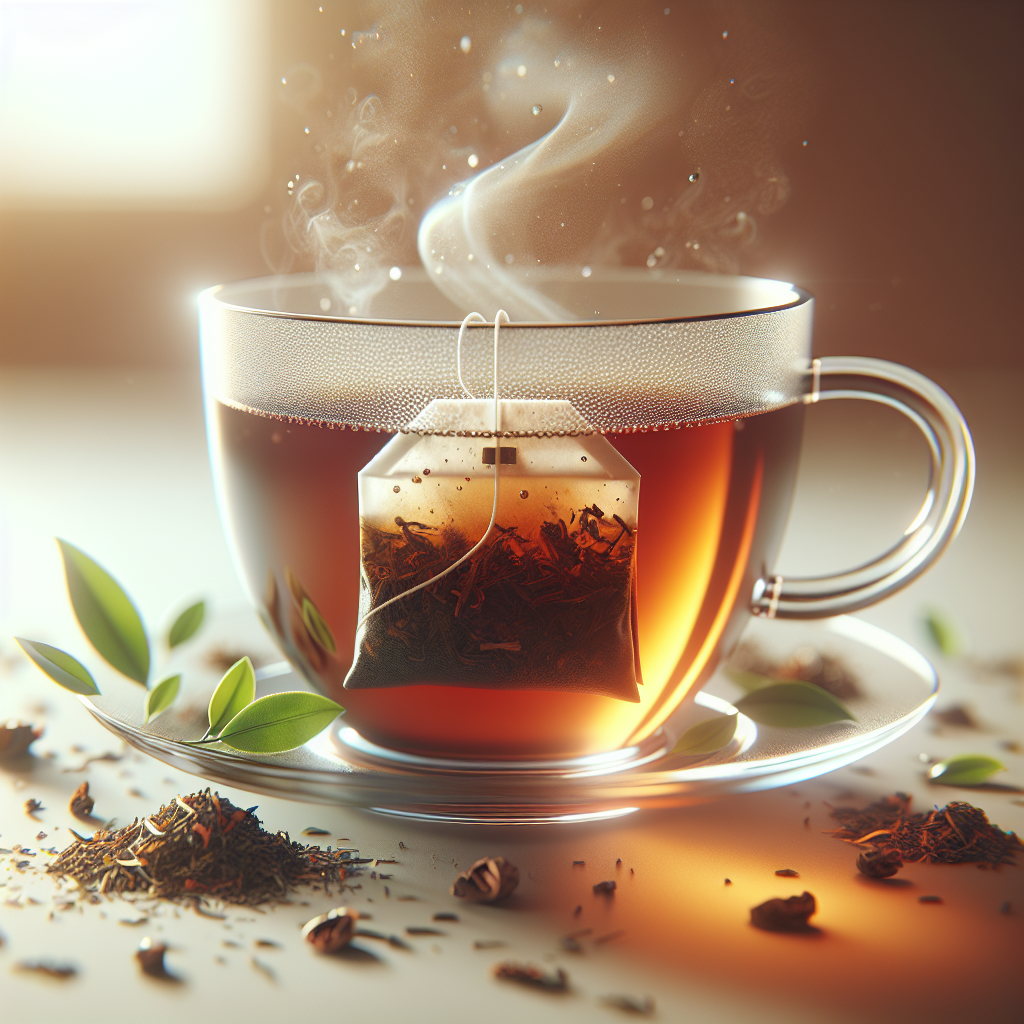
Loose-leaf english tea often offers higher quality since it retains larger leaf fragments and fuller flavor potential. Tea bags, while convenient, sometimes contain broken leaves or dust, leading to faster oxidation. However, modern pyramid bags improve flow and preserve aroma better than older types. Ultimately, your preference and lifestyle dictate the choice. For mindful brewing, loose leaves reward effort with depth, whereas bags support quick, everyday use without much cleanup.
How should english tea be stored for maximum freshness?
Keep english tea in airtight, opaque containers, away from light, moisture, and strong odors. Metal tins or dark glass jars work well. Avoid refrigeration since temperature shifts may add unwanted condensation. Always seal tightly after each use and note the purchase date. Generally, good-quality black tea retains flavor for six to twelve months. Maintaining storage discipline ensures consistent aroma and taste every time you prepare a fresh pot or cup.
What foods pair best with english tea?
Classic pairings include scones, jam, light sandwiches, and pastries. The pairing complements the tannin structure of english tea, creating balance. For savory options, mild cheeses, quiches, and roasted nuts work beautifully with robust brews. For lighter blends, fruit tarts and sponge cakes maintain harmony. Pairing choices depend on the mood—afternoon elegance, breakfast freshness, or evening reflection. Avoid overly spicy foods that mask subtle floral or malty layers in the blend’s profile.
Can children and teens enjoy english tea?
English tea can be introduced moderately to older children or teens, particularly mild blends brewed shorter to reduce caffeine. Herbal substitutes mimic the experience while keeping it caffeine-free. Sharing tea time together promotes calm conversation and mindfulness. It helps kids slow down in digital-heavy environments while learning gentle courtesy. Always keep portions age-appropriate and consult a pediatrician if caffeine sensitivity exists. The experience, not just the beverage, builds connection across generations.


Leave a Reply