
If you’ve ever scrolled through social media or visited a trendy café, chances are you’ve come across the vibrant green drink called matcha. Matcha green tea has become a sensation worldwide, and for good reason. Whether you’re sipping on a frothy matcha latte or whisking up a cup of traditional matcha, this powdered green tea offers more than just a beautiful color – it’s packed with benefits. In this blog, we’ll explore everything you need to know about matcha, including what it is, its origins, and how to make the most of this incredible tea.
What Is Matcha Green Tea Powder?
Matcha is a type of powdered green tea matcha that comes from the leaves of the Camellia sinensis plant, the same plant used to make traditional green tea. The difference lies in how the tea is grown, harvested, and processed. Unlike regular green tea, matcha is ground into a fine, bright green powder, making it unique among teas.
What Does Matcha Look, Smell, and Taste Like?
Matcha’s remarkable appearance and sensory qualities set it apart. The powder boasts a vibrant, almost electric green color, a sign of its high chlorophyll content and careful cultivation. Its texture is ultra-smooth and talc-like, effortlessly dissolving into liquids. When you open a tin of matcha, you’ll notice a rich, grassy aroma with sweet undertones—fresh and slightly vegetal. Taste-wise, matcha is complex: it delivers a creamy, umami flavor balanced with a gentle sweetness and a hint of pleasant bitterness. This layered flavor profile is why matcha appeals to both tea connoisseurs and newcomers alike.
So, what is in matcha green tea powder? Matcha contains the entire tea leaf, which means it delivers more nutrients and antioxidants than regular steeped green tea. The leaves are shade-grown before harvesting, increasing their chlorophyll content and giving matcha its vibrant color and earthy flavor.
What Is Green Tea Matcha Powder Used For?
Matcha is incredibly versatile. Traditionally, it’s used in Japanese tea ceremonies, where it’s prepared with great care using a bamboo whisk. However, in modern times, matcha has expanded far beyond ceremonies and is used in various ways:
- Matcha Tea: The classic way to enjoy matcha is as tea. Simply mix matcha powder tea with hot water and whisk until frothy.
- Lattes: Combine tea matcha powder with milk (or plant-based alternatives) to make a creamy matcha latte.
- Smoothies: Add a teaspoon of green tea powder matcha to your morning smoothie for an antioxidant boost.
- Baking and Cooking: Matcha can be used to flavor and color desserts like cakes, cookies, and ice cream.
- Health Shots: Mix matcha with water or juice for a quick energy boost.
Flavor and Texture
Matcha’s appeal isn’t just in its versatility, but also in its vibrant green color and unique taste. The powder itself has a smooth, talc-like texture, and when whisked, creates a rich, frothy drink. The aroma is grassy and slightly sweet, while the flavor profile is complex—often described as having a deep umami character, with creamy and sweet notes balanced by a pleasant, subtle bitterness. This makes it delicious both on its own and as an addition to recipes.
Types and Best Uses
Most matcha available for everyday use falls into the “culinary grade” category. This type is perfect for lattes, smoothies, baked goods, and other creative kitchen uses. If you’re seeking an authentic tea ceremony experience, you might want to explore “ceremonial grade” matcha, which is typically reserved for traditional tea preparation and enjoyed plain to fully appreciate its delicate flavor.
Whether you enjoy it hot or iced, blended into your favorite drink, or as a natural way to boost your favorite snack, matcha brings both flavor and health benefits to the table.
What Makes Matcha Different from Regular Tea?
If you’re wondering, what is matcha tea powder, and how is it different from other teas? Here are the key distinctions:
Flavor: Matcha has a rich, umami flavor with a slight natural sweetness.
Form: Unlike loose-leaf or bagged teas, matcha is a finely ground powder.
Preparation: With matcha, you consume the entire leaf, whereas regular tea involves steeping and discarding the leaves.
Where Is This Matcha Green Tea Powder Produced?
The matcha green tea powder featured here is sourced from Taiwan, a region known for its high-quality tea cultivation. While Japan is often the first country that comes to mind when thinking of matcha, Taiwan has developed a growing reputation for producing vibrant, flavorful matcha powders—thanks to its ideal climate and dedicated tea artisans. The combination of rich soil and careful processing results in a unique matcha experience that tea enthusiasts around the world are starting to appreciate.
The Health Benefits of Powdered Green Tea Matcha
Why is matcha so popular? Beyond its stunning appearance and unique taste, matcha is packed with health benefits:
1. Rich in Antioxidants
Matcha is loaded with antioxidants, especially catechins, which help fight free radicals in the body. In fact, matcha contains significantly more antioxidants than regular green tea.
2. Boosts Energy and Focus
Thanks to its natural caffeine content and the amino acid L-theanine, matcha provides a calm and sustained energy boost without the jitters commonly associated with coffee.
3. Supports Weight Management
Drinking matcha can help boost metabolism and fat oxidation, making it a popular choice for those looking to maintain or lose weight.
4. Promotes Relaxation
L-theanine in matcha promotes a sense of calm and relaxation while enhancing focus and concentration. This is why matcha is often used by students and professionals.
5. Detoxifies the Body
The high chlorophyll content in matcha helps detoxify the body by removing heavy metals and other toxins.
How to Customize the Strength and Creaminess of Your Matcha Latte
One of the great things about making a matcha latte at home is how easy it is to fine-tune both the flavor and texture to your liking. If you prefer an intense matcha flavor, simply use a higher amount of matcha powder—think 10 grams instead of the usual 7 grams per serving. For a subtler taste, you can scale back to 5 grams or less.
When it comes to creaminess, you have plenty of options. Classic lattes use whole milk, but you can swap in oat, almond, or soy milk for a plant-based twist. If you want a richer texture, increase the amount of milk (or non-dairy creamer) and use a little less water. For a luxuriously creamy finish, try whisking 60 grams of non-dairy creamer with 125 ml hot water instead of the standard amounts.
And finally—a quick tip: after preparing both your matcha mixture and your milk or creamer, pour the milk mixture over the matcha slowly to keep those lovely layers before giving everything a gentle stir. That way, you get to enjoy a matcha latte truly tailored to your taste buds.
How to Make Matcha Tea Powder at Home
Preparing matcha is simple and can be a relaxing ritual. Here’s how to make a traditional cup of matcha tea:
Ingredients:
- 1 teaspoon of powder green tea matcha
- 2-3 ounces of hot water (not boiling, about 175°F)
Steps:
- Sift the Matcha: Use a small sifter to remove any clumps from the powder.
- Add Water: Place the matcha in a bowl and add a small amount of hot water.
- Whisk: Using a bamboo whisk (or a small kitchen whisk), whisk the tea in a zigzag motion until it becomes frothy.
- Enjoy: Pour the matcha into a cup and enjoy it as is, or add milk for a latte.
Health Considerations: What to Know Before You Sip
While matcha is well-loved for its impressive list of health perks, it’s also important to be aware of a few considerations, especially if you’re sipping it regularly.
- California Proposition 65 Notice: Some matcha products may contain trace amounts of heavy metals, such as lead, which naturally occur in soil and can be absorbed by tea plants. California’s Prop 65 law requires a warning label on products that may expose consumers to substances linked to cancer or reproductive harm—including some matcha powders. For more details, you can visit http://www.p65warnings.ca.gov.
- Sourcing Matters: To minimize potential risks, look for matcha sourced from reputable growers and check for third-party testing, such as those provided by trusted organizations like ConsumerLab or NSF International.
- Pregnancy and Sensitive Groups: If you are pregnant, nursing, or particularly sensitive to caffeine, consult your healthcare provider before making matcha a daily ritual.
By staying informed and choosing high-quality products, you can enjoy all the benefits of matcha, while keeping these considerations in mind.
Storing Your Matcha: Keeping It Fresh
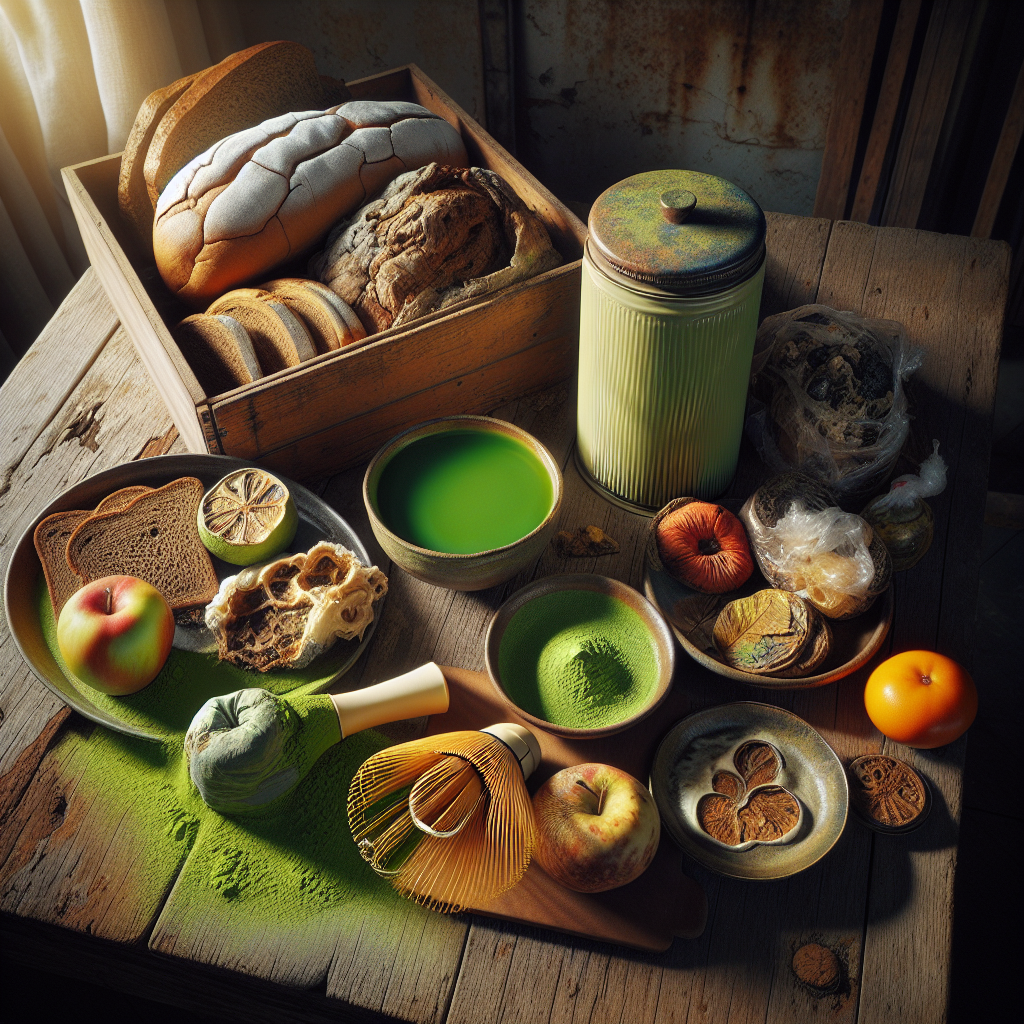
To preserve the vibrant color and delicate flavor of your matcha, proper storage is key. Here are a few tips to help you keep your matcha powder at its best:
- Seal It Tight: Always reseal the bag or container promptly after each use to prevent air exposure.
- Keep Cool and Dry: Store your matcha in a cool, dry place—think pantry or cupboard. Steer clear of areas prone to heat or humidity, such as above your stove.
- Shield from Light: Matcha is sensitive to light, which can dull its brilliant green hue and fresh taste. Opt for an opaque or dark container and keep it tucked away when not in use.
- Check the Date: Matcha doesn’t last forever. For the freshest cup, use your tea by the expiration date noted on the packaging.
A little attention to storage goes a long way in making every matcha experience smooth and satisfying.
FAQs About Matcha Green Tea Powder
1. What Is Green Tea Matcha Powder?
Green tea matcha powder is a finely ground powder made from specially grown and processed green tea leaves. Unlike regular tea, matcha involves consuming the entire leaf, offering more nutrients and antioxidants.
2. What Is Matcha Tea Powder Made Of?
Matcha tea powder is made from shade-grown green tea leaves that are steamed, dried, and ground into a fine powder. It’s 100% natural and contains no additives.
3. How Is Matcha Different from Regular Green Tea?
Matcha differs from regular green tea in its form (powder vs. leaves), preparation (whisked vs. steeped), and nutritional profile (higher antioxidants and caffeine).
4. Is Matcha Better for You Than Coffee?
Matcha provides a more balanced energy boost compared to coffee, thanks to the presence of L-theanine, which promotes relaxation without drowsiness.
5. Can I Use Matcha in Recipes Other Than Tea?
Absolutely! Matcha is versatile and can be used in lattes, smoothies, baked goods, and even savory dishes like sauces and dressings. Simply add your favorite non-dairy creamer and sweetener to taste for a delightful matcha drink—enjoy it hot or poured over ice for a refreshing treat.
You can also blend matcha into smoothies for an extra boost of antioxidants and energy. Its vibrant flavor makes it a creative addition to both sweet and savory recipes, allowing you to explore endless ways to enjoy matcha beyond the traditional cup of tea.
6. Where Can I Buy High-Quality Matcha?
High-quality matcha can be purchased online, at health food stores, or in specialty tea shops. Look for ceremonial-grade matcha for drinking and culinary-grade for cooking.
7. What are the Other Tea and Drink Powders to Explore?
If you’re looking to expand your beverage repertoire beyond matcha, there’s a vibrant world of drink powders waiting to be discovered. Here are some customer favorites you might enjoy:
- Taro Powder — Known for its naturally sweet, nutty flavor and beautiful purple hue, taro powder is a staple in bubble tea shops and home kitchens alike.
- Strawberry Powder — Add a burst of berry flavor to your lattes, smoothies, or baked treats with this fruity, versatile powder.
- Milk Tea Powder — Perfect for recreating classic bubble tea at home, this creamy blend is both comforting and satisfying.
- Honeydew and Mango Powders — These tropical powders deliver a refreshing sweetness that pairs perfectly with chilled teas and desserts.
- Thai Tea Powder — Famous for its vibrant orange color and aromatic spices, Thai tea powder brings a taste of Southeast Asia right to your cup.
- Peach and Passion Fruit Syrups — For those who prefer fruit-forward beverages, these syrups offer a fragrant, juicy twist to teas and sodas.
- Premium Green Tea Powders from Japan (other than matcha) — Explore varieties like hojicha or genmaicha for new flavor experiences.
With so many options, experimenting with new flavors and creating your own unique drinks has never been easier. Try mixing and matching to find your next favorite!
8. How Should I Store Matcha Green Tea Powder After Opening?
To keep your matcha fresh and flavorful, be sure to reseal the container tightly after each use. Store your matcha in a cool, dry place away from direct sunlight, heat, and moisture—think of a pantry or cupboard rather than a countertop. For those who want maximum freshness (and who don’t mind a trip to the fridge), storing matcha in an airtight container in the refrigerator works well too. Always check the expiration date on the package to ensure the best taste and quality.
9. What Is the Shelf Life of Matcha Green Tea Powder?
When stored properly in an airtight container away from light, heat, and moisture, matcha green tea powder stays fresh for up to 18 months. For the best flavor and maximum benefits, try to use matcha within this timeframe. Always check the package’s best-by date and keep it sealed between uses to maintain its vibrant color and taste.
10. What Do Customers Say About the Taste and Quality of Matcha Green Tea Powder?
Customers consistently rave about both the quality and flavor of matcha green tea powder. Reviews highlight a smooth, vibrant taste that stands out whether enjoyed traditionally, whisked with hot water, or added to creative recipes like lattes and smoothies. Many users appreciate finding a product that balances high quality with an accessible price, making it easy for them to incorporate matcha into their daily routines.
Shoppers also praise the fine texture and consistently fresh, bright color—signs of a well-crafted matcha. Quick delivery and reliability of various reputable brands, such as Ippodo and Encha, receive mention as well. Ultimately, positive feedback underscores matcha’s versatility, excellent flavor, and consistent quality, with plenty of reviewers noting they’ll gladly reorder and recommend it to friends.
Conclusion
Matcha green tea powder is more than just a trend – it’s a centuries-old tradition packed with flavor, versatility, and health benefits. Whether you’re enjoying a traditional cup of matcha, experimenting with matcha-based recipes, or reaping its health perks, matcha has something to offer everyone. Now that you know what is in matcha green tea powder and how to use it, why not give it a try? Your taste buds and body will thank you!

Leave a Reply