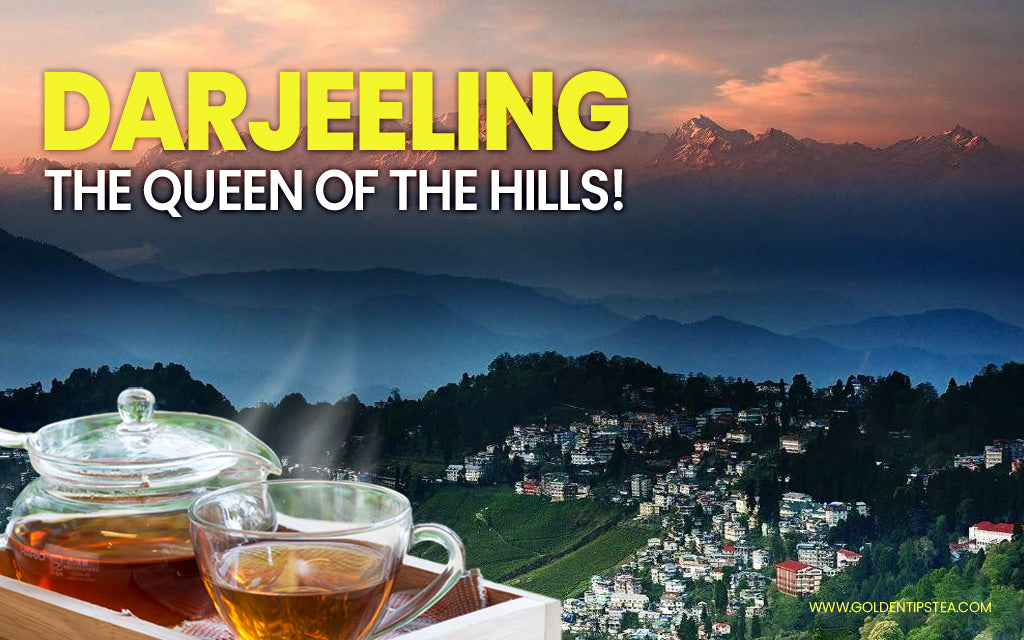
Darjeeling, a region in West Bengal, is as renowned for its spectacular landscape as it is for its tea. This area produces one of the world’s most sought-after teas, the Darjeeling First Flush. The tea owes its unique flavour to the region’s extraordinary environment.
Nestled at elevations ranging from 2000 to 5000 feet, the tea estates here are shrouded in mist and surrounded by abundant pine trees. These elements create a microclimate that significantly influences the characteristics of the tea. Visiting Darjeeling offers not just a taste of exceptional tea but also a glimpse into a rich history and culture.
Darjeeling and Its Tea
It’s impossible to talk about Darjeeling First Flush tea without mentioning the West Bengal region of Darjeeling. This tea derives its unique natural flavours from the extraordinary location where it’s grown. The landscape of the Darjeeling region is characterised by misty rolling hills and massive pine trees.
The tea estates where Darjeeling is grown are located at elevations between 2000ft and 5000ft. Fertile soils and ample rainfall contribute to the perfect conditions during early spring for harvesting Darjeeling First Flush. The short harvest season makes it highly sought after by tea connoisseurs.
Darjeeling Tea Estates
There are 87 tea estates in the Darjeeling region licensed to produce this tea by the Tea Board of India. Covering 17,500 hectares, these estates produce 10,000 tons of tea annually. However, 40,000 tons of ‘Darjeeling’ tea are sold each year, suggesting widespread counterfeit tea.
The first Darjeeling teas were grown in 1850 by the British Government. Though ownership has changed, traditional techniques for growing and harvesting have largely remained the same.
Darjeeling tea leaves are still picked by hand. This preserves the integrity of the tea bushes and provides employment for many locals who have lived in the region for generations.
Preserving Traditions
Since tea harvesting began in Darjeeling, the region has grown from a small property to a bustling tourist town.
The Darjeeling Himalayan Railway, a UNESCO World Heritage Site, and Tiger Hill are other attractions in the area. Visiting during the First Flush season offers a chance to see the harvesting up close and understand why it’s called the ‘Champagne of Teas’
The tea industry employs around half of the locals, either directly or indirectly. The first flush season is a great time to visit and experience this unique region.
The Unique Landscape
The landscape of Darjeeling is not just visually stunning but also contributes to the tea’s unique qualities.
The misty hills and abundant pine trees create a microclimate that affects the tea’s flavour profile. This setting is unique to Darjeeling and cannot be replicated elsewhere.
The high elevations and fertile soils, combined with significant rainfall, provide the ideal conditions for growing premium quality tea.
Challenges and Counterfeits
Despite the region’s reputation, counterfeit Darjeeling tea remains a significant problem. It’s estimated that only a quarter of the ‘Darjeeling’ tea sold globally is authentic.
The Tea Board of India has taken steps to protect the Darjeeling name and ensure that consumers get the real deal.
However, the high price and limited availability mean that counterfeiters continue to exploit the demand for this premium product.
Economic Impact
The tea industry plays a crucial role in the local economy. It employs a significant portion of the local population, providing livelihoods for many.
Tourism also contributes to the economy, with visitors drawn to the region’s tea gardens and other attractions.
Efforts to protect the authenticity of Darjeeling tea aim to preserve this important economic driver for the region.
Visiting Darjeeling
A visit to Darjeeling is not just about tea, although it is a significant part.
Tourists can explore the region’s natural beauty, including its famous hills and pine forests.
The Darjeeling Himalayan Railway and Tiger Hill are must-visit spots, adding to the charm of this unique region.
Darjeeling is not just a place, but an experience. From its lush tea estates to its misty hills, everything contributes to the magic of its First Flush tea. However, the battle against counterfeit products continues, underscoring the need for vigilance among tea lovers.
The region’s economy heavily relies on tea production and tourism. Therefore, protecting the authenticity of Darjeeling tea is crucial for sustaining local livelihoods. Visiting Darjeeling offers a unique glimpse into a world where tradition and nature come together beautifully. It’s a journey worth taking.


Leave a Reply