
Green tea has a long past that goes back thousands of years. It is known for being good for you and comes in many types. Growing and making green tea has become an art form through the years from the hills of Japan to the parks of China. Different types of green tea have different tastes because of things like how they were grown and processed and the quality of the leaves. This piece is all about green tea. It talks about the different kinds and how they taste.
The Origins Of Green Tea A Brief History
Green tea comes from China. It was first grown there in 2737 BCE during the rule of Emperor Shennong. There is a story that the first cup of tea was made when some tea leaves fell into the emperor’s hot water by mistake. Green tea was first used as a medicine but it quickly became a famous drink that people from all walks of life liked.
In Japan green tea became popular in the 1100s thanks to the work of Buddhist monks who taught people how to grow tea and make tea. The Japanese tea ceremony also called chanoyu or chado started as a way to prepare and drink matcha, a green tea ground very finely.
The Many Varieties Of Green Tea
There are different kinds of green tea each defined by how it is grown, how it is processed and what flavors it has. Here are some of the most common types
1. Sencha: Sencha is the most popular tea in Japan. It has a light taste and a grassy smell. Young tea leaves are heated, rolled and also dried to make it. In Japan people drink Sencha every day because they love how refreshing it tastes.
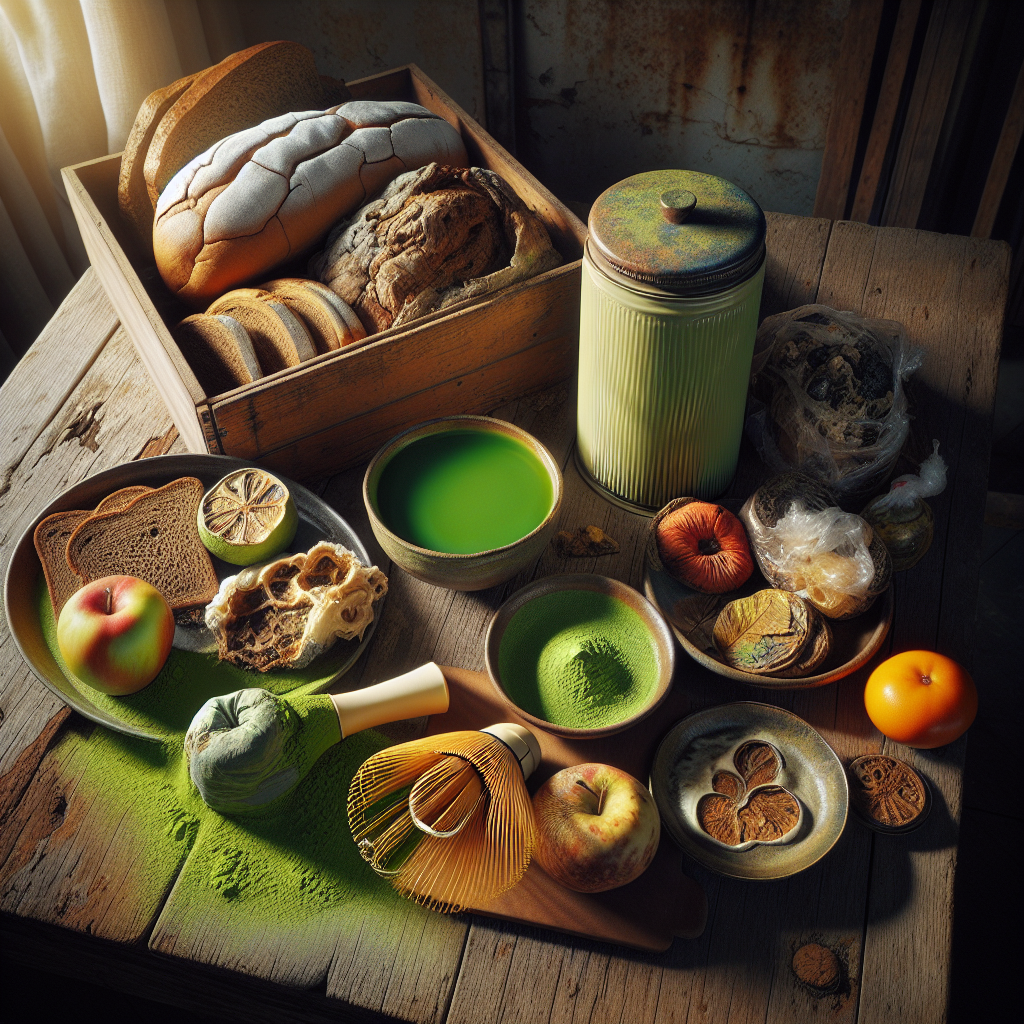
2. Matcha: This bright green powder is used in the traditional Japanese tea ceremony. It is made from finely ground green tea leaves. People love matcha because it tastes great and is good for you because it has many antioxidants.
3. Dragon Well: Longjing Dragon Well is a popular Chinese green tea recognized for its flat sword shaped leaves and also chestnut like taste. It is cooked in a wok over low heat to stop the browning process. This gives it a smooth and crisp flavor.
4. Gunpowder Tea: Gunpowder tea comes from Zhejiang China and is distinguished by its tightly coiled leaves that resemble gunpowder pellets. When the leaves are brewed they open up and release a strong smoky taste with a hint of sweetness.
5. Gyokuro: It is one of Japan’s best teas. It is covered for a few weeks before it is picked which makes it taste and smell better. Gyokuro is a deep green fruit that tastes sweet and full of umami.
Brewing The Perfect Cup Of Green Tea
Choose good fresh leaves or tea bags to make green tea. Add about a teaspoon of dried tea leaves for every cup of water. After heating the tea leaves to between 175°F (80°C) and 185°F (85°C) pour water over them. Let it steep for one to three minutes depending on how strong you want your tea.
Do not use hot water as it can hurt the tea leaves and make the tea taste nasty. Green tea can be enjoyed by itself or with various foods from sweets to sushi. It is a flexible drink that can be enjoyed daily thanks to its mild taste and also wellness benefits.
Exploring The World Of Green Tea
Green tea’s many tastes and health perks continue to draw in tea lovers worldwide. There is green tea for every taste from Sencha grassy sweetness to matcha rich umami. By trying the different types of green tea and their unique tastes you can start a trip of discovery that honors the art of making and the rich cultural past of this beloved drink.
Green Tea And Health Benefits
In addition to tasting great green tea is known for having many health benefits. Green tea is thought to assist in protecting cells from damage and lowering the danger of chronic diseases because it is high in polyphenols which are antioxidants.
Researchers have looked into epigallocatechin gallate EGCG, a type of catechin established in green tea, to see if it might help fight cancer and speed up the metabolism which can help people lose weight. Green tea may also help your brain work better and lower your chance of getting neurodegenerative diseases like Parkinson and Alzheimer.
Researchers have found that green tea caffeine and L theanine work together to make you more alert and focused without giving you the giddy feelings that come with drinking caffeine. Green tea is also known to reduce inflammation, reduce the danger of heart disease and enhance circulatory health.
Green Tea And Sustainability
Sustainability in tea production has become more important as people become more concerned about the earth. Using sustainable farming methods to grow tea is essential for protecting the world and ensuring that tea farming lasts for a long time. Many tea farmers are switching to organic farming methods which don’t use artificial fertilizers and pesticides. This makes tea growing less harmful to the earth.
The tea business is increasingly using fair trade methods to ensure that tea farmers get fair pay and also good working conditions. By buying tea from sustainable and fair trade suppliers people can assist in protecting the environment and better the lives of tea producers and their communities.
Green Tea And Cultural Significance
Green tea has been an essential part of the culture of many places especially in East Asia. The tea ceremony or chanoyu is a ritualized event in Japan that celebrates making and drinking matcha, a powdered green tea. The rite stresses peace, unity , respect and cleanliness similar to Japanese culture’s spiritual and psychological parts.
In the same way drinking green tea in China is firmly rooted in customs and ceremonies. Chai or tea parties are times to get together with other people and enjoy tea. Chinese people think drinking tea makes you more aware and in touch with nature which is good for your health.
In some other parts of the world too, green tea has come to mean calmness and awareness. People believe that making and also enjoying a cup of green tea is a form of meditation that helps them stop and enjoy the current moment.
Green Tea And Culinary Uses
Green tea is not only a famous drink but also a valuable ingredient in cooking. Its mild green taste makes it a helpful ingredient in sweet and savory recipes. In Japan matcha is often used to flavor cakes, ice cream, mochi and other treats. It gives them a unique taste and a bright green color.
Green tea is sometimes used to smoke meat or flavor soups and also stews in China. Its mild flavor can improve the taste of a dish without affecting the other flavors.
Green tea has also been added to mocktails and drinks in the past few years. Its unique taste goes well with many different spirits and mixes so creative mixologists use it to make unique and refreshing drinks.
The Future Of Green Tea
As green tea becomes more famous worldwide, new ways of making and drinking tea keep coming out. Thanks to the growth of specialty tea shops and online tea stores people can now get more types of green tea than ever before. From traditional Japanese matcha to rare Chinese green teas there are many new things to learn and explore in green tea.
Tea makers are trying out new tastes and mixes along with traditional types of green tea to make their products more appealing to modern customers. Fruit flower and herb infused green tea is a new take on traditional green tea tastes that people who want a tasty and relaxing drink will enjoy.
How green tea is made will change as people’s likes and interests change. Green tea is a famous drink with a long history, many taste options and many health benefits. People drink it every day or just occasionally as a treat.


Leave a Reply