
Tea is a standard drink worldwide; its history goes back thousands of years. The art of making tea includes many different tastes, smells and customs from the light green teas of China to the solid black teas of India. This piece will discuss the tea journey from the leaf to the cup focusing on the differences between various types of tea and how to make them.
The Origins Of Tea
The Chinese Emperor Shen Nong is said to have found tea in 2737 BC when some tea leaves casually fell into a pot of hot water. The Emperor was interested in the smell and taste of the resulting drink so he started researching tea health benefits. This led to many people growing and drinking tea in China.
Soon tea became an essential part of Chinese culture and special events and customs were created to honor this beloved drink. The Chinese also began to divide tea into different groups based on how it was processed and the type of leaf used. This set the stage for the diverse world of tea we know today.
The Various Types Of Tea
We can discover a huge variety of tastes, smells and ways to make tea in the world of tea. White tea has light flower notes while black tea has solid and bold flavors. There is tea for every taste and every event. These are some of the most common kinds of tea. Let’s look at what makes them different.
White Tea
White tea is made from the tea planter’s youngest and softest leaves and buds. It is the least treated type of tea. The taste is delicate, the color is light and the sweetness is right. People love white tea because it has a lot of vitamins and is thought to be good for your health in many ways.
Green Tea
To prevent the leaves from turning brown they are quickly dried and boiled after being picked for green tea. This keeps the leaves’ natural green color and fresh grassy taste. Green tea is often praised for its possible health benefits such as better brain function and a lower chance of heart disease because it contains many vitamins.
Oolong Tea
Tea that has been partly oxidized is called oolong. Its taste and color are somewhere between green tea and black tea. Depending on how much they’ve been oxidized, oolong teas can taste very different from flowery and fruity to toasty and rich. People often praise oolong tea for its unique tastes and smells and its possible health benefits.
Black Tea
This type of tea has the most oxidation which gives it a dark color and a pungent taste. Before the leaves are dried and processed they are fully oxidized giving black tea its rich and strong flavor. Black tea is sometimes drunk with milk and sugar and people worldwide like to drink it for breakfast.
Pu-erh Tea
Pu-erh tea is a fermented tea stored for many years before it is sold. It is dark and tastes earthy and rich. It is also smooth and relaxed. Pu-erh tea is often pressed into cakes or bricks and can be stored for decades. As it ages the taste gets more substantial and more complicated.
Brewing The Perfect Cup
To make the Perfect Cup of Tea you must pay close attention to the tea leaves and treat them carefully. Some general rules can help you make a delicious and fragrant cup of tea every time though the exact steps will rely on the type of tea.
Water Temperature
The water temperature is very important for getting the taste out of the tea leaves without burning them. For each type of tea the water needs to be at a different temperature
- White and Green Teas: The ideal temperature for brewing these delicate teas is 170-185°F (77-85°C), just below boiling. If the leaves are burned in boiling water, the tea will be bitter.
- Oolong Teas: Water that is a little hotter, about 185-205°F (85-96°C), helps the rich tastes of oolong teas come out.
- Black and Pu-erh Teas: Boiling water at temperatures between 200 and 212 degrees Fahrenheit (93 and 100 degrees Celsius) causes these robust teas to lose their robust characteristics.
Steeping Time
Your tea tastes also depend on how long you let it steep. People have different tastes when it comes to steeping times but here are some general rules
- White Tea: 1-3 minutes
- Green Tea: 1-3 minutes
- Oolong Tea: 3-5 minutes
- Black Tea: 3-5 minutes
- Pu-erh Tea: 3-5 minutes
It is important not to let your tea steep for too long as it can turn bitter. Instead add more leaves to make the tea stronger.
Tea To Water Ratio
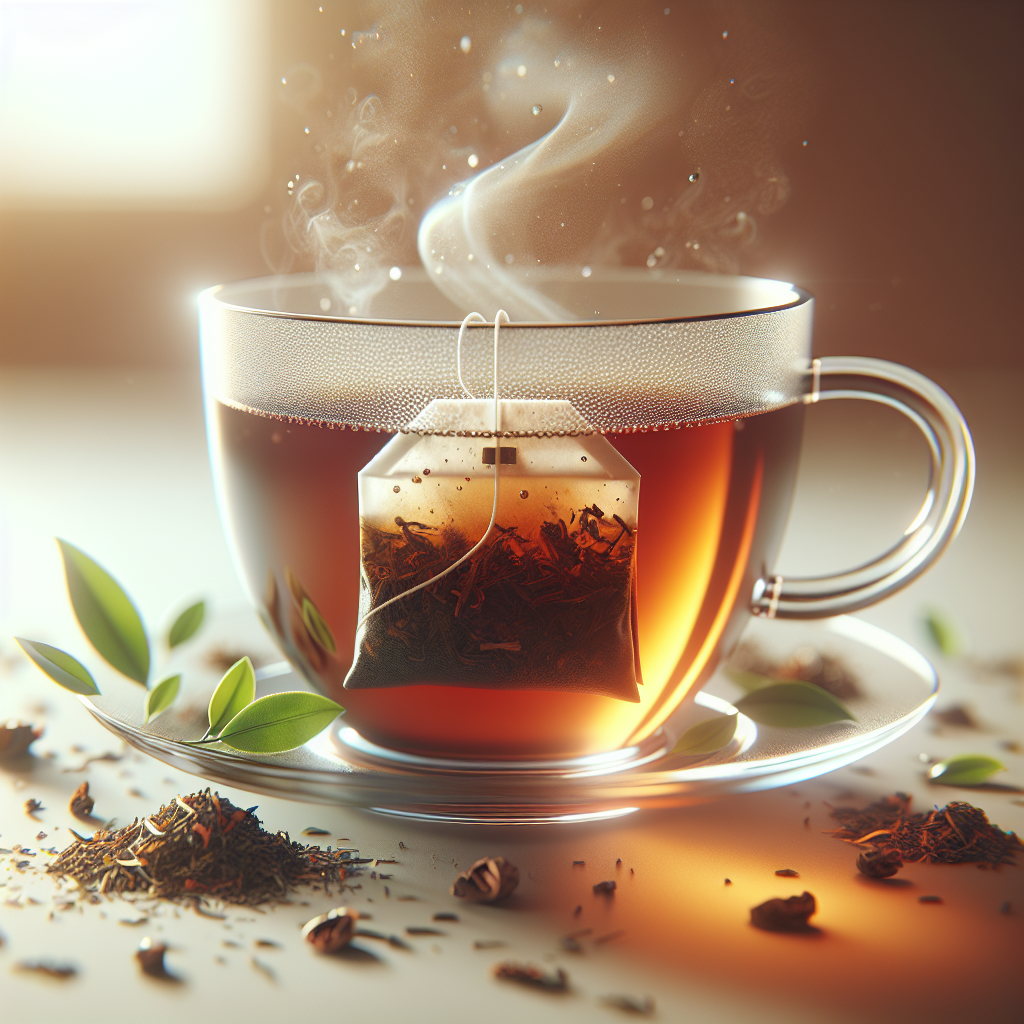
Along with the water the amount of tea leaves you use will also change how strong your drink is. For every 8 ounces of water utilize about 1 teaspoon of fresh tea leaves. Generally one tea bag is enough for an 8 ounce cup.
Covering While Steeping
Cover your tea cup or mug while it steeps to prevent the heat and smell of the tea from escaping. This will prevent the flammable oils and odors from getting out.
Strain Before Serving
You should strain loose tea leaves before serving to prevent the texture from being too rough. As soon as you’re done drinking just remove the tea bag from the cup or pot.
The Health Benefits Of Various Types Of Tea
Tea comes in many varieties and tastes excellent. It also has many health benefits making it a popular choice for people who want to improve their health. For example green tea is famous for having many antioxidants which can assist in lowering inflammation and the chance of getting long term illnesses like cancer and heart disease.
On the other hand white tea is revered for its antibiotic qualities which can help the body fight off infections and make it stronger. People think oolong tea can help them lose weight by speeding up their metabolism. On the other hand black tea is often used to support digestion and keep the gut healthy.
Because of the way it is fermented pu erh tea is thought to lower cholesterol and may help people control their weight. Drinking a variety of teas as part of your daily practice can help your health in many ways while also being delicious.
The Future Of Tea Innovation In Tea Production
Even though tea has a long and fascinating past, its future is also full of exciting opportunities. People have become more interested in organic and sustainably grown teas in the past few years because they want to buy goods made decently. Also technological improvements have led to new ways of making tea such as creating various types of tea and ways to grow them to produce teas with unique tastes and smells.
E-commerce has also made it easier than ever to buy high quality teas from all over the world. This lets tea lovers try many different tastes and styles. As tea fame grows new ways to make and drink it will likely appear. This will help tea stay a beloved practice for many years to come.
Conclusion
The world of tea is exciting and varied with each type having its tastes, smells and health benefits. By learning about where various types of tea come from and how they are made along with the art of making you can improve your tea drinking experience and find new ways to enjoy this old drink.

Leave a Reply