
Many people enjoy tea because of its soothing warmth, mild flavors and potential health advantages. However for people who are new to tea diving can be both exciting and scary. Where do you start with all the different kinds brewing methods and cultural traditions This guide is meant to take the mystery out of the process by starting with the basics.
What Is Tea?
Camellia sinensis , a plant native to East Asia, produces the leaves used to make tea. The plant leaves are picked and processed in various ways to make different kinds of tea. There are main types of tea green, oolong black and white. Each has its taste and qualities.
People may be most familiar with black tea which has a strong flavor and a dark color. The taste is unique because it goes through withering, rolling oxidation and drying. The oxidation process could be more robust in green tea which makes it lighter in color and tastes lighter. Regarding oxidation, oolong tea is somewhere between black and green tea. It has a complex flavor and can be very different from one variety to the next.
White tea is made from young leaves and buds that are steamed and dried. It is the least processed of the four main types. It has a light subtle taste that is a little sweet on the bottom. Most types of tea on the market today are based on these four types. However there are many more types and blends to try, each with unique qualities.
The Art Of Brewing
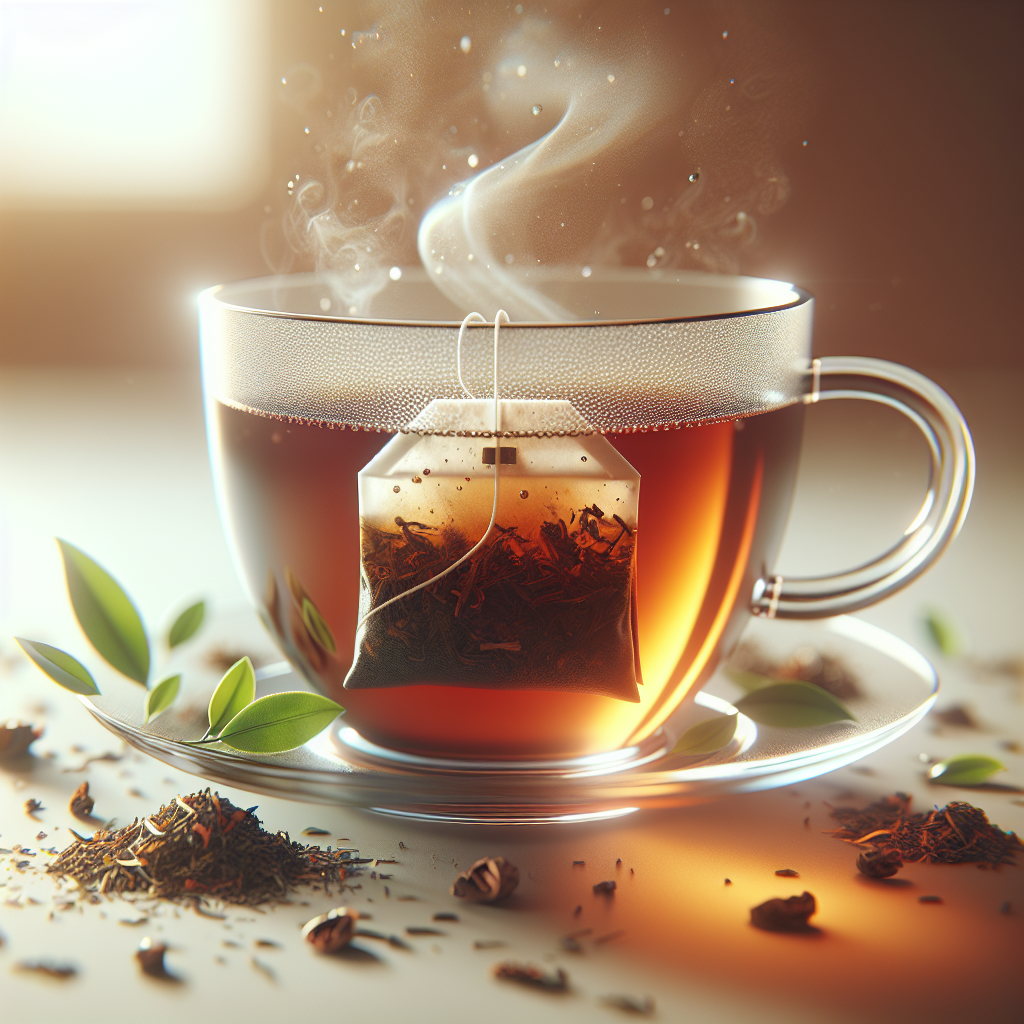
You must use science and art to make the best cup of tea. The right amount of tea leaves, water temperature and steeping time are essential. Beginners should start with loose leaf tea instead of tea bags because they give you more control over the brewing process and often make the tea taste better.
To make loose leaf tea, get the water hot enough for the type of tea you want. The water must be at a different temperature to get the most out of every kind of tea. If you make black tea you should boil the water through. But if you make green tea, let the water cool down after cooking it.
Put the tea leaves in a teapot or infuser after the water is hot. Generally you should use one teaspoon of tea leaves for every cup of water. However depending on your taste and tea this may need to be changed. For the right amount of time pour the hot water over the tea leaves and let them steep. However this will depend on the type of tea. As a general rule black tea should steep for 3 to 5 minutes green tea for 2 to 3 minutes oolong tea for 4 to 7 minutes and white tea for 4 to 5 minutes.
Exploring Tea Culture
Tea is more than just a drink, it is a way of life that varies significantly from place to place. Tea is a daily tradition in some cultures full of history and ceremonies. In some it is a casual drink that people enjoy with family or friends. By learning about different tea cultures you can better understand what the drink means to other groups of people.
For instance, tea is an integral part of the traditional chanoyu ceremony in Japan. Matcha, a powdered green tea, is made and drunk in this ceremonial practice. The ceremony has many symbolic meanings and many people see it as meditation. It focuses on peace, harmony and respect.
People in England love tea and having afternoon tea is a beloved tradition. This meal in the middle of the afternoon usually includes tea with sandwiches, scones and pastries. It is a social event that people like to share with coworkers or friends.
Chai tea is a popular drink in India that millions of people drink every day. It is a tasty and comforting drink made from black tea, spices , milk and sugar. Chai is a popular way to show hospitality.
There is always something new to learn and find out about tea no matter how much you know about it or how new you are to it. You can better understand this old and varied drink by starting with the basics and slowly adding to what you know.
Health Benefits Of Tea
Tea has many health benefits that have been studied for hundreds of years. It tastes great and has cultural meaning. Antioxidants are an essential part of tea. They are thought to help protect the body against free radicals which can damage cells and speed up aging and disease. Polyphenols are a type of antioxidant found in large amounts in green tea. Polyphenols have been linked to a lower risk of heart disease cancer and other long term illnesses.
Tea also contains chemicals called catechins that have been demonstrated to reduce inflammation and kill bacteria. This might help the immune system work better and lower the chance of getting sick. Some studies also show that drinking tea regularly may help the brain work better, reduce the risk of Alzheimer disease and help people lose weight.
Tea Around The World
Tea originated in East Asia but has spread worldwide and is now an essential part of many cultures and traditions. It was first found in China where people often drink it in its purest form focusing on the flavor of the tea leaves. In places like India and Pakistan on the other hand tea is often made with spices like ginger cardamom and cinnamon to make chai a rich and flavorful drink.
People in the Middle East like their tea strong and sweet with mint or sage added to taste. In Russia tea is a standard drink usually served in a glass with a metal holder called a podstakannik. It is often eaten with honey or jam. In England tea is always served with milk and sugar, an integral part of everyday life.
Tea And Sustainability
As tea becomes more popular it becomes more critical that the process used to make it is environmentally friendly. Tea is typically grown in tropical and subtropical areas because it needs certain conditions to do well there. However the intensive farming methods often used to produce tea can hurt the environment by cutting down trees damaging the soil and polluting the water.
To address these problems many tea farmers are switching to more environmentally friendly methods such as organic farming, agroforestry and innovative water use. Some tea companies also ensure their workers get fair pay and good working conditions. They also help the communities where they do business by funding healthcare and education programs.
People can help protect the environment and help tea farmers worldwide make a living by choosing tea grown in a way that doesn’t harm the environment. More people are looking for ethically sourced teas that are good for the environment because more people are becoming aware of these issues. This is good for the planet and the tea industry as a whole.
Conclusion
Tea is a cultural experience with a long history and a bright future that is much more than just a drink. From its start in East Asia to its spread worldwide tea has become a part of many cultures each adding its twist to the drink.
In Japan a delicate green tea is enjoyed in India a spicy chai is enjoyed and in England friends share a pot of black tea. Tea is a way of bringing people together and creating moments of joy and connection. Whether you’ve been drinking tea for a long time or this is your first time, take a moment to enjoy the flavors and traditions that make tea so unique.



Leave a Reply