
Tea is an old drink that people love for its smell, taste and cultural significance. It has been an essential part of human culture for thousands of years. With everything going so fast these days making the perfect cup of tea is a peaceful moment away from the chaos of everyday life. Understanding the details of the brewing process is essential for people who are just starting to make tea because they want to get the most out of this popular drink.
Choosing The Right Tea
Choosing the right kind of tea is the first step in making tea. It can be hard for beginners to know where to start because there are so many kinds each with its own flavor and health benefits.
Green tea which tastes like fresh grass and is full of antioxidants is one of the most popular types of tea. Green tea is processed in a way that doesn’t change its natural green color or delicate flavor. Black tea is a strong and full bodied drink that goes well with milk and sugar for people who want a more robust flavor.
Herbal teas are large infusions of different herbs, flowers and spices. They have many different tastes and health benefits. From calming chamomile to energizing peppermint herbal teas let you try new things and enjoy them in endless ways.
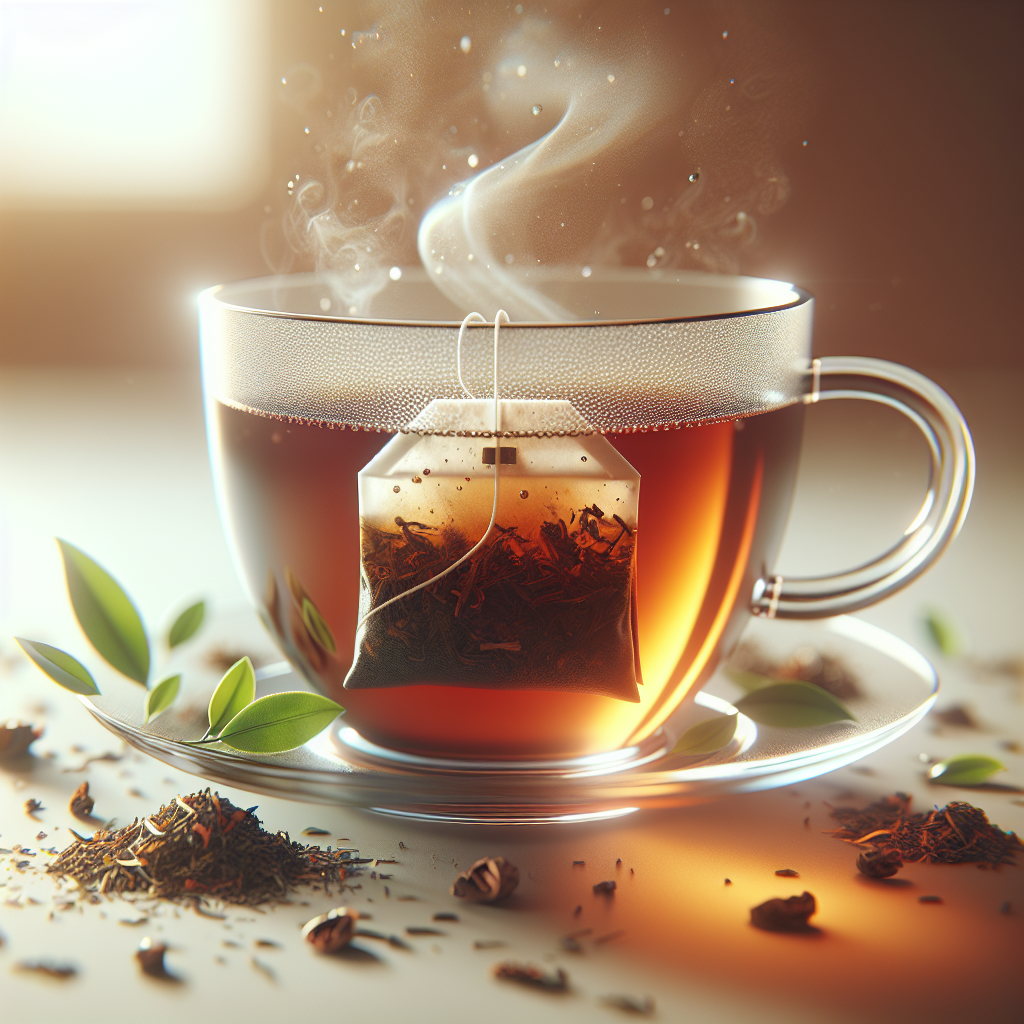
Choose to buy high quality loose leaf tea when shopping for tea leaves. Loose leaf tea gives you more control over the brewing process and makes a cup that tastes and smells better. Please avoid tea bags with finely ground tea dust because they don’t always taste as complex and rich as whole leaf teas.
Mastering The Brewing Process
After picking out the proper tea the next step in making a truly exceptional cup is to master the brewing process. Tea brewing is both an art and a science. You need to pay close attention to the details and be willing to try new things. The first step in making tea process is to heat the water to the right temperature for the tea you want.
The water needs to be at a different temperature to get the most out of each type of tea. The water for delicate green teas should be heated to about 175°F 80C. For black teas the water should be hotter, usually between 200°F and 212°F (93°C and 100°C).
After heating the water, measure the right amount of tea leaves. Most types of tea should be mixed with one teaspoon per cup of water. However this ratio can be changed depending on your taste and the strength of the flavor you want.
Next put the tea leaves in a teapot or infuser and pour hot water over them. Let the tea steep for the time the package says. The time to steep varies by type of tea and can be anywhere from a few seconds to a few minutes.
Watching the steeping time closely is essential because too much time can make the tea bitter. Once you want the tea to be a particular strength please remove the leaves or strain it to keep it from getting too intense. Pour the freshly brewed tea into a cup or teapot and enjoy the smell and taste of your homemade creation.
Exploring Flavor Variations
Making tea process at home gives you much freedom to try different flavors and make your brew exactly how you like it. You can get interesting new flavors and improve your tea drinking experience by trying various ways to make it like cold brewing or using other sweeteners like honey or agave syrup.
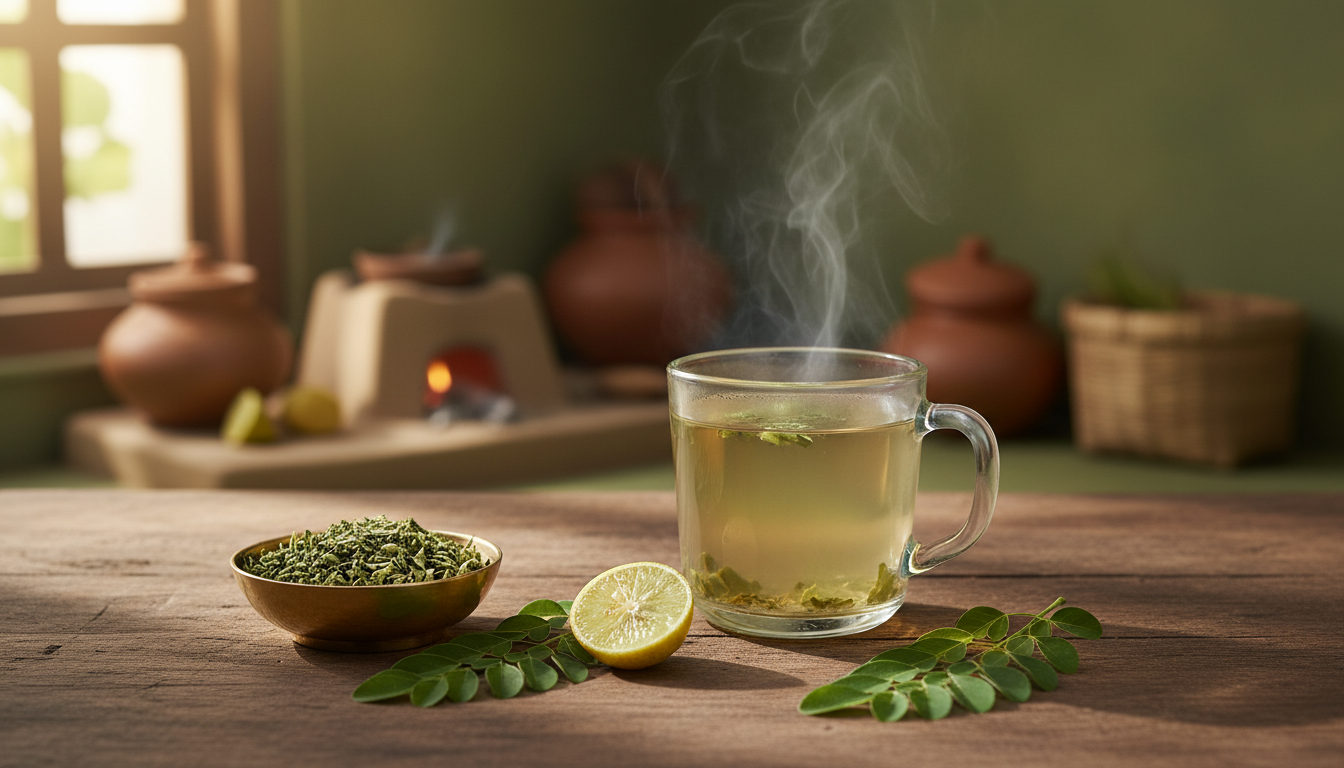
Add fresh herbs, citrus zest or spices to make your tea taste even better. A pinch of cinnamon or a sprig of mint can turn a simple cup of tea into a culinary masterpiece that will make your taste buds dance and your senses sing.
Also different kinds of tea can be mixed to make new flavor combinations. Mixing different types of tea like black tea with bergamot or green tea with jasmine is a great way to be creative and try new things in the kitchen.
Understanding Tea Varieties
To understand the art of making tea process you need to know about all the different kinds of tea that are out there. Although herbal black and green teas are some of the best known there are many more types and each has its taste and qualities.
For instance oolong tea is partially oxidized and tastes between green and black tea. It is a favorite among experts because it has a balance of floral fruity and roasted notes that make it taste complex and nuanced.
White tea on the other hand is made from young tea buds and leaves that are only dried and sometimes lightly oxidized. It is the least processed type of tea. White tea is popular because it has a delicate flavor and a hint of sweetness. It is a good choice for people who like lighter teas because they are soothing and refreshing.
Pu erh tea is a fermented tea from China Yunnan province. It has a robust and earthy flavor that gets better with age. Pu erh tea is often pressed into cakes or bricks. It is loved for its complex flavor and supposed health benefits such as helping with digestion and weight loss. By trying different kinds of tea, people who are just starting to make tea can learn more about the art of it and find new flavors and smells that are delightful.
The Importance Of Water Quality
The tea leaves are significant to the brewing process but the water quality can significantly affect the taste and smell of the finished drink. Too hard or too soft of water can make tea taste flat or bitter and too much chlorine can give it an off flavor.
If you want the purest and most neutral flavor, use filtered or spring water when making tea process at home. Do not use distilled water because it lacks the minerals that will make the tea taste better. The water temperature is also very important because different kinds of tea need to be brewed at different temperatures to get the best flavor.
You can help ensure the water is the right temperature for your tea by using a kettle that can control the temperature or a simple thermometer. By paying attention to the water quality and temperature, beginners can improve their tea making skills and make a better, more flavorful cup of tea.
The Ritual Of Tea Making
In many cultures making tea process is more than just preparing a drink; it is a ritual full of history and meaning. British afternoon tea is a time honored tradition of elegance and refinement while the Japanese tea ceremony is a highly choreographed ritual that celebrates the beauty of simplicity and mindfulness. Tea can bring people together and create moments of connection and reflection.
If you want to add a bit of ritual to the making tea process use a traditional teapot and teacup and savor each step. Try using different ways to brew your tea like the Chinese method of gongfu cha which involves several short infusions to get the most flavor out of the tea leaves.
Conclusion
Making tea Process at home is a fun and educational experience that gives you a look into the rich culture of tea. Tea is a classic drink that everyone can enjoy. First beginners can learn to choose the proper tea, master the brewing process and try different flavors. To enjoy the art of making tea, boil some water, sit back and enjoy the moment.

Leave a Reply