Across China’s long and fragrant history, tea has held a sacred place—woven into myth, medicine, philosophy, and daily life. For those curious about what is the Chinese legend about tea, the story transports us to an ancient world where curiosity, coincidence, and nature’s generosity gave birth to one of the world’s most beloved drinks. This tradition, centuries deep, links emperors and monks, farmers and poets, and continues to shape how we think about balance and wellbeing today. Exploring what is the Chinese legend about tea helps us appreciate not only its origin but also the profound values that flow in every cup.
The Chinese legend about tea is more than a single story—it is a collection of tales passed through dynasties, each celebrating wisdom, discovery, and the pursuit of harmony. Whether it’s Emperor Shen Nong’s fateful encounter with tea leaves or the quiet transformations seen in monasteries, exploring what is the Chinese legend about tea reveals how spiritual and practical life merged around this simple leaf. Through this guide, we will explore ancient myths, health benefits, cultural meanings, and essential facts that continue to make tea a timeless symbol of serenity and connection.
The Origins: Understanding What Is the Chinese Legend About Tea
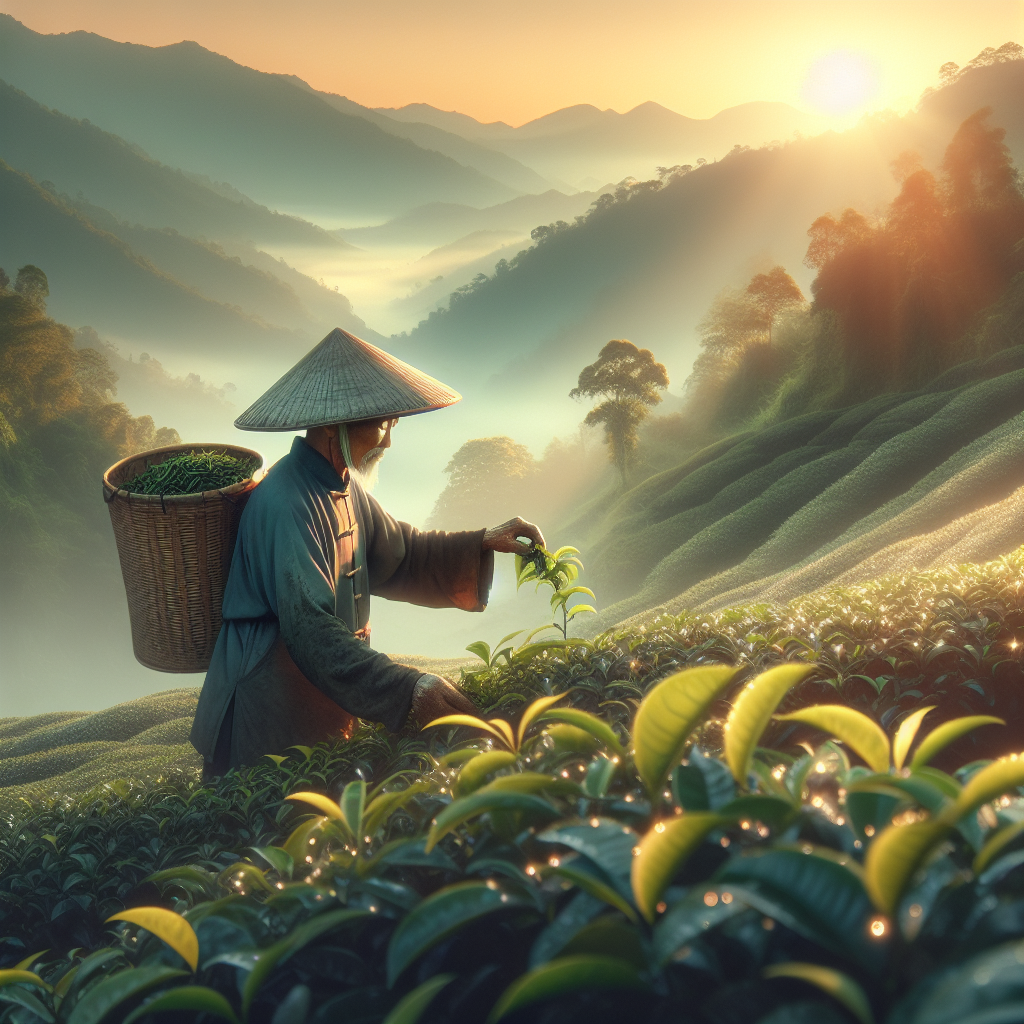
When we explore what is the Chinese legend about tea, the first story that emerges belongs to Emperor Shen Nong, the mythical ruler and herbalist said to have lived around 2737 BCE. Shen Nong, credited with introducing agriculture and herbal medicine, insisted that drinking boiled water was a key to health. According to this tale, as he traveled through the countryside, a few tea leaves from a wild bush drifted into his pot of boiling water. Curious, the emperor tasted the infusion and found it both refreshing and invigorating. Thus, tea was discovered—by chance yet destined to become central in Chinese life.
While modern historians view this story as allegory, it captures ancient values—wisdom gained from observation and respect for nature’s gifts. The legend bridges mythology with scientific curiosity, illustrating that innovation can begin with a simple accident. Over generations, what is the Chinese legend about tea evolved from a mythic narrative into a symbol of enlightenment and mindfulness, a guiding story that connected medicine, ritual, and daily living in harmonious balance.
Shen Nong: The Divine Farmer and His Discovery
Within the legend, Shen Nong is often portrayed as half-human, half-divine—a scholar of plants and a compassionate ruler who tested herbs on himself to understand their properties. When people ask what is the Chinese legend about tea in its purest form, this act of self-experimentation defines the essence of Shen Nong’s journey. By tasting the newly infused water, he discovered that tea could relieve fatigue and aid digestion. This revelation gave tea its reputation as both a remedy and a refreshment.
Chinese herbal texts later associated tea with heat-clearing and detoxifying functions, proof that early Chinese medical lore grew from this myth. The Shen Nong legend remains powerful because it reflects the idea of learning from nature. Each cup of tea, even today, carries his spirit of exploration and harmony.
From Myth to Ceremony: Evolving Traditions of Tea
As centuries passed, scholars debated what is the Chinese legend about tea and how myth translated into ritual. During the Tang Dynasty (618–907 CE), tea blossomed into a refined cultural practice. Buddhist monks used it to maintain alertness during meditation, while poets wrote verses comparing tea to virtue and enlightenment. The Song Dynasty brought elegant tea competitions, where the froth of whisked tea symbolized purity of mind. Through these developments, the mythical discovery matured into a philosophy of mindfulness, balance, and aesthetic refinement.
Interpreting the Symbolism Behind What Is the Chinese Legend About Tea
To understand what is the Chinese legend about tea fully, one must decode its symbolism. The falling leaves represent chance and transformation—ordinary matter turning into something extraordinary through heat, time, and curiosity. In every retelling, tea exists as a metaphor for awareness: small events can awaken great changes. This theme resonates deeply in Chinese philosophy, echoing Taoist and Confucian ideals of harmony with nature and self-cultivation.
Tea as a Symbol of Harmony
In Taoist tradition, tea embodies yin and yang—the dynamic balance between opposing forces. The cool, calming properties of the tea leaf contrast with the fiery process of boiling water, creating a union of energies. Reflecting on what is the Chinese legend about tea, we see that the harmony symbolized here extends beyond the cup to encompass moral balance and social etiquette. Offering tea is not only a gesture of hospitality but an offering of peace and mutual understanding.
Connection Between Nature and Human Wisdom
The legend conveys that human wisdom arises when nature and curiosity converge. Emperor Shen Nong’s discovery illustrates that new knowledge often arrives unplanned. Examining what is the Chinese legend about tea invites us to see life as a process of learning through observation. Each tea leaf, shaped by soil, rain, and human care, embodies a dialogue between Earth and spirit. This symbolic conversation teaches that gratitude and mindfulness belong in every small act, even while brewing a morning cup.
Practical Lessons Derived from What Is the Chinese Legend About Tea
Though ancient, the lessons from this legend endure. To modern readers, exploring what is the Chinese legend about tea suggests several timeless principles: attentiveness to the environment, appreciation of simplicity, and cultivation of patience. Brewing tea cultivates a meditative practice—waiting for the water to heat, watching the leaves expand, smelling the aroma. Each step encourages slowing down in an accelerating world.
Lesson 1: Patience Leads to Clarity
Just as Shen Nong waited for the water to purify, patience allows clarity to emerge. Rushing a brew results in bitterness, both literally and metaphorically. In this way, the legend reminds us that inner peace and insight come from deliberation. When people seek meaning in what is the Chinese legend about tea, they can find guidance for personal growth—balance, focus, and appreciation for the moment.
Lesson 2: Healing Through Simplicity
Ancient Chinese philosophy prized minimalism: less adornment, more substance. Tea’s origin as a wild plant steeped in boiling water proves that healing and pleasure need no excess. Many today return to this philosophy, exploring traditional infusions and natural remedies. Reflecting on what is the Chinese legend about tea, we are reminded that sometimes simplicity holds the deepest wisdom.
Lesson 3: Community and Communication
Tea evolved into an art of hospitality. Sharing tea became central to friendship and diplomacy, showing respect across social classes. Understanding what is the Chinese legend about tea also helps explain this cultural phenomenon: from imperial audiences to village gatherings, tea serves as a bridge connecting personalities, ideas, and generations.
Modern Benefits and Cultural Continuity
Beyond mythology, today’s science acknowledges many of the restorative effects ancient people observed. When assessing what is the Chinese legend about tea in modern light, the narrative parallels scientific evidence—antioxidants, anti-inflammatory compounds, and calming properties that contribute to overall wellness.
Health Benefits Linked to the Ancient Legend
- Antioxidant Protection: Modern research supports how polyphenols in green tea help neutralize free radicals, echoing how ancient Chinese people viewed tea as cleansing.
- Energy and Focus: The combination of caffeine and L-theanine enhances mental alertness without agitation—a modern reflection of why monks cherished tea for meditation.
- Digestive Support: According to traditional lore and nutrition science, tea supports metabolism and digestion, aligning with Shen Nong’s original observations.
- Emotional Centering: The act of preparation mirrors mindfulness, transforming tea into both a ritual and therapy session.
Environmental Awareness and Sustainable Growth
The legend also teaches reverence for nature. Understanding what is the Chinese legend about tea highlights that humans are stewards, not owners, of their environment. Ancient farmers revered the land that nurtured tea. Modern sustainable cultivation practices—shade farming, organic composting, water preservation—continue that legacy. As global demand grows, returning to such wisdom ensures the future vitality of the tea world.
Applying the Legend in the Modern Lifestyle
In contemporary culture, exploring what is the Chinese legend about tea goes beyond storytelling—it transforms into life philosophy. Professionals use tea rituals to manage stress, artists draw inspiration from its symbols, and wellness communities integrate its energy-balancing properties into daily habits. Tea ceremonies serve as mindful pauses, emphasizing connection and gratitude.
Integrating Tea into Mindfulness Practices
Brewing and enjoying tea can be a daily form of meditation. Reflecting on what is the Chinese legend about tea while sipping encourages self-awareness. It’s not only the hydration that heals but the intentional pause. This practice trains attention and anchors mental calm, allowing appreciation of life’s subtle nuances.
What Is the Chinese Legend About Tea and Everyday Wellbeing
For those weaving ancient wisdom into modern life, this legend serves as a compass. Preparing tea can symbolize balance between effort and acceptance. Taking a moment to breathe in the aroma connects body and mind. This conscious act reflects how understanding what is the Chinese legend about tea can cultivate inner peace within a hurried lifestyle.
Culinary Adaptations and Tea Pairings
China’s culinary world celebrates the diversity of tea—from smoky lapsang souchong paired with savory dishes to delicate jasmine teas served with pastries. Knowing what is the Chinese legend about tea elevates appreciation; each sip becomes an homage to cultural resilience and artistic refinement. Restaurants increasingly create menus centered around tea pairings that echo the story’s moral—balance, respect, and discovery.
Art, Literature, and Global Influence
The legend continues to inspire painters, poets, and designers. Tang poetry referenced tea as “light that clarifies the soul.” Modern art installations mirror its themes of awakening. By reflecting on what is the Chinese legend about tea, creators reinterpret tradition for new audiences, ensuring that culture evolves while honoring its essence.
Quick Facts: Summary of What Is the Chinese Legend About Tea
- The central figure is Emperor Shen Nong, the Divine Farmer.
- Legend dates back to approximately 2737 BCE.
- Discovery occurred accidentally when tea leaves dropped into boiling water.
- Tea became a medicinal and spiritual beverage in ancient China.
- Tradition spread through dynasties, shaping art, meditation, and social customs.
- Modern tea practices still echo the lessons of patience, harmony, and curiosity.
- Scientific evidence now supports many of the health observations once based on the legend.
Exploring Related Resources
To expand your understanding of what is the Chinese legend about tea, explore these trusted sources and internal guides:
- Encyclopedia Britannica: History and Cultural Significance of Tea
- China Highlights: Tea Culture and Traditions
- Tea Story Blog: Tea Ceremonies and Rituals
- Tea Story Blog: The History of Tea in Ancient and Modern China
Frequently Asked Questions
What is the Chinese legend about tea and Emperor Shen Nong?
The story centers on Emperor Shen Nong, an early ruler considered the father of Chinese agriculture and herbal medicine. Around 2737 BCE, while boiling water beneath a wild tree, a few leaves drifted into his pot. Drinking the infusion revived his energy and clarified his mind. This moment is viewed as the mythical birth of tea. The legend symbolizes curiosity meeting chance—when human observation and nature combined to produce transformation. The tale still shapes Chinese culture, reinforcing how wisdom often emerges through openness to the unexpected.
How does what is the Chinese legend about tea relate to Chinese philosophy?
The legend aligns deeply with Taoist and Confucian principles of harmony and self-cultivation. Tea reflects the yin-yang balance—cool and calming yet stimulating in spirit. When people discuss what is the Chinese legend about tea, they recognize its symbolism: achieving inner and outer harmony through simplicity. Pouring and sharing tea mirrors moral refinement, humility, and respectful exchange. It’s why the beverage remains integral to ceremonies, showing that philosophy is best practiced through everyday acts rather than abstract ideas.
Why is understanding what is the Chinese legend about tea relevant today?
Modern society often seeks mindfulness amid rapid change. By studying what is the Chinese legend about tea, individuals learn enduring lessons—patience, observation, and gratitude. Tea preparation offers a break from screens and stress, grounding the mind in sensory awareness. The symbolic link between nature’s rhythm and human wellness continues to inspire sustainable lifestyles. Recognizing these ancient roots strengthens our emotional connection to simplicity, environmental respect, and cultural continuity in an increasingly complex world.
What health insights stem from what is the Chinese legend about tea?
Early Chinese healers viewed tea as detoxifying and restorative. Today, science confirms many of those claims. Studies suggest that regular tea consumption aids metabolism, improves focus, and provides antioxidants. Exploring what is the Chinese legend about tea highlights the bridge between traditional intuition and modern evidence. Just like Emperor Shen Nong’s observations, modern practitioners value its gentle yet effective properties. Whether green, black, or oolong, each variant reflects centuries of experimental wisdom evolving from ancient stories.
How did what is the Chinese legend about tea shape social customs?
Tea ceremonies embody the values emerging from this legend: ritual, respect, and unity. Serving tea remains a gesture of hospitality, reflecting humility and sincerity. In ancient courts and family gatherings alike, offering tea meant extending peace. Understanding what is the Chinese legend about tea shows how a simple beverage became cultural glue. Beyond etiquette, the act of pouring represents mindfulness, patience, and equality. No hierarchy dominates when sharing tea—only shared appreciation for warmth and fragrance.
What artistic expressions are inspired by what is the Chinese legend about tea?
From Tang poetry to contemporary installation art, the tale of Shen Nong animates countless works. Painters depict tranquil garden scenes, poets praise clarity of spirit, and modern filmmakers use tea’s quiet symbolism to convey inner calm. When artists reinterpret what is the Chinese legend about tea, they invite reflection on transience and serenity. Tea becomes muse and metaphor, infusing creativity with depth. Even minimalist design trends often echo its understated beauty, honoring heritage through form and presence.
How can individuals apply what is the Chinese legend about tea in daily routines?
Applying the legend in daily habits begins with attention and care. Brew tea slowly, in silence if possible. Observe aroma and color. Think of Emperor Shen Nong and his discovery—an experiment that led to wellbeing. Practicing such mindfulness fosters patience and gratitude. Understanding what is the Chinese legend about tea transforms a simple beverage into meditation, aligning physical nourishment with emotional clarity. Whether at home or in community gatherings, the tradition continues through deliberate appreciation of each sip.


Leave a Reply