
For those who appreciate the ritual of a warm brew but prefer convenience without sacrificing quality, tea sachets have become an indispensable choice. Whether you’re busy at work, traveling, or relaxing at home, these neatly packed infusers offer a perfect balance of flavor, aroma, and practicality. Unlike traditional tea bags or loose-leaf brewing, tea sachets allow for a more refined infusion that honors both taste and craftsmanship. Understanding what makes them special can help you choose varieties that align with your taste, wellness goals, and sustainability values.
Modern tea sachets bridge traditional tea-making and today’s fast-paced lifestyle. With improved packaging materials, natural blends, and transparency in sourcing, they’ve evolved far beyond the mass-produced options of the past. If you’ve ever wondered how to tell quality sachets apart, which health benefits they offer, or the eco-friendly aspects of their design, this guide delivers an in-depth look. From types and ingredients to brewing techniques and storage methods, everything you need to know about tea sachets is right here in one place.
Understanding Tea Sachets
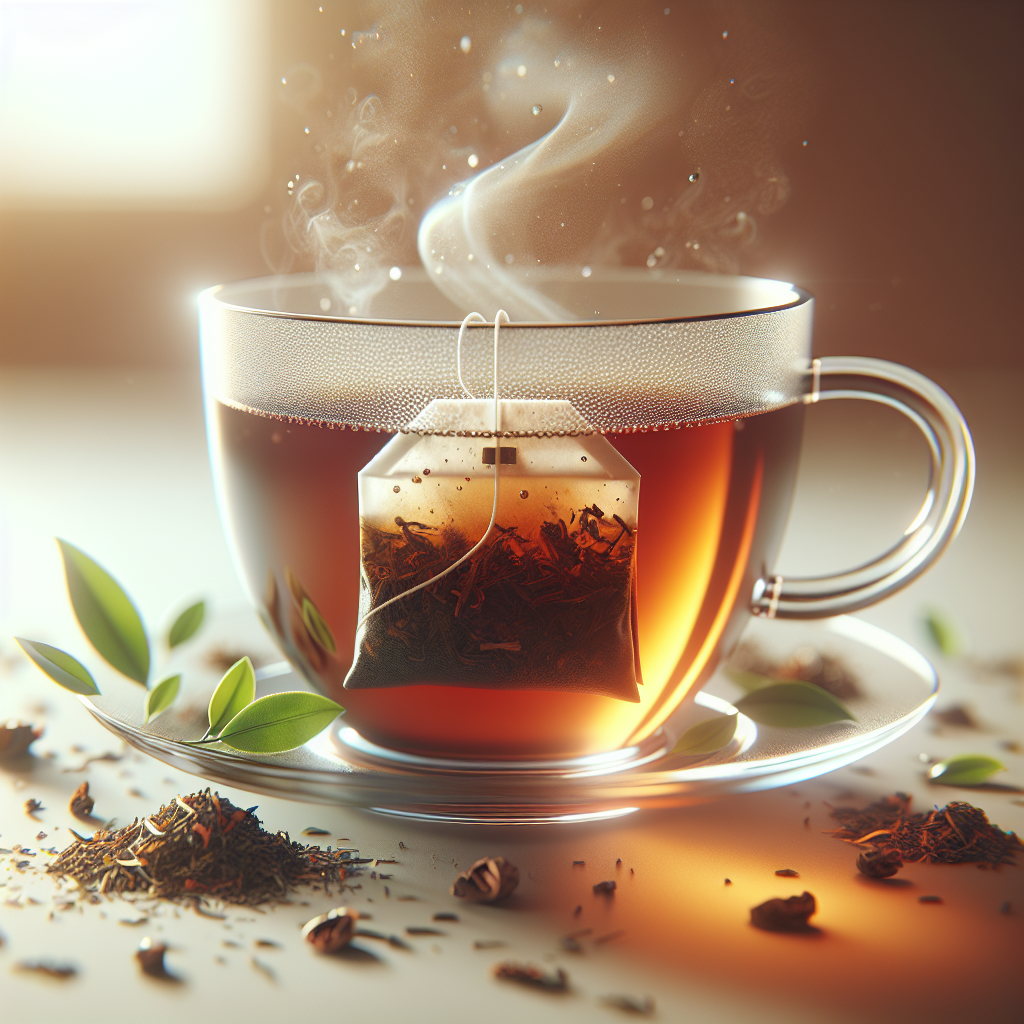
Tea sachets are small, porous pouches containing pre-measured quantities of tea leaves, flowers, or herbal blends. Designed for convenience, they simplify brewing by eliminating the need for special equipment while maintaining high flavor quality. Unlike standard tea bags, which often contain broken leaves, sachets accommodate whole or large-cut leaves that yield more aromatic and nuanced infusions.
The Evolution of Tea Sachets
The story of tea sachets began as an innovation in packaging—developed to deliver quality and authenticity without mess. Initially introduced to preserve freshness, sachets gained popularity as consumers sought premium experiences with minimal effort. Over the last decade, eco-conscious production methods and aesthetic packaging have elevated sachets to a staple among health-minded tea enthusiasts.
Material Innovation in Tea Sachets
Modern producers employ diverse materials like silk, biodegradable cornstarch mesh, and plant-based fibers. These materials allow water to circulate freely through the leaves, improving extraction and flavor. Some luxury brands have replaced microplastic meshes with fully compostable filters to prevent environmental harm while ensuring that tea sachets maintain elegance and sustainability. To make greener choices, always verify if the sachet and packaging are plastic-free or certified compostable.
Benefits of Using Tea Sachets
When measured correctly, tea sachets offer more than just ease—they preserve flavor integrity and support a mindful drinking ritual even in busy moments. Their design ensures large tea particles expand properly, allowing the rich oils and complex aromas to release fully into your cup. Beyond taste, the benefits extend to consistency, health, and sustainability.
Flavor Consistency
With tea sachets, every cup mirrors the next in quality. The portioned servings protect users from over-brewing and allow consistency in temperature and steeping duration. This reliability draws both novice drinkers and professionals seeking efficiency without losing the artisanal appeal of loose-leaf tea.
Health Benefits of Tea Sachets
The health perks of tea sachets remain identical to those from loose leaves. Whether you choose green, black, oolong, or herbal, properly sourced teas contain antioxidants, polyphenols, and calming compounds like L-theanine. Regular consumption promotes hydration, supports metabolic function, and can assist in stress reduction. Herbal options such as chamomile or peppermint sachets further provide relaxation and digestive comfort.
Organic and Bioactive Rich Sachets
Selecting organically grown tea sachets ensures you avoid synthetic pesticides and benefit from richer bioactive compounds. Consider brands that specify fair-trade or small-farm sourcing; they typically preserve ethical practices and maintain biodiversity. Studies have shown organic blends retain higher chlorophyll and polyphenol levels, amplifying the natural health effects of tea drinking.
Different Types of Tea Sachets
The market offers wide-ranging sachet styles—from classic single-origin teas to innovative herbal infusions. Knowing which type fits your occasion can enhance every sip. Quality sachets preserve the distinct flavor of the tea without artificial flavoring or dust-like residue common in cheaper alternatives.
Traditional Varieties
Common traditional tea sachets include Earl Grey, Darjeeling, English Breakfast, Sencha, and Jasmine Green. These maintain historical formulas while providing consistency in taste. Specialty producers often source from respected estates and carefully portion leaves to showcase regional character in each sachet.
Herbal and Functional Sachets
Herbal sachets have become go-to options for wellness lovers. Options include fennel for digestion, rooibos for antioxidant support, and lavender for calmness. Functional tea sachets often blend adaptogens or botanicals linked with energy and immunity, meeting growing consumer interest in beverage-based self-care.
Seasonal and Limited Edition Sachets
Many brands offer seasonal blends like autumn chai, spring matcha mint, or winter spice sachets. These not only capture aromas associated with certain times of year but also highlight local harvest cycles. Limited edition tea sachets give tea lovers a chance to explore rare leaves and creative pairings otherwise unavailable in regular ranges.
How to Brew Tea Sachets Properly
Brewing sachets seems simple, yet subtle details make a difference in extracting full flavor. Optimal brewing temperature, water quality, and steeping time each determine how your cup will taste. Over-steeping or using boiling water for delicate teas often results in bitterness, while cool water leads to under-extracted tea.
Steps for Perfect Infusion
Here’s a basic routine for everyday tea sachets:
- Use fresh, filtered water and heat to appropriate temperature depending on tea type (approx. 80–95°C).
- Place sachet in the cup before pouring water to allow even saturation.
- Steep between 2–5 minutes for balance; shorter brewing highlights light teas while longer enhances bold blends.
- Remove sachet gently and avoid squeezing it—this can release bitter tannins.
Water Quality and Brewing Vessels
Tap water containing high minerals can dull the vibrancy of tea sachets. For optimal results, opt for filtered or spring water. Glass or ceramic cups showcase infusion color and maintain purity of taste better than metal containers, especially for lighter teas.
Brewing Innovations for On-the-Go Sachet Lovers
Portable infusers, travel mugs, and compact electric kettles now make quality tea accessible anywhere. Tea sachets designed for cold brewing can also steep overnight in the fridge, enabling refreshing results without heat. These advancements reinforce the sachet’s place in modern lifestyles—bridging traditional culture and mobility.
Choosing Quality Tea Sachets
Not all sachets deliver the same taste or value. The difference lies in leaf grade, freshness, packaging, and ethical sourcing. Understanding what to look for can spare you from flat-tasting tea and ensure a satisfying, sustainable purchase.
Key Indicators of Premium Sachets
- Transparency: Labels mentioning origin, altitude, and harvest date signify trustworthy sourcing.
- Leaf integrity: Look for sachets holding long, intact leaves rather than powder residues.
- Eco-packaging: Environmentally friendly wrapping shows brand commitment beyond profit.
- Full aroma: Before steeping, sachets should emit natural fragrance—not artificial scent.
Trusted Brands and Ethical Practices
Renowned producers emphasize sustainable farming and direct trade. They ensure tea farmers receive fair compensation and preserve biodiversity. For information about transparent practices, access resources like Tea Association of the USA for guidance on ethical standards, or learn more about organic certification through Rainforest Alliance.
Storage and Shelf Life
Proper storage ensures your tea sachets retain quality until the last cup. Exposure to moisture, light, or strong odors diminishes freshness. Keeping them in airtight containers extends shelf life and protects natural aroma.
Ideal Storage Conditions
Store sachets in a cool, dry environment away from direct sunlight. Glass jars with opaque lids or matte tins prevent ultraviolet degradation. Most tea sachets maintain optimal flavor for 12–24 months after packaging, depending on leaf type and processing.
Signs of Expired Tea Sachets
If the sachet emits dull, stale, or flat scent, it’s time to replace it. Loss of scent or yellowing mesh indicates oxidation. While expired sachets are usually safe, their diminished potency renders them unsuitable for quality brewing experiences.
Sustainability and Environmental Impact
The shift toward sustainable tea sachets reflects changing consumer values. Plastic-free materials, fair-trade sourcing, and minimal-waste packaging now define premium products. Manufacturers recognize that modern consumers seek harmony between personal wellness and environmental stewardship.
Eco-Friendly Materials
Brands increasingly embrace compostable meshes made of plant fibers like Soilon or biodegradable cornstarch. These alternatives reduce microplastic pollution and align with environmental ethics. Compost-certified tea sachets decompose in 12 weeks under proper conditions, making them a greener choice than conventional bags.
Consumer Participation in Sustainability
Users can play their part by supporting brands with transparent sustainability reports. Avoid over-packaged products and consider reusing tins or jars. Reading certification symbols like USDA Organic or Fair Trade gives assurance that the tea sachets you purchase contribute positively to both people and the planet.
Market Trends and Innovations
Recent years have seen remarkable creativity in the tea sachet segment. Young entrepreneurs and heritage brands alike experiment with global flavors, specialty herbs, and enhanced visuals. These shifts cater to evolving palates and lifestyles demanding personalization and functionality.
Technology Integration
Smart labeling and QR-enabled packaging now help tea buyers trace farm-to-cup origins. Several companies even use digital transparency tools to share harvest stories, giving tea sachets a narrative aspect beyond simple refreshment. Improved tracking systems strengthen consumer trust and product authenticity.
Fusion Concepts and Global Influence
Beyond traditional teas, cross-cultural blends—like matcha-chamomile or ginger-hibiscus—illustrate how sachets respond to global culinary influences. These creative tea sachets fuse comfort, wellness, and adventure in each brew. Regional markets reflect individual preferences, showing how one small sachet unites centuries of tea culture worldwide.
Serving Suggestions and Pairings
Pairing foods with tea sachets enhances the dining experience through complementary taste notes. Whether served with breakfast pastries, savory appetizers, or evening desserts, each tea type accentuates distinct flavors and textures.
Food Pairing Examples
- Black teas: Ideal with toast, buttered scones, or chocolate cake.
- Green teas: Pair beautifully with sushi, salads, or steamed fish.
- Herbal teas: Match well with fruit platters or cheese boards.
Creative Serving Tips
Experiment with cold brews or using brewed tea sachets as recipe bases for smoothies, cocktails, and desserts. For an additional read, visit this tea recipe post on TeaStory or explore the origins of blends through the Tea History section.
Conclusion
Tea sachets exemplify the perfect merger of elegance, practicality, and wellness. They simplify the brewing process while honoring centuries of tradition and sensory pleasure. Beyond mere convenience, their evolution marks a significant step toward sustainable tea culture. Whether you reach for a morning energizer or a calming night herbal blend, choosing quality sachets transforms ordinary hydration into ritual. As long as you mind your selection, brew time, and storage, tea sachets remain a refined, eco-conscious, and healthful choice for modern life.
Frequently Asked Questions
Are tea sachets better than regular tea bags?
Tea sachets differ from traditional bags because they allow space for whole leaves to fully expand and infuse. This results in richer and more complex flavor profiles. Standard bags often contain crushed or powdered leaves, yielding a flat taste. Though sachets may cost slightly more, they provide premium quality and consistent extraction, making them a better choice for those valuing flavor nuance and purity in their daily tea routine.
How should I store my tea sachets to maintain freshness?
Keep tea sachets in an airtight container away from sunlight, moisture, and strong odors. Light and humidity degrade leaves inside sachets quickly. Optimal storage temperature should be cool but not refrigerated, as condensation can develop during temperature shifts. If feasible, divide large batches into smaller containers to preserve aroma. Proper storage extends the drink’s natural vibrancy and ensures a fresh, satisfying cup every time you brew.
Do tea sachets have the same health benefits as loose-leaf tea?
Yes, if sourced from high-quality leaves. Tea sachets maintain the intrinsic antioxidants, amino acids, and polyphenols found in loose-leaf tea. These compounds support metabolism, boost immunity, and provide gentle mental alertness. The key lies in leaf grade and freshness—you get what’s inside. Buy sachets that disclose origins and organic certification for optimal benefits, ensuring every infusion delivers authentic wellness advantages similar to traditional loose tea.
Can I reuse tea sachets for a second cup?
Good-quality tea sachets can often be reused once, especially for green or oolong teas. The second brew may taste lighter but still enjoyable. To reuse effectively, steep slightly longer the second time—add around a minute extra. Avoid reusing sachets after long delays, as dampness encourages bacterial growth. Always discard used sachets by composting if biodegradable to keep both your cup and the planet refreshed.
Are biodegradable tea sachets safe for composting?
Absolutely. Biodegradable versions are made from plant-based fibers such as cornstarch mesh or Soilon, which decompose naturally without releasing microplastics. To compost safely, confirm the product’s certified compostable label. Cut open the sachet before adding it to compost to speed decomposition. Within several weeks under suitable moisture and temperature, these eco-friendly tea sachets return to the earth, aligning your tea routine with sustainable living practices.
Which brands make the most eco-friendly tea sachets?
Brands embracing fair trade and plastic-free packaging lead the eco movement. Look for those holding Rainforest Alliance or USDA Organic certification. Companies like Pukka, Numi, and Clipper boast compostable meshes and ethical sourcing programs. Such producers craft tea sachets that taste outstanding and honor environmental stewardship. Checking transparency reports or manufacturer websites ensures you enjoy every cup responsibly, knowing your purchase benefits both nature and local farmers.
Do tea sachets differ from pyramid tea bags?
Yes, though the terms overlap. Pyramid bags are a form of tea sachet characterized by their triangular shape, allowing leaves to swirl freely during steeping. While all pyramids qualify as sachets, not all sachets are pyramids—some are rectangular or round but use similar fine mesh materials. Whichever form you prefer, the principle remains: roomier packaging enhances water circulation and flavor release, producing a superior, visually appealing brew experience.
Can I travel with my tea sachets easily?
Definitely. Tea sachets are perfect for travelers because they’re compact, lightweight, and airport security-friendly. Store them in resealable packs to preserve aroma. You can enjoy your favorite tea on airplanes, in hotels, or offices with minimal accessories—just a mug and hot water. Many global tea consumers maintain a small sachet pouch in their carry-on, proving that comfort and wellness follow wherever life takes them, one sachet at a time.


Leave a Reply