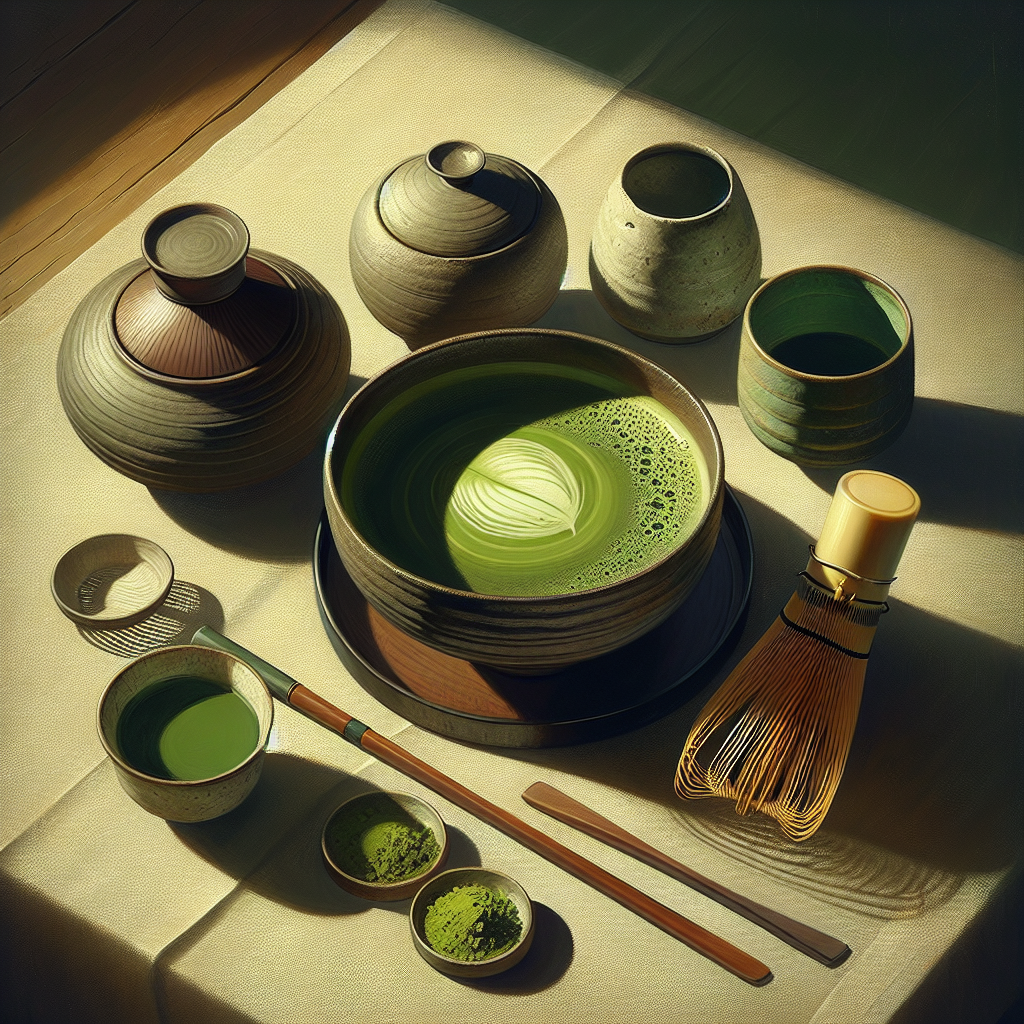
There is something quietly meditative about preparing and sipping from a matcha bowl. The earthy aroma, the vivid green hue, and the gentle foam that forms when whisked properly all awaken the senses in a subtle and mindful way. A matcha bowl represents more than a simple vessel—it embodies centuries of culture and ritual. From traditional Japanese tea ceremonies to modern wellness routines, this handcrafted piece continues to captivate both artisans and everyday tea enthusiasts. In exploring its origins, flavor depth, and enduring appeal, we can better understand why the matcha bowl has become a timeless expression of balance, beauty, and taste.
When one holds a matcha bowl in both hands, it carries an unspoken invitation: slow down, observe, and connect. Each curve, glaze, and texture serves a purpose that enhances not just the tea inside but the entire sensory experience. Understanding where the matcha bowl came from and what makes it special adds another layer of appreciation to every sip you take.
Origins of the Matcha Bowl
The story of the matcha bowl begins in ancient China, tracing back to the Song Dynasty, when finely powdered tea leaves were whisked into hot water. This style of tea preparation eventually traveled to Japan with Zen Buddhist monks around the 12th century. Over time, it evolved into the Japanese tea ceremony, where every element—from the bamboo whisk to the matcha bowl—came to represent harmony, respect, purity, and tranquility. Known as “chawan” in Japanese, the bowl took on spiritual meaning as well as functional importance.
Cultural Roots and Symbolism of the Matcha Bowl
In Japanese culture, the matcha bowl is not just a drinking vessel—it is a symbol of mindfulness. Each bowl is unique, crafted by potters who use selective clays, glazes, and firing techniques to create both subtle imperfections and artistic identity. This pursuit of “wabi-sabi,” the appreciation of imperfection and impermanence, reflects the philosophy inherent in tea ceremony practice. A chipped glaze or uneven edge may increase a bowl’s charm rather than diminish its value. It reminds the user that beauty can reside in transience and simplicity.
During traditional tea ceremonies, bowls are often selected according to the season. A deep, robust matcha bowl with thick walls preserves heat during winter, while a lighter, more open design promotes cooling in summer. By connecting craftsmanship with nature’s rhythm, this simple ritual expresses a respect for natural cycles that continues to define Japanese aesthetics today.
Regional Influences in Matcha Bowl Craftsmanship
Different regions of Japan have distinct pottery traditions that shape the design of the matcha bowl. For example, Raku ware, developed in Kyoto, is cherished for its hand-molded form and rich glazes, offering a tactile warmth when cradled in the palms. Shino ware from Gifu Prefecture features milky white glazes with subtle red undertones, while Hagi ware from Yamaguchi showcases soft textures and hues that mature with each use. Each style reveals not only local clay and firing conditions but also the spirit of its region. These bowls are more than functional; they serve as living records of cultural heritage and artistic evolution.
Evolution and Global Spread
The matcha bowl’s significance did not remain confined to Japan. In recent decades, the global rise of matcha culture has introduced this cherished vessel to tea lovers worldwide. Cafés from New York to Copenhagen now serve ceremonial-grade matcha in hand-thrown bowls—sometimes modernized, sometimes faithful to ancient tradition. As wellness movements promoted matcha as a superfood rich in antioxidants and L-theanine, the matcha bowl became a symbol of mindful living and modern minimalism.
Cross-Cultural Adaptation
Western ceramists began experimenting with matcha bowl designs, combining Japanese influence with local clay traditions. Some Western artisans draw from Scandinavian design principles, emphasizing minimalist lines and muted tones, while maintaining the bowl’s classic open-mouth shape ideal for whisking. This fusion has expanded the bowl’s design vocabulary and introduced matcha rituals into modern households across continents. The matcha bowl thus bridges tradition and contemporary lifestyle—where cultural respect and creativity coexist.
The Role of the Internet in Matcha Bowl Popularity
Digital communities helped amplify appreciation for the matcha bowl. Platforms like Instagram and Pinterest showcase curated tea setups, where the bowl’s handcrafted detail often becomes a focal point. The simplicity of a matcha whisk resting beside a smooth-glazed chawan attracts those who value organic textures and authenticity. Online tutorials teach enthusiasts how to whisk matcha properly, demonstrating why the bowl’s curves, depth, and texture affect foam consistency. Through this exposure, the matcha bowl has transitioned from a niche ceremonial item into a lifestyle statement grounded in tradition but accessible to all.
The Flavor Connection
Flavor is central to the matcha experience, and the matcha bowl plays a sensory role in enhancing it. The broad shape allows the whisk to aerate the tea, creating a delicate foam that softens matcha’s natural bitterness. When you sip directly from the bowl, you encounter the balance of umami, sweetness, and earthiness in its purest form. This tactile contact between lips and ceramic invites calm concentration, encouraging drinkers to savor rather than rush.
How Bowl Shape Influences Matcha Taste
The design of a matcha bowl matters more than one might think. A deep, rounded bowl retains heat and keeps matcha warm longer, ideal for slow ceremonies. In contrast, wide and shallow bowls allow the tea to cool quickly, better suited to warmer weather or lighter matcha varieties. Texture also influences perception: a rougher surface creates a grounded feeling, while a glossy glaze highlights visual purity. The subtle tilt of the rim can redirect aroma as you drink. Every detail impacts temperature, mouthfeel, and enjoyment.
Color Psychology and the Matcha Bowl
Color selection affects mood and taste perception. A dark brown or black matcha bowl contrasts beautifully with the vibrant green of the tea, intensifying the color’s appeal. Lighter hues such as pale blue or cream evoke tranquility, ideal for an afternoon ritual. Many matcha practitioners use color harmony as a way to engage both emotion and artistry. Choosing a bowl thus becomes a mindful act—one that engages eyes, hands, and palate together.
Why People Love the Matcha Bowl
Beyond history and function, the matcha bowl carries emotional value. Modern drinkers are drawn to its aesthetic simplicity and its invitation to slow down in a fast-paced world. It represents authenticity—a departure from disposable convenience items. For some, it is a collectible art object; for others, a daily ritual companion. The resurgence of interest in traditional crafts has only strengthened this appreciation.
Meditative Benefits of Using a Matcha Bowl
Preparing matcha in a bowl encourages focus. The repetitive swirl of the bamboo whisk, the gentle sound of water meeting powdered leaves, and the warm ceramic between fingers create a grounding sensory routine. Many practitioners describe this as a form of moving meditation or mindfulness practice. The tactile comfort of a matcha bowl makes it a perfect tool for intentional living—connecting mind, body, and taste into one cohesive moment.
Modern Aesthetics and Interior Integration of the Matcha Bowl
Today’s households display their matcha bowl not just in kitchens but as artistic focal pieces. Their organic forms and muted glazes complement minimalist interiors and mindful design philosophies. Designers collaborate with potters to produce limited editions that blend ancient silhouettes with modern sheen. Whether paired with bamboo utensils or stainless accessories, the matcha bowl stands as an emblem of elegance meeting wellness. It naturally fits into sustainable living and slow design movements, aligning with values of patience, quality, and connection.
Choosing the Right Matcha Bowl
Selecting a suitable matcha bowl involves more than visual preference—it’s about matching personal use with environmental context and comfort. A well-chosen bowl enhances every step of whisking and sipping. Below are practical considerations when choosing one that works best for your practice.
- Size: Standard bowls are around 12–15 cm wide, offering room for proper whisking without splashing.
- Material: Earthenware retains warmth, while porcelain emphasizes refinement.
- Shape: Tall bowls for winter retain heat; wide bowls for summer cool quickly.
- Texture: Smooth interiors assist whisking; textured exteriors provide grip.
- Functionality: Choose shapes comfortable for both hands to hold simultaneously.
If you are new to tea rituals, start with a simple, hand-crafted bowl rather than a mass-produced version. The individuality of each handcrafted matcha bowl connects you to the potter’s touch, preserving the spirit of tradition. You can explore fine examples by browsing educational resources, such as the TeaClass educational archive and Tea Association of the USA for further learning about ceremonial and everyday tea utensils.
How to Use and Care for a Matcha Bowl
Proper handling extends the life and beauty of a matcha bowl. Always rinse with warm water before and after use—avoid soap, which can affect glaze texture or leave residue. Use a soft cloth for drying and never expose the bowl to sudden temperature changes that might cause cracking.
Whisking Technique
When preparing matcha, sift the powder first, then pour water around 75–85°C into the matcha bowl. Whisk briskly in a W-shaped motion using a bamboo whisk. The bowl’s curvature directs air and liquid to create that characteristic creamy foam. Grip the sides lightly to stabilize the bowl as you whisk, allowing rhythm instead of force to generate froth.
Storage and Seasonal Considerations for the Matcha Bowl
After rinsing, allow your matcha bowl to air-dry before storage. During humid seasons, place it facing downward on a breathable cotton cloth to avoid moisture buildup. Rotate bowls seasonally if you own multiple; this prevents prolonged exposure to temperature or light inconsistency. Many collectors treat their bowls much like fine ceramics—pieces that age gracefully with recurring use. As the glaze matures, subtle color changes testify to its life and shared tea moments.
Emotional Connection and Lifestyle Integration
Every time someone prepares tea in a matcha bowl, they participate in an invisible thread of continuity linking past and present. That continuity resonates in the global appeal of mindfulness, sustainability, and self-care. Through a simple act of whisking green tea, ancient philosophy transforms into a modern living habit.
Collectibility and Artistic Value
Collectors often treat matcha bowls as functional art. Limited-edition collaborations between potters and contemporary designers make each bowl unique. In specialized galleries and tea festivals, such bowls are appreciated for both ergonomic design and visual storytelling. For further context on the artistic evolution of tea utensils, you might visit Tea History, where cultural shifts behind such artworks are explored in depth.
Matcha Bowl in Everyday Wellness Routines
Integrating a matcha bowl into daily rituals promotes mindful pause. Some people use their morning matcha session as an alternative to meditation; others pair it with journaling or yoga. The sensory focus induced by the whisking process helps frame the day with calm precision. You can find creative drink recipes using this approach at Tea Recipe, extending the experience beyond simple drinking toward culinary creativity.
Modern Variations and Artistic Innovation
Contemporary potters experiment with glazes that respond to light or reveal hues when hot water is added. Some design asymmetrical rims to encourage mindful rotation before drinking, a subtle homage to tea ceremony etiquette. Others craft glass or double-walled ceramic versions suited for travel or casual settings while maintaining the classic proportion of a matcha bowl.
Sustainability in Matcha Bowl Production
Eco-conscious creators now prioritize local clay and low-impact firing methods. Workshops that reconnect artisans to natural resources preserve both environment and tradition. Organic, chemical-free glazes enhance safety and aesthetic value, ensuring each matcha bowl continues to symbolize environmental harmony alongside human artistry.
Collaboration Between Artisans and Users
Workshops across Japan, Europe, and North America invite guests to shape their own matcha bowl under guidance. This participatory art transforms consumers into co-creators, deepening appreciation for handcrafted work. Sharing this experience perpetuates the communal spirit behind tea culture—one that extends beyond beverage enjoyment into meaningful human connection.
Conclusion: The Enduring Appeal of the Matcha Bowl
From monastery rituals to contemporary cafés, the matcha bowl remains at the heart of tea culture. Its appeal lies not only in function or form but also in the invitation it offers—to pause, to connect, and to appreciate the present moment. Holding it, you hold centuries of heritage and the personal serenity it continues to inspire. In every sip drawn from a matcha bowl, history, flavor, and intention converge, ensuring this humble object’s lasting presence in both art and daily life.
Frequently Asked Questions
What makes a traditional matcha bowl different from an ordinary cup?
A traditional matcha bowl differs by design—its wider mouth allows for proper whisking and aeration, producing fine foam essential to matcha texture. The bowl encourages two-handed sipping, symbolizing respect and mindfulness. Unlike an ordinary cup, the thickness retains warmth and provides tactile connection with the tea. Over time, each matcha bowl develops unique glaze aging patterns that enrich aesthetic value, turning each serving into a small act of art and reflection integrated with centuries of tea craftsmanship.
How do I properly clean my matcha bowl after use?
To preserve the integrity of your matcha bowl, avoid soap or harsh chemicals. Rinse it immediately after use with warm water, gently removing residue with your fingers. Allow it to air-dry upside down. Periodically inspect for fine cracks to prevent moisture retention. Never expose it to extreme temperature changes—such as pouring boiling water into a chilled bowl. Proper care not only enhances longevity but maintains flavor purity with each new session, creating continuity between mindful preparation and sustainable living habits.
Can modern materials replicate the feel of a traditional matcha bowl?
Modern designers have experimented with porcelain, glass, and even double-walled ceramics to replicate the feel of a matcha bowl while adding durability. However, traditional clay versions still provide superior warmth and authentic tactility. The slight roughness and weight connect users to the tea ritual’s origins. While modern materials offer convenience, the charm of a handcrafted clay bowl lies in its imperfections, resonating with the philosophy of wabi-sabi that defines the heart of Japanese tea culture and aesthetic contemplation.
Why do color and glaze matter when choosing a matcha bowl?
Color and glaze directly impact visual balance and emotional tone during tea sessions. Dark glazes deepen the green vibrancy of the matcha, while lighter shades evoke calm serenity. Smooth glazes aid cleaning; matte ones add organic feel. Over time, glaze patterns reveal subtle character through repeated use. Selecting tones that match seasonal mood enhances mindfulness and appreciation. In essence, glaze and color transform your matcha bowl into both a sensory tool and an evolving piece of personal art reflecting your journey with tea.
Are handmade matcha bowls worth the investment?
Handmade matcha bowls are worth investing in for several reasons: authenticity, craftsmanship, and unique aesthetics. Each carries the potter’s signature touch, ensuring no two are alike. Hand-thrown bowls often exhibit superior balance and texture, enhancing the whisking motion. The value extends beyond practicality—owning such a bowl supports traditional artisans, promoting sustainable crafts. Over years of use, patina and micro-cracks add distinct charm, turning your matcha bowl from a simple utensil into a treasured heirloom woven into daily mindfulness rituals.
How does the matcha bowl influence taste experience?
The wide shape of a matcha bowl enables optimal whisk movement, incorporating fine air bubbles that smooth the beverage’s flavor. Temperature retention keeps tea stable, maintaining umami richness and preventing rapid cooling. As your lips touch ceramic rather than metal or glass, the taste feels rounder, purely reflecting the tea’s character. Visual harmony also plays a role; the deep green against ceramic surface amplifies sensory depth. Thus, the matcha bowl doesn’t just serve the drink—it shapes flavor perception and calm enjoyment alike.
Can I use the matcha bowl for other beverages or recipes?
Yes, you can use a matcha bowl beyond tea. Its broad base makes it ideal for whisking cocoa, herbal infusions, or serving small portions of soup and desserts. However, reserve at least one bowl solely for matcha to preserve its distinct aroma. The porous clay often absorbs subtle flavors over time. Some culinary creators even use the matcha bowl to prepare matcha-based lattes or smoothie blends, keeping the ritual alive in modern kitchens while honoring centuries-old craftsmanship behind this beautiful ceremonial vessel.
Where can I learn more about traditional use of the matcha bowl?
To learn more, explore reputable tea institutions, museum collections, or trusted online tea archives. Visiting authentic tea ceremonies offers firsthand insight into correct handling and etiquette. Many Japanese cultural centers host workshops demonstrating how a matcha bowl complements spiritual practice. For additional context, websites such as museum tea collections or artisan potter directories provide visual documentation and analysis. Discovering this knowledge deepens appreciation not just for the matcha itself, but for the artistry and mindfulness embedded within every hand-shaped curve.


Leave a Reply