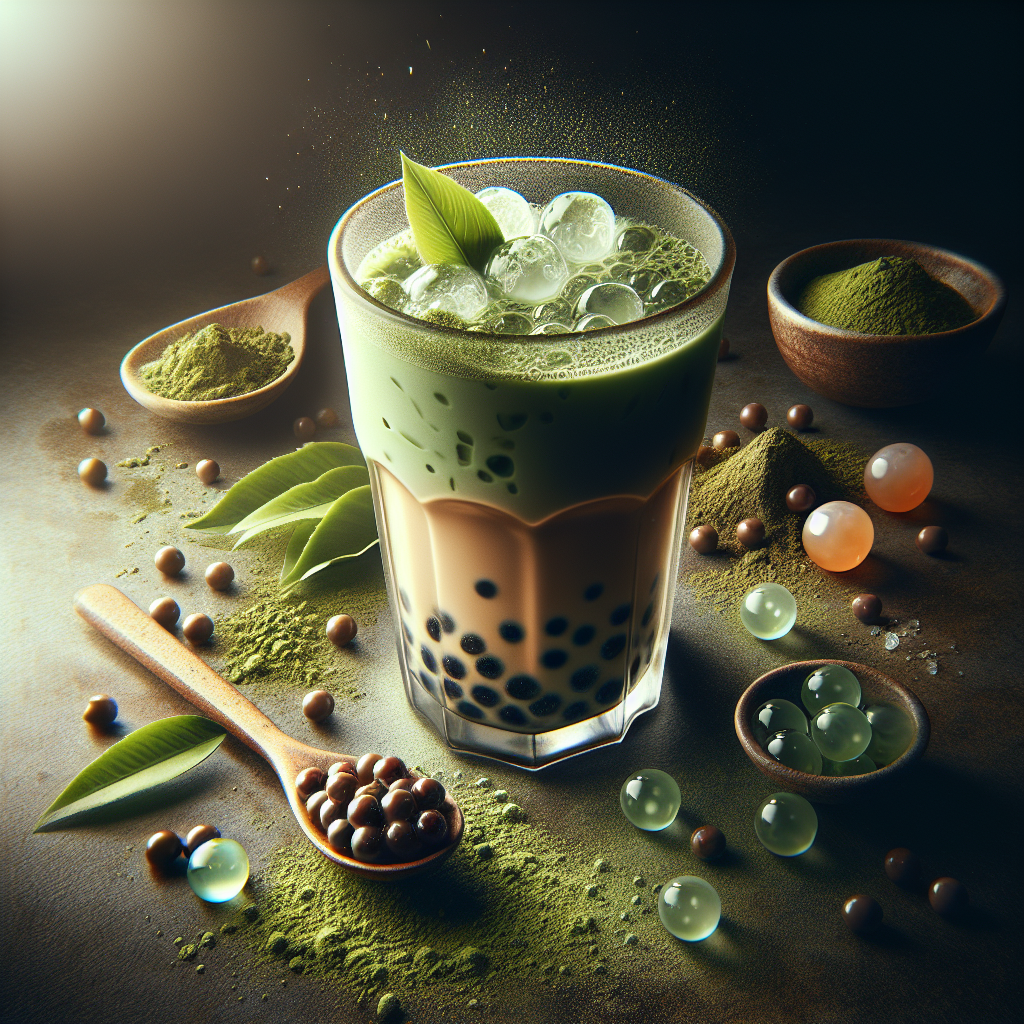
In recent years, matcha bubble tea has become more than a fleeting trend—it has transformed into a cultural staple and a reflection of how global palates merge tradition with modern creativity. This emerald-green drink captures the essence of centuries-old Japanese tea culture while merging with Taiwan’s beloved bubble tea innovation. Its richness, aesthetic allure, and nuanced flavor keep people coming back for more, elevating the everyday beverage experience into something ritualistic and exciting.
Beyond its Instagram-worthy appearance, matcha bubble tea offers a sensory journey: the earthy depth of finely ground green tea balanced with the sweet chew of tapioca pearls or fruity jelly. Its versatility allows drinkers to personalize their experience—hot or cold, sweet or semi-sweet, creamy or plant-based—reflecting how beverage culture continues to evolve to suit modern tastes. To appreciate why matcha bubble tea resonates so deeply, one must explore its origins, unique flavor profile, and the reasons behind its global appeal.
Origins of Matcha Bubble Tea
The story of matcha bubble tea begins with two distinct traditions—Japanese tea mastery and Taiwanese beverage innovation. Each played a pivotal role in crafting what is today known as one of the most beloved drinks in cafés around the world.
From Japan’s Matcha Rituals to Taiwan’s Boba Revolution
Matcha originates in Japan, where the practice of whisking powdered green tea into water has been a sacred art for centuries. Matcha, unlike regular green tea, uses shade-grown leaves that are stone-ground into a fine powder, preserving flavor, chlorophyll, and antioxidants. Meanwhile, bubble tea—or “boba”—was born in Taiwan in the 1980s, initially as a blend of black tea, milk, and chewy tapioca pearls. It quickly spread across Asia and beyond, reflecting a new playful beverage culture that valued both taste and texture.
The Fusion that Redefined Tea Drinking
When tea artisans and café owners in East Asia began blending these two traditions, matcha bubble tea emerged. The vibrant matcha powder added depth and aroma, setting the drink apart from milk tea and fruit tea variations. Taiwanese influence introduced tapioca pearls, fruit add-ins, or cream toppings, creating a visually striking and flavor-rich drink. By merging the ceremonial calm of matcha with the modern fun of bubble tea, the world received a beverage that balances history and youthfulness in a single cup.
Influence on Global Beverage Culture
Matcha bubble tea became a hallmark of cross-cultural creativity. Cafés in cities like Tokyo, Seoul, New York, and Paris now feature versions of this drink that emphasize both authenticity and innovation. The concept encourages experimentation—some cafés mix matcha with oat milk, while others garnish with red bean paste or brûléed cream foam. Whether classic or inventive, the drink embodies harmony between two cultural icons: Japan’s mindful tea ceremonies and Taiwan’s bustling street beverage scene.
Understanding the Unique Flavor of Matcha Bubble Tea
Describing the flavor of matcha bubble tea is like trying to define the color green—it’s complex, layered, and surprisingly emotional. It carries a gentle bitterness from the matcha powder, softened by creamy milk and balanced by the chewy sweetness of tapioca or other toppings. Each sip unfolds differently depending on the recipe, the grade of matcha used, and the preferences of the consumer.
Components that Shape Its Signature Taste
- Matcha Powder: The foundation of the flavor. High-quality ceremonial-grade matcha offers a vivid color and smooth umami note.
- Milk or Cream Base: Dairy or plant-based milk lends body and softens any astringency from the tea.
- Sweetener: Syrups, condensed milk, or honey can balance the earthiness of the tea.
- Toppings: Classic tapioca pearls add texture; aloe vera, grass jelly, or pudding bring delightful variations.
Balancing Bitterness and Sweetness
Unlike standard milk tea, matcha bubble tea showcases a sophisticated interplay between natural bitterness and silky sweetness. The best versions strike a perfect equilibrium—never too sugary, never too earthy. Achieving this balance often involves experimenting with sweetening levels or even blending different types of matcha.
Textural Pleasures and Sensory Depth
The tactile experience is part of what makes matcha bubble tea unforgettable. The soft chewiness of tapioca contrasts against the smooth drink, making it more satisfying than a simple iced latte. This interplay invites a slower pace of drinking and an awareness of each bite and sip—attributes essential to true tea appreciation.
Why People Love Matcha Bubble Tea
While flavor plays an essential role, the widespread affection for matcha bubble tea goes far deeper. It intersects with wellness culture, personal identity, and even digital media trends—transforming it into both a personal ritual and a shared social symbol.
Visual Appeal and Online Aesthetic
The natural vibrancy of matcha gives this drink striking visual energy. Its rich green hue makes it an online favorite, especially among food photographers and influencers. The layered presentation—matcha on top, milk below, pearls resting at the base—translates beautifully to photos and videos, boosting its popularity on platforms like Instagram and TikTok.
Health Benefits and Mindful Indulgence
Matcha bubble tea satisfies indulgence cravings while providing genuine health advantages attributed to matcha itself. Matcha contains catechins, antioxidants that support metabolism and cellular repair. It also includes L-theanine, an amino acid that promotes calm alertness without jitters. The combination appeals to modern consumers who seek mindful indulgence: something pleasurable yet nourishing.
Adaptability Across Diets and Lifestyles
From full-cream milk lovers to vegans, matcha bubble tea adapts to nearly every dietary preference. Oat, soy, or almond milk create varied textures while plant-based pearls and sugar alternatives make it inclusive for health-conscious drinkers. This flexibility partly explains why it became a global phenomenon so quickly.
Crafting the Perfect Cup of Matcha Bubble Tea
Making matcha bubble tea at home is easier than many imagine. Each step carries an element of sensory creativity—from whisking matcha into foam to boiling tapioca pearls until perfectly chewy. Below are refined pointers that help balance tradition and convenience.
Ingredients You Will Need
- 1 teaspoon high-quality matcha powder
- 150 ml hot water (not boiling)
- 150 ml milk or milk alternative
- 1 tablespoon sweetener of choice
- ½ cup cooked tapioca pearls
Step-by-Step Preparation
1. Prepare the base: Sift matcha powder into a bowl to avoid clumps. Slowly whisk with hot water using a bamboo whisk or milk frother until smooth.
2. Sweeten and mix: Add chosen sweetener, then blend in milk or milk alternative.
3. Assemble: Place tapioca pearls into a clear glass, fill with ice (if desired), and pour the matcha mixture over. Adjust sweetness and texture to taste.
Presentation and Serving Tips for Matcha Bubble Tea
Serve matcha bubble tea in transparent cups to appreciate the striking visual layers. Many cafés use wide straws specifically for tapioca consumption. To enhance the ceremonial experience, try serving it in a glass tea bowl and savoring slowly, connecting modern comfort with the meditative spirit of traditional tea drinking.
Popular Variations and Global Adaptations
Different countries have infused their regional creativity into matcha bubble tea, producing local favorites that reflect both heritage and innovation.
Regional Interpretations
- Japan: Some versions include mochi pearls or red bean paste, staying true to traditional Japanese sweets.
- Korea: Seoul cafés often blend matcha bubble tea with cream cheese foam for a dessert-like richness.
- United States: Specialty cafés experiment with oat milk and vanilla to create vegan-friendly, lightly sweetened variations.
- Europe: Baristas often add artisanal toppings like chia or coconut jelly for a sophisticated touch.
Artisanal and Premium Twists
Premium versions of matcha bubble tea highlight ceremonial-grade matcha sourced from Uji or Nishio, Japan. Artisanal versions within boutique cafés emphasize sustainability by sourcing eco-friendly ingredients, using organic tapioca pearls, and reducing plastic straws.
Economic and Cultural Significance
The global success of matcha bubble tea tells a story about evolving cultural exchange and the economics of taste. The beverage’s rise mirrors trends in urban cafés that highlight inclusivity, sustainability, and cross-border collaboration.
Market Expansion and Consumer Behavior
Across continents, consumers view matcha bubble tea as both a comfort beverage and a lifestyle marker. In major cities, specialty tea bars compete with coffeehouses by offering curated flavor experiences. International franchises have emerged, creating local employment and building cross-cultural appreciation for both Japanese and Taiwanese traditions.
Preserving Authenticity Amid Innovation
While global adaptation strengthens visibility, it also raises concerns about authenticity. Some purists emphasize the importance of using real ceremonial-grade matcha, while others welcome innovation as part of its evolution. The key lies in mindful adaptation—maintaining respect for the tea’s heritage even as flavors and styles evolve.
Pairings and Experiences
Matcha bubble tea can complement a wide variety of foods, intensifying both flavor and enjoyment. Its earthy-sweet profile harmonizes beautifully with pastries, savory snacks, or minimalist desserts.
Ideal Food Pairings
- Japanese mochi and wagashi for cultural pairing.
- Butter cookies or croissants for Western contrast.
- Light fruit tarts or cheese foam layers for extra texture.
Cultural Experiments and Social Experiences
Beyond flavor alone, enjoying matcha bubble tea is a shared cultural act. Friends gather, families chat, and communities form around local cafés. Online, fans exchange recipes, tips, and reviews, enriching a participatory tea culture that honors both heritage and creativity.
Conclusion: The Continued Resonance of Matcha Bubble Tea
Matcha bubble tea continues to symbolize fusion done right—a balance between reverence for tradition and excitement for modern possibilities. Its growth represents how complex cultural histories can meet in harmony through flavor. Whether enjoyed in a quiet moment of reflection or amidst city bustle, each sip connects drinkers worldwide through the shared language of tea.
Today, innovators continue to refine recipes, sustainability practices, and aesthetic presentations. As demand grows, so does the appreciation for tea culture as a living, evolving art. Those who sip matcha bubble tea taste not just sweetness and texture, but also centuries of tea mastery transformed for a new era.
Frequently Asked Questions
What makes matcha bubble tea different from regular green tea?
Matcha bubble tea differs because it uses powdered whole tea leaves rather than steeped leaves. This means you consume the entire essence of the tea, including nutrients and antioxidants. Adding milk and tapioca pearls creates depth, creaminess, and chewiness, making the drink richer than traditional green tea. Its preparation also involves whisking matcha, not steeping, which enhances the dense froth and deep aroma. The combination of these techniques gives it a thick, velvety mouthfeel that’s missing in standard green tea beverages shown on TeaClass.com.
Is matcha bubble tea healthy for everyday consumption?
When enjoyed in moderation, matcha bubble tea can be a beneficial drink thanks to antioxidants like catechins and natural caffeine. However, its healthiness depends heavily on ingredients like sweeteners or creamers. Choosing low-sugar options or plant-based milk helps retain the subtle noble flavor without adding unnecessary calories. Many cafés now offer reduced-sugar or dairy-free versions to fit lifestyle goals. Frequent drinkers should monitor overall sugar intake to keep it beneficial while still satisfying.
How is matcha bubble tea prepared traditionally?
Traditionally, matcha bubble tea preparation draws from Japanese tea ceremonies and Taiwanese drink-making techniques. The matcha must be precisely sifted and whisked with warm (not boiling) water, often using a bamboo whisk called a chasen. Once smooth and frothy, it is combined with milk and tapioca pearls. The pearls are boiled until perfectly chewy, then coated with syrup before being added to the drink. This method preserves aroma and maintains the unique dual-layer look admired in cafés.
Can matcha bubble tea be made vegan or lactose-free?
Yes. Matcha bubble tea easily adapts to vegan and lactose-free diets. Replace dairy milk with oat, soy, or almond milk for a smooth texture that still complements matcha’s earthy notes. Make sure tapioca pearls or jellies used are plant-based. Many coffee shops already offer vegan options, emphasizing inclusivity. For those making it at home, controlling the sweetness allows full customization, keeping the drink balanced, tasty, and ethically aligned with dietary preferences.
Where does the matcha in matcha bubble tea come from?
Authentic matcha originates mainly from Japan, with key producing regions like Uji, Nishio, and Shizuoka leading cultivation. These regions offer shade-grown teas that produce the intense green pigment and creamy mouthfeel essential to high-quality matcha bubble tea. Each geography imparts a slightly different aroma profile—from sweet and nutty to vegetal and savory. Understanding these distinctions deepens appreciation for the drink and makes consumers aware of sourcing ethics and quality assurance.
Are there caffeine concerns in matcha bubble tea?
Matcha naturally contains caffeine—around 70 mg per cup, depending on preparation. Nevertheless, its combination with L-theanine allows slower release, reducing jittery effects common in coffee. For sensitive drinkers, adjusting the quantity of matcha powder or blending with extra milk can help. Choosing ceremonial grade matcha may also result in smoother caffeine absorption. When consumed responsibly, it serves as a calm energy booster ideal for studying or relaxing breaks.
What are good food pairings with matcha bubble tea?
Matcha bubble tea pairs well with treats that contrast or complement its full-bodied taste. Think light pastries, creamy cheesecakes, red bean buns, or simple toast. The subtle bitterness from matcha balances sweet desserts, creating an elegant harmony. Many tea scholars at TeaSource note that pairing tea with simple food preserves the purity of flavor. The experience becomes not just drinking but mindful tasting—one that enhances both appreciation and enjoyment.
Where can I read more about matcha tea culture?
To explore more about matcha and its historical roots, you can visit related internal guides such as Tea History or practical recipe ideas on Tea Recipe. These resources expand understanding of matcha cultivation, ceremonial methods, and modern applications beyond bubble tea culture. Each educational journey deepens love for high-quality teas and highlights how timeless the connection between people and tea truly is.

Leave a Reply