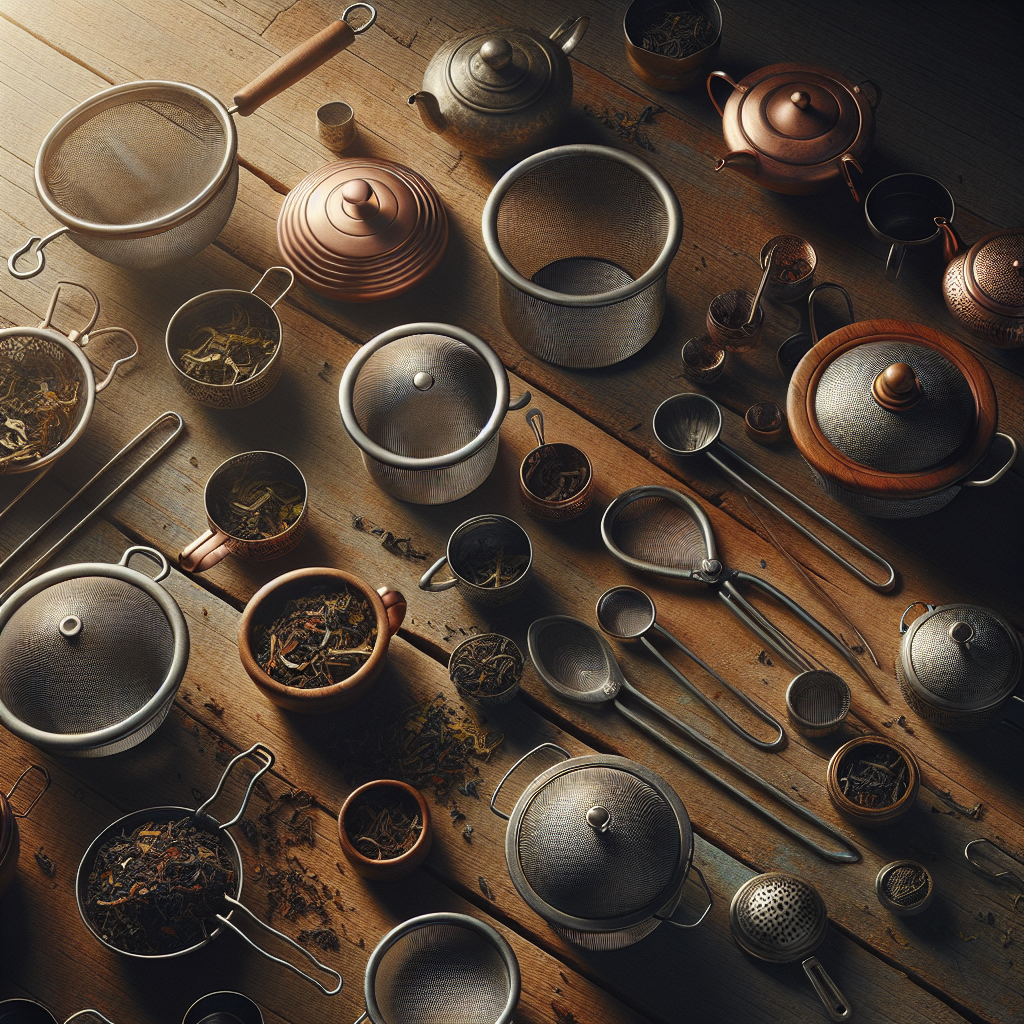
A tea strainer might seem like a simple household tool, but for true tea lovers, it represents much more—a bridge between loose-leaf authenticity and a perfectly brewed cup. By separating the liquid from the leaves, a tea strainer helps ensure consistent flavor, clarity, and balance in every sip. Whether you prefer green, black, or herbal varieties, the quality of your brewing equipment shapes the entire tea experience. This guide explores the benefits, types, and care of a tea strainer, helping you choose one that fits your taste and lifestyle.
From the first morning infusion to a quiet evening ritual, the process of brewing tea can feel meditative. Yet, without the right strainer, you risk bitterness or incomplete extraction. The tea strainer has been refined across centuries and cultures—an underrated tool that enhances purity and control. Through this comprehensive overview, you’ll discover why investing in a well-made strainer elevates tea flavor and how thoughtful use and maintenance make all the difference for long-term satisfaction.
Understanding the Role of a Tea Strainer
Before exploring materials and techniques, it’s important to understand why a tea strainer is essential. When loose leaves steep in hot water, they release oils, tannins, and aroma compounds. Without filtration, these elements can over-infuse, leading to harsh or cloudy tea. The strainer’s mesh acts as a barrier—allowing full extraction while keeping particles and residue away from your cup.
Historically, the first tea strainer appeared during China’s Ming Dynasty, coinciding with the rise of loose-leaf brewing. In Europe, they became symbols of refinement in Victorian tea culture, crafted from sterling silver or brass, often paired with intricate cups. Today, modern versions balance utility and style, available in stainless steel, nylon mesh, silicone, or even bamboo.
Core Functions of the Tea Strainer
There are three principal functions that set the tea strainer apart from other accessories:
- It filters fine leaf particles, ensuring clarity and visual appeal in the beverage.
- It helps control steeping time, as tea leaves can be promptly removed from the infusion.
- It supports portion control—avoiding the common problem of overly strong or diluted tea.
Understanding these functions helps you brew tea the way tea masters intend: pure, aromatic, and balanced. By mastering the tea strainer technique, even beginners can create expert-level infusions with minimal equipment.
Types of Tea Strainers and Their Designs
Tea strainers come in countless variations, each catering to different habits, teapot sizes, and tea varieties. Selecting the right tea strainer means considering mesh density, material composition, ease of cleaning, and durability.
Metal Tea Strainers
Stainless steel versions are popular for their resilience and neutral taste. Unlike plastic, metal doesn’t retain flavor or odor, and it handles high temperatures gracefully. A fine-mesh stainless steel tea strainer works for teas with small leaves such as Sencha or Ceylon blends. Broader meshes suit larger leaves like oolong or white tea.
Silicone and Nylon Strainers
These modern options combine practicality with colorful aesthetics. Silicone models often come in playful shapes, making them suitable for gift sets or casual settings. However, prolonged exposure to boiling water may degrade silicone over time, which is why many enthusiasts still prefer classic metal models. The key advantage of silicone is its flexibility—it can adapt to various cup diameters while remaining easy to clean.
Traditional Bamboo Strainers
Originating from East Asian brewing practices, bamboo strainers provide natural filtration with an eco-friendly ethos. Although less common globally, they deliver unique charm and sustainable craftsmanship. Because bamboo is porous, it can absorb subtle flavors over time, giving each brew a distinct personality. When maintained properly, a bamboo tea strainer can last for years, infusing a sense of heritage into every pour.
Multi-Layer Mesh Tea Strainer
The multi-layer mesh tea strainer has gained popularity for its superior filtration. Its dual or triple mesh construction allows water to circulate while keeping even the tiniest tea dust from escaping. Premium models feature detachable handles for flexibility and double-layer frames for heat resistance. While slightly pricier, they’re ideal for those who appreciate clear, residue-free tea.
How to Use a Tea Strainer Effectively
Using a tea strainer correctly isn’t complicated—but small details can dramatically change your tea’s texture and taste. The goal is consistency: ensuring every infusion brings balanced flavor extraction without residue.
Step-by-Step Process
- Place the tea strainer over your cup or teapot mouth, ensuring it’s secure and leveled.
- Pour the steeped liquid slowly to prevent leaf overflow and ensure full filtration.
- Allow any trapped liquid within the strainer to drain completely before removing it.
- Rinse immediately under warm water to avoid dry leaf buildup on the mesh.
A gentle rinse after each use prevents staining and promotes longevity. Weekly cleaning with a little baking soda or vinegar can remove tannin residue without damaging the strainer’s surface.
Enhancing Your Brewing Control
By mastering water temperature, leaf-to-water ratio, and timing, your tea strainer becomes instrumental in achieving perfect infusions. Overextraction can cause bitterness, while under-steeping dulls the fragrance. A fine mesh model offers precise filtering for fragile teas like jasmine or darjeeling, while coarser ones suit bold, fermented teas such as pu-erh.
Benefits of Using a Tea Strainer
Many consider a tea strainer optional, but its benefits reach beyond aesthetics. Its role is similar to that of a sommelier’s decanter—refining texture and presentation while optimizing flavor release.
Purity and Taste Enhancement
The most evident advantage lies in purity. A clean, high-quality tea strainer extracts a cleaner liquid, making subtle notes—like floral, smoky, or fruity undertones—more perceptible. In blind taste tests, teas strained through metal filters were often rated higher in clarity and aroma retention than those brewed in unfiltered infusers.
Eco-Friendly and Cost-Effective
Switching from tea bags to loose leaves with a reusable tea strainer significantly reduces packaging waste. Besides being eco-friendly, loose-leaf tea is often more economical per gram while offering far richer taste profiles. The strainer’s reusability also reduces long-term costs, as it can endure hundreds of brewing cycles without degradation.
Health and Wellness Perspective
A quality tea strainer prevents microplastics or residual paper fibers—common in lower-end tea bags—from reaching your cup. Without these contaminants, your tea remains as pure as intended. Moreover, some materials (like stainless steel) are hypoallergenic and resist bacterial buildup when cleaned properly, contributing to better overall kitchen hygiene.
Tea Strainer Benefits in Daily Life
Beyond brewing, the tea strainer plays versatile roles: sifting matcha powder, sprinkling cocoa, or straining infused herbs for skincare solutions. Its fine mesh suits culinary creativity, turning this humble tool into a multi-purpose kitchen companion. Even in minimalist households, it can bridge function and elegance, reflecting a mindful way of living.
Choosing the Right Tea Strainer for You
With countless options available, choosing the ideal tea strainer involves balancing personal habits, brewing volume, and aesthetic preference. Not every model suits every tea type, so small adjustments can lead to big improvements.
Factors to Consider
- Mesh Finity: Fine mesh suits small-leaf teas such as English Breakfast, while medium or coarse is better for rolling leaves like oolong.
- Material Composition: Opt for food-grade metal or BPA-free silicone for safety.
- Size: Mini strainers fit single mugs, whereas deeper ones suit teapots used for group servings.
- Cleaning & Maintenance: Detachable or dishwasher-safe options provide convenience.
You can also review durable, ergonomic designs at TeaClass.com for expert advice or sustainable choices at TeaForum.org. Both resources provide reliable insights on selecting the ideal tea strainer materials based on tea variety.
Real-Life Example: Ceramic Cups vs. Glass Mugs
For instance, when pairing a tea strainer with ceramic cups, heat retention is superior, but cleaning may take longer due to smaller cup rims. Glass mugs showcase the filtration process dramatically and highlight tea color clarity. In both cases, choosing a strainer compatible with your vessel affects convenience and enjoyment.
Cleaning and Maintenance Tips
Even the highest-quality tea strainer loses performance without regular maintenance. Over time, leftover oils and micro-leaves form residue, altering your drink’s flavor. Proper cleaning habits preserve both hygiene and aesthetic appeal.
Routine Cleaning Method
- Rinse your tea strainer immediately after use.
- Soak it for 10 minutes in warm water mixed with vinegar or baking soda.
- Gently scrub with a soft-bristle brush to remove buildup.
- Air-dry completely before storing to avoid rust or odor.
Periodic deep cleaning (once a month) maintains the strainer’s pristine state. Avoid using harsh detergents; they may corrode fine mesh or leave chemical residues affecting flavor. If you own silver or copper variants, use mild polishing paste to retain their original lustre.
Preventing Common Damage
A tea strainer can deform or discolor due to high heat or neglected washing. Always avoid using it directly on open flame or extreme boiling temperatures beyond tea brewing needs. When storing, keep it dry and away from acidic environments like near vinegar bottles or lemon slices. These simple precautions prolong usability and keep your tea ritual peaceful and precise.
Innovations in Modern Tea Strainers
Today’s tea strainer embodies both craftsmanship and technology. Smart filters with adjustable holes, magnetic lids, or collapsible grips have entered the market. Some new models even include dual-purpose infuser chambers for cold brew teas or herbal blends. Designers merge elegance with science, redefining this timeless accessory’s image.
Technological Enhancements
Modern materials such as titanium alloy or medical-grade steel advance durability and heat resistance. Some innovators integrate removable silicone rings to avoid metal-on-cup noise or heat transfer. In cafes, baristas now use electric-pump strainers that automate pour-over processes, ensuring identical results for every cup—a testament to how far the tea strainer has evolved.
Environmental Responsibility
Sustainable design initiatives are also shaping the industry. Compostable mesh fabrics, bamboo fiber frames, and recyclable packaging encourage responsible consumption. Brands committed to low-impact production allow consumers to enjoy their tea ritual guilt-free while lowering their ecological footprint.
Artisan and Handcrafted Pieces
If you value authenticity, handcrafted tea strainer models by local artisans reflect beautiful imperfections and cultural heritage. Collectors often treat these as heirlooms rather than mere tools. Their handmade quality reinforces the meditative essence of tea drinking—a blend of mindfulness, art, and sensory pleasure.
Tea Traditions Around the World
The use of a tea strainer also depends on regional culture. While western countries favor detachable cup-top filters, Asian traditions often incorporate built-in pots or gaiwan lids. Exploring these cultural nuances enriches appreciation for the ceremony of tea itself.
Chinese and Japanese Practices
In Chinese gongfu ceremonies, a fine tea strainer ensures purity between multiple short infusions. Japanese customs lean on small bamboo strainers or built-in kyusu teapot spouts to filter sencha leaves delicately. The refinement lies in motion—the graceful pour, the precise filtration, and respect for balance.
Western Adaptations
Victorian tea drinkers in Britain valued ornate silver strainers that doubled as decorative items. In modern Europe and the U.S., the trend veers toward simplicity: stainless steel baskets that rest conveniently on mugs. Both reflect an emphasis on etiquette and efficiency.
Global Symbolism of the Tea Strainer
Throughout history, the tea strainer symbolizes refinement, patience, and attention to detail. Its role transcends function—it invites the drinker to slow down and connect mindfully with craftsmanship and nature, honoring centuries of shared tea culture worldwide.
Recommended Resources and Internal Guides
For deeper exploration into tea nuances, consult educational sites and specialist blogs. We recommend exploring TeaStory.blog’s Tea Ceremonies Guide to understand cultural context or visit TeaStory.blog’s Tea Products Overview for curated accessory comparisons. These internal guides provide grounded analysis for pairing a tea strainer with your lifestyle.
Accurate knowledge fosters confidence, and the right accessories amplify even basic routines into enriching daily moments.
Frequently Asked Questions
What is the main purpose of a tea strainer?
The purpose of a tea strainer is to separate steeped leaves from liquid, ensuring clarity and purity in flavor. By filtering out particles, it prevents bitterness while maintaining full aroma. It remains the simplest yet most powerful tool for transforming raw leaves into a pristine, enjoyable infusion, enhancing the natural character of each brew.
How do I clean my tea strainer properly?
Rinse your tea strainer immediately after each use, then soak it briefly in warm water mixed with vinegar or mild baking soda. Use a soft brush to remove trapped leaves, and avoid harsh chemicals. Proper drying reduces bacterial buildup and ensures durability, preserving performance for years of reliable brewing enjoyment.
Which materials are best for a durable tea strainer?
Stainless steel is often considered the best choice for a durable tea strainer due to its rust-resistant properties and neutral taste. However, bamboo and silicone designs provide eco-friendly and lightweight alternatives. Your selection depends on how frequently you brew and what aesthetics appeal to you most.
Can I use a tea strainer for coffee or herbal infusions?
Yes. A tea strainer can filter light-ground coffee, cold-brew infusions, or even culinary broths. Using it across multiple beverage types encourages sustainability and creativity. Just ensure thorough cleaning between uses to avoid flavor mixing across ingredients or brews.
Do I need a tea strainer if I use tea bags?
If you rely mostly on tea bags, a tea strainer isn’t essential, but switching to loose tea enhances flavor complexity. Loose leaves expand more freely during infusion, resulting in deeper aroma and taste. The strainer merely helps manage and enjoy that quality efficiently.
How often should I replace my tea strainer?
A quality tea strainer can last for years with proper care. Replace it if the mesh becomes warped, rusty, or if flavor contamination occurs. Well-maintained stainless steel or bamboo models withstand hundreds of brews without degradation, ensuring continued clarity in your daily tea ritual.
Does a tea strainer affect tea flavor?
Yes—the material and mesh density of a tea strainer influence flavor. Metal versions yield crisp clarity, while bamboo or silicone ones provide softer infusions with mild earthy undertones. The goal is harmony: letting the strainer accentuate, not mask, natural leaf notes while keeping your brew elegant and residue-free.
What’s the difference between a tea infuser and a tea strainer?
An infuser holds loose leaves while steeping; a tea strainer filters after steeping. In practice, both serve filtration, but strainers offer finer control over timing, especially for multiple steeps. Infusers are better for convenience; strainers excel in flavor precision and presentation.


Leave a Reply