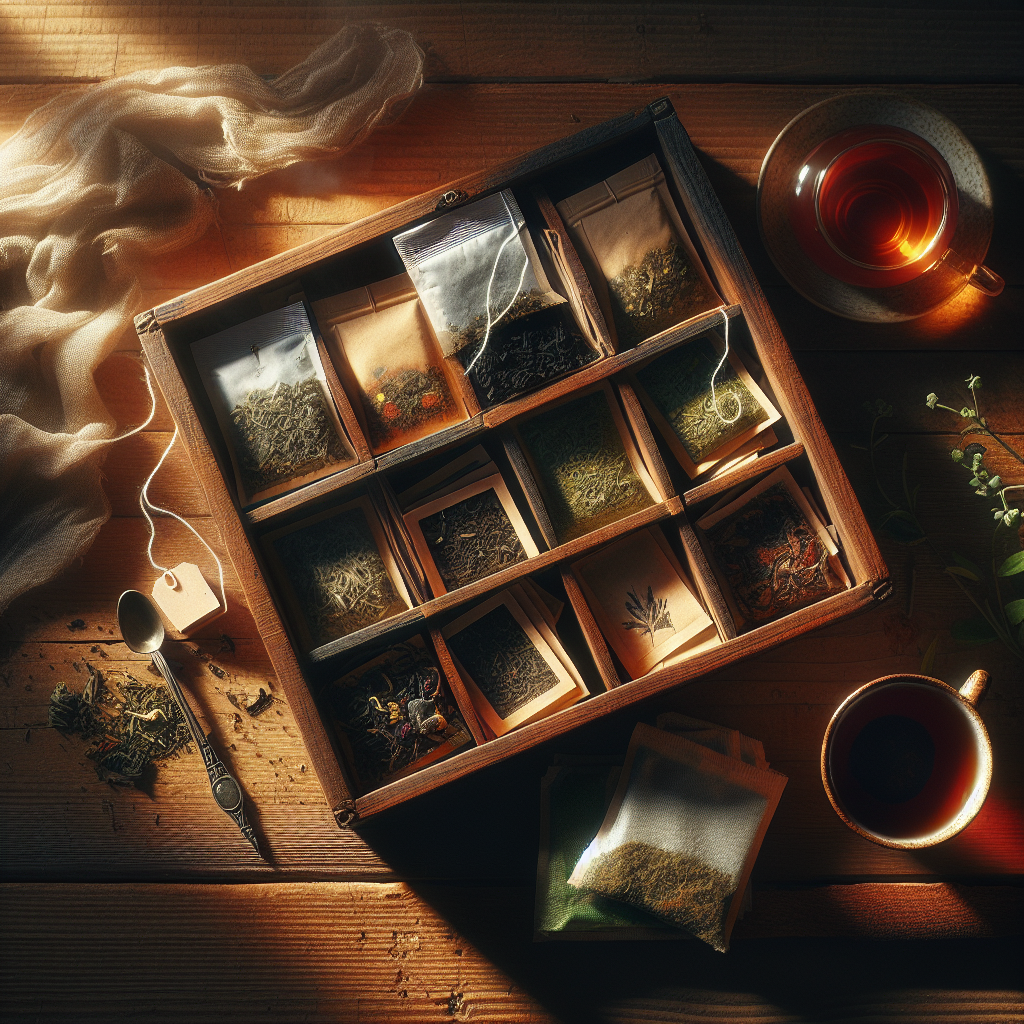
Making the right choice when it comes to your daily tea bag can elevate a simple beverage into a ritual of comfort and wellbeing. Each tea bag carries the potential to refresh, energize, or soothe, depending on the quality of the leaves, the blend, and even how the bag is made. For everyday tea drinkers, understanding what makes one option better than another is more than just preference—it’s a step toward optimizing your daily brew for taste, health, and convenience.
In this comprehensive guide, we explore how to select the best tea bag for daily use based on quality indicators, production methods, flavor variety, and environmental impact. Whether you’re new to tea or have been steeping for years, a more thoughtful approach can make each cup meaningful. This review and buying guide will walk you through what matters most, show examples of brands worth considering, and share insights into sustainability and proper usage. The goal: to help you make each tea bag count, every day.
Understanding the Basics of a Tea Bag
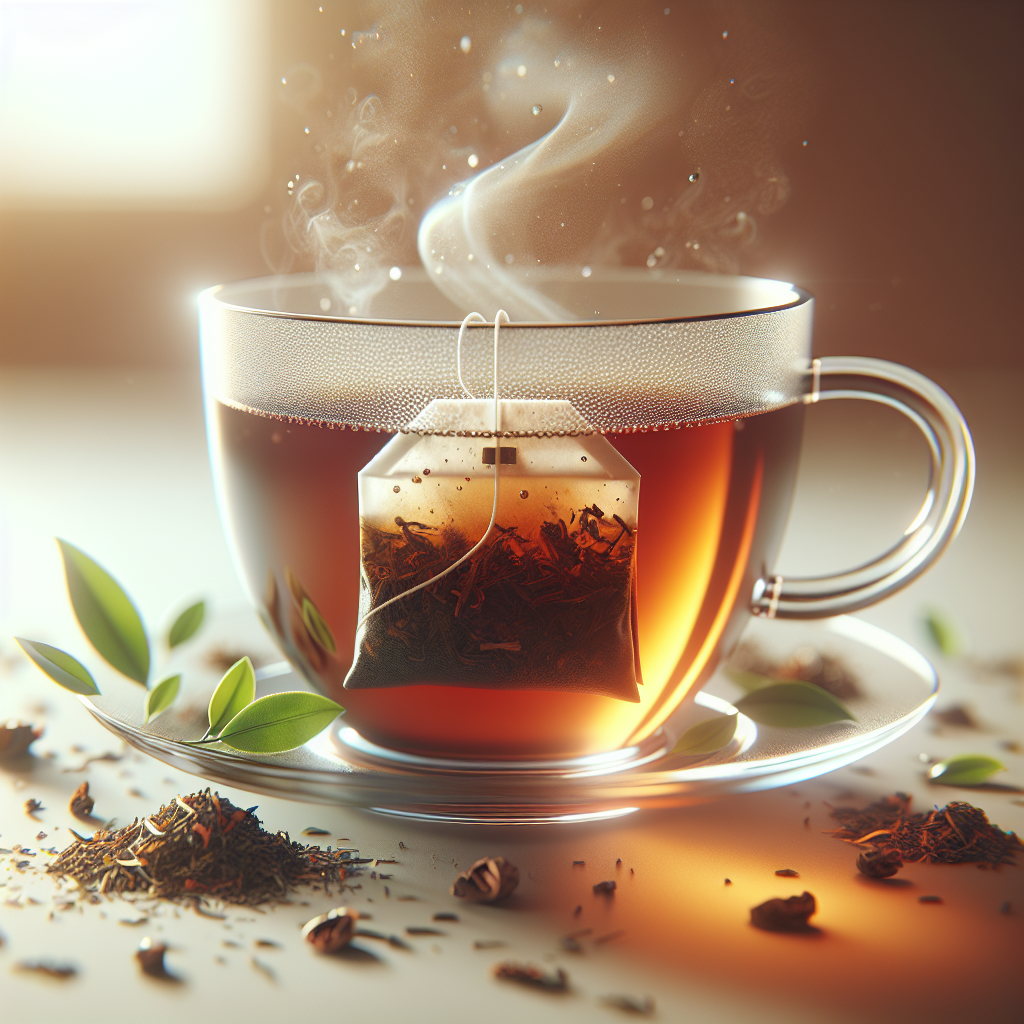
At its core, a tea bag is a small, porous sachet filled with prepared tea leaves designed for a single infusion. Originating from early 20th-century innovations, modern tea bags come in various shapes—rectangular, pyramidal, or round—each influencing how water flows through the leaves. The quality of the tea bag material and the type of leaves used dictate aroma, taste clarity, and steeping efficiency.
Types of Tea Bags
Tea bags differ in composition depending on material and design. Here are key styles and their advantages:
- Paper Tea Bags: The classic design—affordable, widely available, but may slightly impact flavor due to limited water flow.
- Silken or Nylon Mesh: Usually pyramid-shaped to allow more leaf expansion, ideal for premium blends.
- Biodegradable Corn Fiber Bags: An eco-conscious upgrade for daily tea drinkers looking to reduce plastic waste.
Shape and Functionality
The geometry of a tea bag might seem insignificant, but it affects the infusion experience. Pyramidal bags, for instance, allow loose leaves more room to unfurl, producing richer aromas and stronger flavor. In contrast, flat pouches are better suited for finely cut leaves and quick brewing times, which many depend on during a busy morning routine.
Evaluating Quality in Your Everyday Tea Bag
A good tea bag can be identified by several sensory and technical factors. To reliably enjoy a fine cup daily, consider these characteristics before purchase.
Leaf Quality and Grading
Not all teas within bags are created equal. Premium brands use whole or large broken leaves that release complex flavors. Lower-quality tea bags often contain “fannings” or “dust,” the smallest remnants of tea leaves left after sorting. While these particles steep quickly, they typically yield a harsher flavor and lack the nuance of whole-leaf options.
Freshness and Aroma
Freshness determines the vibrancy of taste. When you open a pack, the aroma should be lively and true to the variety, whether green, black, oolong, or herbal. Airtight packaging and protective outer wraps help retain key volatile compounds that give tea its unique character. Always check expiration dates and avoid overstocking since even sealed tea bags can lose potency over time.
Water Interaction and Infusion Rate
The infusion rate depends on how water penetrates the tea bag and interacts with the leaves. Overly compact bags or poor material restrict flow, producing weaker tea. Pyramids or mesh bags solve this problem by encouraging full circulation, ensuring the essence is drawn evenly into the cup. Testing several brands at identical brew times can highlight these differences and guide your preference for daily use.
Popular Varieties for Daily Tea Bag Use
Different types of tea cater to different needs—caffeine kicks in the morning, digestive comfort after meals, or calming effects before bed. Here’s an overview of varieties that perform best in tea bag form for daily rituals.
Black Tea Bags
Black tea is the cornerstone of many morning routines. Brands like Twinings, Yorkshire, and Tazo offer excellent black tea bag selections that balance flavor intensity and convenience. A solid breakfast blend provides a brisk, malty taste ideal for pairing with milk or lemon. When reviewing black tea bags, note the origin (Assam, Darjeeling, Ceylon), as regional climates influence tannin level and aroma.
Green Tea Bags
Green tea bags are popular for their light taste and antioxidant properties. Look for brands that specify the origin (Japanese Sencha or Chinese Dragonwell) on packaging—an indicator of authenticity and care. Steep times should be shorter than for black tea bags, around 1–2 minutes, to prevent bitterness. Regular consumption supports metabolism and mental focus, making them a staple for office breaks or wellness routines.
Herbal and Specialty Tea Bags
Herbal infusions include ingredients like chamomile, peppermint, or lemongrass. As these contain no caffeine, they make excellent evening companions. Specialty blends such as turmeric or hibiscus tea bags have gained popularity among health-conscious consumers seeking alternatives to sweetened beverages. Choose blends verified for natural sourcing and free from artificial fragrances.
Comparing Brand Examples and Real-World Reviews
To analyze the market landscape, it’s helpful to contrast popular brands’ approach to quality, sustainability, and pricing. Below are insights drawn from consumer feedback and product data.
Premium Segment: HARNEY & SONS and Pukka
HARNEY & SONS uses carefully selected leaves encased in pyramid-shaped sachets, offering a near-loose-leaf experience without needing strainers. Pukka, known for its organic herbal tea bags, focuses on ethically sourced botanicals and biodegradable packaging. These brands appeal to consumers valuing both quality and ethics in their purchase decisions.
Midrange Segment: Twinings and Lipton
Twinings tea bags maintain consistent flavor and are easily accessible. Lipton’s commitment to Rainforest Alliance certification ensures sustainable sourcing. Although some tea enthusiasts consider them everyday basics rather than gourmet, their affordability and reliable flavor make them ideal for large households or workplaces.
Eco-friendly Innovations
Brands such as Numi and Clipper are transitioning to plastic-free tea bag materials, aligning with consumer demand for environmentally friendly packaging. Biodegradable sachets composed of cornstarch-based fiber or unbleached paper have become increasingly popular choices for sustainable daily consumption.
Buying Guide: What to Look for When Choosing a Tea Bag
A structured buying guide minimizes confusion, especially for those who rely on tea bags daily. Here’s how to assess your next box confidently:
1. Inspect Packaging
Well-sealed, opaque packaging means freshness. Avoid overly transparent boxes that expose tea bags to light and air. For premium-grade purchases, select individually wrapped bags with heat-sealed edges.
2. Check Certifications
Certifications like Fairtrade, Organic, or Rainforest Alliance offer assurance of ethical and environmental responsibility. They also indicate careful cultivation practices ensuring cleaner flavor and safer processing.
3. Read Ingredient Transparency
Brands that list exact origins or cultivars usually source better leaves. Look for indications of single-origin teas—like “Assam Black” instead of general “black tea”—to ensure traceability and richer experience.
4. Material and Design Preference
Choose material that matches your priority—paper for quick disposal, biodegradable mesh for eco-value, or silk for premium feel. The goal is to find a tea bag design compatible with your brewing style and sustainability ethos.
5. Flavor Consistency
If you drink several cups daily, predictable performance becomes vital. Choose brands with steady supply chains and stable blends to avoid batch variations that alter your preferred taste.
How to Brew the Perfect Cup Using a Tea Bag
Even the highest-quality tea bag can underperform if brewed improperly. Consistency in water temperature, timing, and steeping method ensures optimal extraction.
Step-by-Step Brewing Guide
- Heat Water: Use filtered water to avoid mineral interference. Target temperatures vary—95°C for black, 80°C for green, and 100°C for herbal blends.
- Pre-warm Mug: A warm cup keeps infusion steady, enhancing flavor release.
- Steep Correctly: Most tea bags perform best between 2–5 minutes. Adjust to taste preference and tea type.
- Do Not Over-Squeeze: Pressing the tea bag can release excess tannins, making your brew bitter.
- Add Extras Mindfully: honey or lemon can elevate certain teas but may distort delicate varieties like white or jasmine.
Water Quality and Its Impact
Soft, filtered water extracts flavor more effectively than hard tap water. Minerals can dull taste and muddy color. Tea connoisseurs often test their daily brew with different water sources to find the most balanced outcome. Small adjustments can lead to noticeable improvements in your tea bag’s performance.
Environmental and Health Considerations
Everyday consumption raises legitimate questions about waste and wellness. As demand for tea bags increases globally, sustainable production methods and healthier compositions are more relevant than ever.
Plastic-Free Options
Many conventional tea bags use polypropylene for sealing. Newer versions use plant-based alternatives that decompose naturally. This shift benefits not just ecosystems but also consumers who wish to avoid microplastic ingestion. Always look for packaging stating “100% compostable” or “plastic-free.”
Organic and Pesticide-Free Teas
For those drinking multiple cups daily, exposure to residues can accumulate. Organic-certified tea bags ensure non-toxic farming practices. They often highlight biodiverse gardens that promote soil health and insect balance, improving both environmental impact and flavor purity.
Storage and Maintenance Tips
Proper tea bag storage preserves freshness. Avoid humid environments. Store in airtight tins or resealable pouches away from light and strong odors. Tea absorbs scents easily—keeping it away from spices or coffee prevents contamination. Label dates if you purchase multiple types, rotating stock to ensure even consumption.
Conclusion: Elevate Everyday Moments with Your Tea Bag
Small adjustments can refine the quality of your daily beverage experience. Selecting the right tea bag, brewing with care, and respecting sustainability principles combine to form an enriching habit. With mindful choices—about leaf quality, material, and environmental footprint—you can transform your everyday cup into a balanced, aromatic retreat. Whether your preference is robust breakfast blends or subtle green infusions, every tea bag you select brings both comfort and connection to centuries-old tradition.
For further reading, explore Tea History or discover creative ways to use leftover tea from your Tea Recipes section. Additionally, learn more about tea sustainability and brewing science from trusted sources like Tea Association of the USA and TeaClass.
Frequently Asked Questions
How long should I steep a tea bag for the best flavor?
Steeping time depends on tea type and personal taste. Black teas thrive between three to five minutes, releasing full-bodied flavor without bitterness. Green teas generally require shorter steeping—around one to two minutes at cooler water temperatures—to prevent grassy notes. Herbal blends can rest longer, even up to seven minutes, as they lack caffeine. Experiment with these ranges using consistent water temperatures around 80–95°C, observing subtle changes in color and aroma. Overlong steeping often introduces harsh tannins, so moderation helps enhance flavor clarity and daily enjoyment of your chosen tea bag.
Can reusing a tea bag affect quality?
Yes, reusing a tea bag dilutes flavor and health benefits. The first steep releases most compounds responsible for aroma, antioxidants, and caffeine. While reusing once may yield a lighter cup suitable for evening drinking, repeated infusions usually produce flat-tasting results. If conserving tea is a concern, consider using larger pyramid bags designed for multiple servings. Proper storage between uses matters—keep the bag covered and refrigerated temporarily to prevent bacterial growth. Still, for best freshness and safety, experts recommend brewing each tea bag only once for consistent daily quality.
Are biodegradable tea bags truly compostable?
Modern biodegradable tea bags are made from plant-based fibers such as cornstarch or PLA, which compost under industrial or home conditions. However, composting efficiency depends on temperature and moisture levels. Always check the box for compostability instructions—some require commercial compost facilities. Avoid tossing used bags with staples or metallic tags into compost piles, as those components hinder breakdown. When properly managed, biodegradable tea bags reduce landfill waste and microplastic release. As environmental awareness grows, switching to these versions enhances both sustainability and your commitment to eco-friendly daily habits.
What’s the difference between organic and non-organic tea bags?
Organic tea bags contain leaves grown without synthetic pesticides or chemical fertilizers. This approach encourages healthier soil ecosystems and cleaner taste profiles. Non-organic counterparts may undergo conventional farming with chemical aids, increasing yield but potentially affecting flavor naturalness. Certified organic teas must meet verification standards overseen by recognized agencies. They often cost slightly more but support ethical trade and consumer wellness. For sensitive drinkers or frequent tea consumers, the organic option provides reassurance regarding toxin exposure. Reading labels for details ensures that your chosen tea bag aligns with your health and ethical expectations.
Are pyramid-shaped tea bags better than flat ones?
Pyramid tea bags often outperform flat counterparts because their three-dimensional form allows tea leaves space to expand and circulate freely. This movement improves infusion consistency and flavor extraction. Flat bags typically trap smaller particles, offering faster brews but limiting aroma. For busy routines needing quick steeping, flat designs suffice; however, for more immersive flavor experiences akin to loose-leaf brewing, pyramids deliver superior performance. Material also contributes—fine mesh in pyramids ensures water diffusion while preserving clarity. The choice largely depends on whether convenience or maximum taste quality guides your daily tea enjoyment.
Can I cold brew with a tea bag?
Absolutely. Cold brewing a tea bag extracts smoother flavors with fewer bitter notes. Place one or two tea bags in a jug of filtered water and refrigerate for six to twelve hours. The gradual extraction process creates a refreshing beverage low in astringency and caffeine acidity. This method works excellently with green tea bags, oolong, and fruit-herbal blends. Stir before serving, and optionally add lemon or mint for brightness. Cold brewing highlights subtle sweetness within the leaves and provides a hydrating alternative to sugary drinks—ideal for warm days or afternoon refreshment.
How should I dispose of or reuse a tea bag sustainably?
After brewing, tea bags can serve secondary purposes before disposal. Use them as natural deodorizers for shoes or refrigerators, or compost them if they’re plastic-free. Always separate paper labels or staples first. Coffee-colored liquids from used bags also act as gentle fertilizer when diluted with water. For eco-conscious routines, choosing biodegradable brands simplifies waste management. Remember not all tea bags decompose at the same rate—confirm their material type. Adding spent tea leaves to garden soil boosts nitrogen content and enriches compost texture, closing the cycle of sustainable daily tea bag use.

Leave a Reply