
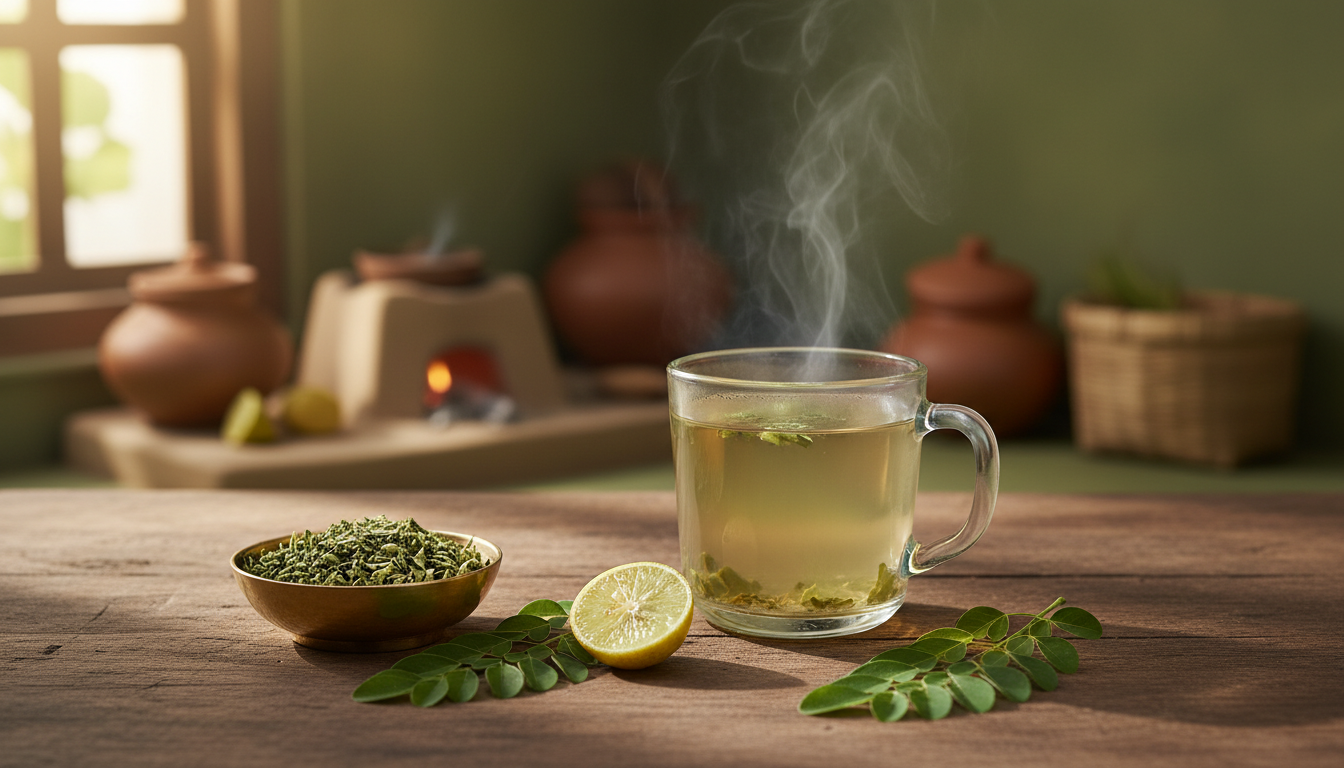
Discovering a fresh tea is like unlocking a moment of calm and sensory clarity in everyday life. The first sip of freshly brewed leaves can quickly transport you from a busy day into quiet reflection. The unique aroma, color, and delicate flavor of a fresh tea make it an experience rather than just a beverage. For many around the world, exploring how to prepare, taste, and enjoy a fresh tea properly becomes an art and a ritual. This article explores essential tips, practical methods, and the science-backed benefits that can turn your appreciation for a fresh tea into a mindful practice worth repeating daily.
Whether you prefer green, white, oolong, black, or herbal varieties, understanding what defines a fresh tea helps you choose better, brew confidently, and enjoy deeply. The freshness of the leaves determines not only the flavor but also the impact on wellness. Through proper brewing, storage, and selection, you can bring out the full potential locked inside every leaf. Let’s walk through the sensory, nutritional, and cultural world that makes a fresh tea such a timeless and rewarding part of daily living.
Understanding What Makes a Fresh Tea Truly Fresh
The concept of freshness in tea goes beyond the “best before” label on a package. A fresh tea is determined by how the leaves are grown, harvested, processed, and handled. Freshness refers to the degree to which the natural aromatic compounds, catechins, and essential oils are retained after plucking. It also reflects minimal oxidation before sealing and shipping.
Key Indicators of Freshness
A few signs easily tell you whether you’re brewing a fresh tea or a dull one. First, examine the aroma right when you open the pouch. A fresh tea carries natural, vibrant, and sometimes grassy scents depending on the type. The leaves should look clean, even, and well-shaped, not brittle or faded. When brewed, clarity of the liquor, a full-bodied yet delicate taste, and a lingering aftertaste all confirm that your leaves are fresh and well-handled.
- Look for vibrant green or glossy hues in your leaves.
- Check that the packaging has limited exposure to air and light.
- Buy from a trusted source with clear harvest and packing dates.
Storage Conditions That Preserve a Fresh Tea
A fresh tea can lose its flavor gradually when exposed to light, heat, or moisture. Storing your tea in an airtight container, preferably opaque or metallic, keeps oxidation under control. Avoid humid spaces like near stoves or open windows. Some enthusiasts use small vacuum-sealed tins to ensure consistent freshness even months after purchase. When handled properly, the energy and aroma of a fresh tea will remain intact across many delightful cups.
The Art of Brewing a Fresh Tea
Brewing a fresh tea is less about strict rules and more about understanding balance—between temperature, time, and water quality. Minor adjustments often decide whether your cup turns wonderfully aromatic or unpleasantly bitter. Every fresh tea variety responds uniquely to brewing methods, so paying attention to detail improves taste and nutrient extraction.
Temperature and Water Quality
Water temperature is crucial for unlocking the best qualities in a fresh tea. Green and white teas prefer cooler water—around 75–80°C—while oolong and black teas reveal their depth around 90–95°C. If your water is too hot, it scalds tender leaves; too cold, and it leaves under-extracted flavors. Always use clean, filtered water. Minerals can enhance depth but excess chlorine disguises the naturally sweet undertones of a fresh tea.
Small Adjustments That Make a Big Difference
Experiment with steeping times. Start short—45 seconds to one minute—and extend gradually. Notice how a fresh tea evolves in taste: the first infusion may feel crisp, the second round deeper. Write notes to know which balance best suits your palate. Such mindful brewing strengthens your sensory connection to tea and helps maintain consistent quality every day. ( )
Brewing Vessels and Techniques
The vessel you use contributes significantly. Porcelain or glass pots preserve delicate character, while clay or cast-iron teapots enhance earthy tones. Traditional methods, such as Chinese gongfu brewing, emphasize shorter, multiple infusions using generous leaf amounts. Western-style brewing uses fewer leaves with longer steeping. Both methods can elevate a fresh tea when water temperature and timing complement the leaf’s intrinsic flavor design.
The Health Benefits of Drinking a Fresh Tea
Beyond taste, science supports the numerous benefits of drinking a fresh tea regularly. Freshly processed teas contain rich antioxidants, L-theanine, polyphenols, and catechins known to support heart health, focus, and metabolism. This natural synergy makes tea possibly the healthiest beverage after water.
Antioxidants and Brain Benefits
A fresh tea especially shines because minimal exposure to oxygen preserves antioxidant properties. These compounds reduce free radical damage, keeping skin vibrant and protecting cellular health. Regular consumption can enhance concentration by promoting alpha brain wave activity, a mental state often associated with relaxation and alertness simultaneously. It’s no coincidence that creative thinkers, writers, and monks historically relied on meditation accompanied by a fresh tea session.
Digestive and Metabolic Support
Warm infusions of a fresh tea help stimulate digestion and fat metabolism. Compounds such as catechins promote thermogenesis, slightly increasing calorie burn. Herbal varieties like mint or ginger teas add extra digestive comfort. For people aiming for a gentle detox or occasional reset, a fresh tea offers a simple, caffeine-controlled option that complements balanced diets well.
Immunity and Hydration Impact
Drinking a fresh tea daily helps hydrate better because of its lower caffeine compared to coffee. Studies indicate that hydration improves circulation and detox pathways, enabling body systems to work more efficiently. Teas infused with jasmine, tulsi, or lemongrass strengthen immunity with antibacterial and antiviral properties. The ritual of sitting quietly to sip a fresh tea also calms cortisol levels, fostering better stress resilience.
Choosing and Buying a Fresh Tea
For maximum enjoyment, carefully selecting the right tea shop or online store matters. Genuine producers highlight their harvest dates, region, and processing methods transparently. Many sustainable farms now follow both organic and fair-trade certifications. Whenever possible, buy tea in small quantities to ensure you’re always brewing from recent batches.
Understanding Regions and Varietals
The terroir—climate, soil, and altitude—of tea regions affects freshness and flavor subtlety. Japanese sencha, Chinese longjing, Indian Darjeeling, or Taiwanese high-mountain oolongs all express unique profiles. A fresh tea from high-altitude estates typically contains denser aromatic oils. By sampling across origins, you’ll sense how freshness translates into vastly different tasting experiences.
How to Read Labels and Packaging
Learn to decode wording such as “Picked in Spring” or “First Flush,” which often signals superior freshness. Transparent brands sometimes print harvest month or even batch number. Shorter supply chains—direct-from-farm models—ensure a fresher tea lands in your cup sooner. Certification seals like USDA Organic or Rainforest Alliance may indicate sustainable yet high-quality freshness preserved through responsible sourcing.
Cultural Rituals Celebrating a Fresh Tea
Tea ceremonies across Asia and beyond revere freshness not just as a sensory quality but as a moral virtue symbolizing purity. Japanese chanoyu ceremony, for example, invites guests to appreciate the transient perfection in every cup. In Chinese culture, the Gongfu style celebrates the repeated extraction of flavor from a fresh tea leaf as a metaphor for patience and subtlety in life.
Modern Adaptations
Modern drinkers revive traditional concepts by integrating mindfulness and minimalism into their tea time. Taking five quiet minutes midday to prepare and enjoy a fresh tea reconnects you with rhythm and self-awareness. Even in corporate settings, wellness programs now include brief tea pauses to foster team relaxation. The act of brewing itself becomes stress management therapy—steeping stillness into daily chaos.
For deeper learning about historical roots of ceremonial brewing, explore the evolution of traditional tea history on Tea Story Blog. If you want to further practice brewing artistry, learn step-by-step inspiration from creative tea recipes hosted there.
Practical Tips to Elevate Your Experience of a Fresh Tea
Even small improvements in routine can dramatically change your appreciation for a fresh tea. Try incorporating the following mindful adjustments in your brewing and tasting process.
- Warm your cup before pouring to maintain consistent temperature.
- Measure leaves accurately instead of eyeballing quantities.
- Taste the first sip silently to memorize aroma tones.
- Pair light snacks like almonds or fruit slices to balance flavors.
- Keep a small journal to note brewing time and impressions.
Seasonal Adaptations
In summer, transform a fresh tea into cold brews. Steeping overnight in cold water prevents bitterness and creates naturally sweet refreshment. In winter, blend fresh tea leaves with cinnamon or orange peel to warm the senses. Such seasonal creativity keeps your connection to the beverage alive year-round.
Infused Innovations and Pairings
Mixologists increasingly feature a fresh tea in cocktails and mocktails. White tea with elderflower syrup or green tea with ginger beer offers complex taste layers without overwhelming sweetness. Even culinary chefs use reduced tea infusions for sauces or desserts, giving a healthy yet fragrant twist. With each experiment, the core principle remains the same: freshness first.
Sustainability: The Ethical Side of a Fresh Tea
Freshness and sustainability intersect strongly. Truly fresh teas typically come from small or medium farms emphasizing ethical agricultural practices. Sustainable supply chains mean shorter storage times and fewer degradation points. Consumers who prioritize a fresh tea also indirectly support environmental care through mindful sourcing.
Organic and Fair-Trade Influence
Opting for organically grown tea benefits both consumers and farmers. It reduces pesticide exposure and supports biodiversity in tea gardens. Fair-trade programs ensure grower communities receive equitable compensation, motivating meticulous plucking standards and care that preserve freshness naturally. Buying ethically sourced a fresh tea ensures your daily ritual aligns with global well-being values.
Educational Outreach and Transparency
Brand transparency has become a decisive factor for conscious buyers. Producers engaging with their customers via farm stories, harvest videos, or QR track codes offer confidence and authenticity. Understanding this journey deepens appreciation for how every cup of a fresh tea reaches you—from leaf to livelihood.
External Expert References for Enthusiasts
For a scientifically grounded exploration of tea health advantages, consult The Tea Association of the USA. To study detailed chemical breakdown and brewing sciences, World Tea News provides excellent professional resources.
Frequently Asked Questions
What defines a fresh tea compared to packaged supermarket tea?
A fresh tea refers to leaves that were harvested and processed recently, sealed quickly to retain essential oils, and handled with minimal oxidation. Supermarket versions often sit in transit and warehouses for months, dulling their aroma and antioxidant content. Fresh tea delivers cleaner taste, more vibrant colors, and distinct natural notes lacking in mass-produced versions. Choosing from local tea ateliers or direct-trade online sources increases your chance of tasting real freshness in every cup.
How long can a fresh tea remain flavorful after opening?
If stored correctly in airtight and opaque tins, a fresh tea generally retains desirable taste for six to twelve months. Green and white teas are more delicate and should be used within half that time for optimal flavor. Oolongs and black teas may last longer since they contain fewer volatile compounds. Always monitor aroma; when leaves lose their lively scent, it’s time to replace. Avoid fridge storage unless humidity control is precise—moisture easily dulls freshness.
Does a fresh tea contain more caffeine than older teas?
Caffeine levels depend more on leaf type than age, yet freshness influences perceived energy. A fresh tea often feels livelier because its natural amino acids balance caffeine release. The synergy of L-theanine and caffeine in newly processed tea provides calm alertness instead of jittery stimulation. Over time, aged or poorly stored tea may lose aromatic layers, altering the balance and making caffeine feel harsher, which is why maintaining freshness yields a smoother, gentler boost.
Can I cold brew a fresh tea, and how does it affect benefits?
Absolutely. Cold brewing a fresh tea over four to eight hours extracts flavor slowly without bitterness. Nutrient retention is excellent because cooler temperatures preserve delicate antioxidants. It offers a subtly sweet, crisp flavor ideal for hydration and summer refreshment. Just ensure water is filtered and leaves are submerged fully in a sealed container. Strain before serving, and enjoy chilled. Cold brewing not only protects nutritional value but also reveals hidden floral undertones often missed in hot infusions.
What are simple daily rituals to enjoy a fresh tea mindfully?
Set aside five minutes at the start or end of each day to prepare your cup attentively. Watch the leaves unfurl, breathe in aroma, and take each sip in silence. This mindful approach helps lower stress hormones and creates moments of clarity. You might also journal your impressions or pair listening to ambient sounds. The small mindfulness habit cultivated with a fresh tea encourages patience, concentration, and balanced emotional energy throughout your daily responsibilities.
Is there a difference between a fresh tea and an aged tea variety?
Yes. A fresh tea focuses on brightness, aroma, and crispness, while aged teas—such as pu-erh—develop depth through controlled fermentation. Both have value but serve different moods. Drinking a fresh tea emphasizes renewal and lightness, whereas aged tea provides earthy complexity. Understanding this distinction enriches your tea repertoire and allows you to adapt your choice to seasons or emotional needs. Some collectors even alternate between both styles to experience contrasting wellness effects across the year.
How can I tell if my supplier sells genuine fresh tea?
Look for transparent harvest information, packaging dates, and supplier reviews. Genuine sellers store teas in nitrogen-flushed bags or vacuum-sealed tins to preserve purity. They’re often willing to share photos or farm stories of crop collection. Beware of generic “premium” tags without specifics. Trust vendors that update stock frequently, not those selling the same tea for long periods. Authenticity is visible through honesty and sensory experience—open a pouch and you’ll smell lively vegetal notes unique to a fresh tea.
Can a fresh tea contribute to sustainable living choices?
Absolutely. Choosing smaller, ethically sourced batches minimizes packaging waste and transportation carbon. Many gardens producing a fresh tea rely on pesticide-free growing practices, reducing environmental harm. By purchasing from such producers, you encourage fair labor and sustainable agriculture. Over time, this conscious approach supports biodiversity while giving you superior quality. Thus, every sip of a fresh tea becomes an eco-friendly statement blending pleasure with genuine responsibility for the planet.
What are creative ways to use leftover leaves from a fresh tea?
Don’t discard spent leaves immediately. You can reuse them for natural deodorizing of refrigerators or craft DIY facial rinses with antioxidant-infused water. Some gardeners sprinkle used tea as compost enhancer; mild caffeine deters pests while enriching soil. Culinary enthusiasts mix steeped leaves into baked goods or broths to impart subtle earthy tones. Repurposing maximizes sustainability and honors the value within a fresh tea beyond drinking—it transforms everyday residue into new, purposeful uses around the home.



Leave a Reply