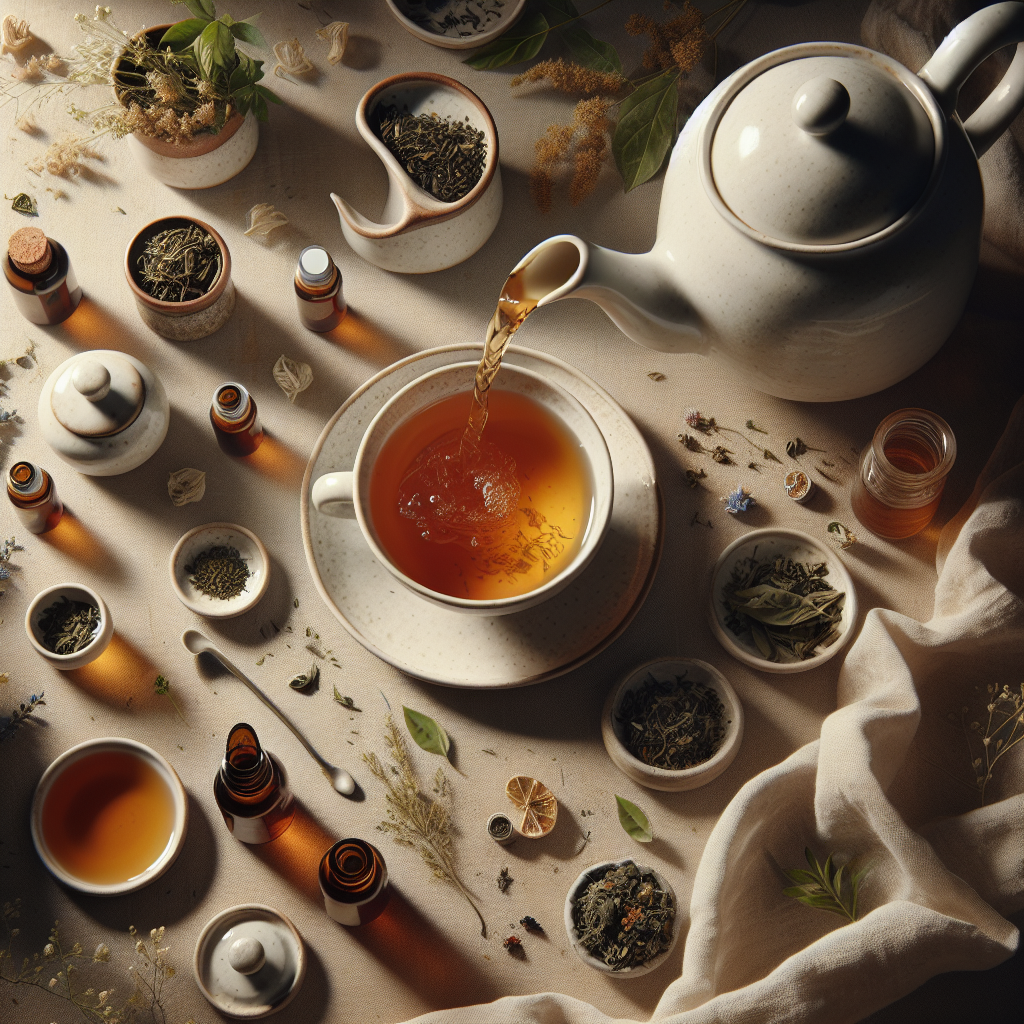
In every cup of special tea lies an ancient conversation between culture, flavor, and mindfulness. Whether it’s the calm of green leaves floating in hot water or the aromatic pull of herb-infused blends, special tea has a way of transforming ordinary moments into small rituals of peace. From its carefully chosen leaves to each steeping secret, tea lovers have long sought to perfect this humble art. Understanding the essence and benefits of special tea can help one appreciate not just its taste but its deeper purpose in a modern, wellness-driven lifestyle.
For centuries, people across the globe have trusted special tea for more than refreshment — it’s a source of clarity, energy, and connection. The right cup can awaken the senses, support digestion, or calm the mind. Today, as tea culture meets contemporary wellness trends, learning how to choose, brew, and enjoy special tea mindfully becomes essential. The following guide explores everything from history and types to brewing methods, health benefits, and everyday applications, offering comprehensive insights for both beginners and seasoned enthusiasts.
Understanding the Origins of Special Tea
Before diving into techniques and recipes, it’s valuable to recall where special tea began and how it evolved into a cherished part of daily routines worldwide. Its roots stretch across regions such as China, Japan, India, and the Middle East, each civilization contributing its own ceremonial practices and plant varieties. This ancient beverage mirrors how nature and human artistry intertwine, creating countless expressions of taste and fragrance.
Traditional Beginnings and Cultural Exchange
Special tea’s story starts thousands of years ago, often linked to legendary discoveries — from Emperor Shen Nong’s accidental brew in China to Indian monks using herbal infusions for meditation. Over centuries, the art of tea migrated along trade routes, blending with local herbs, spices, and customs. In Japan, the tea ceremony turned special tea into a meditative discipline, while in England, it evolved into a marker of sophistication. Every adaptation carries an echo of the land where it grew and the hands that brewed it.
Evolution in Modern Times
In the modern world, special tea has gone beyond its historic identity. Craft tea brands now focus on organic sourcing, fair-trade ethics, and sustainability. Gourmet blends use exotic botanicals; even home baristas experiment with cold brews and dessert pairings. This evolution celebrates innovation while honoring traditional craftsmanship. For example, the rise of matcha cafés or tea wellness bars shows how special tea continues to reinvent itself while nourishing both body and mind.
Essential Tips for Brewing Special Tea at Home
Making a perfect cup of special tea is a gentle art where precision meets intuition. Each tea type has its own temperature and steeping time, and even small changes in water quality or teapot material can alter flavor. With a few fundamental tips, anyone can turn basic tea-making into a mindful ritual.
Water Quality and Temperature
Whether using spring water or filtered tap, purity matters. The flavor profile of special tea depends on balanced minerals and low chlorine content. Use water just below boiling for green and white teas, while black or herbal varieties prefer hotter water around 95–100°C. Allowing water to cool slightly before pouring prevents bitterness and preserves the delicate scent of high-quality leaves.
Steeping Techniques
Steeping time defines the strength and character of your special tea. Over-steeping releases tannins that create unpleasant sharpness, while under-steeping can make the brew taste flat. For most loose-leaf teas, one to three minutes is ideal. Herbal infusions often require five or more minutes to extract natural oils and benefits. Swirling the cup once or twice enhances oxygen flow and aroma release.
Storage and Freshness
To maintain the integrity of special tea, protect it from light, air, and moisture. Use airtight tins, store them in cool spaces, and avoid refrigeration unless necessary. Properly stored tea leaves can preserve their essential oils for several months or more. Labeling batch dates ensures your blends remain consistently flavorful and potent.
The Health Benefits of Special Tea
The power of special tea extends well beyond comfort. Supported by both traditional wisdom and modern research, many of its compounds benefit physical and mental wellbeing. Regular consumption can contribute to improved digestion, immune support, and cognitive function.
Antioxidants and Metabolism
One of the best-known components of special tea is its antioxidant content. Catechins and polyphenols fight oxidative stress and may aid metabolism. Studies show that green and oolong variants support fat oxidation during daily activity. Drinking tea before light exercise boosts metabolism naturally, offering a caffeine lift without the crash typical of synthetic energy drinks.
Mental Clarity and Relaxation
Beyond its chemical structure, special tea influences mood through natural compounds such as L-theanine. This amino acid promotes calm alertness, balancing caffeine’s stimulating effect. Morning matcha or afternoon chamomile sessions can serve as grounding moments between tasks. Psychologists often recommend mindful tea rituals as micro-breaks to reduce anxiety during digital-heavy days.
Digestive and Immune Support
Many people use special tea blends for digestive comfort. Peppermint, ginger, and fennel teas help soothe bloating and nausea. Green teas enhance gut biome diversity. Herbal infusions with lemongrass or turmeric may boost immune resilience. Integrating these types into your daily routine provides a gentle supplement to a healthy diet.
Exploring Popular Types of Special Tea
Each kind of special tea offers a unique sensory journey — from earthy black to lightly floral white. Understanding their profiles makes experimentation more enjoyable and meaningful.
Green and White Tea Varieties
Green and white teas are lightly processed, ensuring delicate flavors and vibrant color. Famous examples include Dragon Well, Sencha, and Silver Needle. These teas are appreciated for their subtle grassy notes and rejuvenating aftertaste. They pair beautifully with light snacks or fruit-based desserts.
Oolong and Black Tea Highlights
Oolong bridges the gap between green and black, balancing smoothness and strength. Black teas such as Darjeeling or Assam carry bolder, malted tones. Both styles brew well with or without milk. Oolong is particularly revered in Chinese tea ceremonies for representing balance and transformation.
Herbal and Fusion Blends
Herbal special tea blends, also known as tisanes, use flowers, fruits, and spices instead of tea leaves. Chamomile, hibiscus, and rooibos are caffeine-free favorites. Fusion blends integrate ingredients like cacao nibs, dried berries, or adaptogenic herbs, combining pleasure with function. This diversity ensures there’s a cup for every mood and occasion.
Special Tea in Daily Lifestyle
Special tea complements modern living in countless ways. From morning energy boosts to nighttime relaxation, customizing your tea habits cultivates presence and mindfulness. It doesn’t require elaborate tools — just intention and awareness.
Morning Rituals and Focus
Starting your day with special tea can replace over-reliance on coffee. Choose matcha or lightly roasted oolong for sustained energy. Use measured breathing between sips to anchor focus before work. Over time, it fosters a sense of calm discipline sustained throughout the day.
Afternoon Balance and Hydration
During mid-day stress, herbal infusions such as jasmine or mint reduce tension while improving hydration. In offices, introducing a small special tea corner encourages healthier breaks. Drinking together cultivates community, transforming workplace environments into more mindful spaces.
Evening Recovery
Nighttime blends of lavender or chamomile special tea help unwind the mind. Pair them with journaling or soft reading. Consistent evening tea routines support better sleep patterns and emotional balance, contributing to long-term wellness.
Practical Tea Pairings and Recipes
Culinary exploration enhances the creative reach of special tea. Beyond drinking, its aroma and taste inspire both traditional and contemporary dishes.
Savory Pairings
Smoked black teas pair beautifully with cheeses and roasted nuts, while jasmine teas elevate seafood dishes. Try using infused tea as a broth base — for example, cooking rice in green tea or marinating tofu with brewed oolong. This introduces nuanced flavors and antioxidants to daily meals.
Sweet Pairings
Delicate desserts thrive alongside mild special tea blends. White tea complements sponge cakes and fruit tartlets. Sweet-spicy chai enhances chocolate truffles and pastries. Creating dessert menus that align tea intensity with sweetness results in perfectly rounded sensory experiences.
Creative Iced Special Tea Recipes
Iced variations extend its reach into refreshing summer beverages. Try cold-brewing sencha overnight with lemon slices, or blending hibiscus tea with mint for a vibrant pink punch. Special tea popsicles, made by freezing brewed tea with fruits, are easy homemade treats that retain refreshing antioxidants.
Learning from Global Tea Traditions
Immersing in global tea culture reveals how universal and adaptable this beverage is. Every community has discovered a unique way of incorporating special tea into its rhythm of life.
Asian Tea Ceremonies
Countries such as China and Japan have developed rituals emphasizing respect, patience, and aesthetic harmony. The Chinese Gongfu ceremony involves multiple controlled infusions, allowing participants to taste evolving flavors of the same leaves. Meanwhile, the Japanese Chanoyu ritual highlights simplicity and spiritual mindfulness. Many travelers today attend tea houses to experience this cultural artistry firsthand.
Middle Eastern and African Traditions
In Morocco, special tea infused with mint and sugar symbolizes hospitality; in Egypt, hibiscus tea brightens social gatherings. South African rooibos, naturally caffeine-free, is often shared with guests as a gesture of warmth. These traditions remind us that tea not only nourishes the body but strengthens human connection.
Western Innovations
The Western world has embraced special tea as a wellness and gourmet product. Boutique cafes now feature tasting flights similar to wine samplings, encouraging exploration and education. Incorporating organic and fair-trade practices, the modern movement celebrates ethics alongside enjoyment. For learning more about tea heritage, view comprehensive insights on TeaSource or explore health-oriented studies at World Tea News.
Supporting Sustainability and Ethical Tea Sourcing
Choosing ethically sourced special tea ensures fairness to farmers and long-term ecological preservation. Environmentally conscious consumers value brands that align with fair-trade principles, reducing waste and promoting biodiversity within plantations.
Fair Trade and Organic Certification
Labels like Fair Trade and Rainforest Alliance certify responsible production. These practices ensure workers receive fair wages and safe conditions. Organic cultivation eliminates harmful chemicals, maintaining soil health and plant purity — directly influencing both taste and nutrition quality.
Community and Conservation Impact
Supporting local cooperatives that produce special tea strengthens rural economies and encourages sustainable forestry. Participating in ethical tea subscription services helps reduce packaging waste and carbon footprint. For a deeper understanding of production heritage, visit internal resources like Tea History and Tea Cultivation from teastory.blog.
Mindful Presentation and Enjoyment
Beyond flavor, the way you present special tea matters. The setting, utensils, and atmosphere enhance sensory perception. Use simple ceramic cups for warmth, or glass teapots to enjoy the unfolding leaves visually. Paying attention to how light falls on the surface or how steam rises turns casual sipping into a poetic experience.
Serving Etiquette
When sharing special tea with guests, pour small portions into warmed cups, cycling between recipients for even distribution. Mindfully alternating between conversation and quiet appreciation cultivates deeper connection. Small gestures — a clean linen napkin, a wooden tray — complete the ritual elegantly.
Conclusion: Embracing a Lifestyle with Special Tea
In every sense, special tea weaves health, beauty, and mindfulness together. From its cultural roots to modern formulations, it continues to inspire balance and creativity. Each cup invites you to slow down, reconnect with flavor, and value small moments of calm. By choosing ethically sourced varieties, perfecting preparation rituals, and aligning tea habits with wellness goals, special tea becomes more than a beverage — it turns into a way of living gracefully and consciously.
Frequently Asked Questions
What makes special tea different from ordinary tea?
Special tea differs through its cultivation, leaf selection, and processing method. Unlike mass-produced teas, it often uses premium buds or carefully curated botanicals grown in specific microclimates. The harvest and drying process maintain higher nutrient integrity, which enhances aroma and taste. Special tea thus provides an experience rooted in craftsmanship and conscious sourcing, transforming a simple beverage into an intentional wellness ritual that connects drinkers with cultural tradition and natural vitality every time it’s brewed or shared.
How can I store special tea for maximum freshness?
Preserve special tea by protecting it from moisture, air, and sunlight. Use opaque tins or ceramic jars with tight seals, keeping them at stable room temperature. Avoid placing containers near stoves or windows. Label your teas by purchase date to track freshness. For delicate green or white teas, smaller batches are preferable since oxidation quickly alters flavor. Proper storage ensures consistent quality with every brew and keeps special tea’s gentle aromatic compounds from fading long before their natural shelf life ends.
Can drinking special tea improve my digestion?
Many people find that moderate consumption of special tea helps soothe the digestive system. Herbal blends with ginger, mint, or fennel reduce bloating and promote smoother digestion. Green and oolong varieties can support gut health through antioxidants that nurture beneficial bacteria. Drinking warm special tea after meals gently stimulates metabolism, aiding in nutrient absorption. Consistent use, alongside balanced nutrition, may enhance long-term digestive comfort and contribute to overall vitality without needing heavy supplements or artificial aids.
Is special tea suitable for daily hydration?
Yes, special tea contributes significantly to daily hydration while adding dietary benefits. Despite containing small amounts of caffeine, its water content compensates balance loss. Herbal or rooibos infusions are entirely caffeine-free, suitable for hydration at any time. Rotating between different blends introduces natural variety in taste and nutrients. Unlike sugary drinks, special tea refreshes without unnecessary calories, making it a wholesome hydration choice for anyone aiming to maintain energy and clarity throughout long workdays or active lifestyles.
Which types of special tea support relaxation and sleep?
For relaxation, opt for caffeine-free special tea options like chamomile, lavender, or rooibos. These herbal varieties calm the nervous system and create a comforting bedtime ambiance. Valerian-based blends also help in promoting restfulness. Choosing warm rather than overly hot tea brings gentle comfort without raising body temperature. Making this nightly habit forms a psychological cue for the body to unwind, bridging the transition between busy evenings and restorative sleep, making special tea your ideal natural night companion.
Can I use special tea for cooking or desserts?
Yes, using special tea in culinary creations elevates both aroma and taste. Infuse green tea into rice dishes, bake matcha into cakes, or craft spice chai-based syrup for topping desserts. The versatile palette of special tea adds complexity to savory broths and sweet sauces alike. Because each type contributes a unique flavor note — from floral to smoky — pairing decisions become a creative exercise. Tea-inspired cuisine demonstrates how deeply special tea intertwines with diverse sensory pleasure and artistry in modern kitchens.
How do I choose the right special tea for my needs?
Selecting the best special tea depends on desired effects and personal palate. For mental clarity, choose green or matcha varieties. To relax, choose herbal infusions. For digestion or immune support, blends with ginger or lemongrass excel. Experiment with small portions from trusted vendors until you find preferred flavor balance. Ethical sourcing details also guide selections, ensuring sustainability. Over time, noting aroma, texture, and aftertaste helps refine taste awareness, letting you build a personalized daily ritual around special tea enjoyment.
Are there any precautions when drinking special tea?
Although generally safe, special tea does contain natural compounds that may not suit everyone. Those sensitive to caffeine should moderate high-caffeine types like black or matcha. Herbal blends can interact with medication, so consulting a healthcare professional is wise if under treatment. Avoid excessive brewing strength, as concentrated infusions can intensify effects. Listening to your body’s response ensures a positive relationship with tea, making every special tea experience harmonious, restorative, and perfectly aligned with individual wellness needs and goals.


Leave a Reply