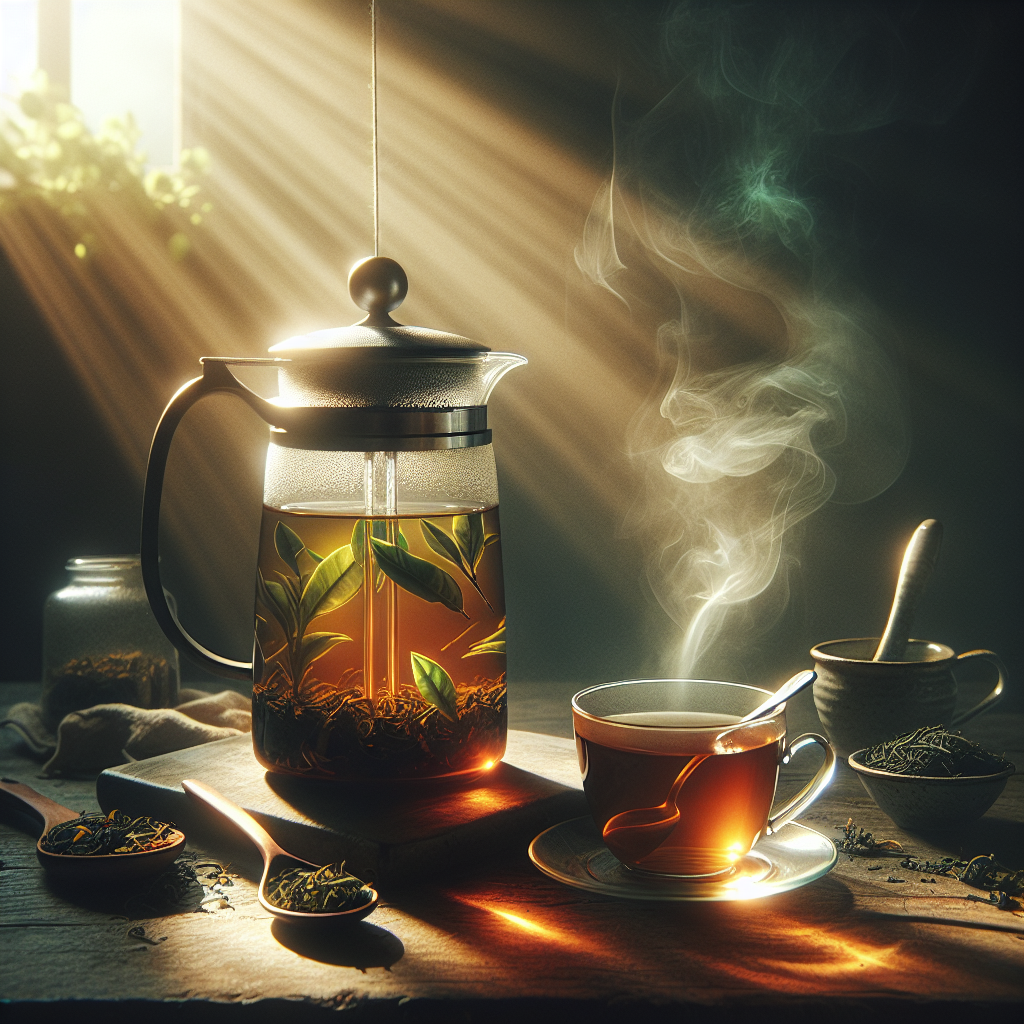
Enjoying a rich, aromatic cup of tea starts long before the first sip—it begins with choosing the right tea brewer. A tea brewer is more than just a tool; it is the heart of how water meets leaves, time, and temperature to create the perfect infusion. Whether you’re steeping a delicate white tea or a bold pu-erh, understanding the role of your tea brewer can dramatically transform your tea ritual. In this guide, we’ll explore how to find the ideal tea brewer, essential brewing techniques, and the lasting health and lifestyle benefits of refining your tea-making experience.
From handcrafted clay pots to advanced glass infusers, the modern tea brewer offers endless ways to enhance the flavor and aroma of your cup. Many tea enthusiasts underestimate how shape, size, and material influence brewing results. By learning these subtle differences, you can unlock hidden dimensions in flavor and aroma. This article will provide you with actionable insights to master the art of brewing, ensuring that each cup expresses the true character of your chosen tea.
Understanding the Role of the Tea Brewer
The tea brewer sits at the center of every tea experience. It determines extraction rate, temperature stability, and how leaves unfurl. Whether simple or sophisticated, its purpose remains constant: to coax the best from tea leaves while maintaining clarity of flavor. Selecting a suitable tea brewer also means aligning your choice with your brewing style—casual, ceremonial, or professional tasting.
Different Types of Tea Brewers
There is no single type of tea brewer that suits all teas. Each type is optimized for specific flavor profiles and user preferences. Here are the main categories:
- Ceramic Brewers: Known for heat retention and balanced infusion. Ideal for everyday teas.
- Glass Brewers: Perfect for observing color and leaf movement. Best for green or blooming teas.
- Clay Brewers: Used in traditional tea ceremonies. These brewers develop a patina that enriches fragrance over time.
- Metal Brewers: Durable and modern, great for on-the-go or outdoor brewing.
- Automatic Electric Tea Brewers: Offer convenience with preset temperatures and steeping timers.
Material Matters in a Tea Brewer
Each material interacts with water and tea differently. For example, porcelain retains heat evenly, maintaining the correct extraction temperature. A Yixing clay tea brewer absorbs tea oils over repeated use, intensifying future brews. Glass brewers allow you to monitor steeping visually, which helps prevent over-brewing—especially for delicate teas such as green or white.
Choosing the Ideal Tea Brewer for Your Needs
Choosing the right tea brewer isn’t about price or aesthetics alone; it’s about compatibility between the brewer and your preferred tea leaves. An oolong tea may sing in a small clay pot, while an herbal infusion might thrive in a large glass teapot. When selecting, prioritize volume capacity, filter type, and temperature control features.
Size and Functionality
The capacity of a tea brewer significantly affects brewing results. A large brewer allows for multiple servings and extended steeping sessions, but smaller vessels—popular in Asian tea culture—preserve heat and concentrate flavor. Pay attention to the spout design and lid fit, which influence pouring precision and ease of cleaning.
Ease of Maintenance
A high-quality tea brewer should be easy to clean and maintain. Residue buildup can distort taste over time. Glass and stainless steel brewers are dishwasher-friendly, while clay and ceramic types require handwashing. Rinsing the tea brewer with hot water before brewing also enhances flavor clarity and temperature stability.
Mastering Brewing Techniques with a Tea Brewer
Once you own an ideal tea brewer, technique becomes the next essential skill. Proper timing, water temperature, and leaf measurement make the difference between a dull cup and a fragrant masterpiece.
Water Temperature Control
Each type of tea requires specific temperatures. Overheating water scorches delicate leaves, while too-cool water under-extracts. For instance, green tea prefers 75–80°C, while black tea extracts best around 95°C. Some modern electric brewers include digital thermometers or preset settings to make this simple.
Advanced Tip for Precision
Use a thermometer or adjustable kettle to pair with your tea brewer. Professional sommeliers often calibrate their equipment to maintain 1–2°C precision. Consistency across sessions is key to revealing a tea’s full character.
Steeping Time and Leaf Quantity
Timing is everything. Too long, and the brew becomes bitter; too short, and it lacks depth. The golden rule: one teaspoon per cup, adjusting for strength preference. An accurate timer transforms your tea brewer into a controlled infusion system, ensuring the balance between aroma, color, and body.
Multi-Infusion Method
Some teas—like oolong or pu-erh—unfold multiple times. A capable tea brewer allows successive infusions where each pour unveils new layers of flavor. Experimenting with shorter initial steeps followed by progressively longer ones helps you trace a tea’s evolution, building mindfulness into every cup.
Benefits of Using a Quality Tea Brewer
A thoughtfully chosen tea brewer isn’t just a functional object; it’s a gateway to better health, mindfulness, and enjoyment. Consistent brewing quality leads to consistent wellness benefits from tea’s antioxidants, catechins, and calming compounds like L-theanine.
Flavor Optimization
A premium design extracts balanced compounds—neither overly bitter nor flat. The result is smoother, more nuanced tea. This optimization also prevents nutrient loss caused by fluctuating water temperatures or poor infusion circulation.
Health and Lifestyle Advantages
Brewing tea properly enhances its health potential. A tea brewer that supports full oxidation and temperature control allows maximum release of polyphenols, which strengthen immunity and cardiovascular health. Beyond chemistry, engaging with a well-designed brewer fosters relaxation and mindful routine.
Pairing Your Tea Brewer with Different Teas
Each tea family calls for a unique interaction between leaf and vessel. Below are practical recommendations for pairing your tea brewer with tea types.
- Green Tea: Use a glass or porcelain tea brewer for visual clarity and temperature stability.
- Black Tea: Clay or thick ceramic retains heat, unlocking the bold aromas of fermented leaves.
- Oolong Tea: Medium-porous clay promotes partial oxidation harmony.
- Herbal Infusions: Wide, transparent brewers display the beauty of botanicals and allow longer steeping.
- White Tea: Light glass brewers accent delicate notes while avoiding overheating.
Real-World Example
Consider a tea café in Kyoto that uses different brewers for distinct teas. Their jasmine pearls bloom in clear glass, demonstrating both artistry and function. Meanwhile, their roasted oolong thrives in small earthenware that preserves heat precision. This example illustrates why the tea brewer should match tea variety for the best sensory return.
Tea Brewer Care and Longevity
Proper maintenance ensures durability and taste purity. Treat your tea brewer with the same respect you would fine tableware or musical instruments.
Cleaning Do’s and Don’ts
Never use harsh chemicals on clay or ceramic brewers. Instead, rinse with hot water immediately after use. Stainless steel and glass brewers can be washed with mild soap if needed. Avoid lingering moisture, as it can alter future flavor profiles or create odor buildup.
Storage Best Practices
Store your tea brewer in a dry area away from direct sunlight. Some collectors wrap their brewers in breathable cotton cloths to maintain finish quality. For electric models, avoid leaving water in the reservoir between uses to prevent mineral buildup.
When to Replace a Brewer
Even well-loved brewers have a lifespan. Replace them when cracks form, lids no longer seal tightly, or flavor inconsistencies arise. For electric tea brewers, check manufacturer warranties for replacement parts or filters.
Psychological Aspects of Tea Brewing
Brewing tea offers calm and connection. Using a reliable tea brewer can transform an ordinary morning into a reflective moment. Many people describe it as a meditative ritual—heating water, watching leaves swirl, and waiting with patience. This mindfulness value is one reason tea culture continues to resonate worldwide.
The Ritual Connection
In Japan’s chanoyu and China’s gongfu practice, the tea brewer symbolizes respect for craftsmanship. Even simple home sessions can evoke this presence. Breathing with the rhythm of pouring water brings relaxation similar to meditation. Your tea brewer becomes a trusted companion in building balance and serenity.
Enhancing Social Gatherings
Sharing tea brewed with care deepens bonds. A visually appealing tea brewer sparks curiosity and conversation. Guests can observe, ask questions, and appreciate the aesthetic choreography of proper brewing. It invites attentiveness and dialogue—a rare presence in today’s digital routine.
Environmental Benefits of a Reusable Tea Brewer
Using a reusable tea brewer sharply reduces single-use waste. Compared to disposable tea bags or pods, a long-lasting brewer shrinks your carbon footprint while keeping microplastics away from your cup. Glass and stainless steel versions are particularly eco-friendly as they last for years without corrosion.
Sustainable Brewing Habits
Try composting used tea leaves and conserving rinse water for plants. Pairing a sustainable tea brewer with organic tea brands enhances environmental mindfulness. Choose manual instead of electric options when feasible to save energy.
To learn more about sustainable cultivation and traditional brewing heritage, explore Tea Cultivation Stories on TeaStory.blog and their companion guide on Global Tea Ceremonies.
Exploring the Future of Tea Brewers
The tea brewer industry is evolving with technology. Smart brewers now integrate app controls, self-cleaning cycles, and data sensors that analyze brewing consistency. Yet, artisans still craft handmade pots with centuries of tradition. The future blends convenience with authenticity.
Innovation Meets Tradition
Hybrid brewers that combine digital precision and natural materials will likely dominate the next decade. For instance, ceramic smart pots equipped with embedded temperature chips replicate features once found only in laboratories. These innovations preserve cultural beauty while embracing usability.
Curious tea lovers can follow scientific perspectives on modern brewing design from sources like World Tea News and educational insights at the Tea Association of the USA.
Conclusion: The Value of a Thoughtful Tea Brewer
In the end, selecting a thoughtful tea brewer enhances every dimension of tea life—from taste symphony to personal reflection. It turns an ordinary beverage into a crafted experience that stimulates your senses and soothes your mind. With care and practice, your tea brewer evolves alongside you, adapting to your mood, season, and taste preference. Whether you choose a simple porcelain cup or a high-tech device, dedication to proper brewing will yield moments of restoration, one pour at a time.
Frequently Asked Questions
What is the best tea brewer for beginners?
For beginners, a glass or stainless steel tea brewer with an integrated infuser basket offers clarity and ease. You can see the steeping process and control extraction by simply lifting the insert. It’s versatile across tea types and easy to clean. Beginners should start with simple leaves like green or chamomile to learn how leaves expand and respond to time. A glass tea brewer helps you build confidence by letting you observe brewing color, an important learning cue for perfect flavor balance.
How often should a tea brewer be cleaned?
You should rinse your tea brewer after every use. For daily drinkers, a deeper clean once per week prevents oil buildup from affecting flavor. Avoid using strong detergents for clay or ceramic brewers; these materials can absorb soap and distort taste. Hot water rinsing preserves the natural patina for traditional clay models. For electric tea brewers, remove removable parts like filters and dry them thoroughly. Cleanliness ensures purity of aroma and extends your brewer’s lifespan tenfold when done consistently.
Can one tea brewer be used for multiple tea types?
It can, but subtle differences exist. For example, using a clay tea brewer that’s been seasoned with oolong may transfer aroma to green tea. To avoid cross-flavoring, it’s recommended to dedicate separate brewers to heavily oxidized or scented teas. However, glass or stainless steel brewers can handle multiple teas because they don’t retain oils. Always rinse thoroughly between uses if you switch varieties. Having two or three designated brewers keeps flavor profiles authentic, ensuring each tea reveals its true potential.
Are electric tea brewers better than manual ones?
Each has strengths. Electric tea brewers deliver precision and speed—great for busy mornings. Manual brewers connect you to the ritual, letting you feel the water heat and control pour rhythm. Many enthusiasts use both: an electric model for weekday convenience and a handcrafted version for weekend leisure. Modern electric tea brewers now feature adjustable temperature presets to optimize for each tea type. Ultimately, the best choice depends on lifestyle and how much tactile engagement you seek in your daily brew.
How does a tea brewer impact tea health benefits?
A consistent brewing temperature and correct timing preserve antioxidants, catechins, and amino acids. A poor-quality tea brewer may scald leaves, causing loss of nutrients. For maximum benefit, use clean, filtered water and the appropriate temperature range for your tea type. A well-designed tea brewer maintains water purity, ensuring beneficial compounds transfer intact to your cup. This means your immune system and metabolism gain the full advantage of natural tea chemistry—proof that equipment choice truly matters.
Can a tea brewer influence taste more than the tea leaves?
While tea leaves determine basic flavor, your tea brewer amplifies or suppresses that expression. Think of it like a musician’s instrument—the same sheet music sounds different on each violin. Materials, shape, and size define how water flows and heat circulates, influencing extraction. Even with top-grade leaves, the wrong brewer can yield bitterness or flat taste. On the other hand, a compatible tea brewer highlights delicate aromas, producing harmony between water temperature, oxidation level, and steep time.
What’s the lifespan of a high-quality tea brewer?
A durable tea brewer can last decades with care. Handmade clay models often become heirlooms, while glass and steel versions average five to ten years depending on use. Longevity depends on proper drying, gentle handling, and avoiding temperature shock. For electric models, replacing filters and parts maintains efficiency over time. Regular maintenance transforms a simple utensil into a companion that matures gracefully with your tea journey, holding stories of thousands of mindful brews shared and enjoyed.
Can traditional and smart tea brewers coexist in one kitchen?
Absolutely. Traditional and smart tea brewers complement each other beautifully. Keep a clay or porcelain brewer for ceremonial sessions and a smart electric version for quick brewing. This dual setup allows flexibility: honor tradition while embracing innovation. You can use the electric brewer to heat water with precision, then pour it into your traditional pot for hand-controlled infusion. Many tea lovers enjoy merging these experiences, blending authenticity with modern efficiency for the perfect harmony of past and present.


Leave a Reply