
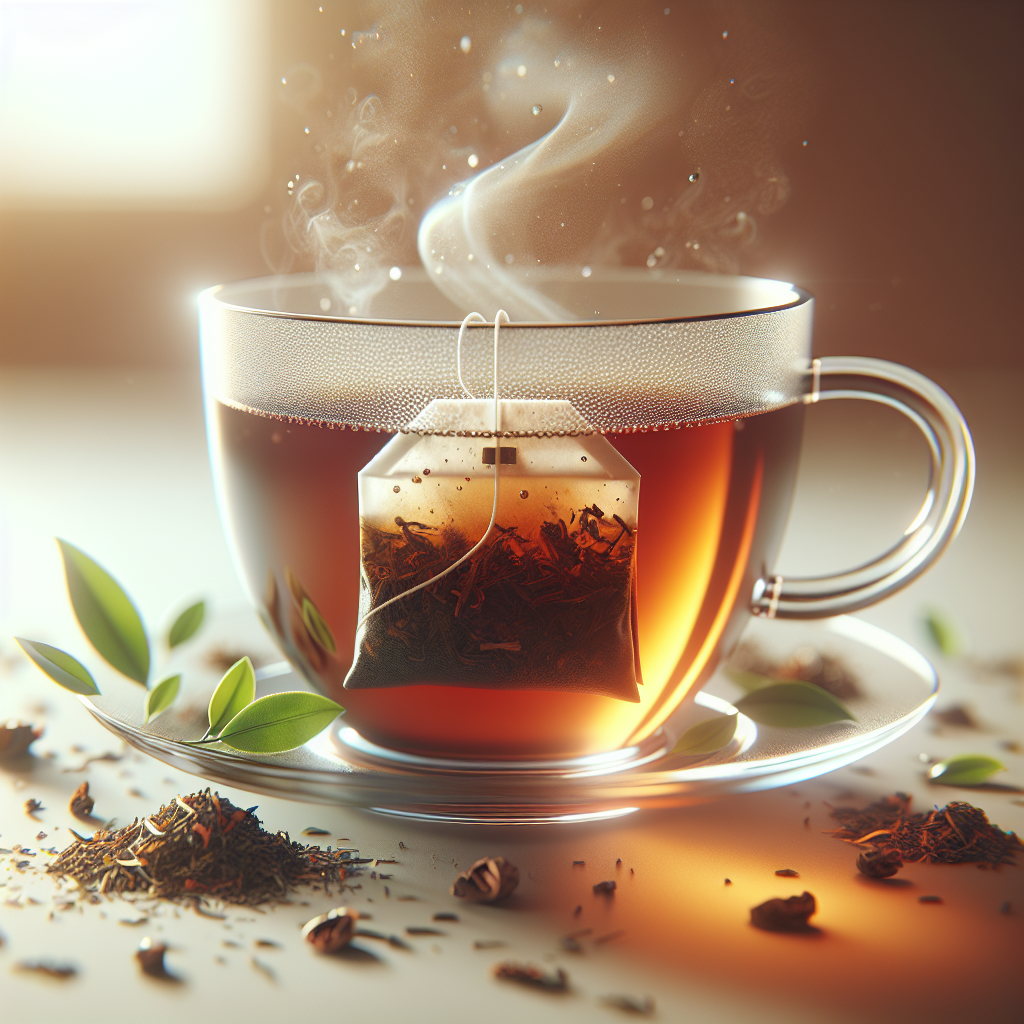
There’s something quietly soulful about sitting with a warm chai ka cup in hand. The fragrance of crushed cardamom, ginger, and tea leaves meld into a comforting aroma that instantly calms the senses. A chai ka cup isn’t just a drink—it often represents warmth, connection, and a touch of ritual in daily life. Whether it’s shared with friends during a rainy afternoon or sipped alone before beginning the day, this simple yet delightful beverage carries a world of flavor and tradition.
In this article, you’ll discover more than just how to brew a perfect chai ka cup. You’ll explore essential tips for selecting quality ingredients, insights into its nutritional benefits, and ways to elevate the experience with mindful preparation. Beyond taste, there’s science and art behind tea-making that, once understood, can turn every chai ka cup into a moment of intentional enjoyment. Let’s dive into the world of this beloved beverage and uncover how it can transform your daily routine into a meaningful ritual.
The Essence of a Chai ka Cup
Every chai ka cup tells a story, from the origin of its leaves to the spices that flavor it. Traditionally, this Indian-origin drink blends black tea with milk, sugar, and a medley of spices such as cinnamon, cloves, cardamom, and ginger. But the real charm lies in its adaptability—each region, household, and individual tweaks the blend to their own preference, resulting in endless variations that all share one unifying element: comfort.
Understanding Its Cultural Roots
The chai ka cup has deep roots in South Asian culture, symbolizing hospitality and togetherness. Guests are often welcomed with steaming chai, and casual conversations frequently begin over a pour from the kettle. Beyond social warmth, tea drinking is deeply woven into rituals, routines, and even business meetings. In India’s streets, “chaiwalas” serve small cups to early workers—each cup brimming with aroma, energy, and connection to community life.
Modern Adaptations Across the World
Today, the chai ka cup has transcended boundaries. In cafés from London to Los Angeles, chai lattes and iced masala blends represent a fashionable adaptation of traditional recipes. However, the authenticity of a homemade chai ka cup, boiled patiently to balance tea and spice, often remains unmatched. Many tea lovers now experiment with almond milk, oat milk, and sugar substitutes, proving that tradition evolves gracefully with modern lifestyle preferences.
How to Brew the Perfect Chai ka Cup
Brewing a proper chai ka cup requires patience and attention. Each element—the tea leaves, spices, milk, and sweetener—plays an integral role in shaping flavor and texture. Here’s a simple guide to help you create the perfect balance of strength and smoothness.
Choosing the Right Tea Leaves
The soul of your chai ka cup lies in its tea base. Assam tea, known for its robust malty flavor, is often the preferred choice. Darjeeling, on the other hand, gives a lighter, more aromatic tone. Experimenting with blends can help you discover your ideal taste—strong enough to hold spices, yet not overpowering the palate. Always choose whole or broken leaves rather than dust-grade tea for a better brew and richer flavor profile.
The Role of Spices
Spices transform a basic tea into a distinctive chai ka cup. Cardamom lends sweetness, ginger provides warmth, cloves introduce depth, and pepper adds an earthy kick. For a personalized touch, try toasting spices briefly before adding them to release essential oils. Always mash them gently—avoiding powdering—which ensures deeper extraction during the simmering process. Some tea enthusiasts keep spice blends premade, adjusting the mix seasonally.
Balancing Milk and Sweetness in Your Chai ka Cup
Milk softens the strength of the tea and ties together the flavors. Full cream milk gives a rich, velvety texture, while plant-based options bring unique notes. Sweeteners, too, can shift the experience. Traditional sugar enhances the deep caramel tone, while honey or jaggery inject layered sweetness. The key is moderation—too much milk can mute the tea’s character, and excessive sugar can mask its natural harmony. Aim for a creamy but not heavy finish with your chai ka cup.
Step-by-Step Brewing Method
- Boil water and add crushed spices; simmer to extract fragrance.
- Include tea leaves and allow them to steep until the water deepens in color.
- Pour in milk slowly, maintaining a low flame to avoid boiling over.
- Sweeten and strain the tea directly into your cup for an aromatic, fresh chai ka cup.
Health Benefits of Enjoying a Chai ka Cup
Beyond its delightful taste, a chai ka cup carries several wellness benefits, combining the antioxidant richness of tea with the medicinal properties of spices. When made mindfully, it offers a balance of comfort and nourishment.
Boosts Immunity and Digestion
The ginger and cardamom in a chai ka cup aid digestion by stimulating enzyme activity, while black tea’s antioxidants strengthen immunity. The spices’ antibacterial qualities, especially from cloves and cinnamon, make it a helpful daily ally during seasonal changes. After heavy meals, drinking chai can help reduce bloating and enhance gut balance.
Improves Mental Clarity and Energy
Unlike coffee, the caffeine in a chai ka cup releases slowly, providing alertness without sudden crashes. Combined with L-theanine in tea, it encourages calm focus. For those seeking natural energy, switching from multiple coffees to two measured cups of chai can significantly improve concentration and overall cognitive balance.
Supports Emotional Well-being Through Ritual
One underrated advantage of a chai ka cup is its role in emotional mindfulness. The act of brewing and waiting teaches patience, while the aroma stimulates relaxation. Many cultures consider the process itself therapeutic—making it not just a beverage but a grounding habit in times of stress. When shared with others, it fosters connection, laughter, and reflection—simple moments that support mental wellness.
Expert Tips to Elevate Your Daily Chai ka Cup
Once you’ve mastered the basics, consider enhancing your everyday routine with small yet meaningful adjustments. The art lies in personalizing your chai ka cup to suit lifestyle, mood, and occasion.
Experiment with Tea Origins
Try different global teas—from Kenyan bold blends to Nepalese aromatic leaves. Each will lend unique undertones to your chai ka cup. Record your experiments; you may be surprised how much a slight change in source influences depth and aftertaste. To learn more about tea origins and their cultural influences, visit Tea Association of the USA.
Play with Spice Ratios
Customize your blends. For instance, increase ginger and pepper during winter for warmth; in summer, opt for cardamom and fennel for refreshing notes. Keep spices fresh—store them in airtight containers away from moisture. You can refer to teastory.blog’s Tea Recipe section for creative flavor combinations that complement classic techniques.
Make It a Conscious Practice
Turn each brew into a mindful exercise. Pay attention to the gentle boil, the scent rising from your kettle, and the comforting warmth that follows. The more present you are with your chai ka cup, the richer your experience becomes. Consider brewing without distractions; let the aroma anchor you to the moment.
Serving Presentation and Environment
Refreshing presentation matters. Use small ceramic or clay cups for authenticity—they retain heat well and enhance aroma. Serve alongside light snacks such as biscuits or savory namkeen for balance. You can also serve your chai ka cup outdoors during dusk to connect with natural surroundings, mirroring old traditions of slow tea enjoyment.
Regional Twists and Global Versions of the Chai ka Cup
Different regions have reimagined the chai ka cup with distinct touches. Let’s explore how its preparation and perception differ across cultures.
India: The Traditional Masala Blend
Here, the chai ka cup is a daily essential. Street vendors typically brew strong tea boiled with milk and thick blends of spices. Each locality boasts a slightly different recipe—more turmeric in the south, more cardamom in northern kitchens. It’s quick, strong, and loved by all classes alike.
Middle East: Spiced Tea with Local Notes
In countries like Oman and Qatar, you’ll find “Karak Chai,” a cousin of the Indian chai ka cup but often heavier on condensed milk and sugar. It reflects how cultural exchange adds sweetness and depth while keeping the drink’s essence intact.
Western Adaptations of the Chai ka Cup
In Western cafés, chai often becomes a frothy latte—smooth and lightly spiced. These versions simplify preparation but also dilute traditional strength. Still, they’ve popularized chai across diverse audiences, increasing awareness of Indian tea culture globally. To explore historical influences of tea traditions, see teastory.blog’s Tea History article.
Environmental and Ethical Aspects of Your Chai ka Cup
As global tea consumption grows, awareness about ethical sourcing and sustainability becomes essential. A responsible chai ka cup should respect both nature and the farmers who cultivate tea.
Fair Trade and Sourcing
Opt for ethically sourced tea certified under credible bodies. This ensures fair wages for tea workers and promotes sustainable cultivation. Supporting transparent producers also elevates your chai ka cup beyond taste—it becomes a gesture of conscious living.
Eco-friendly Brewing Practices
Use biodegradable tea strainers and locally-sourced milk where possible. Minimize waste by measuring ingredients accurately. You can compost used tea leaves; their natural nitrogen content makes excellent plant fertilizer. Small sustainability steps amplify positive impact one chai ka cup at a time.
Reusable and Mindful Utensils
Consider ceramic or stainless-steel utensils instead of disposable cups. It’s a simple way to reduce waste while making your brewing routine feel more grounded. Even the symbolic act of sipping from a reusable vessel gives emotional depth to your chai ka cup experience.
Lifestyle Integration and Moments of Reflection
A chai ka cup has the power to weave calm into a fast-paced lifestyle. Turning it into a daily ritual—morning or evening—helps create deliberate pauses for reflection. It grounds individuals in stillness amidst digital and mental noise.
Morning Rituals for Focus
Start the day with a single deliberate brew, focusing on aroma and warmth instead of screens. That five quiet minutes can set the emotional tone for the day. Regular sunrise sips of your favorite chai ka cup renew the sense of centered mindfulness many people seek through meditation.
Evening Conversations and Bonding
Sharing tea after sunset is deeply cultural but globally relatable. Passing around piping cups builds connection and empathy. Families often make chai time sacred—avoiding phones or TV—and use it to talk about feelings, ideas, and gratitude. Each chai ka cup poured becomes more than refreshment; it’s a link between hearts.
Conclusion: Rediscovering Joy in Every Chai ka Cup
A chai ka cup epitomizes simplicity, warmth, and mindfulness. Its layers of taste mirror life’s balance—strong yet soothing, bold but nurturing. By refining how you brew, serve, and experience your tea, you can create daily rituals that nourish both body and mind. So, the next time you pour that familiar blend of tea and spices, pause for a moment. In that humble chai ka cup lies centuries of tradition, wellness, and connection waiting to be rediscovered.
Frequently Asked Questions
What makes a chai ka cup different from regular tea?
A chai ka cup differs from regular black tea because it’s brewed with spices, milk, and sweetener, which add complexity and aroma. Unlike plain tea, it balances sweetness with warmth from ingredients like ginger and cardamom. The result is a comforting beverage with cultural significance and deeper flavor layers. Regular tea may refresh you, but a chai ka cup soothes you while uplifting your mood, making it both an experience and a drink that connects you with tradition.
How can I make a healthy chai ka cup without compromising taste?
To make a healthier chai ka cup, reduce sugar levels and use natural sweeteners like honey or jaggery. Opt for low-fat or plant-based milk such as oat or almond to cut down calories. Include spices like ginger, cinnamon, and pepper for metabolism support. Choosing organic tea leaves ensures fewer chemicals in your brew. This method maintains the traditional character while offering a modern, wellness-friendly version of your beloved chai ka cup.
Is drinking a chai ka cup every day beneficial?
Yes, having a chai ka cup daily can be beneficial in moderation. The antioxidants in tea improve cardiovascular health, and spices like ginger and cloves support digestion. However, monitor your caffeine intake and keep sugar balanced. Many wellness practitioners recommend limiting to two cups per day for optimum benefits. Regular consumption also offers emotional comfort, as the ritual itself promotes mindfulness and relaxation—an important benefit often overlooked in daily self-care routines.
Can I prepare an iced version of chai ka cup for summer?
Absolutely. To prepare an iced chai ka cup, brew your tea stronger than usual, allowing the spices to infuse deeply. Let it cool and pour over ice with milk of choice. You can sweeten it lightly with honey or vanilla syrup for a smooth finish. The refreshing iced version retains all the depth of traditional chai while providing relief on hot days—a creative twist suitable for those wanting familiar flavor in a cooler treat.
What are the best spices to include in a chai ka cup?
Cardamom, ginger, clove, and cinnamon are the classic spices in a chai ka cup. Star anise and pepper can add complexity, while nutmeg gives gentle sweetness. Always use whole spices and crush them slightly before brewing to unlock the oils. Adjust combinations seasonally to enhance specific healing effects—ginger for cold weather, fennel for summer freshness. Keeping a balanced ratio of spice ensures harmony and avoids overpowering the delicate flavor of the tea base.
How can chai ka cup help reduce stress naturally?
Brewing and drinking a chai ka cup stimulates a sense of calm through aroma-triggered relaxation. The combination of warmth, mild caffeine, and natural polyphenols helps improve mood and steady nerves. Creating time to sit, sip slowly, and breathe deeply during tea moments anchors mindfulness. For many, it becomes an intentional pause from their hectic routine—a small ceremony that nurtures inner peace and brings awareness to life’s quiet joys without external distractions.
Does the type of teaware affect the chai ka cup flavor?
Yes, teaware influences aroma retention and temperature stability. Clay cups, or “kulhads,” often used in India, enhance earthy notes and create an authentic connection with nature. Porcelain and ceramic cups maintain temperature evenly, keeping your chai ka cup hot longer. Stainless steel utensils are durable and neutral in flavor. The best choice depends on personal preference, but investing in good teaware amplifies sensory pleasure, making the experience aesthetically and emotionally richer.
Can children or seniors safely enjoy a chai ka cup?
Children and seniors can enjoy chai ka cup in mild versions. For children, reduce caffeine by using more milk and fewer tea leaves; keep spices gentle. For seniors, add digestive-friendly ingredients like fennel or cardamom and moderate sweetness. Always serve warm, not piping hot. This inclusive beverage adapts to different life stages while delivering comfort. Sharing a chai ka cup across generations fosters warmth and continuity within families, reinforcing emotional connections over shared moments.


Leave a Reply