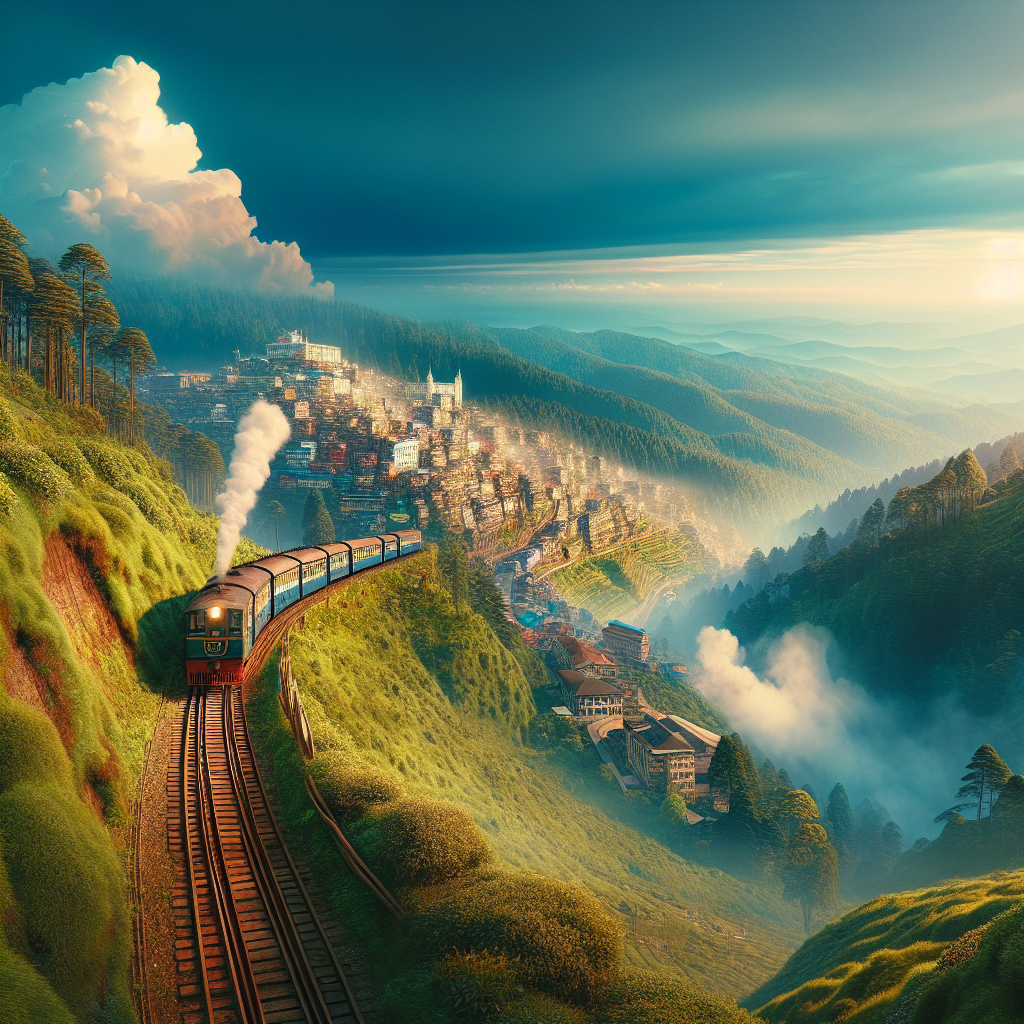
Nestled among the misty peaks of the eastern Himalayas, darjeeling hill station is one of India’s most captivating destinations. Renowned for its rolling tea gardens, colonial charm, and panoramic views of Mt. Kanchenjunga, this hill retreat attracts travelers seeking both serenity and adventure. Whether you are drawn by its timeless architecture, cool climate, or aromatic brews, exploring darjeeling hill station reveals a blend of British-era nostalgia and authentic Himalayan culture that few places can match.
Travelers often describe their first glimpse of darjeeling hill station as a scene straight out of a postcard—quaint homes perched over steep slopes, narrow toy train tracks curving through green hills, and locals greeting you with warm smiles. Yet beyond its beauty, Darjeeling invites deeper exploration. From sunrise points to grassy ridges, from centuries-old monasteries to bustling bazaars, every corner speaks of stories layered over time. This ultimate guide will help you discover what makes darjeeling hill station truly unforgettable.
Overview of Darjeeling Hill Station
Set at an altitude of about 2,050 meters, darjeeling hill station lies in the Indian state of West Bengal and borders Sikkim and Nepal. The town started as a colonial summer resort during British rule. Over time, it evolved into a fusion of Lepcha, Tibetan, and Nepali cultures, each adding its rhythm to the region’s daily life. The result is a destination that feels both global and grounded.
Today, darjeeling hill station is known not only for its enchanting landscape but also for its UNESCO-listed Darjeeling Himalayan Railway, local Tibetan monasteries, and international schools. Each of these landmarks tells part of the story of how this secluded hamlet became a major cultural hub of eastern India.
Why You Should Visit Darjeeling Hill Station
The appeal of darjeeling hill station lies in its contrasts—tranquil valleys alongside lively streets, ancient rituals beside cozy cafés. Tourists and locals alike find balance here, whether sipping tea at a colonial hotel or trekking through pine forests. The climate remains temperate throughout the year, making it a year-round getaway for peace seekers and explorers.
Darjeeling is also an excellent base to explore nearby destinations like Kalimpong, Mirik, and Sikkim. As you plan your journey, understand that darjeeling hill station stands apart for its blend of natural grandeur and cultural depth.
Top Attractions at Darjeeling Hill Station
Each attraction in darjeeling hill station carries its own charm, whether in history, scenery, or simple human connection. Spending at least three days allows visitors to experience the full rhythm of the hill town.
Tiger Hill Viewpoint
One of the most iconic spots of darjeeling hill station, Tiger Hill offers sunrise views that inspire poets and photographers alike. As dawn breaks, the first rays of sunlight brush over Mt. Kanchenjunga’s snow-clad peaks, painting them gold and rose. On exceptionally clear mornings, Mount Everest peeks out in the distance—a rare and humbling sight.
Darjeeling Himalayan Railway (Toy Train)
A UNESCO World Heritage Site, this toy train represents both nostalgia and engineering excellence. Built in the late 19th century, the narrow gauge railway meanders through small settlements, tea plantations, and bridges that seem to defy gravity. Riding this train is perhaps the most authentic way to absorb the rhythm of darjeeling hill station.
Padmaja Naidu Himalayan Zoological Park
Home to snow leopards, red pandas, and Tibetan wolves, the zoo functions as a conservation center focusing on high-altitude fauna. For families traveling through darjeeling hill station, this park balances education with engagement, offering visitors a window into fragile Himalayan ecosystems.
Peace Pagoda and Japanese Temple
Perched on the slopes of Jalapahar Hill, this shining white structure symbolizes harmony and peace. Visitors to darjeeling hill station often climb up the stairs to witness the panoramic view of the town and the surrounding ridges. Morning prayers at the temple add spiritual calm to your journey.
Culture and Lifestyle in Darjeeling Hill Station
Beyond scenic points, darjeeling hill station reveals a fascinating mosaic of traditions. The predominant cultures—Nepali, Lepcha, and Tibetan—interlace beautifully in local festivals, attire, and cuisine. Wander through Chowrasta and you’ll hear multiple languages in a single afternoon.
People and Festivals
The warmth of the residents is the town’s biggest treasure. You’ll notice their genuine hospitality whether you shop in a market or share a meal. Festivals like Losar, Dashain, and Tihar bring bursts of color, drums, and traditional dances that infuse darjeeling hill station with celebration.
Music and Arts of Darjeeling Hill Station
Local musicians often perform folk tunes in cafés and open parks, blending guitar chords with Nepalese rhythms. The town hosts art workshops and photography walks that focus on mountain culture. Several artists’ collectives also use traditional crafts like weaving and painting to preserve heritage.
Darjeeling Tea – The Soul of the Hills
No guide to darjeeling hill station is complete without mentioning its tea estates. Nicknamed the “Champagne of Teas,” Darjeeling Tea offers distinctive aroma and taste derived from the microclimate. Over 80 tea gardens surround the town, offering tours and tasting experiences that immerse you in the craft behind every cup.
Visit estates such as Glenburn, Makaibari, or Happy Valley to learn about processing, plucking, and grading. You can also stay overnight in heritage bungalows that overlook terraced slopes wrapped in mist. More about the origin of this beverage can be explored through informative articles on Tea History and Tea Cultivation, offering insight into how hills like darjeeling hill station transformed global tea culture.
Beyond local knowledge, global tea lovers can also refer to authoritative sources such as Tea Board of India and Encyclopedia Britannica on Tea to gain perspective on varieties, trade, and sustainability.
The Tea Tourism Experience
Tea tourism within darjeeling hill station allows guests to pick leaves, join tasting sessions, and learn brewing techniques directly from professionals. These tours elevate the stay from sightseeing to sensory exploration. Many visitors even buy first-flush tea leaves—known for delicate aroma and light flavor—to bring a bit of Darjeeling home.
Sustainable Practices in Tea Estates
Modern plantations within darjeeling hill station emphasize sustainable farming: minimal pesticide usage, organic certification, and community-based employment. This focus on sustainability not only protects biodiversity but also ensures fair value for local workers, many of whom have cultivated tea for generations.
Adventure and Outdoor Activities
While relaxation is a major reason to visit, adventure enthusiasts find darjeeling hill station equally thrilling. Trekking, paragliding, cycling, and rock climbing thrive here due to ideal elevations and dramatic landscapes.
Popular Hiking and Trekking Trails
The Singalila Ridge trek is a favorite among seasoned travelers, offering close encounters with the Himalayas. Starting from Manebhanjan, the route passes through Sandakphu and Phalut, providing breathtaking views across four of the five highest peaks in the world. For casual hikers, short day trails around darjeeling hill station, such as the Observatory Hill walk, offer relaxation without exhaustion.
Mountain Biking and Paragliding
With new routes mapped every year, mountain biking through forested paths provides a dose of thrill. Paragliding from nearby Lebong Valley, on the other hand, grants bird’s-eye views of tea gardens and rooftops of darjeeling hill station—a memory you’ll never forget.
Food and Culinary Discoveries
Food unites people at darjeeling hill station just as much as tea does. With cultural influences from Nepal, Tibet, and Bengal, the cuisine features dumplings, noodles, and spicy stews that satisfy both vegetarians and meat lovers.
Local Favorites
Must-try dishes include momos (steamed dumplings), thukpa (noodle soup), and sel roti (sweet Nepali bread). Visit Kunga Restaurant for authentic Himalayan tastes or Glenary’s Bakery for fresh scones by the window overlooking the valley. Street food stalls serve piping hot popcorn and roasted corn that taste better in the cool mountain air of darjeeling hill station.
Cafés and Tea Rooms
Stopping by a tea room is an essential local ritual. Classic venues like Nathmull’s or Happy Valley Tea Boutique remind travelers to slow down. Many cafés source leaves directly from nearby plantations, ensuring freshness. The sense of place embedded in each cup defines why darjeeling hill station remains symbolic of slow travel and mindfulness.
Accommodation Options at Darjeeling Hill Station
The lodging options vary widely—budget hostels for backpackers, colonial hotels for history buffs, and luxury bungalows for honeymooners. No matter your choice, views of the rolling hills are nearly guaranteed.
Colonial Charm and Heritage Hotels
Hotels like Windamere and Mayfair carry forward Edwardian design and hospitality traditions. Staying here feels like stepping back in time, yet conveniences like spas and local cuisine create a balanced comfort zone amidst the old-world charm.
Modern Boutiques and Homestays
In recent years, modern boutique stays have emerged around darjeeling hill station offering cozier, personalized experiences. Warm chats with local hosts and evenings near fireplaces add authenticity to your travel memories.
Travel Planning and Tips
Proper planning ensures you make the most of your time in darjeeling hill station. Consider transportation, season, and responsible practices to maximize comfort and minimize impact.
How to Reach Darjeeling Hill Station
The nearest airport is Bagdogra, 90 kilometers away. From there, taxis, shared jeeps, and buses regularly ply to the hills. The most scenic route remains the toy train journey from New Jalpaiguri. Travelers often spend the extra hours because the ride itself embodies the essence of darjeeling hill station—slow, scenic, and charmingly old-fashioned.
Best Time to Visit
Spring (March–May) and autumn (September–November) offer clear skies and refreshing weather. If you prefer lush greenery, the monsoon months transform darjeeling hill station into a rain-washed paradise, although fog can limit visibility.
Responsible Tourism Practices
Eco-conscious travel is particularly vital here. Visitors can make a difference by avoiding plastic, shopping from local handicraft stores, and using refillable water bottles. With initiatives in place, darjeeling hill station aims to remain sustainable for future generations of both travelers and residents.
Shopping and Souvenirs
Markets in darjeeling hill station brim with locally sourced treasures—from handwoven scarves to bags made by women’s cooperatives. You’ll also find artisanal teas packed beautifully for gifting. Bargaining is common but keep it fair; it sustains local livelihoods.
Where to Shop
Head to Chowk Bazaar for everyday items or Mall Road for more curated souvenirs. The Himalayan Mountaineering Institute shop sells quality outdoor gear. Buying locally produced crafts contributes directly to community development within darjeeling hill station.
Photography and Scenic Spots
Both professional photographers and casual travelers find darjeeling hill station extraordinarily photogenic. The ever-changing play of light and fog creates dramatic compositions. Early mornings near Batasia Loop or evenings along Observatory Hill provide perfect backdrops.
Best Sunrise and Sunset Points
Tiger Hill remains unbeatable for sunrise shots, but nearby spots like Lamahatta and Ghum Monastery offer lesser-known yet equally breathtaking vistas. Bring a tripod and patience—the shifting mist around darjeeling hill station often turns good photos into great ones.
Conclusion: The Enduring Magic of Darjeeling Hill Station
At the heart of the Himalayas, darjeeling hill station continues to embody harmony between history, culture, and nature. Its tea gardens whisper centuries-old stories, its streets echo laughter and prayer, and its skies paint twilight brushstrokes over mountain silhouettes. Long after you leave, this town lingers in memory—like the faint aroma of freshly brewed tea at dawn. Plan wisely, travel mindfully, and let darjeeling hill station show you the timeless beauty of life above the clouds.
Frequently Asked Questions
What makes darjeeling hill station unique compared to other mountain towns?
Darjeeling stands apart because it balances heritage, culture, and landscape gracefully. Its UNESCO toy train, view of Mt. Kanchenjunga, and diverse community create an experience that’s both exotic and peaceful. Few hill towns combine Buddhist monasteries, British architecture, and world-renowned tea estates in such proximity. Visitors also appreciate the temperate climate, friendly locals, and the distinctive aroma of tea gardens that line the hillsides, making darjeeling hill station a sensory delight nearly unmatched elsewhere.
When is the best time to visit darjeeling hill station for tea lovers?
The spring season, typically March to May, marks the prized first-flush tea harvest. During this period, plantations open guided tours, and you can participate in tastings at several estates. The crisp air, mild sunlight, and green slopes contribute to an enriching journey. Autumn also provides comfortable weather and clearer mountain views. For tea enthusiasts, visiting darjeeling hill station during these windows allows both scenic photography and firsthand immersion into tea-making traditions.
How can travelers reach darjeeling hill station easily?
Most travelers arrive via Bagdogra Airport or New Jalpaiguri railway station. From either point, shared jeeps, private taxis, or buses connect directly to the hills. Although slightly longer, the heritage toy train remains the most romantic option. Roads are winding but well-maintained, while the journey itself offers glimpses of lush valleys and small hillside villages. Planning an early start helps avoid traffic and maximizes daylight when traveling to darjeeling hill station.
What activities can families enjoy at darjeeling hill station?
Families find plenty to enjoy: toy train rides, visits to the zoo and tea estates, leisurely shopping, and short hikes. Several heritage parks and monasteries double as educational outings for children. Many hotels offer family-friendly amenities and guided trips. The calm pace of the town ensures there’s minimal rush, allowing families to bond over evening tea and strolls. Safety and hospitality make darjeeling hill station one of the most welcoming destinations for multigenerational travelers.
Is darjeeling hill station suitable for adventure sports?
Absolutely. Trekking, mountain biking, and paragliding rank high among outdoor pursuits. The Singalila Ridge offers routes across diverse terrain with impressive views of Himalayan peaks. During suitable seasons, adventure operators run courses for rock climbing and river rafting in nearby regions. Beginners can easily find half-day experiences while experts can join multi-day treks. Combining adventure with comfort, darjeeling hill station appeals equally to thrill-seekers and contemplative wanderers.
Where can travelers learn about the tea heritage of darjeeling hill station?
You can explore numerous estates—Happy Valley, Makaibari, or Glenburn—to learn about plucking and processing. Visitors participate in hands-on workshops, taste different flushes, and observe sustainable farming in practice. Museums and visitor centers provide context through photographs and historical displays. To deepen understanding, online resources like the Tea Board of India and tea-focused blogs expand knowledge about global influence originating from darjeeling hill station.
Are there sustainable travel options for visitors to darjeeling hill station?
Yes, significant efforts aim to maintain environmental balance. Eco-friendly homestays minimize waste, while tea gardens promote organic certification. Travelers are encouraged to use refillable bottles, avoid single-use plastics, and purchase from local artisans. Walking tours lessen carbon impact compared to private vehicles. By supporting responsible initiatives, visitors ensure that darjeeling hill station continues to thrive as both a natural and cultural haven for future generations seeking mindful travel experiences.
What souvenirs should one buy from darjeeling hill station?
Authentic souvenirs include handwoven scarves, locally made jewelry, carved wooden items, and, of course, premium tea leaves. Each tea boutique sells limited-edition blends representing seasonal harvests. Buying directly from plantations helps sustain worker communities and ensures product authenticity. Some artists’ cooperatives also offer eco-friendly stationery or bamboo crafts. Shopping within the main markets and smaller village stalls gives travelers meaningful keepsakes rooted in darjeeling hill station’s heritage and craftsmanship.




Leave a Reply