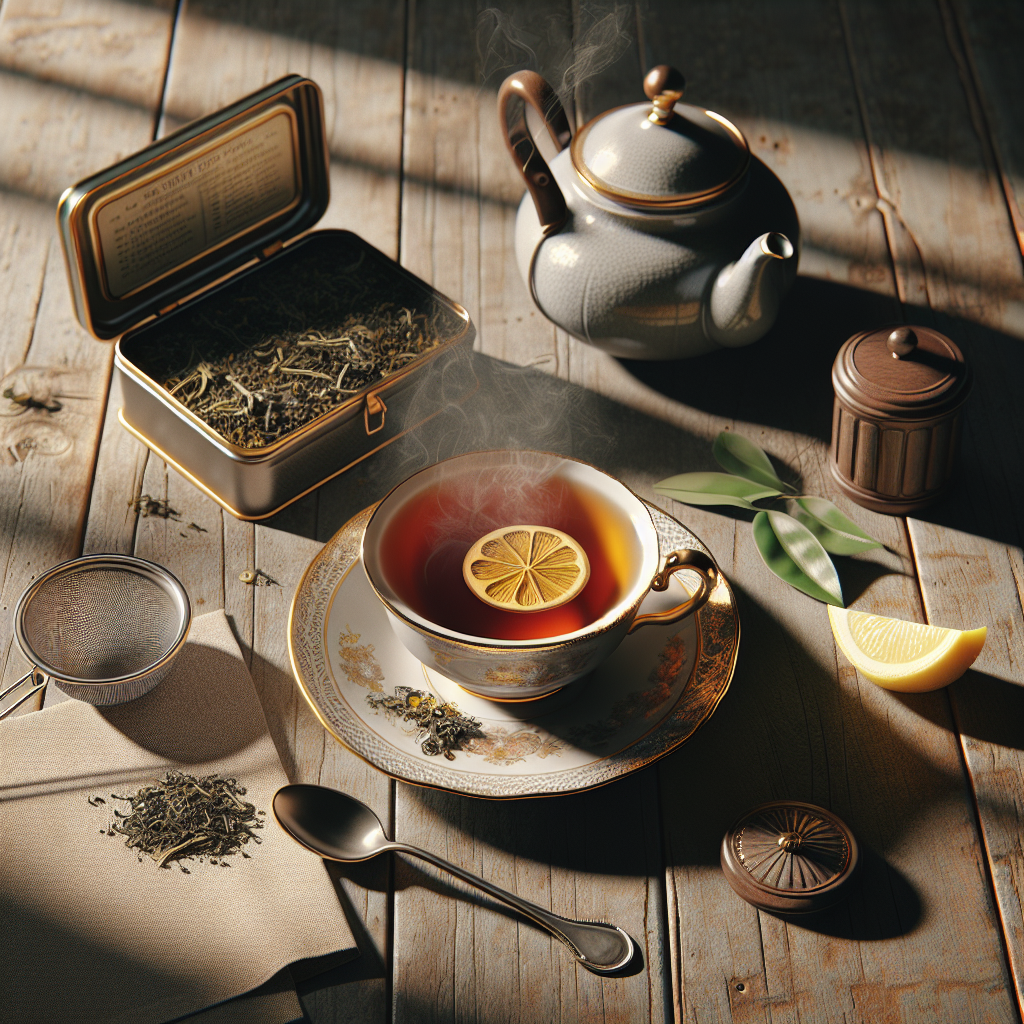
Preparing the perfect cup for tea is more than a simple daily ritual—it’s a mindful practice that combines art, science, and personal taste. Whether you’re a seasoned tea lover or someone discovering the calm in a warm brew, the kind of cup you choose can deeply influence aroma, temperature, and enjoyment. Exploring the right cup for tea teaches us how materials, shapes, and temperatures harmonize to create balance in flavor and comfort. This article dives into the essential tips, best materials, and surprising benefits behind the humble cup for tea, empowering you to enhance every sip mindfully and beautifully.
Choosing the right cup for tea can transform your beverage experience from ordinary to extraordinary. While steep time, temperature, and tea leaves often receive most of the attention, the cup itself subtly shapes the entire sensory experience. Whether crafted from ceramic, porcelain, glass, or clay, each material interacts differently with your tea. Beyond practicality, your choice of cup for tea connects to tradition, culture, and even sustainable living. Here, we discover what makes an ideal tea vessel and explore proven ways to elevate your daily tea ritual.
Understanding the Importance of the Right Cup for Tea
Before choosing materials and designs, understanding why a cup for tea matters sets the foundation. The vessel doesn’t just hold your beverage; it governs temperature retention, aroma concentration, and how each sip feels in your hand. Many tea enthusiasts underestimate how much surface area, rim thickness, and even handle positioning can transform taste perception.
For centuries, civilizations that embraced tea—from China to England to Japan—crafted specific vessels suited to their styles. A Chinese porcelain gaiwan provides versatility and refinement, while a Japanese yunomi reflects craftsmanship and mindfulness. Thus, the cup for tea becomes both a cultural artifact and a sensory tool for appreciation.
Material Matters: Choosing the Ideal Cup for Tea
Different materials interact uniquely with heat and flavor. To find your perfect match, consider these options and their traits:
- Ceramic: Retains heat effectively and offers a neutral taste. Ideal for everyday brewing.
- Porcelain: Smooth, elegant, and gentle on delicate teas such as white or green. The refined texture enhances aromatics.
- Glass: Great for visual enjoyment—see the color of your brew—and for double-walled insulation.
- Clay (Yixing or Tokoname): Gradually absorbs tea oils, enriching future brews. Perfect for oolong and pu-erh teas.
- Stainless Steel: Durable but can slightly affect taste; best for travel use.
Your choice of cup for tea also depends on your routine. A ceramic mug works well for morning rushes, while a fine porcelain cup enhances meditative moments. Mixing function and form allows you to tailor each session to your day.
Shape and Size: The Science Behind the Sip
How your cup for tea is shaped influences the way you experience aroma and flavor. A narrow rim concentrates fragrance near the nose, while a wider bowl releases vapors more freely for milder teas. The thickness of the cup affects cooling time: thin cups suit green tea, while thicker ones maintain warmth for black tea.
Optimal cup size also influences the balance of tea concentration. Smaller shapes invite slow savoring and multiple refills, a nod to Asian tea traditions. Consider how each design changes your connection to the drink and how you hold it. A well-balanced cup for tea should feel stable in your grip and pleasing to lift.
Enhancing the Experience: Practical Tips for Your Cup for Tea
Creating a better experience with your cup for tea involves attention to details that heighten taste and aroma while preserving comfort and sustainability.
Temperature and Preparation
Preheating your cup for tea prevents sudden temperature drops that may alter flavor. Pour warm water into the empty cup before your brew to gently heat the surface. When ready, discard the water and pour in your prepared tea. This technique maintains optimal warmth for a longer sip session.
Pay attention to matching tea type and cup temperature. Cooler cups suit delicate green teas; warmer cups enhance oolong and black teas. Mastering this small technique turns your daily drink into a more refined experience.
Tea Infusion and Cup Compatibility
Good steeping habits align with the right cup for tea. Different cups accommodate distinct brewing methods. Transparent glass is perfect for watching the unfurling of tea leaves, while a porous clay cup gradually builds up residue that imbues deeper flavor tones over time. Matching infusion methods to your chosen cup ensures that flavor integrity remains intact from start to finish.
Images That Reflect Tea Culture

Cleaning and Maintenance Tips
Taking care of your cup for tea preserves not just cleanliness but longevity and taste consistency. Avoid harsh detergents on clay or porcelain pieces; they can strip the natural seasoning built over time. For glass and ceramic, mild soap and warm water suffice. Always air dry upside down to keep moisture away from the interior curve.
Dedicated tea cups often benefit from gentle hand washing rather than dishwashing, as heat and abrasion may dull glazes. Periodic care maintains the purity of your next cup for tea—a key part of maintaining ritual respect.
Health and Wellness Benefits of Mindful Tea Enjoyment
Enjoying tea from the right cup contributes not only to taste but also to emotional well-being. Studies show that a thoughtfully prepared cup for tea boosts mindfulness and relaxation. Ritualized brewing creates a calm rhythm in one’s day, lowering stress markers while enhancing focus and social connection.
From the warmth that gently touches your palms to the aroma that fills your space, each sensory cue deepens grounding. In today’s fast-paced environment, a well-designed cup for tea becomes a simple yet powerful tool for self-care.
Reducing Environmental Impact
Your selection of a durable cup for tea can also reflect eco-conscious values. Reusable cups reduce waste caused by disposable paper or plastic options. Traditional teas often come from sustainable farms, and pairing them with eco-friendly cups extends that same principle into your daily actions.
Consider investing in cups crafted from recycled materials or artisanal studios that prioritize low-impact production. Supporting such craftsmanship not only sustains heritage but also honors the planet through each sip.
Social and Cultural Value
Throughout history, the cup for tea has symbolized hospitality, wisdom, and conversation. In Japanese tea ceremonies, the vessel is chosen carefully to complement the host’s spirit of respect. In British tea service, porcelain emphasizes refinement and communal sharing. Each cultural nuance shows how the cup is woven into human connection.
Learning about various practices enriches your own enjoyment. Reading about traditional tea ceremonies reveals how physical design and spiritual intention meet in every pour. Similarly, understanding tea’s global background through tea history deepens appreciation for that morning ritual you may take for granted.
Comparing Modern and Traditional Cups for Tea
Modern innovations meet ancient aesthetics in the evolution of the cup for tea. Minimalist designs now merge insulation and ergonomics, while classic pottery continues to charm collectors worldwide.
Modern Design Trends
Contemporary cups often integrate double-layered glass or bamboo exteriors for style and function. These designs keep your tea warm yet safe to hold. Travel-friendly variations come with lids and built-in strainers, blending mobility with authenticity. The right modern cup for tea nurtures convenience without betraying craftsmanship.
Traditional Craftsmanship
Handcrafted cups—like Yixing clay or Japanese raku—retain cultural significance and authenticity. Each handmade piece reflects the potter’s touch and intention. While uniform glassware may highlight modern simplicity, a traditional cup for tea emphasizes uniqueness and emotional value that mass production cannot replicate.
Using a Cup for Tea in Everyday Rituals
Incorporating intention into your daily tea drinking adds meaning to a simple habit. Setting aside a few quiet moments, selecting your favorite cup for tea, and brewing consciously can ground your mind. Pairing this act with reflection or deep breathing enhances presence and focus.
Seasonal Adaptations
Different seasons invite changes to both beverage and vessel. In summer, a transparent glass cup for tea enhances iced blends with visual charm. During winter, heavy ceramics deliver comforting warmth. By noticing how temperature and texture interact, you turn every drink into a sensory journey through the seasons.
Creating a Tea Space at Home
Consider building a small tea corner—a dedicated shelf or tray—where you display your preferred cups for tea alongside strains of loose leaves and teapots. This personal corner encourages mindfulness and simplifies your brewing routine. Little details, like soft lighting or a small napkin, can elevate each session.
Expert Advice: Evaluating Quality When Buying a Cup for Tea
When selecting a cup for tea, experts recommend inspecting craftsmanship, usability, and aesthetics. Pay attention to smoothness of the rim, handle comfort, and proportional balance. Observe how glaze finishes hold color and how a cup sits stably on surfaces. Minor differences impact not just looks but the pleasure in your hand.
Retail and Online Options
Brick-and-mortar tea shops often carry artisanal options allowing tactile exploration, while online platforms host global designs and reviews. Reputable sources such as Tea Culture of the World provide curated collections and detail reliability on origin and material. Likewise, informational references on TeaSource help compare functionality with authenticity.
Authenticity and Counterfeits
As tea culture becomes global, counterfeit ceramics have also entered markets. Beware of products labeled as pure Yixing clay when they contain synthetic blends. Research makers, read certifications, and look for transparency around sourcing. A genuine cup for tea not only lasts longer but also honors artisans safeguarding centuries of knowledge.
Frequently Asked Questions
Why does the choice of cup for tea matter so much?
Picking the correct cup for tea isn’t vanity—it’s practical science. Different materials conduct heat differently, affecting how long your tea stays warm and whether subtle flavors emerge fully. The cup’s shape determines how aromas reach your senses and whether the drink burns your tongue or stays balanced. Every part of the experience, from aroma retention to tactile comfort, ties back to the vessel. Understanding this turns tea drinking from a casual routine into a contemplative, sensory event, amplifying both enjoyment and appreciation of the craft behind each brew.
What material offers the best cup for tea at home?
Ceramic and porcelain often win for everyday use. A porcelain cup for tea feels elegant, resists staining, and keeps taste pure for lighter teas. Ceramic offers warmth and durability, perfect for black or herbal infusions. However, a clay cup deepens flavor for enthusiasts who drink repeatedly from the same cup. Try different materials to see which complements your preferred tea type. Balancing function and emotion—how it feels to hold and sip—ultimately defines the best choice for you and your lifestyle.
How do I clean my reusable cup for tea properly?
Clean gently and consistently. Use mild detergent, warm water, and a soft sponge. For clay or fine porcelain, rinse with plain water to preserve internal seasoning layers. Avoid abrasive tools or very hot drying as this weakens glaze. Regular cleaning maintains taste accuracy and keeps buildup from influencing aroma. Make sure to air-dry upside down so residual moisture doesn’t create dull spots or odors. When maintained properly, a cup for tea can last decades, offering both durability and timeless character with every sip.
Can I use one cup for tea for all tea types?
You can, but nuanced tea drinkers eventually prefer specific cups for specific teas. A dense cup retains heat ideal for robust black or oolong blends, while thinner porcelain is delicate enough for white and green teas. Certain teas even require clay cups seasoned over time to develop depth. Experimentation will reveal how material shapes perception. Owning a few varied cups enhances the joy of discovery in your daily ritual, ensuring each beverage finds its harmonious vessel for maximum aroma and character.
Does the design of the cup for tea influence health benefits?
Yes, indirectly. The design impacts how you consume your tea—how fast, how mindful, and how comfortable the process feels. A balanced, comfortably shaped cup encourages slower sipping, letting antioxidants and other nutrients absorb better. Temperature retention also matters; too-hot cups can degrade delicate antioxidants swiftly. Beyond the physical, habitual mindful tea drinking can reduce stress and stabilize focus. Thus, while the design itself doesn’t add nutrients, it shapes an environment that helps you benefit fully from the wellness essence of tea.
How can I create a sustainable tea routine using my cup for tea?
Opt for long-lasting, ethically made cups and reusable steeping tools. Choose hand-thrown pottery or recycled-glass cups, reducing reliance on disposable materials. Wash with eco-friendly soap, avoid energy-heavy dishwashers, and compost used leaves. When sharing your tea moments online or at gatherings, discuss how your chosen cup for tea supports artisans or uses low-impact materials. The act of merging ritual pleasure with responsibility enhances purpose behind each cup. Sustainability becomes ritual—it nurtures your environment while you unwind with your brew.
What size cup for tea is ideal for daily use?
Most find 6–10 ounces comfortable for single servings, balancing portion control and warmth. Smaller vessels promote mindful sipping, while larger mugs offer convenience. The ideal size depends on your tea habits—if you cherish repeated infusions, a small cup for tea ensures freshness; for constant sipping at your desk, choose larger insulated designs. Remember, proper cup-to-teapot proportions matter too. Matching the right size helps sustain optimal flavor concentration and makes brewing predictable. Having two or three cups in varied sizes keeps your tea sessions flexible and versatile.
Each cup for tea tells a story—a story of craftsmanship, mindfulness, and care. By thoughtfully selecting and maintaining yours, you deepen your appreciation for both the art and nourishment behind every pour.


Leave a Reply