
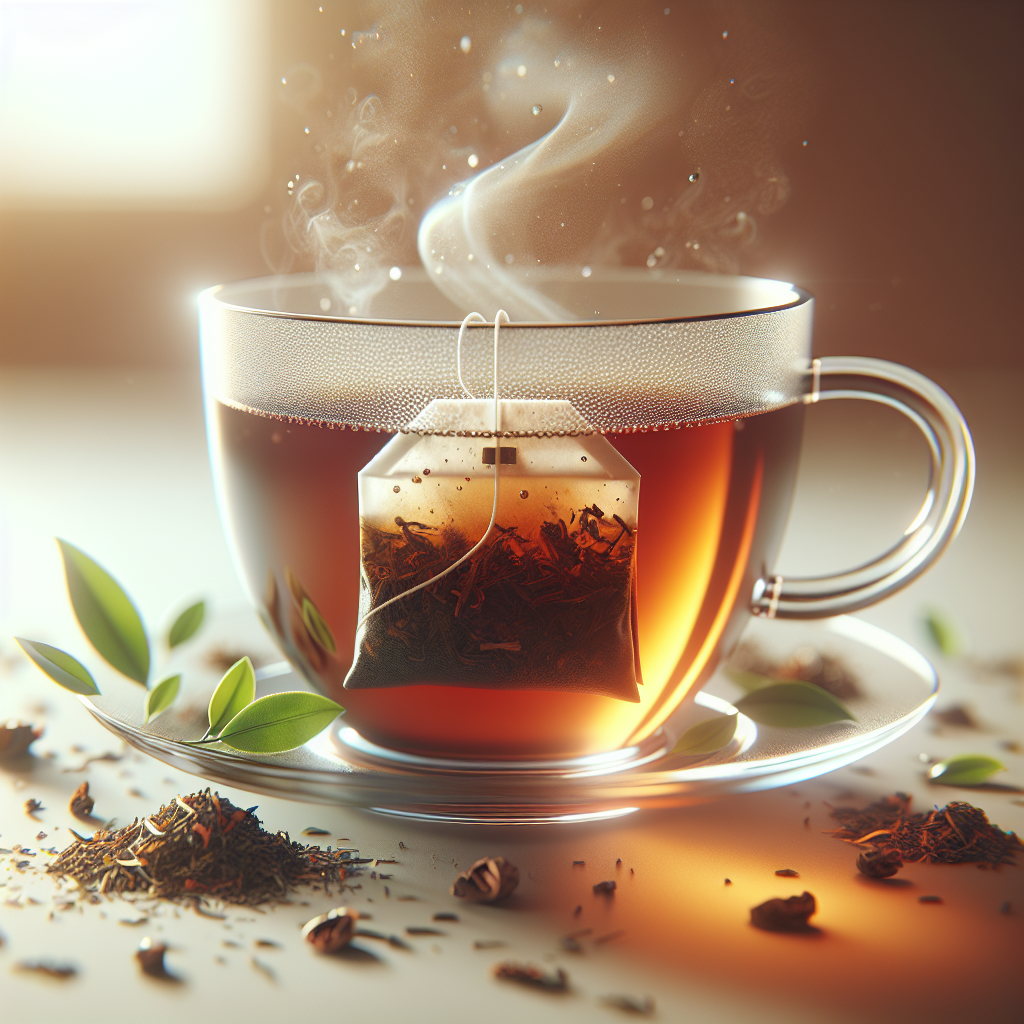
Among the simplest pleasures in life, the ritual of brewing a cup of tea begins with something humble yet extraordinary — the tea bag. Whether you enjoy green, black, herbal, or fruit infusions, this small packet of dried leaves has revolutionized the way the world consumes tea. The compact convenience of a tea bag allows anyone to savor a moment of calm anywhere — at home, in the office, or while traveling. Understanding how to use, choose, and even reuse a tea bag can transform your daily tea experience while improving both flavor and well-being.
In modern lifestyles that often prioritize speed, the tea bag is a soothing counterbalance. It offers quick preparation without compromising on taste or variety. From improving mental alertness to promoting digestive health, the contents of each tea bag hold centuries of wisdom and cultural heritage. In this article, we’ll explore essential tips for getting the best results, the hidden benefits of using a tea bag, and some creative ideas to make your tea ritual sustainable and enjoyable. Each section aims to help you approach tea with awareness, considering not just convenience but also quality, ethics, and the subtle art of infusion.
Understanding the Tea Bag Experience
The tea bag may appear as a simple invention, but its impact on tea culture is profound. It represents both innovation and accessibility. Originally developed in the early 20th century, it became an instant success by turning an ancient brewing tradition into a fast, mess-free process. Despite its simplicity, each tea bag involves a well-considered balance of tea particle size, material quality, and sealing method — all influencing aroma and flavor.
What Makes a High-Quality Tea Bag Different
Not all tea bags are created equal. Quality depends on the freshness of the leaves, the cut size, and the material used for the bag itself. Whole-leaf teas placed in pyramid-shaped bags, for instance, allow better extraction compared to finely ground leaves found in flat sachets. The paper or biodegradable mesh chosen also affects taste; some cheap materials may alter the flavor or restrict water flow.
How to Select the Right Tea Bag for Aroma and Taste
Choosing the right tea bag can dramatically improve your tea experience. Look for brands that list origin and tea variety on their packaging. Companies committed to ethically sourced tea will often share information about farming regions and production methods. Organic cotton or compostable corn fiber tea bags are ideal alternatives for reducing plastic microfibers in your drink. For a stronger brew, opt for pyramid bags with visible leaf fragments instead of fine dust or fanning. The goal is to make steeping a consistent and joyful ritual matched to your personal taste and values.
Optimal Brewing Techniques for the Perfect Cup
One crucial step that determines the richness of your tea bag infusion is brewing time and temperature. Many tea lovers make the mistake of pouring boiling water over every blend, but not all teas respond well to high heat. Green and white teas require gentle water; otherwise, they turn bitter. Black and herbal teas, however, thrive under hotter temperatures.
Recommended Brewing Temperatures
- Green tea: 70–80°C (158–176°F) for 2–3 minutes
- Black tea: 95°C (203°F) for 3–5 minutes
- Herbal infusions: 95°C (203°F) for 5–7 minutes
- Oolong tea: 85–90°C (185–194°F) for 3–4 minutes
The secret is patience and precision. Using fresh, filtered water brings out subtle notes that regular tap water can dull. After steeping, remove the tea bag rather than squeezing it — pressing can release unwanted bitterness from the leaves.
Real-Life Example: Brewing Green Tea Bags Mindfully
Consider the experience of a person seeking calm in a busy office. Instead of boiling water directly from the kettle, they let it rest for a minute before immersing their green tea bag. After three minutes, the drink reveals soft vegetal tones without sharpness. Simple adjustments like this showcase how mindfulness can transform a mundane habit into a restorative break. The tea bag becomes a small tool of balance amid daily noise.
Health Benefits of Using a Tea Bag
Beyond refreshment, the tea bag contributes to physical and mental well-being through antioxidants, polyphenols, and amino acids naturally present in tea leaves. These compounds guard against oxidative stress, support metabolism, and enhance concentration. While benefits vary by variety, regularly steeping a tea bag of quality origin can deliver measurable improvements in health.
Specific Health Advantages by Tea Type
- Green tea bags: Rich in catechins that aid metabolism and brain function.
- Black tea bags: Contain theaflavins known to improve heart health.
- Chamomile or herbal tea bags: Promote better sleep and reduce anxiety.
- Peppermint tea bags: Natural support for digestion and respiratory comfort.
- Rooibos tea bags: Caffeine-free yet full of antioxidants suitable for evening use.
How the Tea Bag Format Supports Healthy Habits
Because it’s pre-measured, a tea bag encourages balanced caffeine consumption. Its compact form ensures minimal waste and easy cleanup, motivating consistent use. Many nutrition coaches recommend substituting an afternoon coffee with a tea bag of green or herbal tea to reduce sugar intake while keeping energy levels stable. With careful selection, the tea bag can become an ally to both wellness and sustainable daily rhythm.
The Sustainability Factor
Sustainability plays a growing role in how people choose and use tea bags today. Traditionally, some bags were sealed with small amounts of thermoplastic fibers, raising concerns about microplastic contamination. The shift toward compostable materials reflects consumers’ environmental awareness. Biodegradable versions made from natural corn starch, hemp, or abaca fiber break down without leaving environmental residue.
Reducing Waste with Creative Reuse
After steeping, a used tea bag still has value. The soft, moist leaves offer natural cleaning, refreshing, and gardening applications. Here are practical ways to reuse them:
- Deodorize: Dry used tea bags and place them in shoes, refrigerators, or closets to absorb odor.
- Plant nourishment: Add tea bag contents to compost or directly into soil for mineral enrichment.
- Skin care: Cool and apply black or green tea bags to puffy eyes for a natural anti-inflammatory effect.
Example: Tea Bag Reuse in Eco-Lifestyle
In many sustainable households, the second life of a tea bag is a badge of creativity. Families collect used tea bags for gardening, treating them as tiny fertilizer capsules. One gardening blogger reported that mixing used tea bag contents into potting soil helped retain moisture around seedlings. This approach makes each cup of tea part of a circular, zero-waste system.
Historical and Cultural Insight
The tea bag’s convenience may seem like a modern novelty, but its roots intertwine with tea’s thousand-year history. Early 20th-century merchants began shipping loose tea samples in silk bags; customers, mistaking them for brewing tools, dropped the bags straight into hot water. The simplicity resonated instantly. Since then, the tea bag has become a global habit that bridges practicality with ritual.
The Tea Bag and Traditional Practices
While purists once resisted the idea, many tea traditions now integrate the tea bag without sacrificing integrity. Modern Japanese sencha bags or Chinese jasmine sachets retain authentic flavors. This adaptation exemplifies how innovation can honor tradition rather than replace it. For anyone wishing to explore tea’s origins, learning about traditional brewing gives deeper appreciation for how the tea bag made tea more approachable while sustaining cultural heritage.
To delve deeper into cultural history, you may explore Tea History at TeaStory.blog, which offers extensive background on how diverse customs shaped global tea consumption.
Modern Influence of the Tea Bag
Across the globe, modern cafés, offices, and households rely on the tea bag to make cultural connection accessible. In Britain, nearly 96% of tea is prepared with a tea bag, a figure representing not decline in quality but evolution in lifestyle. Even artisan brands now craft biodegradable tea bags filled with premium leaves, combining old-world taste with new-world ease.
Practical Tips to Maximize Flavor
To get the most out of every tea bag, approach preparation as intentional rather than automatic. Water quality, steeping vessel, and even cup size can modify taste. Avoid leaving a tea bag in water beyond the recommended time; prolonged steeping extracts tannins that overshadow delicate notes. Experimentation helps develop your ideal strength, aroma, and temperature balance.
Enhancing Flavor Naturally
- Add a slice of lemon to brighten black tea.
- Use honey or natural sweeteners rather than sugar.
- Combine a mint tea bag with a green tea bag for a refreshing blend.
- Try adding spices like cinnamon or cardamom to a chai tea bag infusion.
Such pairings create personal signatures to your daily brew — gentle ways of turning the tea bag into an instrument of artful self-expression.
Expert Insight
Tea sommeliers note that storage conditions can make or break a tea bag’s vibrancy. Keep them in airtight containers, away from light and moisture. Oxygen and humidity cause leaf oxidation, which dulls both scent and health benefits. Regularly rotating your supply ensures every cup maintains its original allure.
Economic and Ethical Aspects
The rise of the tea bag has stimulated fair-trade awareness and created millions of jobs globally. Ethical brands pay attention to working conditions on plantations, sustainable packaging, and transparent supply chains. Choosing fair-trade certified tea bags signifies respect for growers and natural resources alike. The convenience we enjoy today comes from farmers’ labor and centuries of cultivation knowledge.
For more ethical sourcing guidance, check Tea Association of the USA, a reliable reference on responsible procurement. Also, explore Tea Cultivation on TeaStory.blog to understand how sustainable growing impacts taste and quality.
Case Study: Switching Brands for Ethics
One consumer survey revealed that people who switched to ethically certified tea bag brands reported not only peace of mind but also improved perceived flavor. The psychological comfort of supporting fair labor adds intangible richness to the tea-drinking experience — a reminder that mindfulness extends beyond the cup.
Exploring Innovations Around the Tea Bag
As the world embraces convenience, the tea bag continues to evolve. Technology and design now merge to create smart packaging, reducing oxygen exposure and enhancing freshness. Artisans offer refillable cotton tea bags for loose-leaf aficionados who still appreciate structure. Specialty blends appear in ultraviolet-resistant packets that preserve antioxidants longer.
Examples of Emerging Innovations
- Scent-lock pyramid bags that maintain freshness for months.
- Tea bags embedded with small thermometer tags indicating ideal temperature.
- Eco-friendly string-free tea bags for minimal waste packaging.
- Digital labels linking consumers to farmer profiles and harvest information.
The Future Outlook
Looking forward, the tea bag might also serve nutritional and even cosmetic roles. Researchers experiment with vitamin-enriched blends and biodegradable materials infused with probiotics. Imagine a tea bag that not only brews flavor but also supports immunity or skincare routines — a continuation of tea’s evolution in modern wellness culture.
Conclusion
The tea bag has traveled far beyond its accidental inception to become a cornerstone of global beverage culture. Its simplicity hides sophistication: measured flavor control, sustainable possibilities, and links between health and heritage. By choosing quality materials, practicing proper brewing, and treating each tea bag as more than mere convenience, anyone can elevate their daily ritual into mindful enjoyment. In the gentle swirl of a tea bag steeping, ancient tradition meets modern life — one soothing cup at a time.
Frequently Asked Questions
How many times can I reuse a tea bag before it loses flavor?
You can typically reuse a tea bag once, especially with strong black or green tea varieties. The second brew will be milder but still flavorful. To preserve taste, store the used tea bag in an airtight dish for a few hours — avoid reusing after a full day to prevent bacterial growth. Herbal tea bags may give weaker results after the first steep because their essential oils diffuse rapidly. Always rely on color and aroma as indicators; a faded scent means the tea bag has already shared its best essence.
Does water temperature really affect the quality of a tea bag brew?
Absolutely. The flavor compounds in a tea bag extract differently at various temperatures. Too hot, and delicate leaves like green or white can turn bitter. Too cool, and black teas may taste flat. Using the proper range — 70–80°C for green, 90–95°C for black — ensures balance. Consider also the cup material: ceramic retains heat more evenly than glass, creating steady infusion. By adjusting water temperature, you honor the subtleties within the tea bag instead of overwhelming them.
Are biodegradable tea bags safe for composting?
Yes, most biodegradable tea bags made of plant starches or hemp fibers naturally decompose. Remove any staples or paper tags first. Under moist soil conditions, these materials break down within months, nourishing the garden with traces of nutrients. If your tea bag contains synthetic fibers, composting isn’t ideal. Always check labeling for “fully biodegradable” or “compostable” certification. Using such eco-conscious tea bags contributes to reduced waste while aligning your tea habit with the planet’s wellbeing.
Can a tea bag help with stress relief?
Drinking tea brewed from a tea bag can genuinely enhance relaxation, especially herbal types containing chamomile, lavender, or peppermint. These herbs influence the nervous system, reducing cortisol levels. Even green tea bags contain L-theanine, known for promoting calm alertness without drowsiness. The act of steeping — watching steam rise, waiting patiently — itself becomes a form of mindful meditation. Thus, the little tea bag holds not only physical but emotional support, reminding you to breathe and slow down briefly.
Is it better to use loose-leaf tea instead of a tea bag?
Loose-leaf tea often offers fuller flavor because leaves have more room to expand. However, a high-quality tea bag using whole or large fragments can deliver nearly identical pleasure. Convenience makes tea bags ideal for work or travel, where loose leaves might be impractical. Modern pyramid styles bridge the gap by giving the infusion space needed for flavor depth. Choosing between loose and bagged tea depends on context, taste preference, and lifestyle priority rather than a strict hierarchy of quality.
Can I customize or blend my own tea bags at home?
Certainly. DIY blends allow you to mix dried herbs, fruits, or spices into empty tea bags available in craft or specialty stores. Examples include combining green tea with rose petals or rooibos with ginger pieces. Seal the edges securely using a small clip or heat press. Creating your personal tea bag selection empowers you to control ingredients and strength while enjoying experimentation free of additives. Proper labeling helps you track combinations that suit mood, season, or health goals.
What’s the best way to store tea bags for freshness?
Store tea bags in airtight containers away from light, moisture, and strong odors. A dry, cool shelf or tin box prevents oxidation. Do not refrigerate unless sealed tightly; condensation can dull aroma. Keeping packets upright in designated sections helps rotation — oldest used first. For sensitive green or white teas, consider vacuum-sealed pouches. Good storage preserves the integrity of each tea bag, maintaining not only flavor but also the antioxidants that make tea a healthy daily habit.
Can I use a tea bag for skincare or home remedies?
Absolutely. Used tea bags have soothing and cleansing properties. Chilled green or black tea bags can reduce under-eye swelling, while chamomile bags calm insect bites or mild irritations. The tannins act as mild astringents, tightening pores and refreshing skin naturally. Additionally, rinsing hair with cooled tea bag infusions can add shine and color depth. Always ensure the tea bag is clean and cooled before application. These natural remedies highlight how a single tea bag can offer both wellness and beauty benefits beyond drinking.


Leave a Reply