Whether you drink tea for relaxation, focus, or health, choosing the best green tea can transform your daily ritual. Packed with antioxidants, amino acids, and natural caffeine, green tea delivers both immediate refreshment and long-term wellness benefits. Many people search for the best green tea not only for taste but also for purity, origin, and sustainability. Understanding what defines high-quality green tea will help you make confident choices, elevate your brewing experience, and truly enjoy what has been celebrated for centuries across cultures.
This guide explores the types, brewing techniques, and science behind the best green tea, combining tradition with evidence-based insight. You’ll also find expert recommendations, regional comparisons, and lifestyle tips for integrating green tea into your routine. By the end, you’ll know how to identify exceptional leaves, store them properly, and enjoy each cup to its fullest flavor potential.
What Makes the Best Green Tea Unique
The essence of the best green tea lies in its balance—between freshness and flavor, between body and aroma. Unlike black teas, green teas are quickly pan-fired or steamed after harvesting to prevent oxidation. This preserves their vibrant green color, vegetal notes, and delicate structure of beneficial compounds such as catechins and L-theanine.
Quality Determinants and Grading Standards
Several factors differentiate ordinary tea from the best green tea. The plucking season, altitude, climate, soil composition, and processing time all play roles. Spring flush teas from Japan and China often earn top ranks because the first leaves of the season accumulate nutrients through winter dormancy. Smaller, tender leaves yield lighter flavors and smoother texture. Experienced tea tasters also examine leaf shape uniformity and the clarity of brewed liquor. A slightly cloudy or dull hue may signal over-oxidation or poor drying.
The Role of Freshness in Flavor
Freshness cannot be overstated. The best green tea should ideally be consumed within six months of packaging. Exposure to light, heat, oxygen, or moisture can degrade subtle aroma molecules and flatten taste. Always keep tea in airtight containers made of non-reactive materials and avoid storing near spices or coffee. Premium whole-leaf teas like Japanese sencha or Chinese longjing respond especially well to proper storage, retaining grassy sweetness and umami depth.
Popular Varieties of the Best Green Tea
Understanding the main varieties helps you decide which profile suits your taste or intended benefit. Each region has developed its distinct style resulting from local traditions and climate. Below are some of the most recognized types featured on both global menus and in expert tasting rooms.
Japanese Green Teas That Define Precision
Japan’s mastery of the craft ensures that some of the best green tea options hail from its rolling tea fields. Steamed teas dominate its landscape:
- Sencha: Japan’s most common green tea, offering grassy brightness with notes of seaweed and chestnut.
- Gyokuro: Shade-grown for three weeks before harvest, creating a deep umami taste and low bitterness.
- Matcha: Finely ground powdered green tea used in both ceremonies and modern recipes like lattes or desserts.
- Hojicha: Roasted green tea with toasty, caramelly undertones suitable for evening drinking.
Each type represents an interpretation of what the best green tea can be: vivid, smooth, and flavor-balanced without harshness.
Chinese Green Teas and Historic Elegance
China, the birthplace of tea, offers an expansive palette of green teas. Some are pan-fired, others steamed or oven-dried, each reflecting centuries of experimentation:
- Longjing (Dragon Well): Noted for its flattened leaves, chestnut aroma, and delicate sweetness.
- Biluochun: Curly leaves with floral fragrance, often crafted from mountain-grown buds.
- Huangshan Maofeng: A gentle yellow-green brew with dew-like freshness.
Chinese artisans aim for grace and longevity in each leaf. The best green tea from China balances soft vegetal tones with layered aroma and pleasant mouthfeel.
New Origins Expanding Green Tea Horizons
In recent years, regions like South Korea, Taiwan, and even New Zealand have entered conversations surrounding the best green tea. Korean Jeoncha, for instance, echoes Japanese sencha but with slightly nuttier notes. Taiwanese green teas demonstrate floral complexity known from their oolong heritage. Small estates in Sri Lanka and India are also experimenting with steam-processing to meet the rising global demand for the best green tea.
How to Identify and Choose the Best Green Tea
Shopping for tea can be overwhelming given the marketing claims. To identify the best green tea for your goals, assess three categories: authenticity, sensory evaluation, and ethical production.
Authenticity and Certification
Seek certification marks such as Japan Agricultural Standards (JAS), China Organic, or EU Organic labels. Reputable vendors provide harvest year and origin details. Transparent sourcing ensures freshness and credibility. Reading reviews from tea forums or testing samples before bulk purchase also protects against false labeling. For reference, you can learn about American Tea Association grading and consumer guidelines that support standardization globally.
Evaluating Aroma, Taste, and Appearance
Visual inspection reveals much. The leaves of the best green tea are typically unbroken, glossy, and uniform. When steeped, observe liquor brightness; aroma should be lively, evoking seaweed, chestnut, or spring greens. Bitterness indicates either excessive steeping temperature or lower-grade tea. A sip should deliver layered sweetness, subtle astringency, and lingering aftertaste that feels refreshing rather than dry.
Sustainability and Ethical Practices
Many tea drinkers now consider sustainability integral to defining the best green tea. Look for farms practicing chemical-free cultivation and fair-trade standards. Environmentally conscious brands protect biodiversity by avoiding deforestation and preserving soil fertility. You can read deeper insight into cultivation ethics at International Tea Committee, promoting global tea responsibility.
Brewing the Best Green Tea
Even premium tea loses its potential if brewed incorrectly. Simple adjustments in water temperature, steeping time, and vessel choice can elevate each cup dramatically.
Ideal Brewing Temperatures
Most green teas require cooler water than black or oolong varieties—typically between 70°C and 80°C (160–180°F). Using boiling water scalds leaves, producing bitterness. Premium gyokuro may steep best at around 60°C, drawing out its famed umami. Experiment by adjusting temperature within this range until flavor aligns with your preference.
Steeping Time and Leaf Ratio
Use approximately two grams of tea per 150 ml of water. The first steep usually lasts about one to two minutes, with subsequent infusions slightly longer. Avoid oversteeping to maintain balance. The best green tea selections often permit multiple infusions, each unfolding new layers—from light grassy perfume to more rounded body notes.
Brewing Tools and Techniques
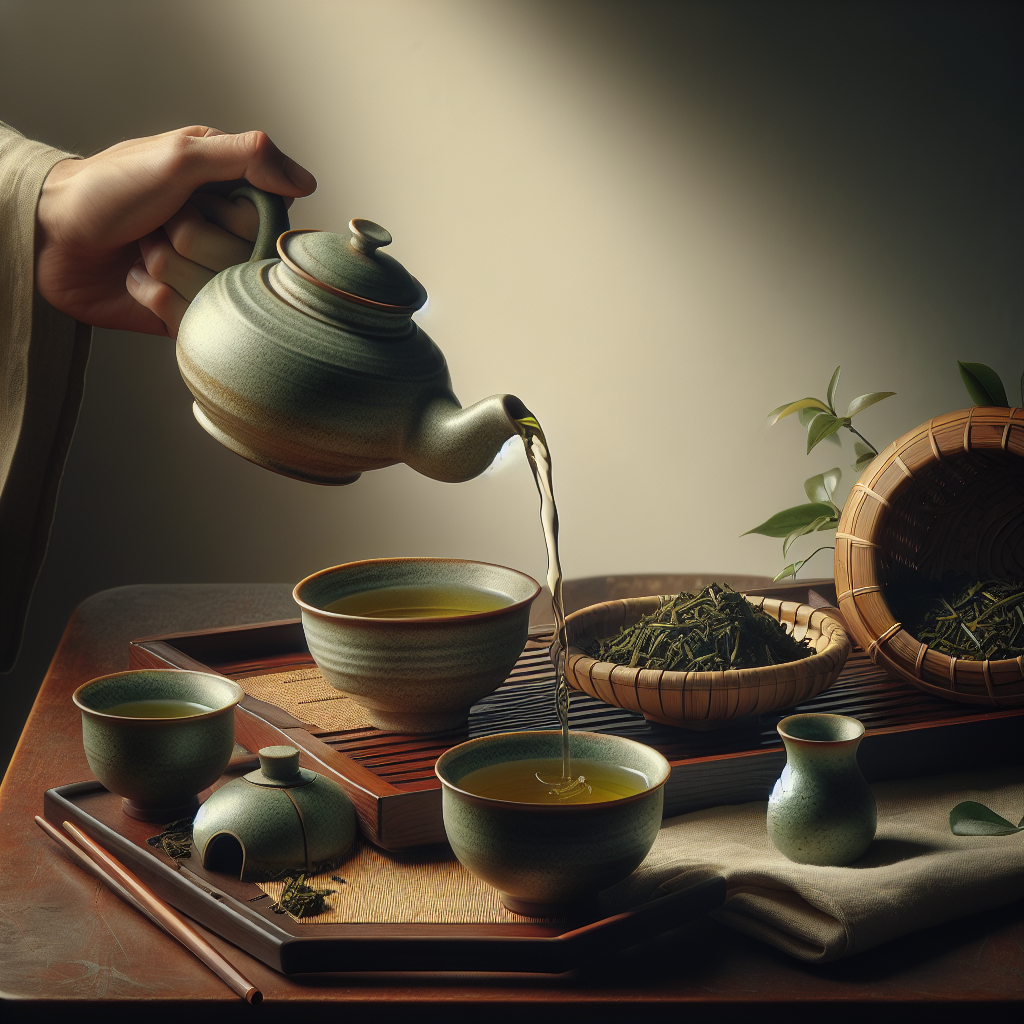
Traditional Japanese kyusu teapots or Chinese gaiwan enhance control and visual appreciation. They allow for low, even pouring that keeps leaves freely floating. For modern convenience, glass teapots with built-in strainers or temperature-controlled kettles work equally well. A graceful brewing process honors the craftsmanship behind the best green tea.
Cold Brew Option for the Best Green Tea
For summertime refreshment, cold brewing reveals a different facet of flavor. Add two tablespoons of the best green tea leaves to a liter of cool, filtered water. Store in the refrigerator for six to eight hours. The result is a gentle, mellow infusion with fewer tannins and subtle sweetness that pairs beautifully with citrus or mint.

Health Benefits Backed by Science
Scientific studies continue to highlight why the best green tea earns its reputation as a powerhouse of wellbeing. Regular consumption supports body and mind in multiple ways, backed by credible nutrition and medical research.
Rich in Antioxidants and Polyphenols
The catechins, particularly EGCG (epigallocatechin gallate), found in the best green tea, neutralize free radicals that contribute to aging and chronic disease. Daily intake may reduce oxidative stress, protect cell integrity, and even promote skin elasticity. When replaced for sugary drinks, green tea also supports healthy weight management.
Mental Clarity and Stress Reduction
L-theanine, a natural amino acid, works synergistically with caffeine to enhance focus without jitters. It promotes alpha brain waves, fostering calm alertness. A warm cup of the best green tea before work or study sessions often improves concentration and emotional stability.
Digestive and Cardiovascular Benefits
Research links the best green tea with improved lipid profiles and lower blood pressure in consistent drinkers. It also encourages gentle digestion after meals due to mild astringency. Many wellness enthusiasts incorporate green tea in detox programs to support metabolic function and hydration.
Incorporating the Best Green Tea into Daily Life
Beyond drinking it hot, the best green tea can enrich your meals and routines. Culinary creativity and mindful habits transform tea into a lifestyle feature, not just a beverage.
Creative Culinary Uses
- Add matcha to smoothies for antioxidant-rich energy.
- Use brewed green tea as broth base for grains or soups.
- Infuse green tea butter or salt for intricate flavor layers.
These innovations highlight that the best green tea is versatile—beneficial for both taste and nutrition.
Mindful Tea Time Rituals
Consider turning tea preparation into a meditative act. Focus on aroma, temperature, and movement. Such small rituals ground you in the present, reinforcing emotional wellbeing. Explore traditional Tea Ceremonies to understand how cultures use these moments to celebrate gratitude and connection.
Gifting and Sharing the Best Green Tea
Premium teas make thoughtful gifts. Select limited harvests or artistically packaged sets. Including a handwritten note about the origin can make your gift more personal. Details foster admiration for authenticity—the hallmark of the best green tea culture.
Storage and Shelf Life Tips
To maintain flavor consistency, store tea away from humidity, sunlight, and odor absorption. Vacuum-sealed or nitrogen-flushed pouches prolong vibrancy. If you invest in high-grade leaves, ensure careful handling. The best green tea rewards patience and mindful preservation.
Freezing or Refrigeration?
Though some claim refrigeration extends freshness, condensation may cause spoilage during frequent temperature changes. Instead, divide bulk tea into smaller packets and keep daily portions in accessible canisters. The key to maintaining the best green tea quality lies in minimal exposure to external elements.
Common Mistakes When Brewing the Best Green Tea
Even seasoned drinkers occasionally make errors that dull the experience. Learn these pitfalls to avoid waste:
- Using boiling water—results in bitterness.
- Ignoring ratio measurements—leads to weak or overly strong taste.
- Storing near heat sources—accelerates oxidation.
- Leaving leaves in water too long—ruins texture and aroma.
- Skipping water quality—always use filtered or soft water for clarity and liveliness.
Expert Tips for Selecting Vendors
Great vendors curate teas directly from growers, understand seasonal changes, and control inventory turnover. They provide clear details about harvest region, altitude, and cultivar. When seeking the best green tea supplier, prioritize transparency, small-batch sourcing, and responsive customer service. Reviewers on tea communities often guide you toward reliable brands. Our team especially recommends exploring genuine insights from Tea Cultivation experts who detail how plant genetics and soil health elevate final flavors.
Conclusion: Discovering the Best Green Tea for You
The journey to discovering the best green tea is both personal and exploratory. Whether you appreciate the smooth umami of gyokuro, the roasted comfort of hojicha, or the nutty charm of longjing, trust your palate and curiosity. A mindful approach to sourcing, brewing, and savoring unlocks every subtle note and health reward. Investing time in understanding quality turns an ordinary drink into a lifelong pleasure and wellness companion.
Frequently Asked Questions
What defines the best green tea for beginners?
For beginners, the best green tea usually balances mildness and aroma without strong bitterness. Sencha or Chinese longjing are excellent starting points because they brew easily and deliver pleasant vegetal sweetness. Begin with small quantities from reputable sources to compare nuances. This lets new drinkers adjust to different textures while learning temperature control for ideal brewing. Quality doesn’t always mean high price—sometimes mid-range teas offer freshness close to the highest grades.
How much caffeine is in the best green tea compared to coffee?
The caffeine content of the best green tea averages 20–40 mg per 8-ounce cup, about one-third that of average coffee servings. Factors like leaf grade, processing, and infusion time alter levels. Because green tea also provides L-theanine, caffeine absorption slows, producing calm alertness instead of jitters. Hence, it’s widely chosen as a sustainable energy source by those seeking balance between focus and relaxation.
Can I reuse leaves from the best green tea?
Yes. Most premium green teas allow two to three infusions. The best green tea leaves gradually release flavor layers; each brewing highlights different aromas. Adjust steeping time slightly longer for subsequent rounds while maintaining water temperature. Always strain leaves completely to prevent degradation between infusions. This practice maximizes value and deepens appreciation for high-quality leaves.
Is organic certification important when buying the best green tea?
Organic certification ensures absence of synthetic pesticides and chemical fertilizers. When marked authentic by JAS, USDA, or EU Organic authorities, the best green tea attains trustworthiness. However, some small artisan farms may not afford certification yet follow clean farming traditions. Evaluate vendor transparency and independent lab reports if available. The ultimate goal is purity, sustainable practice, and respect for both health and environment.
What water should I use for the best green tea preparation?
Use soft, filtered, or spring water with low mineral content. Hard water can dull flavor and reduce aroma expression. Temperatures around 70–80°C prevent bitterness while retaining complexity. Always preheat vessels slightly so temperature remains stable. These elements together help your chosen brew reveal why it’s considered the best green tea and deliver full-bodied satisfaction without harsh edges or dull aftertaste.
Does the best green tea help with weight management?
Research suggests catechins in the best green tea may support metabolism and fat oxidation, particularly combined with balanced diet and exercise. EGCG acts synergistically with caffeine to mildly boost energy expenditure. Yet, it’s no miracle fix. Drink it as a complement to disciplined habits and hydration goals, not a quick remedy. Consistency and overall nutrition still determine genuine, long-term results.
How should I store the best green tea to preserve flavor?
Keep tea sealed tightly in a cool, dark cabinet away from moisture and strong odors. Divide large packages into small airtight tins for daily use. Avoid refrigeration fluctuations, which may cause condensation damage. Storage best practices maintain leaf brightness, ensuring every brew tastes as lively as the day you opened it. Good handling maintains value and honors the effort behind the best green tea craftsmanship.
What’s the difference between matcha and other forms of the best green tea?
Matcha differs because it’s powdered whole-leaf tea made from shade-grown plants. When whisked, you consume the entire leaf instead of an infusion, receiving more antioxidants and caffeine. The best green tea in powdered form thus offers richer umami and thicker texture. However, it requires proper whisking and storage to avoid clumping or oxidation. Regular loose-leaf teas, by contrast, deliver lighter infusions and subtler aroma layers.

Leave a Reply