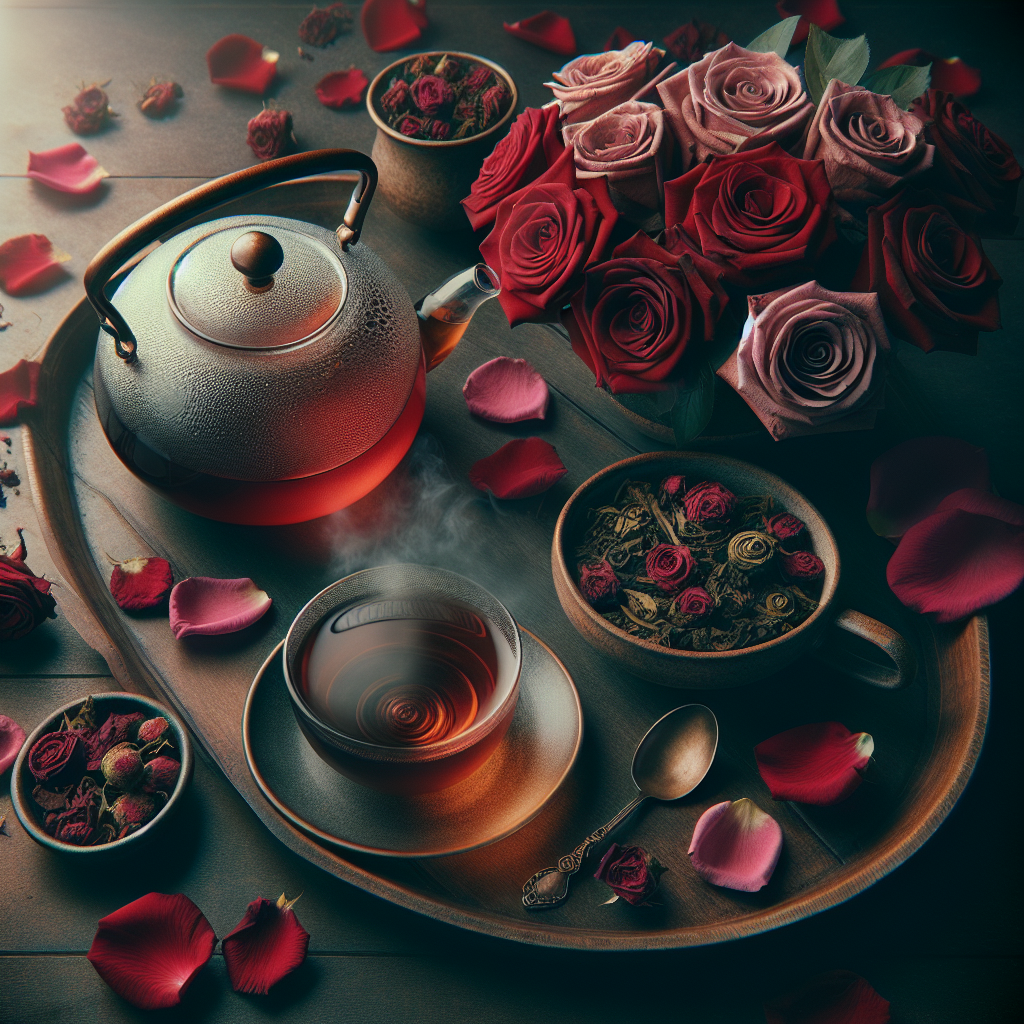
Many people are rediscovering the pleasure and tranquility that comes from sipping rose tea, an aromatic brew crafted from dried rose petals or buds. Known for its elegant fragrance and natural appeal, rose tea offers more than just a soothing drink—it’s a ritual of wellness, beauty, and relaxation rooted in centuries of herbal tradition. From an afternoon calm to a moment of reflection before sleep, this gentle infusion has a place in both modern and traditional lifestyles. As you explore rose tea, you’ll discover its unique health properties, preparation techniques, and the subtle etiquette that surrounds this floral delight.
In this guide, we’ll uncover essential tips for brewing rose tea masterfully, review its rich cultural background, and explain how to use it safely to enhance your daily wellness routine. You’ll also learn how the source, variety, and steeping method directly affect taste and benefits. For those intrigued by natural remedies, this exploration reveals why rose tea remains a quiet yet powerful ally in holistic health. By the end of this article, you will be equipped with knowledge to select, brew, and enjoy rose tea in ways that align with your personal preferences and goals.
The Origin and Cultural Significance of Rose Tea
Rose tea is far more than a fragrant beverage—it represents centuries of cultural continuity. Ancient Persians and Chinese herbalists described it as a tonic for body and spirit. In Persian households, rose-infused drinks were served during ceremonies, symbolizing love, purity, and renewal. In China, rose buds were added to blends to balance the body’s energy (Qi) and ease emotional tension. Over time, this tradition spread to Europe, where rose tea evolved into an elegant herbal infusion enjoyed by royalty and common herbal enthusiasts alike.
Despite the modern availability of synthetic teas and beverages, many people now turn again to rose tea for its authentic aroma and natural healing quality. Globally, cafes incorporate rose tea into modern menus—often pairing it with light desserts or infusing it with other herbal varieties such as jasmine or lavender. Its cross-cultural journey explains why rose tea remains one of the most Instagram-friendly yet genuinely wholesome tea experiences today.
Understanding Rose Varieties Used for Tea
The quality and character of rose tea depend on the type of rose used. While ornamental roses serve aesthetic roles, certain species have the fragrance, flavor, and therapeutic compounds ideal for brewing. The most common varieties include Rosa damascena (Damask rose), Rosa centifolia (cabbage rose), and Rosa rugosa. Damask roses are often used for their deep floral notes and antioxidants, while Rosa rugosa gives a slightly tart undertone, perfect for balancing sweetness.
Choosing organically grown roses without pesticides ensures a pure brew and preserves the intrinsic healing power found in the petals. When possible, opt for sources that specify the botanical name on packaging. This practice avoids hybrids that may contain unwanted chemical residues or additives. The subtle difference between varieties affects not only aroma and taste but also the specific vitamin and polyphenol content of your rose tea cup.
Essential Health Benefits of Drinking Rose Tea
Rose tea has long been valued for supporting emotional and physical harmony. Modern clinical and nutritional research supports many of the traditional claims, making rose tea a meaningful addition to wellness routines. Here are key scientifically supported health benefits associated with consistent consumption.
Emotional Balance and Stress Relief
The gentle aroma of rose tea acts as a natural mood stabilizer. Its aromatic compounds interact with the olfactory system to reduce stress hormones and evoke calmness. Drinking rose tea during evening hours may promote relaxation and better sleep patterns. Some people incorporate meditation or light reading with their brewing ritual, enhancing mindfulness and tension release. This makes rose tea particularly helpful for those dealing with anxiety or fatigue from digital overload.
Digestive Health Support
Rose tea improves digestion primarily through its mild laxative effect and gentle stimulation of bile secretion. Consuming a warm cup after meals can ease bloating, help maintain gut flora balance, and prevent constipation. Herbalists often recommend rose tea for balancing acidity and promoting nutrient absorption. Pairing rose tea with ginger or peppermint enhances its digestive efficiency while maintaining a delicate floral tone.
Skin and Beauty Benefits
Rich in vitamin C, antioxidants, and antibacterial compounds, rose tea offers both internal and external skin care benefits. Its antioxidant content helps neutralize free radicals that accelerate skin aging, while its hydration-enhancing properties keep skin supple. Regular consumption of rose tea supports collagen synthesis, aiding in maintaining youthful elasticity. Some DIY enthusiasts use cooled rose tea as a facial mist to soothe irritation and refresh tired skin.
Hormonal and Metabolic Balance
Among women, rose tea is often praised for supporting menstrual comfort. Its anti-inflammatory compounds may reduce cramps and mood fluctuations. In addition, the mild thermogenic effect in rose tea helps enhance metabolism without the jitteriness that caffeine-based teas can cause. For those seeking balance rather than stimulation, rose tea provides a harmonious tonic that aligns with holistic self-care routines.
Making the Perfect Cup of Rose Tea
Preparing rose tea correctly allows you to fully experience its spectrum of flavor and benefits. Every aspect—from selection to steep time—plays a vital role in achieving harmony between aroma, taste, and wellness outcomes.
Selecting Quality Petals or Buds
Always choose dried petals from a reliable source. Avoid artificial fragrances or coloring, as these diminish natural purity. Organic rose petals retain essential oils and natural compounds intact. When buying pre-packaged rose tea, check transparency on origin and harvest practices. Reputable brands often display testing certifications for pesticide-free quality. Purchasing from herb specialists or trusted online stores ensures authentic botanicals.
Measuring and Brewing
A balanced ratio helps achieve the best concentration without bitterness. For one cup, use one tablespoon of dried petals or a few dried buds. Pour hot water at around 90°C (194°F), steep for five to eight minutes, and cover to retain aroma. Longer steeping deepens taste but may slightly increase bitterness. If you prefer a mixed herbal profile, blend rose tea with chamomile for calm or green tea for antioxidants. Serve without milk to preserve delicate flavors.
Serving Presentation and Enhancing the Rose Tea Experience
How you serve rose tea influences its sensory appeal. Use glass teapots or light porcelain cups to showcase the soft blush hue of the brew. Adding a few fresh rose petals as garnish enhances both aesthetics and aroma. Sweeten lightly with honey or agave syrup, but avoid overwhelming the floral subtleties. To truly appreciate rose tea, sip slowly, allowing its gentle perfume to bloom fully before each swallow. This isn’t merely hydration—it’s mindfulness in a cup.
Scientific Insight: Bioactive Compounds in Rose Tea
Research indicates that rose tea contains a diverse array of bioactive compounds such as flavonoids (quercetin, kaempferol), tannins, phenolic acids, and vitamin C. These elements contribute to antioxidant, antimicrobial, and anti-inflammatory properties. Laboratory analysis suggests that moderate consumption may reduce oxidative stress markers and support liver detoxification. Though not a cure-all, rose tea aligns well with contemporary health protocols emphasizing natural polyphenol intake. Studies published on National Center for Biotechnology Information discuss the influence of floral antioxidants, validating many ancient herbal claims.
Modern Applications in Diet and Therapy
Integrative nutritionists recommend incorporating rose tea into daily routines as part of caffeine-free hydration strategies. It pairs wonderfully with mindful eating or intermittent fasting programs since it curbs sweet cravings naturally. Spa clinics across Europe also use cooled rose tea compresses to calm sensitive skin or post-sun irritation. These versatile applications demonstrate that rose tea bridges culinary enjoyment with therapeutic potential.
Practical Tips for Daily Use of Rose Tea
Incorporating rose tea into your modern lifestyle doesn’t require complexity. By applying practical strategies, you can enjoy its benefits throughout the day safely and effectively.
Morning Routine Boost
Begin your morning ritual with a lightly steeped rose tea to rehydrate the body and prepare the senses. Its natural fragrance helps awaken alertness without caffeine dependency. Some health experts suggest pairing rose tea with lemon water or chia pudding for antioxidant synergy. Over time, this practice cultivates balance and sets a calm foundation for the day ahead.
Post-Meal Digestive Aid
A small cup of warm rose tea after lunch supports digestive ease. Offices and home chefs alike appreciate its power to neutralize lingering heaviness after rich foods. For a refreshing spin, try chilled rose tea with a splash of lime—perfect for warm afternoons.
Sleep Ritual Support
For evening calm, pair rose tea with light stretching or journaling. Avoid sugary additions and focus on mindful breathing while sipping. This not only enhances rest but conditions your mind to associate rose tea with peace and closure, enabling consistent bedtime tranquility.
Choosing and Storing Rose Tea Properly
Proper storage ensures rose tea maintains its fragrance and potency. Exposure to light, air, and moisture can degrade essential oils, dulling both aroma and flavor. Store dried rose petals in airtight glass jars away from heat sources. If purchasing blended rose tea, note expiration dates and reseal packaging tightly after every use. Over the months, periodically inspect color and smell—darker hue or stale odor indicates loss of freshness.
Pairing Ideas
Rose tea pairs gracefully with mild snacks and desserts. Consider serving it with almond biscotti, shortbread, or light fruit tarts. It also harmonizes with subtle Asian sweets like mochi or sesame cookies. For an experiential combo, try serving alongside Turkish delight, reflecting its historical Persian origins. Such thoughtful pairing elevates rose tea into a full sensory occasion rather than a routine drink.
Environmental and Ethical Aspects
As the popularity of rose tea expands, understanding supply ethics becomes crucial. Sustainable rose cultivation ensures better environmental impact and better aroma profiles. Supporting eco-friendly farmers means choosing products without harmful agrochemicals. Look for fair-trade certifications or local ethical brands that guarantee safe labor conditions and biodiversity protection.
Global demand for rose petals has encouraged innovation among small farmers who use permaculture techniques. They incorporate natural pest management and water conservation to uphold soil integrity. Conscious consumerism plays a role here—selecting sustainably grown rose tea supports ecological well-being and promotes responsible trade.
Culinary Uses Beyond Drinking
Rose tea has versatility beyond sipping. Chefs and mixologists alike use it to craft elegant culinary creations—from desserts to beverages. For example, rose tea syrup adds depth to cocktails, while rose-infused panna cotta showcases its floral grace in fine dining environments. The mild flavor complements both sweet and savory profiles, proving that rose tea transcends its traditional purpose.
Home cooks can experiment with rose tea in baking, adding it to cupcake batters, glazes, or rice puddings. Even soaking oats overnight in cooled rose tea creates a fragrant breakfast with a romantic note. To maintain authenticity, always use naturally brewed rose tea rather than artificial extracts. Culinary exploration helps enthusiasts broaden appreciation while maintaining focus on natural wellness and aesthetics.
Exploring Rose Tea Combinations and Fusions
The beauty of rose tea lies in its adaptability. You can blend it with black, white, or green tea base for layered taste and different caffeine levels. For example, combining Sencha with rose petals creates a floral-green aroma fusion, while white tea with rose buds yields a light, refreshing beverage. Herbal fusions like hibiscus-rose tea emphasize both sour and sweet elements. Experimenting with blends keeps tea sessions engaging while expanding your appreciation for flavor chemistry.
Exploring Historical Depth and Rituals
The preparation and serving of rose tea often follow inherited customs. In Central Asia, hosts use rose tea in guest welcoming rituals as a symbol of respect. Japanese tea enthusiasts occasionally include rose petals in floral meditations, blending Zen practices with gentle fragrance appreciation. Similarly, European salons of the 19th century adopted rose tea as a mark of sophistication. Understanding these contexts fosters cultural empathy and enhances everyday appreciation of this beverage’s quiet elegance.
For readers interested in related histories, you may enjoy exploring Tea History, a resource that delves into traditional tea evolution worldwide. The heritage build-up behind your modern cup enriches every sip of rose tea, turning a simple drink into an experience of timeless continuity.
Modern Rose Tea Trends and Market Insights
Contemporary beverage enthusiasts now blend ancient taste with innovation. Ready-to-drink rose tea bottles, rose milk lattes, and bubble teas enhanced with rose syrup illustrate modern creativity. The wellness industry, with its emphasis on calming natural drinks, continuously elevates rose tea’s popularity. Its caffeine-free market position gives it an edge over traditional teas, attracting young consumers seeking balance amid busy routines.
Online communities share recipes, discuss sourcing ethics, and review rose tea brands, enhancing collective awareness. This shift towards authenticity invites consumers to reconnect with nature through deliberate choices. If you want further inspiration, explore Tea Recipes for interesting ways to integrate rose tea into your nutrition and wellness plans.
Visual and Sensory Appeal
An underappreciated aspect of rose tea lies in its visual beauty. The delicate blush color, soft fragrance, and graceful presentation contribute to emotional satisfaction beyond taste. For digital creators, rose tea photography aligns with calming aesthetics that attract wellness audiences. A well-presented rose tea cup with floating petals becomes a statement of elegance and relaxation—a subtle art that connects visual design with sensory pleasure.
 Visual representation reinforces emotional connection, guiding consumers toward mindfulness and slow living. Cafés often use rose tea imagery to symbolize balance and luxury. The simple act of pouring and sharing this brew transforms ordinary breaks into meaningful rituals rooted in beauty and tranquility.
Frequently Asked Questions
What is rose tea made from?
Rose tea is crafted using dried rose petals or buds, typically from Damask or Centifolia varieties. These petals provide both flavor and beneficial bio-compounds. The unique floral aroma distinguishes rose tea from other herbal infusions. Its composition includes natural oils, vitamins, and mild antioxidants that promote relaxation and support holistic wellness. Because genuine rose tea contains no caffeine, it’s suitable for people sensitive to stimulants. Always ensure petals are organically sourced so your rose tea remains safe and retains authentic fragrance without artificial chemicals or enhancements.
How do I brew rose tea for optimal flavor?
To prepare a perfect rose tea infusion, use filtered hot water just below boiling—around 90°C (194°F). For every eight ounces, add one tablespoon of dried petals or several buds. Cover while steeping for five to eight minutes to prevent essential oils from evaporating. Adjust steeping time depending on your desired taste strength. The result should be a gently fragrant and slightly sweet infusion. Avoid over-brewing, as this can introduce bitterness. Proper brewing technique ensures you capture full floral depth and the genuine essence of naturally dried rose tea.
What are the main health benefits of rose tea?
Rose tea is prized for promoting calm, aiding digestion, and supporting skin vitality. Its antioxidants combat oxidative stress, while vitamin C content contributes to collagen formation. Regular consumption of rose tea may assist in balancing hormones and improving hydration. People also use rose tea to alleviate menstrual discomfort or as an evening relaxation beverage. Although not a substitute for medical treatment, it complements healthy lifestyle practices. Continuous research validates that rose tea provides gentle yet meaningful support across emotional and physical well-being dimensions, reflecting a timeless herbal wisdom.
Can I drink rose tea every day?
Yes, rose tea is mild enough for daily use. Most herbal experts suggest one to two cups per day depending on personal sensitivity. Because it’s caffeine-free, rose tea fits easily into both morning and night routines. However, consistency matters more than quantity—regular but moderate intake yields steady results. As with any herbal infusion, monitor body response; allergic individuals should confirm tolerance. When sourced from organic petals, daily consumption of rose tea contributes safely to better hydration, improved mood, and subtle detoxification without side effects common to stronger teas or stimulants.
Is rose tea safe during pregnancy?
For most expectant mothers, light-to-moderate rose tea consumption is safe. Still, consultation with healthcare providers is recommended before incorporating it regularly. Rose tea’s gentle antispasmodic and calming effects can ease mild tension, but every pregnancy is unique. Ensure the tea is pure, pesticide-free, and free from additional herbal blends that may not be appropriate. When consumed moderately, rose tea provides hydration, a soothing aroma, and can help with mild nausea. Always follow doctor guidance, particularly during sensitive trimesters, to ensure both mother and baby benefit safely from rose tea enjoyment.
Can rose tea be used for skincare?
Yes, rose tea’s natural antioxidants make it a gentle skincare ally. Drinking rose tea hydrates from within, while cooled rose tea can serve as a toner or rinse for refreshed skin. It soothes irritation, helps reduce redness, and adds subtle brightness due to vitamin C presence. Many practitioners recommend storing cooled infusions in spray bottles and applying daily. Consistent use enhances texture and restores vitality. Integrating rose tea externally complements internal consumption, restoring balance between hydration and antioxidant defense—a natural and cost-effective ritual merging beauty with wellness philosophy.
Where can I find authentic rose tea?
Authentic rose tea is available at health stores, tea boutiques, or verified online herbal suppliers. Choose vendors providing transparent sourcing details and organic certification. Check packaging for species information—Rosa damascena or Rosa centifolia being best options. Avoid artificially scented blends that rely on chemical essences. Specialty boutiques often offer sampler sets for experimenting with aroma profiles before bulk purchase. Faithful sourcing ensures your rose tea delivers both sensory pleasure and nutritional value. Supporting small-scale farmers who emphasize sustainable cultivation guarantees a purer and environmentally responsible rose tea experience overall.
Does rose tea have caffeine?
Unlike black or green teas, rose tea naturally contains no caffeine. This makes it ideal for individuals seeking a soothing beverage at any time of day without risk of overstimulation. Many people use rose tea as an evening replacement for conventional caffeinated teas or coffee. Despite the absence of caffeine, rose tea provides uplifting aroma and mental clarity due to its terpenes and adaptogenic qualities. Consequently, rose tea’s relaxing composition contributes to better sleep quality, steady mood, and balanced hydration—all while preserving enjoyment and flavor fulfillment.

Leave a Reply