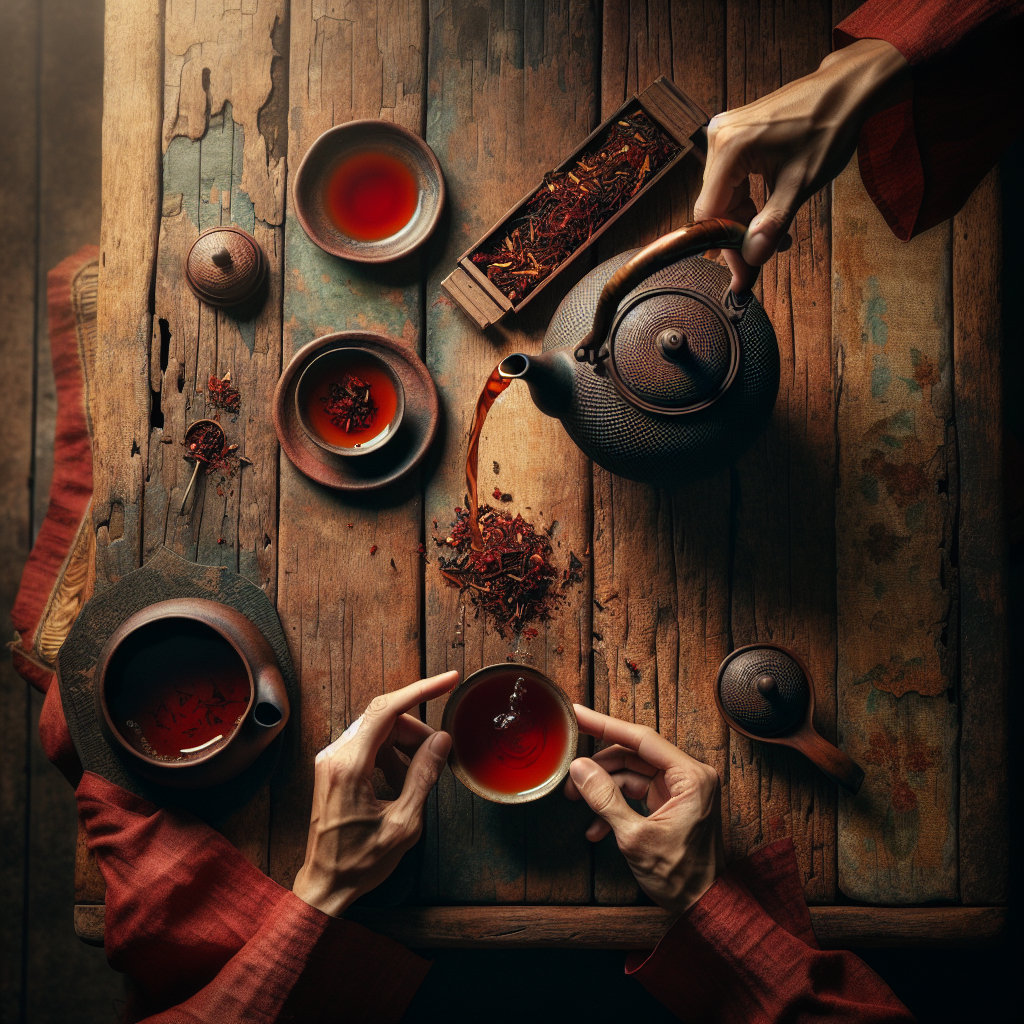
Many tea enthusiasts are discovering the sensory richness of red tea, an infusion known for its smooth, earthy flavor and natural vitality. Whether enjoyed hot, iced, or blended with subtle herbs, red tea embodies both culture and wellness. From traditional roots to modern households, this striking beverage continues to charm those seeking balance, health, and serenity. Learning how to source, brew, and enjoy red tea properly deepens appreciation for its color, aroma, and unique nutrients. The following guide explores essential tips and the far-reaching benefits behind this remarkable tea type—helping you introduce red tea meaningfully into everyday life.
Beyond its captivating crimson hue, red tea—often associated with rooibos or fermented black teas—stands out as a healthful beverage celebrated in global traditions. It offers refreshing simplicity paired with powerful antioxidants, caffeine-free alternatives, and smooth undertones that encourage mindful drinking. Understanding its characteristics, cultivation, and preparation techniques allows anyone to draw maximum pleasure and benefit. This comprehensive exploration focuses on quality selection, brewing precision, nutritional insight, and real-world ways to incorporate red tea into balanced routines.
Understanding the Origins of Red Tea
The story of red tea stretches across continents. In South Africa, indigenous cultures discovered rooibos as a gentle herbal infusion derived from the Aspalathus linearis plant, while in China, the term “red tea” commonly refers to what the West calls black tea—oxidized leaves that yield a reddish liquor. Whichever classification one prefers, the histories overlap in celebrating craftsmanship and natural bounty. Appreciating this connection between earth, leaf, and culture enriches the experience of every sip.
Historical Roots of Red Tea
Historically, red tea has represented hospitality and healing. Early Chinese dynasties prized their red-hued teas for restorative effects and as ceremonial offerings. In contrast, South Africans brewed native red tea to soothe fatigue and nourish the body. The blend of tradition and healing purpose sustains red tea’s cross-cultural appeal today, positioning it as both a daily comfort drink and a timeless ritual beverage.
Geographic Influence on Flavor
The terroir—the unique climate and soil of cultivation—profoundly shapes the flavor of red tea. Leaves grown in coastal China, for instance, develop subtle malt notes due to humidity and controlled oxidation techniques. Rooibos harvested in the Cederberg region of South Africa acquires honeyed sweetness and warm woodiness, influenced by the arid mountain soil. Sourcing regions with recognized tea heritage ensures that red tea embodies its full potential in texture, taste, and color.
Key Nutritional Properties and Health Benefits of Red Tea
Beyond its captivating aroma, red tea holds a notable nutritional profile beneficial for multiple aspects of wellness. Modern analyses highlight its polyphenol content, abundant antioxidants, and mineral diversity. These components contribute to immune support, maintaining heart health, and moderating inflammation.
Antioxidant Power
Antioxidants in red tea, including aspalathin and nothofagin (in rooibos) or theaflavins (in oxidized teas), help neutralize free radicals, offering cellular protection. This makes red tea particularly valuable as a daily detox beverage. Regular consumption has been associated with maintaining healthy metabolism and radiant skin, fostering internal balance through natural defense mechanisms.
Digestive and Relaxation Benefits
Red tea is naturally caffeine-free in its rooibos form, making it ideal for evening relaxation. The mild tannin level supports digestive comfort without bitterness. Many drinkers find that a cup of red tea after meals helps settle the stomach and contributes to continuous hydration. Adding a touch of lemon or mint can enhance flavor while assisting digestion.
Nutritional Composition
- Rich in minerals such as calcium, magnesium, and zinc
- Contains unique flavonoids that support antioxidant action
- Low in calories and naturally sweet without additives
- Non-acidic and gentle enough for sensitive stomachs
How to Source, Store, and Brew Red Tea Properly
Choosing quality leaves and proper methods ensures that the taste and benefits of red tea are fully realized. Simple habits surrounding storage and brewing can elevate an ordinary tea moment into a personal ritual of wellness and calm.
Selecting High-Quality Leaves
When buying red tea, inspect leaf integrity and aroma. Good varieties should exhibit vivid color, a fresh scent, and minimal dust. For loose-leaf teas, uniformity implies consistent oxidation and processing. For rooibos, seek deep reddish-brown color and fine needle-like leaves without excess powder. Reputable vendors often indicate origin certification, which assures authenticity and sustainable farming.
Storage Techniques
Like all teas, red tea is sensitive to light, humidity, and odor absorption. Keep it sealed in opaque containers in a cool, dry space away from aromatic foods. Properly stored, red tea retains aroma for up to a year. Label containers with date of purchase to monitor freshness, especially for blends containing sensitive botanicals.
Brewing Methods for Perfect Red Tea
Brewing technique varies with tea type, water quality, and desired strength. The process below harmonizes aroma, flavor, and body:
- Boil fresh filtered water to about 90–95°C.
- Add one teaspoon per cup of loose red tea.
- Steep for 4–5 minutes for richer body or 3 minutes for a lighter tone.
- Strain immediately and serve plain or with a slice of citrus.
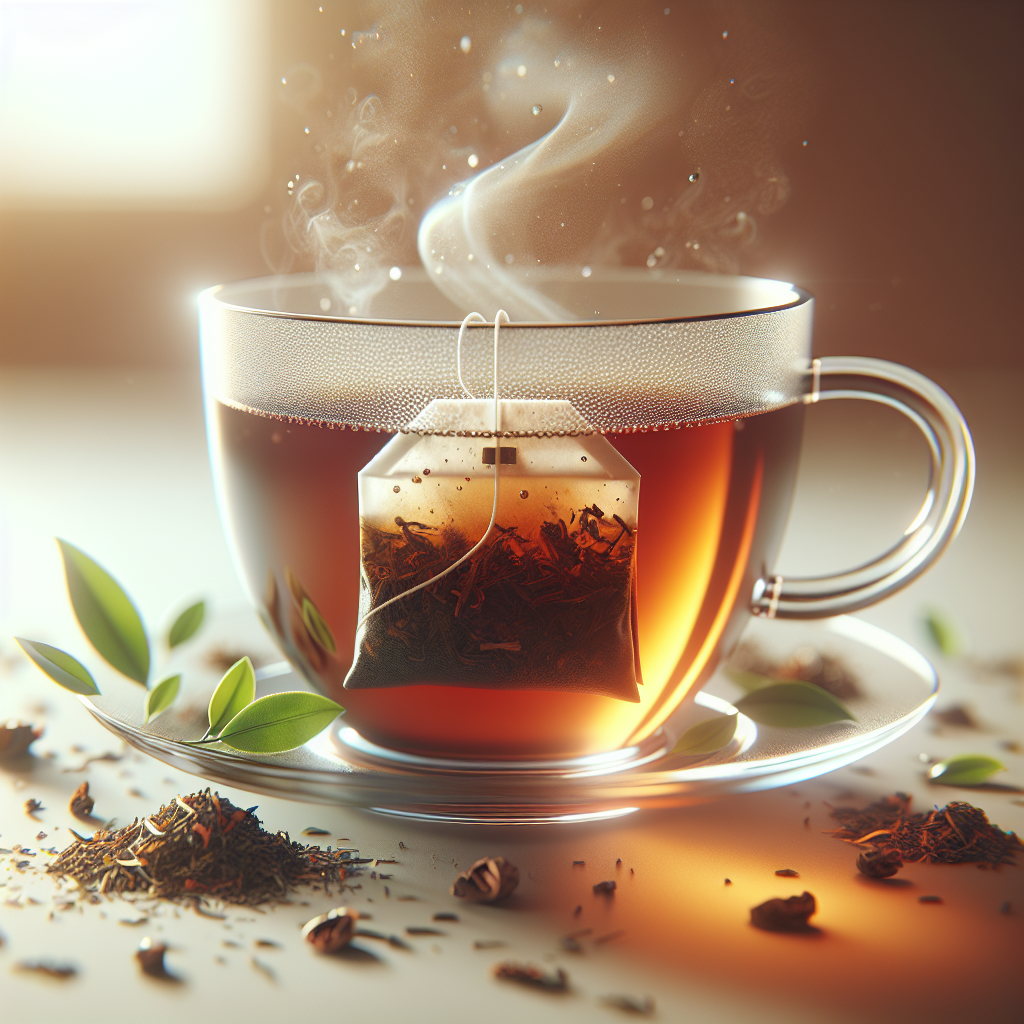
Experimenting with steeping duration lets drinkers customize their flavor intensity while preserving beneficial compounds. Many tea connoisseurs recommend using glass or porcelain teapots to visually enjoy the deep amber infusion characteristic of premium red tea.
Advanced Tips for Brewing Red Tea
For tea enthusiasts seeking more depth, try layering red tea with subtle spices like cinnamon or cardamom. Cold-brew techniques can also reveal surprising sweetness. Simply refrigerate red tea leaves in cold water overnight; by morning, you’ll have a naturally sweet and smooth beverage, free from any bitterness. Additionally, using spring water accentuates red tea’s natural mineral symphony, making the experience richer and more authentic.
Culinary Applications and Pairings
The versatility of red tea extends beyond teacups. Chefs and nutrition-minded individuals alike integrate it into recipes ranging from sauces to desserts. Its robust color and nuanced flavor combine with fruit, chocolate, and even savory components.
Cooking with Red Tea
Infuse red tea into broths to add warmth and depth. When used to poach pears or peaches, it imparts a reddish tint and mellow sweetness. Some bakers prefer red tea concentrate in cakes and biscuits for both aroma and antioxidant boost. Its caffeine-free profile allows extended culinary experimentation suitable for all ages.
Recommended Pairings
Pair red tea with foods that complement its earthy tones. Examples include lightly spiced breads, almond cookies, or mild cheeses. The slightly nutty finish of rooibos pairs well with honey and vanilla. Serving a chilled red tea beside citrus salads or grilled vegetables enhances meal harmony and highlights its cleansing character.
Red Tea and Everyday Wellness
Adopting red tea as part of daily self-care supports multiple wellness dimensions: hydration, relaxation, and mindful moments. Integrating it into morning or evening rituals helps set pace and reinforces balance. The process of brewing red tea itself can be meditative—mindfully listening to water pour, inhaling aroma, and taking slow sips encourages sensory awareness.
Supporting Clean Living
Because red tea is naturally free from additives or preservatives, it aligns well with clean-living lifestyles. Many drinkers shifting away from sugary soft drinks find red tea a satisfying alternative. It provides subtle natural sweetness and body without calories or caffeine, establishing a daily habit that gently supports weight management and improved digestion.
Hydration and Energy Balance
Hydration remains vital for cognitive and physical function. Combining red tea with hydration habits sustains mental clarity throughout the day. Even without caffeine, red tea delivers comfort and alertness through aroma and steady warmth, helping maintain a relaxed yet focused state.
Comparing Red Tea with Other Teas
Though often contrasted with black or green teas, red tea stands apart by virtue of processing and chemical composition. Green tea maintains unoxidized phytonutrients, while red tea undergoes controlled fermentation or oxidation, creating deeper tones and complex flavor. Despite differences, their shared antioxidant properties highlight tea’s universal health value.
Differences with Green and Black Varieties
Green tea offers vegetal, grassy notes and mild caffeine; red tea emphasizes smoothness, low bitterness, and versatility. Black tea may cause sensitivity for caffeine-restricted individuals, whereas red tea provides the ritual without stimulant effects. For children and elderly tea lovers, red tea becomes a preferred choice.
Why Red Tea Fits Modern Lifestyles
Modern routines value convenience and wellness. Red tea matches these needs, easily fitting into busy schedules as a healthy sip between tasks. Instant infusions, pre-brewed bottles, and reusable infuser cups make enjoying red tea practical for home or travel. This convenience paired with authenticity illustrates why red tea continues to gather loyal fans globally.
Real-Life Examples: Communities and Red Tea Traditions
In Western Cape villages, families gather each afternoon around steaming pots of rooibos-based red tea. Elders recount stories while children sip its sweet warmth. Similarly, in Chinese tea houses, oxidation masters skillfully process leaves until they emit a copper-like glow, ensuring a balanced cup. These communal connections rooted in red tea emphasize social unity and mindful living.
Cultural Adaptation Through the Years
As red tea spread worldwide, cultural interpretations evolved. European herbalists adopted it for digestive tonics, while American wellness brands promote it as a caffeine-free antioxidant beverage. Such transformations demonstrate adaptability—proof that red tea continually reshapes itself without losing authenticity.
Red Tea in Modern Wellness Programs
Many wellness studios now include red tea breaks in mindfulness workshops. Nutritionists highlight it as a hydration source compatible with plant-based diets. Its subtle vanilla edge pairs comfortably with fruit smoothies and post-workout meals, exemplifying versatility in contemporary wellness cultures.
Practical Buying Tips for Red Tea Lovers
Select certified organic or ethically sourced options to ensure purity and fair practices. Trusted sources such as specialty tea shops or verified online platforms emphasize transparency of origin and production. Always examine harvest year, and avoid bulk buys if storage space or humidity control is limited.
For independent reading, you may explore the educational pages at Tea Association of the USA or the research summaries at World Tea News. Both offer insight into global market trends and quality assessment methods for red tea and similar varieties.
At Teastory Blog – Tea History, you can delve deeper into how red tea traditions evolved across centuries. You can also learn contemporary applications for culinary creations at Teastory Blog – Tea Recipe, which features inventive dishes using red tea infusion.
Visual Presentation and Aesthetic Enjoyment
A cup of red tea is a feast for the senses. Its ruby hue against white porcelain conveys warmth and elegance. Photography enthusiasts often use vibrant infusions to capture tea art compositions. The infusion itself symbolizes hospitality and calm beauty.

Creating Mindful Tea Spaces
Arrange peaceful corners at home with simple tea accessories—heatproof cups, ceramic pots, and natural wood trays. The tactile experience complements visual pleasure. Sharing red tea among friends elevates intimacy and mindfulness, turning brewing into a gentle shared ritual that nurtures emotional connection.
Conclusion: Integrating Red Tea Into Your Lifestyle
Red tea’s depth of culture, nutritional power, and versatile taste make it a standout choice for those pursuing mindful living. Its adaptability invites experimentation, while its balance and smooth texture satisfy both new and seasoned tea drinkers. Making red tea part of daily routines—whether as a morning habit or night wind-down—offers more than refreshment; it symbolizes grounding and vitality. Appreciating the small nuances in brewing and flavor transforms red tea from a simple drink into an art form that enriches wellness and connection.
Frequently Asked Questions
What is red tea and how does it differ from other teas?
Red tea generally refers to rooibos in South Africa or fully oxidized black teas in China that produce a red-colored liquor. The major difference lies in caffeine levels and processing. Rooibos red tea is caffeine-free and derived from a shrub, not the Camellia sinensis plant. Its oxidation process brings out natural sweetness, offering a rounded flavor distinct from the grassy or bitter tones of green tea. Its composition also ensures that sensitive tea drinkers can enjoy red tea safely throughout the day or before sleep.
How should I brew red tea for the best taste?
Steeping red tea correctly ensures that its complex taste develops fully. Use near-boiling water, around 90–95°C, and steep for 4–5 minutes for maximum color and flavor. Loose-leaf red tea often outperforms tea bags due to larger leaves releasing more essential oils. Avoid over-steeping, which may dull the aroma. Adjust temperature depending on variety; delicate rooibos handles slightly cooler water while oxidized Chinese red tea performs best near boiling. Experimentation refines personal taste preference while maintaining the tea’s therapeutic and flavor balance.
Are there specific health benefits associated with drinking red tea daily?
Yes, red tea offers notable wellness advantages. It’s rich in polyphenolic antioxidants that combat oxidative stress and may support cardiovascular well-being. Its minerals—iron, magnesium, and calcium—assist general vitality. Drinking red tea regularly contributes to relaxation without caffeine jitters, improving hydration and possibly aiding digestion. The unique bioactive compounds in rooibos-based red tea have been studied for blood sugar regulation and liver support. Over time, a consistent red tea habit cultivates internal balance and complements health-oriented lifestyles naturally and sustainably.
Can I enjoy red tea cold or blended with other ingredients?
Absolutely. Iced red tea is a summer favorite—simply double the leaf quantity and chill after brewing. Add lemon, peach slices, or mint for refreshing combinations. Because it’s caffeine-free, red tea mixes perfectly with juices or plant-based milks to create lattes, mocktails, and smoothies. Cold-brewed red tea, steeped overnight in refrigeration, yields an exceptionally smooth sweetness. This flexibility allows users to experience red tea beyond traditional cup service, highlighting its modern culinary versatility while retaining wellness benefits.
Is red tea suitable for children and caffeine-sensitive individuals?
Rooibos-based red tea is one of the safest teas for children and caffeine-conscious adults. It contains no stimulants and minimal tannins, giving it mild flavor and excellent compatibility with sensitive digestive systems. Parents often use lightly cooled red tea as a hydrating drink for kids instead of sugary sodas. For caffeine-free detox or hydration needs, red tea serves as a gentle option suitable morning through evening. Its nutritional minerals further augment family-friendly value, supporting calcium and antioxidant intake naturally.
Does red tea support wellness programs like weight management or detox diets?
When used mindfully, red tea can complement balanced diets. Its natural sweetness minimizes cravings for refined sugar, while being virtually calorie-free. Many nutrition coaches include red tea in weight control regimens for hydration and appetite moderation. Because it aids digestion and balances fluids, it’s popular in gentle detox phases. However, it works best alongside nutritious meals and regular movement. Rather than quick fixes, viewing red tea as part of a long-term mindful lifestyle ensures enduring results without restriction or deprivation.
Where can I buy authentic and sustainable red tea?
Authentic red tea should come from transparent brands or co-ops supporting sustainable agriculture. Look for labels indicating origin from South Africa for rooibos or from regions like Fujian for traditional Chinese red tea. Specialty tea stores, farmers’ markets, and certified online merchants often offer traceable batches. Sustainable red tea often ensures biodiversity protection and fair incomes for farmers. Choosing such sources improves both quality and social responsibility, letting consumers appreciate each infusion’s ethical journey from soil to cup.
What are creative ways to include red tea in recipes?
Red tea’s adaptability allows multiple culinary expressions. Try blending cooled red tea with honey and chia seeds for breakfast pudding, or use concentrated red tea syrup as glaze for cakes. Combine strong red tea with apple juice for mock sangria, or use brewed rooibos as base stock for light soups. Its rounded profile easily complements both sweet and savory preparations. Incorporating red tea into home cooking bridges nutrition and artistry, providing flavor depth and an aromatic signature unmatched by other ingredients.

Leave a Reply