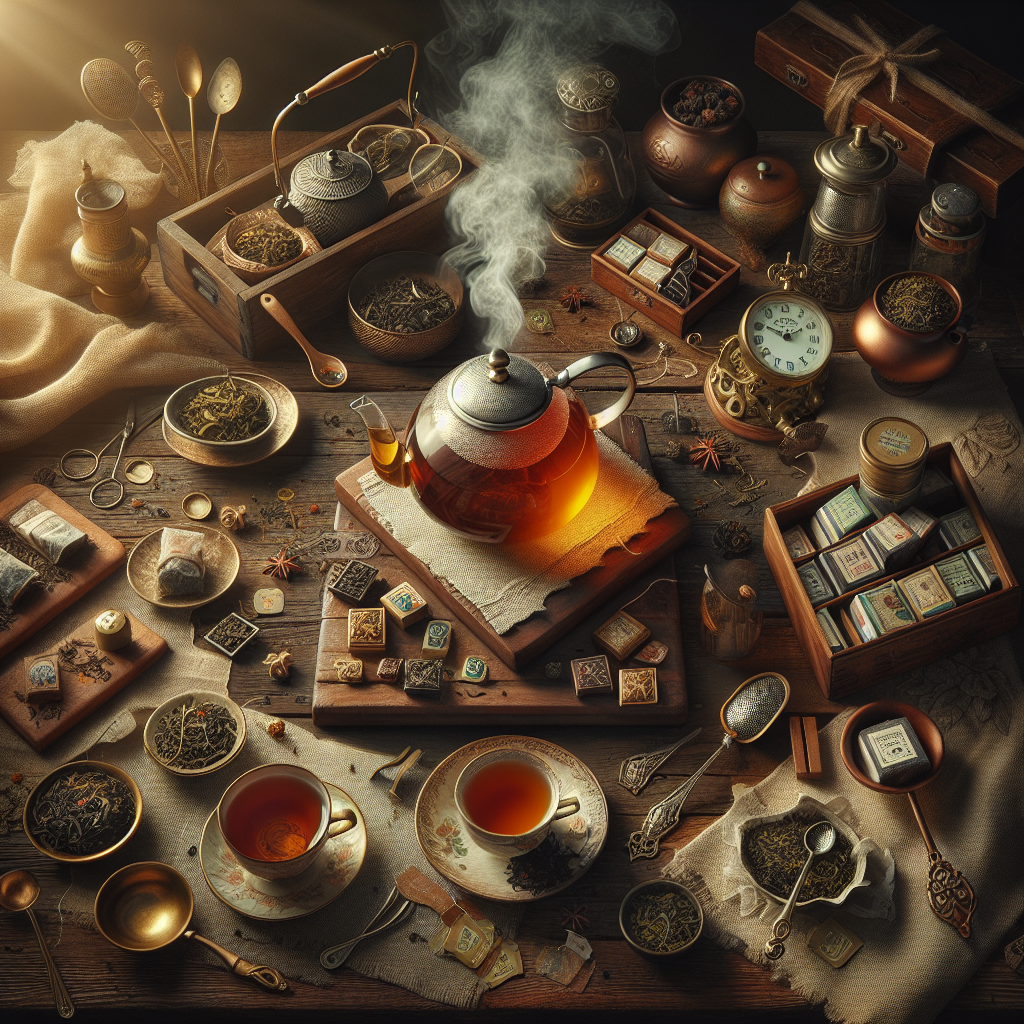
Among the many ways people enjoy tea, tea decoction is one of the most traditional and potent preparations. It allows the extraction of deep flavors and bioactive compounds that contribute both to taste and wellness. If you have been wanting to shop tea decoction products or ingredients but feel unsure about what to look for, this detailed guide offers practical, experience-based insights. Whether you’re choosing ready-made blends or planning to brew your own, understanding how tea decoction works can make your tea moments far more rewarding.
As tea culture evolves, tea decoction remains an essential link between ancient techniques and modern preferences. Beyond a casual drink, a proper decoction delivers intensity, aroma, and health benefits unmatched by quick steeping. This article examines how to buy quality tea decoction, where to source authentic varieties, and how to optimize taste, storage, and preparation methods for consistent quality experiences. With careful choices and sound buying tips, you’ll enjoy both the ritual and functional aspects of this timeless beverage.
Understanding the Essence of Tea Decoction
To appreciate why the tea decoction is valued across cultures, you must first understand what sets it apart. Unlike simple steeping, decoction involves boiling the tea leaves, herbs, or spices in water for several minutes. This process extracts stronger flavors and denser nutrients. The resulting drink carries not just aroma but therapeutic potential depending on the leaf or root combinations used.
The Science Behind a Proper Tea Decoction
In a scientific sense, a tea decoction uses time, heat, and controlled ratios to extract polyphenols, catechins, and volatile oils. It enhances bioavailability and therapeutic value. For example, Ayurvedic practitioners have long prepared ginger and tulsi tea decoction for its antioxidant and anti-inflammatory effects. Similarly, traditional Chinese medicine favors ginseng or chrysanthemum decoctions. These cultural methods share a common logic—controlled heat unlocks deeper layers of compound complexity.
How Water Quality and Temperature Matter in Tea Decoction
Even the best ingredients can produce poor results if the water source is subpar. Use fresh, filtered water—ideally spring or mineral water—for cleaner taste and chemical balance. During tea decoction, maintain a low boil between 90°C to 95°C for black and herbal teas; lower the temperature to about 80°C for green and white leaves. Overheating leads to tannin release, creating bitterness and diminished aroma. Those small refinements distinguish an average brew from one that feels luxurious.
How to Shop Tea Decoction Wisely
Purchasing tea decoction products involves more than just grabbing a tin off a shelf. You’re investing in freshness, purity, and aroma. Understanding how retailers store, package, and describe their blends significantly influences the final taste in your cup. Below are the factors that differentiate a great purchase from a disappointing one.
Check Ingredient Integrity and Origin
When evaluating any tea decoction product, inspect ingredient labels carefully. The best suppliers list full botanical names, clearly mark caffeine levels, and mention sourcing regions. Provenance plays a role not only in flavor but also in sustainability. For instance, a Darjeeling or Taiwanese oolong tea decoction expresses totally different tasting profiles compared with an Assam-based blend. Transparent labeling is a sign of ethical producers who value quality over volume.
- Prefer whole-leaf decoction over powder or dust grades for richer extraction.
- Look for single-origin or small-batch crafts for consistent taste.
- Avoid artificial colorings, flavor enhancers, and preservatives.
Packaging and Storage Considerations
Tea decoction’s potency relies on how well it’s preserved. Choose airtight, opaque tins or resealable pouches that protect against light, moisture, and air. Brands offering nitrogen-flushed packs ensure longer freshness. Always store your tea away from direct sunlight and odor sources like coffee or spices—tea readily absorbs odors, which alter its natural profile. Store different varieties separately to prevent overlap of scent and flavor.
Practical Tip: Sampling Before Bulk Purchase
Many premium tea stores and online distributors allow you to buy small samplers before committing to bulk. Take advantage of this to test your response to aroma and taste. It’s especially relevant for herbal blends like lemongrass or ashwagandha tea decoction, where intensity varies by brand. A small test helps avoid overbuying or accumulating teas you won’t enjoy often.
Evaluating Quality Across Tea Categories
Not all tea decoction types suit everyone. Knowing how to distinguish the key variations helps tailor your purchase to personal preferences and health needs. Here’s an overview of the main types available to modern consumers.
Black Tea Decoction
This category is full-bodied, with earthy or malty undertones. Common regions include Assam, Nilgiri, and Kenya. A black tea decoction delivers high caffeine and rich color. Boil the leaves for 5 to 7 minutes to reveal full complexity. Add spices like cardamom or cinnamon if desired, transforming it into a comforting blend popular in morning routines.
Green Tea Decoction
Green tea decoction requires slightly cooler temperatures and shorter boiling times to avoid bitterness. Ideal varieties come from Japan and China, such as Sencha or Dragon Well. These teas emphasize grassy freshness and light astringency. For buyers, verify that the leaves are bright and well-curled—indicators of minimal oxidation.
Herbal and Medicinal Decoctions
In Ayurvedic and Chinese systems, herbal tea decoction serves as functional medicine. Ginger, tulsi, and ashwagandha form the classic trio for immunity support. For relaxation, lavender and chamomile decoction works beautifully. Always check herb authenticity and lab testing data when buying such blends online. Trust suppliers who display third-party quality certifications.
White and Oolong Variations in Tea Decoction
White teas, such as Silver Needle, produce gentle, floral decoctions perfect for light palates. They require subtle control—low heat and short duration. Oolong tea decoction sits midway between green and black, offering layered flavors and complex aromas. Their purchase cost is higher, but enthusiasts appreciate the balanced strength and aroma complexity.
Taste Profiling and Pairing Ideas
The joy of tea decoction lies in its sensory layers—flavor, mouthfeel, and aftertaste. Experimenting with pairings enhances each session’s character. A thoughtful approach helps recreate tea traditions at home with elegance.
Complementary Foods for Tea Decoction
Different teas shine when paired right:
- Black tea decoction: Complements butter cookies or savory snacks.
- Green tea decoction: Enhances sushi or steamed dumplings.
- Herbal decoction: Balances fruit platters or light salads.
When tasting, appreciate aroma before sipping, then observe how temperature, mouthfeel, and aftertaste evolve. Keeping a tasting journal is helpful if you wish to compare blends across regions.
Visual and Sensory Tests for Quality
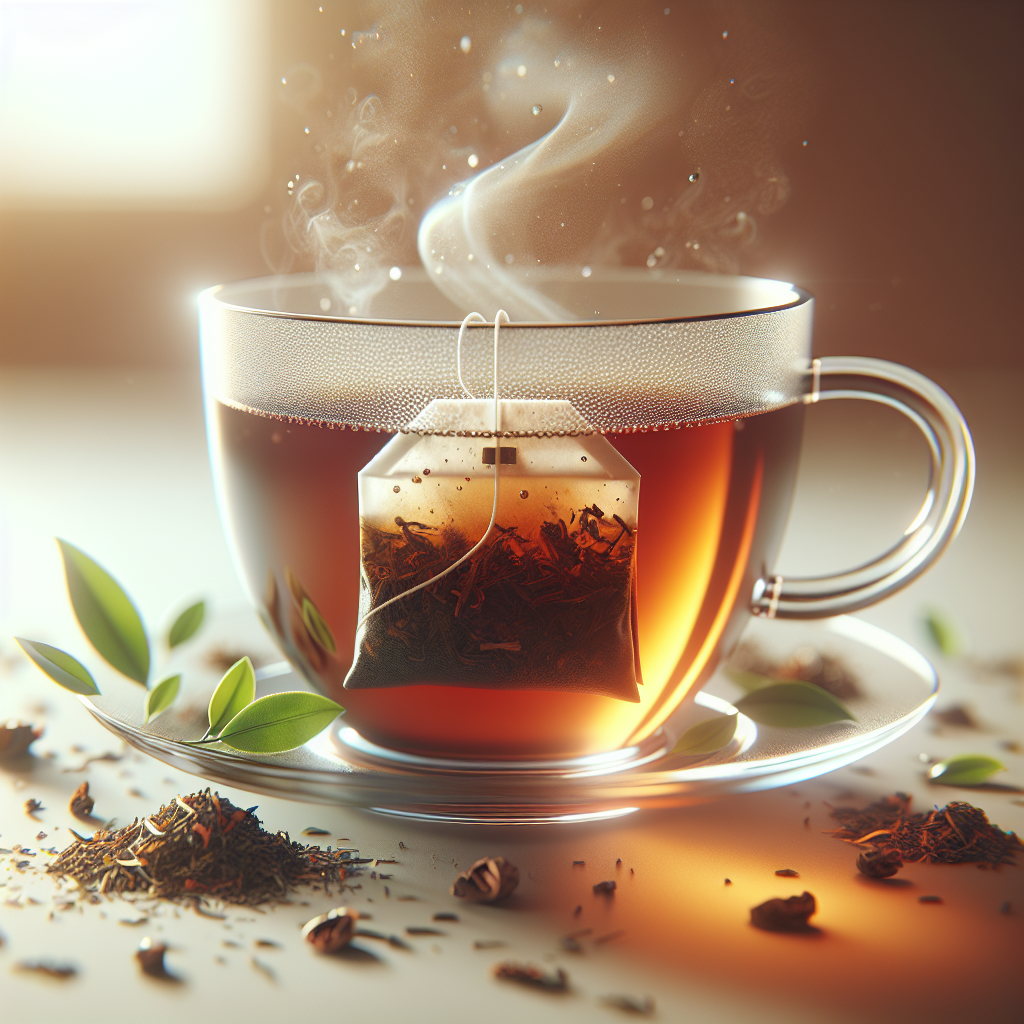
Observe the liquor color—clear amber for black, pale gold for white, and light jade for green. Cloudiness often means overboiling or stale product. The aroma should feel clean and layered, not musty or sharp. When sipping, balanced acidity and body reflect freshness. Use an image placeholder here to illustrate a cup of freshly made tea decoction:

Buying Tea Decoction Online vs In-store
Both options have advantages. Online stores offer access to global brands and rare blends, but physical tea shops provide sensory feedback—aroma sampling and expert guidance. Choosing where to shop depends on your comfort level and knowledge base.
Online Shopping Advantages
Reputed sites now include laboratory reports, customer reviews, and freshness dates. Read these carefully before buying. Visit sources like Tea Association of the U.S.A. and Tea Class for educational content related to tea quality parameters. Such resources deepen your buying competence and safeguard you against low-grade exports.
Offline Shopping Benefits
Local tea boutiques and specialty stores allow a tangible connection with aroma, leaf texture, and vendor expertise. Engage owners in conversation about sourcing and brewing suggestions. Many shops host tasting sessions—ideal opportunities to refine your understanding of tea decoction before committing to a purchase.
Trusted Brand Indicators
Look for heritage producers or cooperatives emphasizing organic cultivation, fair trade, and transparent labeling. True artisans invest time in curing techniques rather than mass flavoring. Internal education from tea experts enhances your discernment level. You can check resources like Tea Cultivation and Tea Ceremonies to learn about how production affects final quality and ceremonial use.
Sustainability and Ethical Aspects of Tea Decoction
Conscious consumers increasingly care about where their tea decoction originates. Sustainability extends to fair labor practices, soil preservation, and eco-friendly packaging. Buying ethically sourced products contributes to better livelihoods and ecological balance.
Supporting Sustainable Growers
Certified organic gardens and Rainforest Alliance farms adopt methods that protect biodiversity. Tea decoction from such sources often tastes cleaner and richer due to chemical-free soils. Verifying certificates ensures your money supports healthier ecosystems and authentic craftsmanship.
Reducing Waste in Your Tea Routine
Minimize disposable filters and packaging. Opt for reusable strainers and compost used leaves in the garden. Even gifting tea decoction in glass jars or linen pouches reflects conscious elegance. Sustainability is not just a trend; it’s an extension of the same respect that ancient tea cultures practiced toward nature.
Brewing Rituals and Modern Adaptations
Once you’ve shopped quality tea decoction, brewing becomes a joyful ritual. Techniques vary—some prefer stovetop simmering, others use electric kettles with temperature settings. The common ground is attention to ratio and mindfulness during preparation.
Classic vs Modern Equipment
Traditionalists still rely on clay pots or brass vessels for herbal decoctions. Modern lifestyles favor electric boilers and glass kettles for precision and speed. Either way, controlling duration and temperature is key to preserving tea’s beneficial compounds. Allow natural cooling before consumption; this prevents scalding and preserves aroma layers.
Experimenting with Flavor Infusions
Enhance your tea decoction with local ingredients—fresh mint, orange peels, or mild spices. Blending should remain subtle to respect the leaf’s character. A few well-chosen add-ins transform the experience into a personal ritual, connecting everyday simplicity with refined taste.
Conclusion
Shopping for tea decoction is more than a transaction—it’s an exploration of heritage, flavor, and wellness. From choosing origin-specific leaves to understanding sustainable labels, thoughtful buying enriches your daily routine. By paying attention to packaging, certification, and brewing style, you ensure consistent quality. Let tea decoction become not just a beverage but a mindful habit that calms the body, uplifts the senses, and keeps tradition alive.
Frequently Asked Questions
What is the best way to prepare a strong tea decoction at home?
Start with premium loose leaves and filtered water. Use two tablespoons of leaves per cup, boil gently for five to six minutes, then strain. Avoid overboiling to prevent bitterness. Always adjust steeping time according to tea type—black or herbal variants tolerate longer simmering, while green leaves need lower heat. The balance of time and temperature defines the quality of your tea decoction. Freshly made batches also retain natural antioxidants better than reheated ones.
How does a tea decoction differ from regular steeped tea?
Unlike steeping, which involves brief infusion in hot water, a tea decoction undergoes boiling, yielding deeper color and stronger flavor. The technique extracts compounds that require heat to release, making the drink more aromatic and health-concentrated. While steeped tea emphasizes delicacy, decoction emphasizes body and medicinal potency. Depending on your taste, this method delivers a richer mouthfeel and a traditional energy boost absent from quick-brew versions.
Can I combine multiple herbs in one tea decoction?
Yes, you can mix compatible herbs for both taste and wellness objectives. For example, combining ginger, lemon grass, and green tea balances flavor with immunity benefits. Always verify that the herbs don’t conflict in terms of medicinal effects. Many prefer experimenting in small batches to find harmony. Mixing too many ingredients can mask unique characteristics, so begin with two or three for a properly balanced tea decoction.
Is caffeine present in all types of tea decoction?
Not necessarily. Herbal decoctions such as tulsi or chamomile are naturally caffeine-free, while black and green versions contain variable amounts. Check packaging labels when you shop tea decoction to match your preferences. Caffeine quality depends on leaf oxidation and brewing duration. Sensitive drinkers often choose white or decaf options. Remember that caffeine effects differ among individuals, but moderation lets you enjoy full taste without overstimulation.
How should I store my tea decoction ingredients for freshness?
Store leaves or herbs in airtight, lightproof containers away from heat, moisture, and strong odors. Glass jars with rubber seals or metal tins work best. For ready-made liquid tea decoction concentrates, refrigeration is advisable and shelf life is usually indicated by the manufacturer. Avoid plastic bags, as they retain odor and static oils. Proper storage preserves essential oils and prevents staleness, ensuring consistency across each brew.
Can I make iced tea from a traditional tea decoction?
Absolutely. Prepare your decoction as usual, allow it to cool to room temperature, and then refrigerate. Serve with ice cubes or citrus slices for a refreshing version. Because tea decoction already carries robust flavor, it dilutes less when chilled. Add honey or mint if desired. This version is ideal during warmer months, maintaining the wellness properties of tea while offering a crisp, hydrating drink option.
What health benefits can I expect from regular tea decoction consumption?
Consistent intake can aid digestion, improve concentration, and provide antioxidants. Herbal compositions further target immunity, relaxation, or metabolism. For instance, ginger-based tea decoction supports circulation, while green variants strengthen the body’s anti-inflammatory response. Always observe moderation and consult professionals for medical conditions. The true benefit lies in balanced use—enjoying the beverage mindfully as a complement, not a cure. Mindful drinking nurtures relaxation and sustained well-being.
Where can I find authentic organic tea decoction suppliers?
You’ll find reliable sources through certified organic tea estates and specialized online boutiques focusing on small-batch products. Look for suppliers with transparent origin labeling, ethical certifications, and laboratory reports. Independent review sites also guide consumers toward trusted names. Dedicated learning platforms such as Tea Association or tea cultivation blogs enhance awareness. Shopping from reputable channels ensures your tea decoction maintains authenticity, sustainability, and superior taste—all pillars of a genuine tea experience.

Leave a Reply