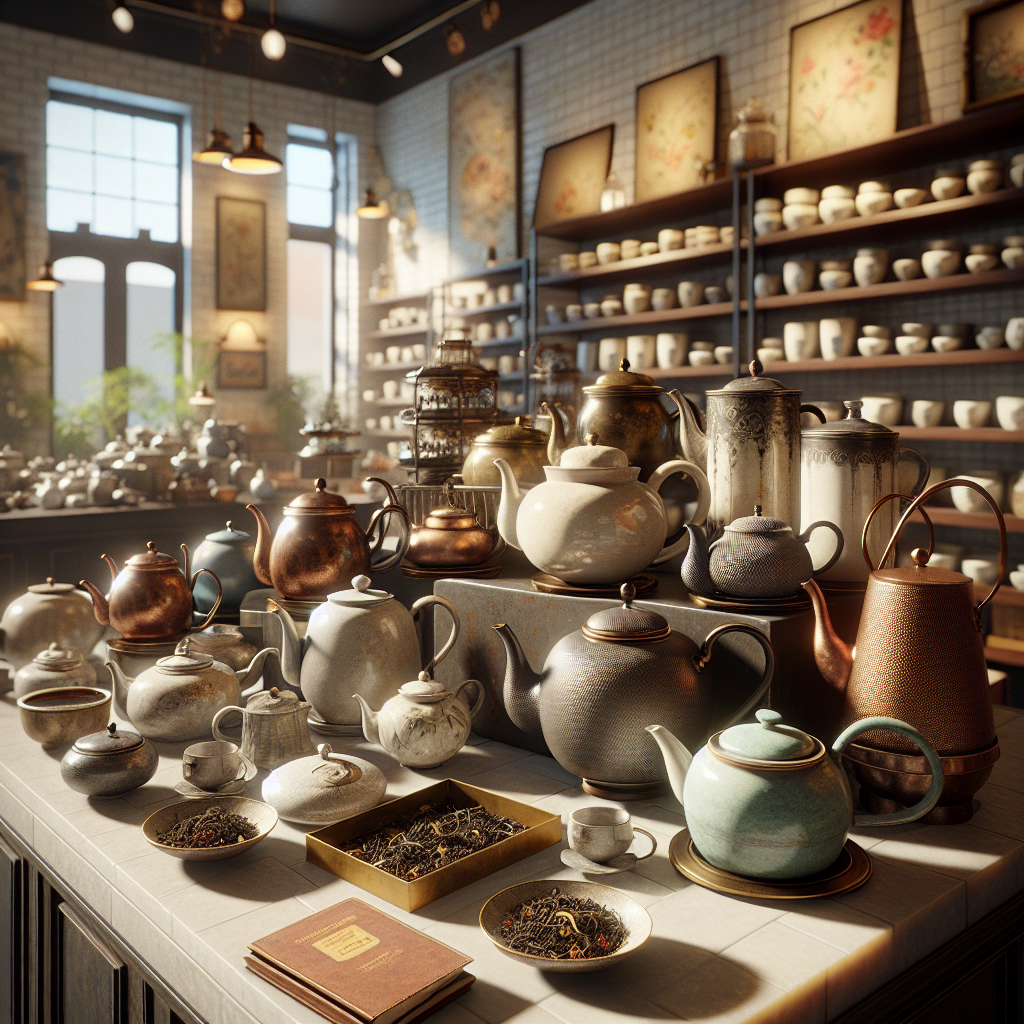
Choosing the right tea pots can transform an everyday cup of tea into a ritual worth savoring. From the elegance of porcelain classics to the earthy charm of cast iron, each type of tea pot tells its own story, enhances flavor, and creates an experience of calm. For anyone who loves the art of brewing tea, understanding how to select a tea pot is both a practical and aesthetic decision. This article guides you through different types of tea pots, essential buying tips, and what to consider for enhancing both taste and presentation.
Whether you appreciate minimalist design or traditional craftsmanship, finding the right tea pots involves evaluating materials, size, shape, and even cultural heritage. Beyond being simple containers, tea pots serve as vessels of aroma, warmth, and comfort. Here you’ll discover how to shop wisely, balance form and function, and ensure the piece you choose serves your tea ritual for years. Let’s explore what matters most before you make your purchase.
Understanding the Role of Tea Pots in Tea Brewing
Tea pots are more than a brewing tool—they influence temperature consistency, steeping quality, and the taste of the final infusion. Whether you’re steeping green, black, or herbal tea, the pot’s heat retention, size, and spout design all affect the experience.
Why the Right Tea Pot Matters
Each type of tea responds differently to temperature. Green teas require lower temperatures, while black teas and oolongs need high, steady heat. The ideal tea pots for each tea type are designed to optimize steeping time and prevent bitterness. A glass tea pot, for example, allows visibility while brewing delicate teas, helping you monitor color and timing. A clay tea pot, on the other hand, retains heat exceptionally well—perfect for dark teas that need a strong brew.
Temperature Retention and Material Harmony
The material dictates performance. Ceramic tea pots are favored for their neutral flavor profiles and classic appearance. Cast iron tea pots, originating from Japan, offer excellent heat retention and become heirlooms with proper care. Porcelain and glass tea pots bring aesthetic appeal and are easy to clean, though they lose heat faster. Stainless steel tea pots are nearly indestructible but may impart a metallic undertone if not coated properly.
Essential Buying Tips for Tea Pots
When shopping for tea pots, look beyond visual appeal. Balance design with function to ensure your brew stays flavorful and your pot durable. The right choice should reflect your habits, whether you’re brewing solo, serving guests, or participating in a traditional ceremony.
1. Consider the Capacity
Tea lovers often overlook the importance of size. A small 300 ml tea pot perfectly suits single servings, ensuring fresher, more concentrated brews. Larger ones, around 1 liter, work best for gatherings. Choose capacity according to your lifestyle. Remember that brewing too much at once may cool the tea before it’s enjoyed fully.
2. Evaluate the Material
Decide what material best fits your tea preferences and care routine. Here’s a breakdown of common tea pot materials and their advantages:
- Porcelain: Smooth finish, best for light flavors like white or green tea.
- Ceramic: Versatile and durable, suitable for most tea types.
- Cast Iron: Heavy but superb for heat retention and traditional presentation.
- Glass: Excellent for visual brewing and delicate teas, though more fragile.
- Clay: Porous material develops seasoning, enhancing flavor over time.
- Stainless Steel: Durable, modern, and quick to clean, ideal for everyday use.
3. Pay Attention to Spout Design
Flow control is essential for consistent pouring. A long spout allows smooth pour with minimal dripping. Avoid decorative spouts that restrict flow. The lid should fit snugly without wobbling, ensuring steady pressure while pouring.
4. Handle Comfort and Balance
Ergonomic design matters. Try lifting the tea pot to gauge balance when filled with water. Handles crafted from non-conductive materials (like bamboo or resin-coated steel) prevent burns. A well-balanced handle makes tea pouring an effortless, graceful motion.
5. Built-In Infuser or Not?
Many modern tea pots come with stainless steel or mesh infusers. While convenient, they may confine leaves, limiting expansion. Traditionalists prefer free-floating tea leaves for flavor depth. If using an infuser, ensure it’s fine enough for small leaves but removable for ease of cleaning.
Example: The Difference in Daily Use
Imagine two mornings: one brewing green tea in a transparent glass pot where leaves gently swirl, and another using a seasoned clay pot that has absorbed years of aroma. Both experiences differ not only in taste but in sentiment. Tea pots help shape daily mindfulness—reminding us to pause and appreciate the present sip.
Analyzing Popular Types of Tea Pots
Let’s explore common varieties and evaluate them for practicality, beauty, and brewing excellence.
Cast Iron Tea Pots (Tetsubin)
Originally crafted in Japan, these tea pots distribute heat evenly and preserve warmth for extended periods. Though heavy, they’re resilient and often lined with enamel to prevent rust. Cast iron tea pots symbolize hospitality and tradition. They pair best with strong black or roasted oolong teas. Maintenance requires gentle drying after use to prevent oxidation.
Ceramic and Porcelain Tea Pots
Elegant yet functional, ceramic tea pots come in endless shapes, from minimalist Scandinavian designs to detailed English floral patterns. Porcelain versions are prized for clarity and refinement. They’re perfect for any tea that requires a delicate balance of heat retention and neutral flavor preservation.
Yixing Clay Tea Pots
Originating in China, Yixing clay tea pots are handmade from purple clay known as **Zisha**. Each usage seasons the pot as it absorbs tea oils, adding depth to future infusions. Traditionally, these are dedicated to one tea variety—such as oolong or pu-erh—to avoid cross-flavoring. Cleaning avoids detergents and focuses simply on rinsing with warm water.
Glass Tea Pots
Transparent glass tea pots offer both modern design and brewing visibility. Perfect for blooming teas and visual enjoyment, they encourage precise timing. However, they are less insulating—best for shorter steeping cycles and temperature-sensitive teas.
Stainless Steel Tea Pots
Valued for durability and minimal maintenance, stainless steel tea pots complement urban, fast-paced lifestyles. Quality versions come with double-wall insulation to counteract heat loss. While not traditional, they appeal to everyday practicality and modern aesthetics.
Comparing Craftsmanship and Longevity
Craftsmanship quality influences price. Handcrafted clay tea pots can cost significantly more but age gracefully, gaining patina. Meanwhile, machine-made glass tea pots are affordable but fragile. Selecting wisely according to usage frequency ensures long-term satisfaction.
Style and Design Considerations
Beyond brewing efficacy, design defines mood. A beautifully shaped tea pot enhances the ambiance, whether used solo or in gatherings.
Matching Tea Pots With Tableware
Choose cohesive aesthetics with your cups and tray. For instance, Japanese cast iron tea pots pair wonderfully with rustic bowls, while French porcelain sets echo elegance during afternoon tea. Matching your tea pot with existing decor helps form a soothing continuity.
Color and Glaze Choices
Dark clay or matte black surfaces highlight a modern tone; pastel porcelain adds femininity and charm. Glazed interiors protect from staining, while unglazed ones breathe, enriching taste over time. Glossy finishes are ideal for showpieces; matte ones embody simplicity.
Decorative vs. Functional Balance
While ornamental tea pots showcase heritage and artistry, ensure usability remains intact. A decorative spout might hinder pour consistency. Ideally, combine beauty with function. One excellent example is a hand-painted ceramic pot—visually engaging yet perfectly shaped for practical use.
Maintaining and Cleaning Tea Pots
Longevity depends on regular yet gentle maintenance. Avoid overly harsh scrubbing, especially with delicate glazes or coatings.
Daily Cleaning Practice
After each use, empty tea leaves and rinse with warm water. Allow it to air dry with the lid open. Occasional baking soda rinses remove odor naturally. Never use soap on porous clay or cast iron versions, as it can absorb detergent flavors.
Long-Term Care Tips
Rotate tea pots in use to avoid moisture accumulation and interior residue. For cast iron, apply light oiling to prevent rust. Store tea pots in dry locations and avoid temperature shock—especially for glass or porcelain.

Where to Buy Quality Tea Pots
Purchase from reputable stores that value authenticity. Artisan makers often imprint their signature near the handle or lid. Online marketplaces provide abundance but verify seller credibility before investment.
- Learn from TeaClass – a trusted educational resource for tea appreciation.
- Explore TeaSource – known for curated tea tools and accessories.
Recommended Internal Reads
Best Practices When Shopping for Tea Pots
Whenever possible, handle the pot before purchase. Check balance, lid fit, and material thickness. Buying premium tea pots isn’t about possession—it’s about a personal connection to your brewing ritual. Prioritize inner satisfaction over trendiness.
Choosing Based on Tea Type
Match the pot material to tea type: glass or porcelain for lighter teas, clay or iron for darker, full-bodied blends. Owning more than one allows flexibility, keeping flavors pure for each category of tea.
Budget vs. Longevity
Even affordable tea pots can last decades with care. Evaluate cost-per-use value rather than upfront price. Many collectors start modestly, then gradually invest in handmade tea ware as their appreciation deepens.
Eco and Ethical Awareness
Support artisans who craft responsibly. Handmade tea pots sourced sustainably preserve both traditional artistry and the planet. Avoid factory replicas that imitate heritage without respecting craft origins.
Investing in Heritage
Collectible tea pots gain sentimental and cultural worth. Japanese cast iron and Chinese Yixing pieces hold exceptional legacy, often passed down generations. When treated mindfully, they become cherished family symbols rather than mere utensils.
Conclusion
Shopping for tea pots is a journey of taste, mindfulness, and design appreciation. The right choice will reflect your personality while elevating the sensory experience of tea drinking. Remember to balance practical aspects—such as material, heat retention, and ergonomics—with aesthetic pleasure. Invest in one that fits seamlessly into your daily rhythm. With thoughtful care, your tea pot will not only brew perfect cups but also inspire calm moments, day after day.
Frequently Asked Questions
How do I choose the best tea pots for everyday use?
Select tea pots based on frequency, tea preference, and ease of cleaning. For daily use, durable materials like ceramic or stainless steel are wise investments. If you enjoy traditional preparation, a clay version enriches flavor over time. Consider volume based on whether you brew single cups or multiple servings. Lastly, look for comfortable handles, tight-fitting lids, and balanced pouring spouts. Evaluating these features ensures that your chosen pot delivers consistency and enjoyment without unnecessary maintenance effort or temperature loss.
Are cast iron tea pots safe for all types of tea?
Cast iron tea pots are excellent for teas that prefer higher temperatures—like black or roasted oolong blends. These vessels keep water hot longer due to dense composition. However, they’re less suited for delicate green teas that require cooler temperatures, as prolonged heat might cause bitterness. Always ensure your cast iron pot has an enamel coating to prevent rust and avoid boiling water directly in it. Using proper care, they’re perfectly safe, yielding flavorful tea with unmatched warmth and aesthetic appeal during each brew.
Do glass tea pots affect the taste of the tea?
Glass tea pots are neutral in flavor; they won’t alter taste. Their transparency makes them ideal for watching leaves unfurl, ensuring precise steeping. However, since glass loses heat quickly, flavor intensity might reduce if left to cool. To counter this, pre-warm the pot before infusion or serve immediately. Use them for light teas where visual presentation enhances experience—like jasmine or blooming tea flowers. Proper cleaning with mild agents preserves brilliance and ensures each use provides clarity and elegance to your infusion ritual.
Why do traditional teas require specific tea pots?
Certain traditions pair tea types with particular tea pots to honor preparation methods and flavor intentions. For example, Yixing pots are integral to Chinese Gongfu ceremonies because their porous clay absorbs tea essence, intensifying subsequent brews. Japanese cast iron pots embody mindfulness, retaining heat beautifully for long communal sessions. The material interacts with leaf chemistry subtly, affecting aroma, color, and warmth. Using proper vessels sustains heritage, honoring how both craftsmanship and ritual connect the drinker to generations of tea practice and spiritual reflection.
How can I maintain my tea pots to prolong their life?
Maintaining tea pots involves gentle rinsing after use, complete air drying, and avoiding harsh soaps. Cast iron versions need towel drying and periodic oiling to guard against rust. Porcelain or glass varieties benefit from mild cleaning agents but should never encounter sudden temperature shifts. Always store them with lids slightly open to prevent odor buildup. For clay pots, never mix tea types—reserve one pot for each style. With consistent care, these vessels gain character, aging gracefully while continuing to enhance every brewing moment.
Where can I find authentic handmade tea pots?
Authenticity often lies in sourcing directly from artisan workshops or reputable boutiques. Look for certification tags or stamps indicating origin, especially for Yixing or Japanese Tetsubin types. Online specialty tea shops may detail craft lineage and production materials. Visiting tea exhibitions or local craft fairs provides firsthand insight into quality. Trusted retailers emphasize transparency, provide user guidance, and allow inspection of craftsmanship. Avoid generic replicas sold at suspiciously low prices; genuine handmade tea pots exhibit subtle imperfections reflecting true artistry and human touch.
What is the difference between teapot and tea kettle usage?
A tea kettle heats water, while tea pots steep the tea leaves. Mixing their roles risks damaging fine materials, particularly ceramic or glass. Use the kettle only for boiling, then pour water into the tea pot for brewing. Some stainless steel tea pots tolerate heating directly, but always verify manufacturer guidance. Separating the two ensures precise temperature control and prolonged equipment lifespan. Following this distinction reflects classic tea etiquette, ensuring flavor unfolds properly and your ritual remains beautifully structured, intentional, and serene throughout preparation.
How do I select tea pots for gifting?
Gift selection depends on recipient personality and tea habits. For minimalist or modern tastes, select sleek glass or stainless steel tea pots. For traditional enthusiasts, consider hand-painted ceramic or Yixing clay pieces. Include a small sampler of premium tea to personalize the gesture. Presentation matters—pair with elegant packaging and a handwritten note. A well-chosen tea pot becomes more than a gift; it’s an invitation to mindfulness, sharing warmth and connection through one of the world’s oldest beverage traditions.

Leave a Reply