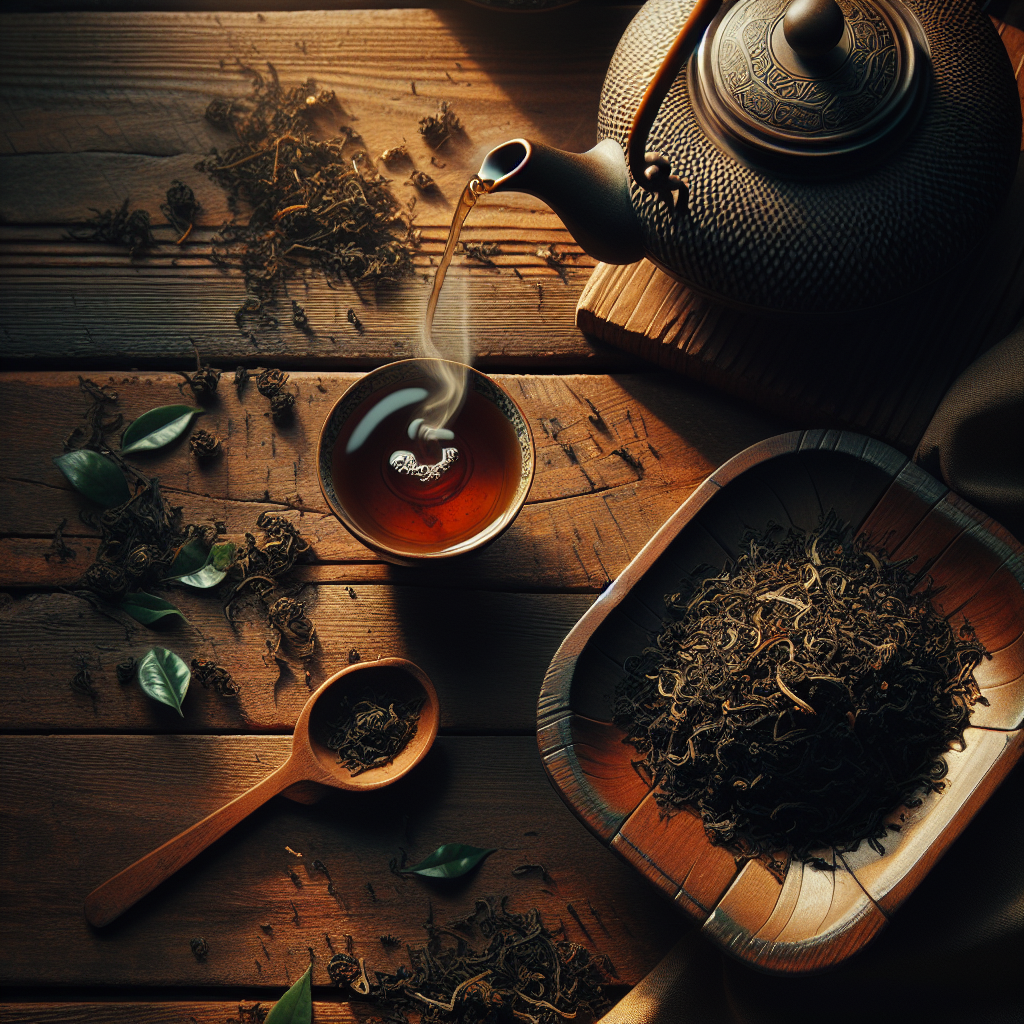
For those who love the ritual behind a cup of tea, there’s something captivating about the depth and aroma of orthodox tea. Made through traditional, labor-intensive processes, orthodox tea offers a nuanced flavor that machine-processed versions can rarely match. Whether you’re discovering this handcrafted tea for the first time or aiming to enhance your brewing skills, learning how to brew and savor orthodox tea properly brings you closer to centuries of craftsmanship. Each leaf carries history, geography, and human touch — an experience that connects you to the essence of authentic tea culture.
In this guide, we explore the art of orthodox tea — from leaf selection and brewing temperature to cultural context and tasting notes. You’ll find practical techniques that ensure your daily cup is not only aromatic but deeply satisfying. Beginners will discover easy steps to perfect their first infusion, while seasoned drinkers will appreciate refined insights into flavor balancing. Every stage of preparing orthodox tea, from storage to brewing, affects the final cup, and understanding this process turns a simple drink into a mindful experience.
What Makes Orthodox Tea Unique
Orthodox tea stands apart from its counterparts due to how it’s processed. Unlike CTC (Crush, Tear, Curl) teas that focus on quantity and quick brewing, orthodox tea retains the leaf’s natural structure, emphasizing quality and flavor depth. The leaves are carefully handpicked and rolled to protect essential oils and subtle notes, resulting in a more layered taste and aroma.
The Human Touch Behind Orthodox Tea
At the heart of authentic production is human expertise. Skilled artisans assess weather, leaf maturity, and oxidation levels during each step. The slow manual rolling allows leaf enzymes to react gradually with oxygen, creating characteristics such as floral brightness in Darjeeling or earthy smokiness in Assam. This personal involvement distinguishes orthodox tea as both an agricultural and artistic product.
Orthodox Tea Varieties Worth Exploring
Regional influences lead to remarkable variation. Darjeeling orthodox tea from India tastes muscatel and crisp, while Sri Lanka’s Ceylon version balances citrus notes with briskness. In Nepal, high-altitude gardens produce teas that are fruity and delicate. Meanwhile, China and Taiwan craft oolong and black varieties through slow oxidation and charcoal firing. Exploring these differences broadens appreciation and underscores how geography influences taste.
How Orthodox Tea Differs From Other Styles
Modern consumers often confuse orthodox tea with the more common industrial types. The key distinction lies in leaf size, appearance, and sensory complexity. Orthodox methods preserve integrity and natural oils, making the experience fuller, while CTC production focuses on boldness and quick steeping. Thus, for those who value layered fragrance and flavor depth, the orthodox technique remains unrivaled.
Comparing Orthodox Tea and CTC Tea
While both stem from the same plant, Camellia sinensis, the results differ dramatically. Orthodox tea features whole or partially broken leaves rolled gently, maintaining essential oils responsible for refined aromas. In contrast, CTC tea, processed by machines, has smaller, pellet-like granules ideal for mass-market tea bags. Orthodox tea thus provides a more complex drinking experience, often enjoyed without milk or sugar to appreciate its purity.
Flavor and Aesthetic Differences in Orthodox Tea
The elegance extends beyond taste. The leaves of orthodox tea are visually distinct — twisted, wiry, sometimes whole, showcasing craftsmanship. When brewed, the liquor often appears clear, with gold or amber hues. Its fragrance is layered: floral, nutty, or woody depending on origin. This aesthetic dimension enhances the sensory ritual that accompanies each brew.
How to Brew Orthodox Tea Like an Expert
Perfecting orthodox tea preparation requires mindfulness and patience. Every variable — water temperature, steeping time, teaware choice — influences the outcome. Master these factors, and you’ll transform your daily cup into a refined sensory experience.
Selecting the Right Leaf Type
Orthodox tea comes in green, black, oolong, and white varieties. Each demands unique brewing parameters. For example, black orthodox tea prefers hotter water between 92°C–96°C, while green or oolong styles call for slightly cooler temperatures, around 75°C–85°C, to protect delicate compounds. Choose freshness: leaves harvested within the last season ensure livelier notes and aroma.
Water Quality and Temperature for Orthodox Tea
Water quality makes or breaks a brew. Filtered or spring water, low in minerals and chlorine, preserves original flavors. When the water is too hard, it dulls brightness. Bring water to a near boil, then let it cool momentarily if brewing lighter varieties. Consistency across pours helps ensure each steep extracts the right components without bitterness.
Understanding Steeping Time and Ratio
Precision matters. Use one teaspoon of orthodox tea leaves for every 180 ml of water. Steep black types for three to five minutes, green for two to three, and oolong for roughly four. Oversteeping releases tannins, causing astringency. Adjust timing slightly based on personal preference — less time for gentle infusion, more time for a bolder character.
Teaware and Pouring Technique
Opt for porcelain, ceramic, or clay teapots that retain warmth evenly. Glass teapots work well for visual learners observing leaf unfurling. Preheat your teapot with hot water, discard it, then add leaves and fresh water for an even infusion. Pour with a steady motion to distribute heat evenly. These small acts preserve aroma and produce a cleaner, smoother liquor typical of quality orthodox tea.
Tasting and Appreciating Orthodox Tea
Savoring orthodox tea goes beyond hydration — it’s a sensory ritual. Paying attention to color, aroma, and aftertaste connects you to the craftsmanship behind the leaves. A proper tasting session reveals layers invisible in bagged or mechanized teas.
Visual and Aromatic Assessment
Observe clarity and hue first. Superior orthodox tea exudes transparency, typically amber or golden, with delicate brightness. Next, inhale deeply — fresh floral top notes often appear first, followed by deeper roasted or honey undertones. This moment helps you anticipate the balance between briskness and sweetness.
Taste Structure and Texture
When sipped, orthodox tea often starts light on the palate before revealing complexity. A high-quality Darjeeling may feature a dry muscatel edge, while Assam lends malty richness. Oolong versions glide between earthy and creamy textures. A lingering finish often signals expertly plucked leaves. Evaluating body, briskness, and finish cultivates appreciation for production artistry.
Pairing Food with Orthodox Tea
Pairing enhances both drink and dish. Orthodox tea’s nuanced profile allows pairing creativity similar to wine tasting. The goal is to complement flavor notes while maintaining harmony.
Classic and Contemporary Pairings
Light Darjeeling pairs beautifully with citrus tarts, fruit salads, or almond pastries. Bold Assam varieties accompany smoked meats and aged cheese. Oolong orthodox tea complements stir-fried dishes with nutty elements, while Ceylon blends elevate breakfast selections like buttered toast. Experimentation broadens understanding and invites new sensory relationships.
Hosting a Modern Orthodox Tea Session
Hosting a tea tasting is a meaningful cultural gesture. Arrange varied styles — black, green, oolong — in order of oxidation level. Serve small cups for controlled sampling. Encourage guests to note aroma and flavor differences. Discuss findings, as such shared experiences reintroduce mindfulness around orthodox tea in modern life. Add a visual accent by featuring an image placeholder:  to create visual focus.
Storage and Longevity Tips for Orthodox Tea
Proper storage safeguards investment in high-quality leaves. Because orthodox tea is minimally processed, exposure to light, moisture, or odor can degrade it quickly. Storing correctly preserves integrity and extends freshness.
Choosing the Right Container
Select airtight, opaque containers made of tin or dark glass. Avoid transparent jars placed near windows. Orthodox tea easily absorbs external aromas, so keep it away from spices. Label containers with harvest date to track shelf life, ideally using tea within one year for best fragrance retention.
Environment and Humidity Control
Maintain cool, dry storage conditions below 25°C. Extreme humidity promotes mildew, which ruins delicate orthodox tea leaves. If in a tropical climate, add silica pouches for moisture absorption. Rotate older stock before opening new batches, and avoid refrigeration unless packaging is vacuum-sealed to prevent condensation damage.
Health and Cultural Significance of Orthodox Tea
Beyond enjoyment, orthodox tea carries wellness and cultural importance. Its antioxidants, minimal processing, and artisanal origins connect physical health with soulful tradition. Consuming it supports both personal wellness and centuries-old craftsmanship.
Wellness Benefits Backed by Evidence
Orthodox tea is rich in polyphenols that combat oxidative stress, potentially aiding metabolism, heart health, and focus. Moderate consumption throughout the day improves mental clarity without overstimulation. Studies suggest black and green varieties moderate cholesterol levels and promote balanced hydration. Trusted research from the Tea Association of the USA underscores these advantages, encouraging mindful intake rather than volume drinking.
Cultural Traditions and Heritage
Drinking and serving orthodox tea have long symbolized hospitality in regions such as India, Sri Lanka, and China. Ceremonial practices—ranging from Japanese havan rituals to Tibetan butter tea offerings—reflect social bonding. Preserving these classical techniques sustains heritage. To explore more about its origins, visit an internal post from Tea History for detailed narratives and cultural evolution of orthodox tea ceremonies.
Ethics and Sustainability in Orthodox Tea Production
As consumer awareness grows, questions about ethical sourcing and sustainability influence choice. Orthodox tea production, being more labor-intensive, depends heavily on fair wages and sustainable farming. Modern initiatives blend traditional expertise with responsible practices.
Fair Trade and Environmental Responsibility
Small gardens adopting organic farming help preserve biodiversity while maintaining soil vitality. Certifications like Rainforest Alliance or Fairtrade ensure worker welfare alongside ecosystem protection. Maintaining sustainable standards ensures that each cup of orthodox tea reflects respect for nature and people.
Supporting Local Producers
Buying directly from estates or verified cooperatives ensures artisans receive fair compensation. Many small brands provide traceability details, reflecting transparency. Ethical consumption not only sustains communities but elevates global appreciation for authentic tea craftsmanship. Learn how different estates cultivate responsibly at Tea Board of India.
Developing a Personal Orthodox Tea Ritual
Consistency enhances enjoyment. Establishing a ritual around orthodox tea fosters mindfulness and stress relief. Beyond taste, this moment becomes a reflection on simplicity and gratitude.
Steps to Creating Your Ritual
Begin by selecting one quiet moment daily — mornings, afternoons, or evenings. Choose your favorite cup, pre-warm it, and enjoy the aroma before sipping. Track sensations: briskness, mouthfeel, aftertaste. Pair the experience with silence, reading, or journaling. Over time, these associations strengthen mindfulness and appreciation for the art of orthodox tea brewing.
Teaching Others to Brew Orthodox Tea
Sharing knowledge enriches community ties. Invite friends to learn temperature control and proper pouring. Organize a simple workshop or share online notes on brewing. Link them to step-by-step guidance from Tea Recipe collections for creative blends inspired by orthodox tea traditions.
Conclusion: Embrace the Timeless Pleasure of Orthodox Tea
Orthodox tea represents patience, authenticity, and craftsmanship. Its flavors tell stories of soil, climate, and culture crafted by hand across generations. Brewing it properly honors those traditions while offering nourishment in taste and spirit. Whether you begin each day with Darjeeling or conclude evenings with oolong, mastering its preparation deepens your connection to balance and heritage. Each cup of orthodox tea reminds us to slow down, appreciate subtlety, and celebrate the art of simplicity.
Frequently Asked Questions
What is orthodox tea, and how does it differ from other teas?
Orthodox tea refers to traditionally processed teas where leaves are hand-rolled to preserve natural oils and structure. Unlike machine-produced forms like CTC, it retains visual beauty, nuanced aroma, and layered taste. When brewed, you appreciate complexity rather than mere strength. This difference makes orthodox tea particularly appealing to enthusiasts who value artisanal craftsmanship over mass production. Each region, from Darjeeling to Ceylon, reflects its soil signature, resulting in diverse flavor expression rooted in heritage. Thus, orthodox tea isn’t just a beverage — it’s an artistic outcome of human skill and careful cultivation.
How should I store orthodox tea to maintain freshness?
Proper storage is critical to protecting flavor integrity. Keep orthodox tea in airtight, opaque tins placed away from sunlight and moisture. Avoid refrigeration unless vacuum-packed to prevent condensation. Store it in a cool, dry cabinet free from strong-smelling foods. Label harvest dates and rotate older stock before opening new packs. When correctly stored, orthodox tea maintains freshness for up to one year. Maintaining environmental stability ensures every brew remains crisp and aromatic, preserving the handcrafted character that defines authentic orthodox tea enjoyment at home or in gatherings.
What’s the best water temperature for brewing orthodox tea?
Water temperature directly impacts extraction quality. Use 92–96°C for black orthodox tea and 75–85°C for green or oolong variants. Boiling water can scorch delicate leaves, leading to bitterness, while cooler water under-extracts flavor. Filtering your water further ensures purity since hard minerals interfere with aroma. A small thermometer or electric kettle with control settings simplifies precision. Let water cool briefly before pouring, and steep within recommended time frames. Following these steps preserves balanced flavor tones inherent in orthodox tea’s traditional character and keeps bitterness at bay.
Can orthodox tea be re-steeped for multiple infusions?
Yes, high-quality orthodox tea allows multiple infusions, often revealing distinct flavor stages. First infusions are bright and aromatic; subsequent brews become softer with subtle sweet or nutty notes. Use slightly hotter water or longer steep times with each round. Avoid squeezing leaves, which releases tannins. Experiment with oolong or white orthodox tea, which traditionally endure more infusions. This approach economizes consumption while deepening sensory experience. The evolving flavor profile across infusions showcases the craftsmanship and purity that set orthodox tea apart from mass-produced alternatives.
Is orthodox tea healthier than other tea types?
While all teas offer benefits, orthodox tea retains more natural antioxidants due to its minimal mechanization. Gentle oxidation processes preserve polyphenols, linked to improved metabolism and cardiovascular support. Regular consumption enhances alertness without jittering effects associated with strong coffee. Choosing organic or chemical-free orthodox tea reduces exposure to pesticide residues. Every cup contributes to mindful hydration and emotional calm, reinforcing well-being through both science and ritual. Its balanced caffeine content makes it suitable for most lifestyles seeking long-term, naturally derived health support.
Why does orthodox tea cost more than regular tea?
The price reflects craftsmanship and manual labor invested from plucking to rolling. Since orthodox tea depends on human expertise and gentle techniques, output is lower but quality significantly higher. Small estates prioritize taste precision over mass yield. Seasonal variations, altitude, and selective harvests influence final pricing. Think of it as paying for artistry: every cup delivers unique leaf quality and sensory pleasure. Supporting this system benefits skilled growers and preserves endangered tea-making traditions that mechanized industries threaten to replace over time, safeguarding heritage and livelihoods.
Can I mix orthodox tea with herbs or milk?
Although traditionally sipped plain, mixing remains a personal preference. Light black or strong Assam orthodox tea tolerates milk without overpowering flavors. Mild herbs such as lemongrass or mint complement green orthodox tea beautifully. Always avoid dominant spices that mask its subtlety. Experiment in moderation until you find a blend that respects the tea’s authentic profile. This practice reflects adaptability and evolution while keeping traditional qualities intact, encouraging a creative yet respectful approach to modern consumption of uniquely crafted orthodox tea beverages anywhere in the world.
Where can I learn more about global orthodox tea culture?
You can explore authoritative platforms that document regional tea traditions, such as the International Tea Day site highlighting global practices and sustainability. For in-depth heritage accounts, visit internal content at Tea Cultivation featuring estate profiles and interviews with growers. Understanding global perspectives helps you appreciate differences between Nepalese, Indian, and Ceylon orthodox tea. Immersing yourself in such studies enhances your appreciation and keeps cultural legacy alive through awareness and connection.


Leave a Reply