
For centuries, tea has been cherished as a symbol of grace, relaxation, and mindfulness. Among the many varieties available today, premium tea stands apart for its refined flavor, vibrant aroma, and health-enhancing properties. Whether you’re new to exploring fine leaves or a seasoned connoisseur seeking deeper insight, understanding premium tea enriches both your taste and lifestyle. The world of artisanal blends, single-origin estates, and handpicked leaves can be vast. Yet, with some essential tips and knowledge, discovering the beauty, benefits, and ritual of premium tea becomes a journey as rewarding as the cup itself.
In this guide, we’ll explore what makes premium tea distinct, how to identify authenticity, the correct methods of brewing, and the wide array of wellness advantages linked to it. We’ll also delve into its cultural and sustainable aspects, allowing you to appreciate tea not only as a drink but as an experience. By the end, you’ll have a clearer sense of why more people worldwide are turning to premium tea as their go-to beverage for both pleasure and health.
Understanding What Defines Premium Tea
Premium tea is not just about high price tags or fancy packaging—it is about integrity in sourcing, quality of leaves, and the expertise of production. Premium tea differs from standard offerings by being carefully cultivated, often on smaller estates where attention to detail is paramount. The leaf quality, soil composition, altitude, and processing technique each impact the final flavor profile.
Characteristics That Distinguish Premium Tea
One of the hallmarks of premium tea is the consistency of its leaf size and shape. Whole leaves, rather than broken pieces or dust, yield a brew that’s smooth and layered rather than bitter. The harvest time also matters. Early spring flushes often produce lighter and more fragrant teas, whereas later flushes yield stronger and bolder notes. Additionally, minimal mechanical processing preserves natural antioxidants and essential oils, contributing to both taste and health benefits.
- Hand-plucked leaves ensure minimal bruising and maximum flavor retention.
- Single-origin estates can guarantee traceability and authenticity.
- Organic cultivation ensures fewer chemical residues and supports biodiversity.
Varieties of Premium Tea to Explore
Depending on the region and type of leaf, premium tea may take many forms. Common categories include green, black, oolong, white, and pu-erh teas. Each has unique features and ideal brewing methods. For instance, high-mountain oolong teas from Taiwan present floral aromas with buttery finishes, while Darjeeling black teas offer a muscatel note, prized among experts. Jasmine-infused green tea, when done with real blossoms, highlights how premium processes transform a simple beverage into an aromatic delight.
How to Identify Authentic Premium Tea
Selecting the right tea requires more than trusting brand labels. Authentic premium tea carries distinct signs that you can see, smell, and taste. Recognizing these details ensures your investment matches your expectations. Here’s what to look for when buying or evaluating premium tea.
Visual and Sensory Checks
Start with a visual examination: whole leaves should appear vibrant, consistent, and resilient, without crushed edges or powder at the bottom. The color should be true to the tea type—deeper green hues for fresh teas, copper tones for fully oxidized ones. When you inhale, the aroma should be pronounced but natural, void of artificial perfumes or additives. On steeping, the liquor should appear clear and bright rather than murky, a reflection of pure handling.
Premium Tea Grading and Ethical Sourcing
Grading systems such as FTGFOP (Fine Tippy Golden Flowery Orange Pekoe) for black teas or descriptors like Silver Needle for white teas indicate craftsmanship quality. Beyond leaves, modern buyers should consider ethical sourcing. Many premium tea estates follow fair trade practices and sustainable production. Supporting them encourages transparency and rewards farmers for preserving tradition. For a detailed background on cultivation methods and heritage estates, visit Tea Cultivation on TeaStory Blog.
Brewing the Perfect Cup of Premium Tea
The brewing ritual defines much of the enjoyment that premium tea brings. Even top-quality leaves lose potential if brewed incorrectly. The ideal cup balances temperature, steeping time, and leaf quantity—variables that differ based on type. Here are expert insights to help refine your process.
Temperature and Time Precision
Green teas generally require cooler water (70–80°C), while black and oolong teas need near-boiling levels (90–95°C). Using filtered water enhances clarity and prevents mineral interference. Steeping too long can result in bitterness, whereas too short yields weak infusions. A good guideline is to experiment with smaller batches until you find your preferred balance.
Equipment and Technique
Use porcelain, clay, or glass teapots to preserve flavor integrity. Warm the pot before use to maintain steady steeping temperature. Avoid metal strainers for delicate varieties like white or jasmine tea, as they may alter aroma. Many enthusiasts appreciate gaiwan-style brewing—short, repeated infusions that reveal delicate notes layer by layer.
Practical Tips for Consistency
- Measure leaves precisely (around 2 grams per 200 ml of water).
- Always store premium tea in airtight, opaque containers away from sunlight.
- Note brewing adjustments in a small log for repeatable results.
Health Benefits of Premium Tea
Beyond taste, premium tea offers measurable health rewards. Rich in polyphenols, catechins, and amino acids like L-theanine, it supports immunity, focus, and metabolism. Unlike sugary drinks, tea provides hydration with antioxidants beneficial to cardiovascular function and stress reduction.
Daily Wellness Advantages
Regular consumption can help reduce inflammation, promote digestive comfort, and boost cognitive function. For example, matcha—a powdered form of premium green tea—offers concentrated nutrients per serving. Studies have linked such teas to better cholesterol management and subtle energy without the jittery effect found in coffee. Read more on The Tea Association of the USA for official research summaries.
Mindful Drinking and the Art of Presence
Enjoying a cup of premium tea becomes an act of mindfulness. The gentle rhythm of steeping, watching the leaves unfurl, and savoring aroma connect you to the present moment. Many cultures integrate tea as part of meditation or hospitality. This spiritual component aligns pleasure with wellness, showing that true quality reaches beyond ingredients to emotion and ritual.
Global Traditions of Premium Tea
Premium tea connects nations and histories—from the Japanese tea ceremony to the British afternoon ritual. Each practice carries social meaning and artistry. Appreciating these traditions deepens respect for the tea journey.
Regional Highlights
China’s Fujian Province and India’s Darjeeling Hills stand at the heart of heritage. In Japan, Gyokuro and Sencha enthusiasts emphasize purity and precision. Sri Lanka’s Ceylon teas deliver brisk energy ideal for breakfast blends. Each showcases regional terroir, with premium tea embodying climate, handcraft, and culture. Visit Tea History on TeaStory Blog to learn how these origins shaped modern appreciation.
Modern Appreciation Worldwide
Millennials and urban professionals have revived tea culture with specialty boutiques, experiential tastings, and subscription clubs. As customers demand transparency, many brands now share estate maps, farmer stories, and harvest videos—making premium tea not only a luxury choice but also a values-driven one.
Sustainable Aspects of Premium Tea Production
Environmental care plays a vital role in preserving future tea crops. Sustainable premium tea farming emphasizes biodiversity, fair wages, and renewable methods. Embracing organic certification standards and reducing plastic in packaging are vital advancements.
Eco-Friendly Cultivation Techniques
Terrace planting reduces soil erosion; integrated pest management uses natural repellents; shade-grown tea preserves bird habitats. Adopting circular economies—reusing stems for compost—strengthens both environment and community welfare. Consumers contribute by supporting certified brands that prioritize responsible trade.
Traceability and Community Impact
Transparent supply chains ensure people behind your cup are valued fairly. Some producers document every batch of premium tea from leaf to infusion, allowing consumers to trace origins easily through QR codes or blockchain systems. Such awareness empowers ethical consumption and long-term sustainability.
Pairing Premium Tea with Cuisine
Pairing fine teas with food enhances culinary experiences. Similar to wine pairings, the right brew complements flavors rather than overwhelms. Premium tea, when paired skillfully, can elevate dining occasions, from breakfast to dessert moments.
Tea and Food Harmony Examples
Delicate white teas pair beautifully with light salads and fruit-based desserts. Smokier black teas like Lapsang Souchong accompany grilled meats or cheese boards. Green teas balance well with seafood sushi or steamed vegetables. You can even use premium tea as an infusion base for soups or marinades, lending earthy depth to recipes.
Special Occasions and Tasting Events
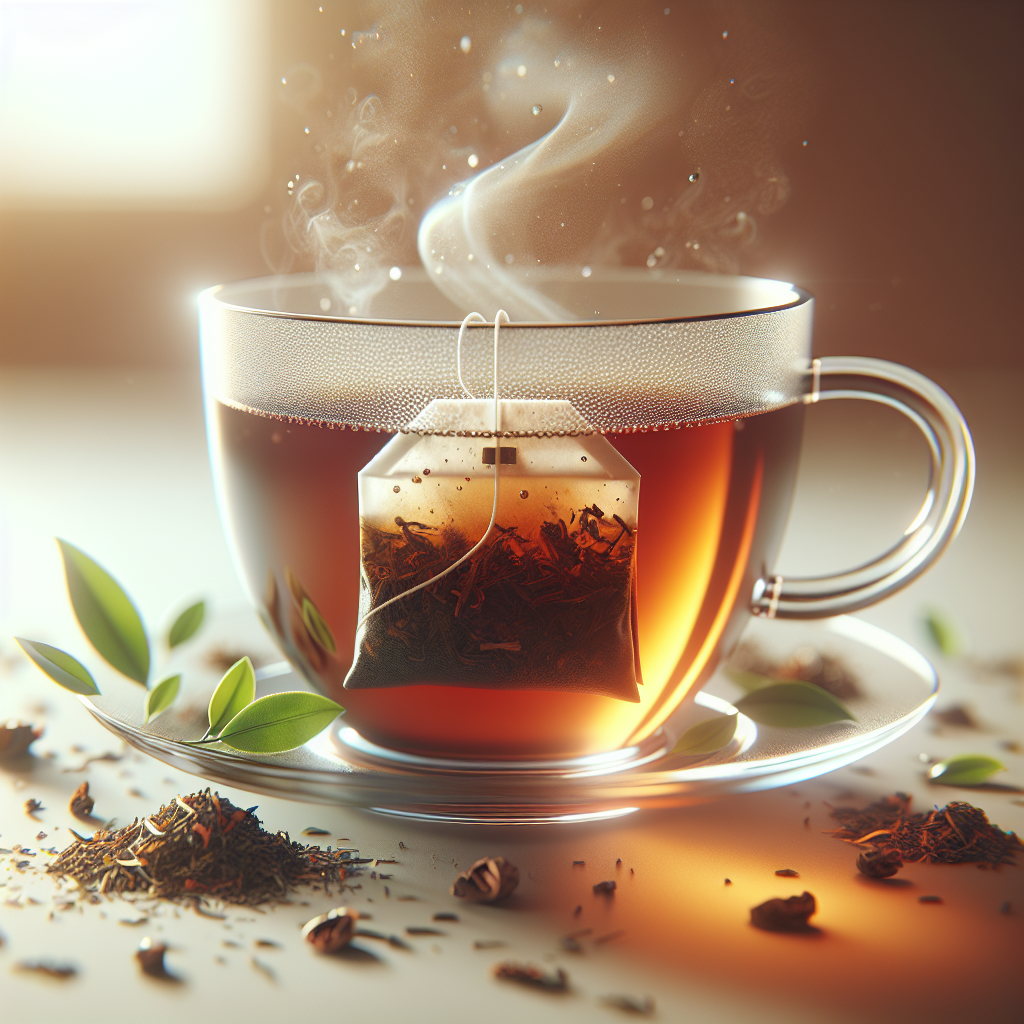
Hosting a tea tasting can become a memorable group activity. Offer multiple varieties of premium tea with labels noting origin and flavor notes. Encourage slow sampling and comparison. For digital events, display high-quality imagery—such as  —to enhance immersion and understanding.
Storing and Handling Premium Tea
Proper storage extends a tea’s life and flavor profile. Exposure to air, humidity, and light shortens freshness. Treat premium tea as you would a fine spice or delicate herb: protected yet accessible.
Optimal Storage Practices
- Keep teas in airtight tins, not glass jars, unless stored in a dark cupboard.
- Separate varieties—black, green, herbal—to prevent aroma crossover.
- Refrigerate only matcha or high-moisture types, with care to avoid condensation.
Common Mistakes to Avoid
Do not store premium tea near strong-smelling foods or coffee beans, as leaves easily absorb odors. Rotate supplies, consuming within recommended months post-opening. By following such practices, you ensure each cup represents the authentic intention of the grower and producer.
Conclusion
Exploring premium tea is an invitation to slow down, engage your senses, and appreciate global artistry in a humble cup. From discerning features and ethical sourcing to mindful brewing and storage, each element enriches the overall experience. Health benefits, sustainability practices, and cultural heritage together transform premium tea into more than a beverage—it becomes a lifestyle choice centered on well-being and respect for craftsmanship.
Frequently Asked Questions
What makes premium tea different from regular tea?
Premium tea differs primarily in leaf quality, processing precision, and origin traceability. Whole leaves are handpicked, carefully oxidized, and minimally treated to preserve natural antioxidants. Regular teas often rely on mass harvesting and mechanical cutting, which produces broken fragments and dusty blends. Premium versions prioritize freshness, single-estate sourcing, and sustainable farming. These aspects contribute to richer taste, more pronounced aroma, and longer-lasting aftertaste. When you invest in premium tea, you’re paying for craftsmanship, ethical production, and sensory excellence rather than just the label or marketing appeal.
How can I verify that a tea brand truly sells premium tea?
Authenticity involves checking labels for origin details, harvest dates, and organic or fair-trade certifications. Look for batches from recognized estates, small-batch releases, or indications of hand-plucking. Transparent brands share direct trade information and may even list farm names. Smell and appearance provide clues: premium tea leaves look intact, aromatic, and clean. Avoid teas with dust residue or artificial flavoring. Online reviews and references from authoritative tea associations also help verify reputability, ensuring you get genuine premium tea rather than commercialized blends with diluted quality claims.
What are the main health benefits of drinking premium tea?
Premium tea offers concentrated antioxidants, aiding heart health, metabolism, and mental clarity. Catechins neutralize free radicals, while L-theanine promotes relaxation without drowsiness. Regular consumption can support immunity, digestion, and cholesterol balance. Premium green tea, for example, assists weight control by mildly boosting fat oxidation. Unlike sugary drinks, tea hydrates naturally while remaining calorie-light. Making it part of daily self-care helps reduce stress and create mindful breaks throughout the day. Such balanced nutrition and ritualistic calm reinforce why premium tea remains integral to healthy living worldwide.
Is premium tea worth the price for everyday use?
Yes, if you value taste, health, and sustainability. Though costlier upfront, premium tea often stretches further—its leaves can be re-steeped several times with consistently vibrant flavor. The quality of premium tea also eliminates bitterness common in cheaper blends, making each cup smoother and more enjoyable. Additionally, when you buy from fair-trade or single-estate producers, your spending directly supports ethical farming. So while premium tea may cost more per gram, the experience, health return, and authenticity substantially justify the investment for habitual drinkers.
How should I store premium tea to maintain freshness?
Store premium tea in a cool, dry, and dark place within airtight containers. Exposure to air and light degrades aroma and taste. Avoid transparent jars near sunlight unless kept inside cabinets. Separate flavored types from pure leaves to prevent scent absorption. For delicate teas, like matcha or white tea, refrigeration can work if completely sealed and moisture-free. Rotate stock—consume within six to twelve months. Practicing careful storage keeps the essence of premium tea intact through time, ensuring distinct brews long after purchase.
Can I pair premium tea with specific foods or desserts?
Absolutely. Premium tea functions like fine wine in meal pairings. Light white teas harmonize with fruit parfaits and seafood, while roasted oolongs complement grilled dishes. Strong black teas elevate dark chocolate or spiced desserts. Premium green tea pairs beautifully with sushi or fresh salads, providing palate balance. Experimenting develops both awareness and enjoyment. Hosting pairing sessions highlights how diverse aroma profiles merge with cuisine textures, revealing another dimension of premium tea appreciation that extends beyond traditional sipping routines.
Where can I learn more about premium tea culture and preparation?
You can enrich your understanding by exploring resources like World Tea News for current insights or educational sections on artisan platforms such as Tea Ceremonies on TeaStory Blog. These sites feature expert guidance, regional interviews, and preparation videos. Reading about cultural practices broadens perspective, connecting taste appreciation with history and sustainability. Whether attending workshops, subscribing to premium tea clubs, or engaging in online tasting events, continuous learning makes tea appreciation an evolving and delightful lifelong journey.

Leave a Reply