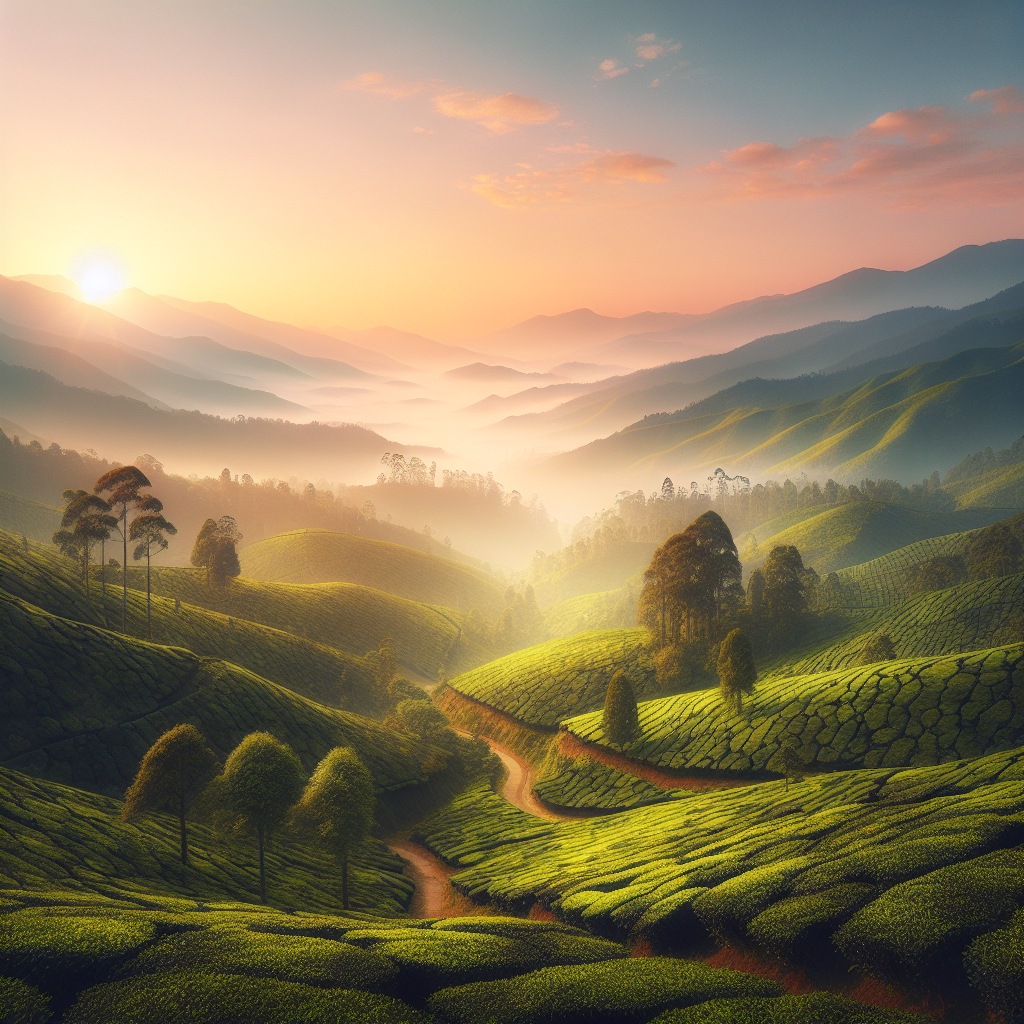
High in the misty hills of West Bengal, the darjeeling tea plantation region captures the imagination of travelers and tea lovers alike. The aroma of freshly picked leaves, the rhythmic plucking of tea buds, and the sight of terraced slopes create an extraordinary sense of calm. Exploring this scenic landscape is not only an escape into nature but also an immersion into heritage, craftsmanship, and sustainable agriculture. Visiting a darjeeling tea plantation offers a rare opportunity to watch one of the world’s most distinguished teas being made from leaf to cup, an experience steeped in tradition and natural beauty.
Often referred to as the “Champagne of Teas,” Darjeeling tea owes its delicate flavor to unique geographical conditions. The rolling Himalayan foothills, cool temperatures, and carefully nurtured gardens make every darjeeling tea plantation distinct in taste and aroma. This guide brings together expert advice, travel insights, and cultural highlights to help you plan a meaningful exploration through these tea estates. Whether you are a connoisseur or curious traveler, understanding the story behind your cup of Darjeeling elevates appreciation to a whole new level.
Understanding the Heritage of Darjeeling Tea Plantation
The history of every darjeeling tea plantation is interwoven with British colonial enterprise, Himalayan ecology, and the perseverance of local communities. Tea cultivation began here in the mid-19th century when British planters experimented with Chinese tea seeds on Indian soil. The results were extraordinary—light, muscatel teas that soon became the pride of global tea auctions.
Origins and Early Development
In 1841, Dr. A. Campbell planted the first tea seeds in Darjeeling, setting the foundation for what would become over eighty flourishing estates. Each darjeeling tea plantation bears traces of these early experimental efforts, many preserving old British-built bungalows and factories that now serve as heritage lodges for visitors. The region’s steep terrain demanded innovative terrace farming that remains central to Darjeeling’s character.
The Influence of Terroir
Just as vineyards depend on their terroir, every darjeeling tea plantation derives flavor nuances from altitude, soil, rainfall, and mist. The gardens are spread between 2,000 and 7,000 feet above sea level, allowing varied microclimates within mere kilometers. This distinct geography produces teas with floral notes, briskness, and a muscatel sweetness unique to Darjeeling alone.
Planning Your Visit to the Darjeeling Tea Plantation Region
When planning a journey to any darjeeling tea plantation, timing, logistics, and purpose play major roles in shaping your experience. Knowing when the pluckings occur and how to choose estates that welcome visitors ensures a rewarding and insightful trip.
Best Seasons to Visit
Darjeeling’s tea calendar moves in flushes—First, Second, Monsoon, and Autumn. Visitors often prefer spring (March–April) or early summer (May–June) when the new leaves yield the most delicate teas. During these months, a darjeeling tea plantation hums with energy as workers pick the best two leaves and a bud. The air is fragrant, and estate tours are in full operation.
Choosing the Right Tea Estate to Explore
There are over eighty-one gardens producing certified Darjeeling tea. Each estate, like Makaibari, Glenburn, or Castleton, has its own identity. Selecting a darjeeling tea plantation for your visit depends on whether you prefer heritage charm, organic practices, or interactive workshops. Many estates now run boutique homestays or eco-lodges, blending comfort with sustainability.
Eco-Friendly Darjeeling Tea Plantation Experiences
Eco-tourism is emerging as a cornerstone of travel in this region. Some gardens incorporate solar power, rainwater harvesting, and organic cultivation techniques. By staying at an environmentally conscious darjeeling tea plantation, travelers support responsible tourism while experiencing the satisfaction of learning how tea complements harmony with nature.
What to Expect During a Tea Factory Tour
At the heart of every darjeeling tea plantation lies its factory, where delicate leaves are transformed into distinctive aromatic teas. Timing your visit during processing hours can make the trip memorable. The fascinating journey from plucking to packing is full of craftsmanship and precision.
Traditional Processing Steps
After being picked, tea leaves undergo withering, rolling, oxidation, and drying. Each step, supervised by seasoned tea masters, determines the final flavor. In a darjeeling tea plantation factory, you can witness how expert workers sense the right moisture and aroma, often relying more on intuition than machinery. Machines hum, leaves dry in long troughs, and the air fills with complex aromas that intrigue even novice visitors.
Tasting Freshly Processed Teas
A guided tasting or “cupping” at a darjeeling tea plantation helps you decode flavor notes ranging from light floral to muscatel to nutty. Experts demonstrate how to swirl tea in the mouth to appreciate its body and finish. Sampling teas from multiple flushes deepens your understanding of seasonality and processing mastery. Bring a notebook—taking notes enhances memory and helps select your favorite lot for purchase.
The Culture and Community Behind Tea
Beyond beauty and flavor, a darjeeling tea plantation lives through its people. Women form the backbone of plucking teams, passing down skills from generation to generation. The local Nepali, Lepcha, and Tibetan communities bring their songs, food, and traditions to life within the gardens, making every estate a living microcosm of Himalayan culture.
Festivals and Local Life
Festivals such as Tihar and Dasain bring color and rhythm to the otherwise serene plantation life. Visiting a darjeeling tea plantation during festive times rewards travelers with warm hospitality, cultural performances, and an insight into the daily harmony between work and celebration. Guests are often invited to share local dishes like momo or thukpa after a day of estate walks.
Sustainable Practices and Future Challenges
As climate changes affect rainfall and temperature, maintaining the delicate balance of a darjeeling tea plantation is harder than before. Carbon-neutral initiatives, organic certifications, and fair-trade systems are helping preserve this centuries-old legacy. Estates investing in education, gender equality, and biodiversity show that sustainability can work hand in hand with profitability. The lesson for visitors is to choose brands that genuinely support the welfare of workers and the health of the hills.
How to Taste, Buy, and Brew Tea Like a Local
Sampling teas onsite allows travelers to bring home authentic souvenirs and newfound brewing confidence. A darjeeling tea plantation experience is incomplete without learning the art of preparation.
Selecting the Right Leaves
Experts recommend buying from the source. Purchase loose-leaf teas directly from estate shops to ensure freshness. When you visit a darjeeling tea plantation factory outlet, staff often walk you through flush variations and help pair teas with food styles. First flush teas are floral and bright, while second flush teas display stronger muscatel character, perfect for midday refreshment.
Brewing the Perfect Cup
Brewing Darjeeling requires attention to water temperature and steeping time. Use freshly boiled water cooled slightly to 85–90°C, steep for 3 minutes, and never add milk. The goal is to let the aroma unfold slowly. Many darjeeling tea plantation homestays offer interactive demonstrations where guests can practice brewing while enjoying panoramic valley views.
Pairing Tea with Food
Darjeeling tea pairs beautifully with light snacks, pastries, or Indian vegetarian dishes. At some darjeeling tea plantation cafés, you can try innovative infusions blending local herbs or flowers. Experimenting with pairings enhances appreciation and reveals the versatility of this classic beverage.
Practical Travel Tips for Visiting a Darjeeling Tea Plantation
Preparation is key for maximizing comfort during your trip to a darjeeling tea plantation. Mountain weather is unpredictable, and estate terrain demands good fitness and flexibility.
Transportation and Accessibility
Darjeeling town connects via road from Siliguri and by the UNESCO-listed Toy Train route. Most estates are located within an hour’s drive. Hiring local taxis or staying at estates with transportation options can ease your journey. For first-time travelers, plan your itinerary to include not more than two darjeeling tea plantation visits per day to avoid fatigue and allow deeper exploration.
Accommodation Options
You can choose luxury lodges, boutique homestays, or heritage bungalows restored within the plantations. Spending a night amid the rolling greenery adds serenity to the experience. Morning mists at a darjeeling tea plantation awaken all senses as you sip a cup of freshly brewed first flush tea, gazing at Kanchenjunga’s snow-capped peaks in the distance.
Responsible Travel and Local Etiquette
Visitors are encouraged to respect the privacy of workers and their schedules. Always ask before photographing, follow estate rules, and reduce single-use plastics. A responsible tourist contributes positively to the ecosystem of a darjeeling tea plantation, ensuring that tourism remains a source of pride rather than pressure for locals.
Visual Highlights of Darjeeling’s Tea Gardens
Photographs often fail to capture the full grandeur of the scenery, but each darjeeling tea plantation offers countless postcard-worthy moments. The contrast between deep green leaves, grey clouds, and winding footpaths creates breathtaking compositions.

For photography enthusiasts, early mornings present golden light across the terraces, while evenings glow with soft hues. Many estates, like Glenburn and Makaibari, allow guided photo walks that combine education about plant varieties and biodiversity with artistic perspectives. Respecting workers’ privacy is essential; candid shots should always be taken courteously.
Local Food and Tea Pairing Experiences
The region’s Nepali and Tibetan influences make dining at a darjeeling tea plantation special. Dishes are typically light and subtly spiced, complementing premium teas perfectly. Restaurants across the region offer fusion experiences merging traditional recipes with modern plating, encouraging you to explore how various teas accentuate distinct flavors.
Recommended Local Dishes
- Momos: Steamed dumplings filled with vegetables or meat.
- Thukpa: Noodle soup, perfect for cooler evenings.
- Gundruk: Fermented leafy greens, offering tangy notes that balance the subtlety of tea.
Each dish finds its best companion in teas from nearby estates, making the culinary experience an integral part of visiting a darjeeling tea plantation.
Supporting the Darjeeling Tea Industry Beyond Tourism
Continuing your connection after visiting a darjeeling tea plantation encourages sustainable livelihoods. Responsible purchasing decisions at home make a meaningful difference. Choose certified authentic Darjeeling tea with GI labeling, support fair-trade cooperatives, and stay informed about developments in Indian tea cultivation.
To continue your tea education, read more on Tea History and Tea Cultivation for insights on how other regions contribute to global tea culture.
For authoritative global perspectives, you can explore Tea Board of India and World Tea News, both offering credible industry data and cultivation updates.
Frequently Asked Questions
1. What makes a darjeeling tea plantation different from other tea regions?
A darjeeling tea plantation benefits from its high altitude, cool climate, and Himalayan soil composition. Unlike lowland regions, its tea bushes grow slower, allowing more complex flavor development. The resulting tea is lighter, floral, and muscatel, reflecting terroir and craftsmanship rather than bulk production. Each estate follows meticulous hand-plucking and finely tuned oxidation, producing small-batch teas prized worldwide.
2. When is the best time to visit a darjeeling tea plantation for harvesting?
The best months to experience active harvesting at a darjeeling tea plantation are March to June and October to November. During these periods, the factories are fully operational, gardens are lush, and workers are busy plucking first or second flush leaves. Travelers can witness the rhythm of tea life, interact with laborers, and capture dynamic images of the picking and drying processes.
3. Can visitors stay overnight inside a darjeeling tea plantation?
Yes, many estates have converted managers’ bungalows into heritage homestays or boutique hotels. Staying overnight in a darjeeling tea plantation lets guests wake up to misty mornings and savor tea fresh from nearby bushes. Housekeeping and kitchens often rely on locally grown ingredients, ensuring authentic flavors and intimate interactions with plantation staff. It’s both educational and rejuvenating.
4. What should I wear when visiting a darjeeling tea plantation?
Layered clothing is practical, as temperatures shift quickly. Sturdy shoes or boots are crucial since terrain across a darjeeling tea plantation can be steep and slippery after rain. A light raincoat, hat, and sunscreen are recommended for long walks. Comfortable, respectful attire ensures ease while maintaining decorum in local communities.
5. How can I identify genuine Darjeeling tea from an authentic plantation?
Look for GI (Geographical Indication) labeling and certification seals bearing the Darjeeling logo. When buying tea, check if it mentions both the estate name and flush season. Authentic products come only from registered darjeeling tea plantation gardens in West Bengal’s specific district boundaries. Counterfeits may taste flat or overly harsh, lacking the floral muscatel essence synonymous with Darjeeling.
6. Should ethical travelers be concerned about working conditions at tea plantations?
Ethical travel encourages awareness of local working conditions. Many certified estates adhere to fair-trade practices that empower workers with better wages, healthcare, and education. By visiting and purchasing from responsible darjeeling tea plantation operators, travelers promote community welfare and sustainability. Engaging with cooperatives and NGOs underscores your commitment to equity within the tea industry.
7. Is photography permitted inside a darjeeling tea plantation?
Most estates welcome photography; however, politeness and restraint matter. Always ask for permission before photographing workers or factory interiors. Respecting privacy is vital to maintaining positive relations. The landscapes of a darjeeling tea plantation are among India’s most photogenic, so capturing them responsibly ensures cherished memories without disrupting the natural workflow or lives of locals.
8. Can I learn tea tasting skills at a darjeeling tea plantation?
Yes, many estates host structured tasting sessions where guests learn evaluation techniques such as sighting, sniffing, and slurping. Under expert guidance, visitors compare multiple flushes and note subtle distinctions. Practicing such skills at a darjeeling tea plantation fosters deeper appreciation and elevates your palate to discern fine qualities often missed in casual drinking experiences.
9. How do the flushing seasons influence the flavor of Darjeeling teas?
Flushes, or harvest cycles, significantly change the tea’s character. The first flush brings a brisk, floral essence, whereas the second flush produces fuller-bodied muscatel tones. Monsoon flush yields stronger, more economical teas. Autumn teas are mellow and amber-hued. By visiting during different harvests at a darjeeling tea plantation, travelers can taste these remarkable transformations firsthand, understanding seasonal intricacies better.
10. Why is the darjeeling tea plantation industry vital for local development?
The darjeeling tea plantation sector supports thousands of families, preserving traditional livelihoods across the region. Revenue from teas funds education, infrastructure, and healthcare, strengthening social resilience. Sustainable management ensures balanced ecosystems, while cultural tourism adds supplementary income to villages. Supporting these estates keeps Himalayan communities thriving while protecting natural beauty for future generations.


Leave a Reply