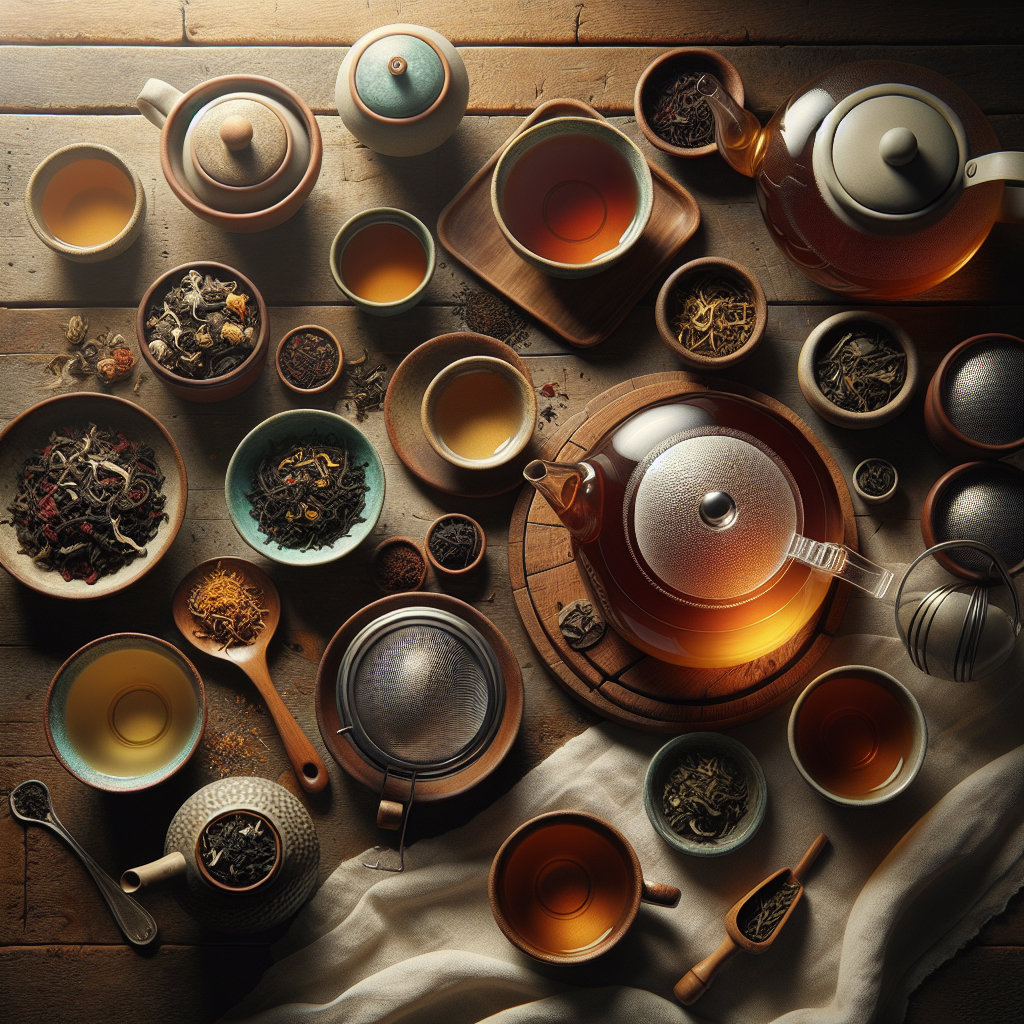
Many tea lovers are shifting toward healthier habits, and one delicious and practical choice has become increasingly popular: decaf tea. Whether you’re reducing caffeine for better sleep or simply wish to enjoy tea at any hour without side effects, decaf tea opens a flavorful world that balances relaxation and wellness. With growing awareness around caffeine sensitivity, this category of tea now appeals to those who seek comfort without compromise. But what exactly does it mean to go decaf, and how do you select the right one for you? This detailed guide explores how to discover decaf tea with essential tips, benefits, and ways to elevate your daily tea ritual.
Understanding how decaf tea differs from regular tea can transform the way you approach your tea routine. The process of removing caffeine from tea leaves is not a simple one; it requires precision and care to maintain aroma and nutrients. Moreover, the variety of decaf options today—from decaf green to black, herbal blends, and even flavored infusions—means there’s something for every taste profile. As we explore health advantages, selection methods, and brewing techniques, you will gain practical insights for turning decaf tea into your everyday comfort beverage without losing flavor or authenticity.
Understanding the Basics of Decaf Tea
Before diving into the benefits, it’s essential to know what decaf tea truly represents. Decaf tea is derived from traditional tea leaves, such as black, green, or oolong, that undergo a special decaffeination process. While herbal teas often contain no caffeine naturally, traditional decaf tea starts with leaves that originally had caffeine, which is later removed.
How Caffeine Is Removed from Tea
The caffeine-removal process influences not only taste but also the nutritional integrity of the tea. Manufacturers use several common methods:
- CO₂ Method: Carbon dioxide at high pressure extracts caffeine while maintaining antioxidants. This is considered one of the cleanest and most sustainable approaches.
- Ethyl Acetate Method: Often described as “naturally decaffeinated,” this technique uses a compound derived from fruits to remove caffeine.
- Water Processing: Uses just water and filtration, offering a chemical-free approach while modestly diminishing some aroma.
Understanding which method your decaf tea went through can influence your purchase choice, especially if you are looking for organic or minimal-intervention products.
How Decaf Tea Differs from Herbal Tea
While decaf tea and herbal tea may sound similar, they differ significantly in origin and composition. Herbal teas, like chamomile or peppermint, are naturally caffeine-free and derived from herbs, flowers, or spices rather than Camellia sinensis leaves. Decaf tea, on the other hand, starts as real tea before caffeine extraction. If you prefer authentic tea flavor profiles—smoky Assam, grassy sencha, or delicate Darjeeling—then decaf tea is your best option for a natural experience without caffeine effects.
The Health Benefits of Decaf Tea
There’s more to decaf tea than just reduced caffeine. Regular consumption can yield numerous advantages related to hydration, antioxidant intake, and stress balance. Let’s explore how this beverage fits into a health-conscious lifestyle.
Gentle on Sleep and Nervous System
One primary reason people switch to decaf tea is its gentle effect on the nervous system. Since it contains trace amounts or none of the stimulant, it supports better rest without compromising the comforting ritual of evening tea. Drinking decaf black or green tea after dinner may help you unwind and reset your rhythm without the jittery effects associated with caffeine. This makes decaf tea ideal for people with sensitivity or those who enjoy sipping throughout the evening.
Antioxidants and Nutritional Support
Even after caffeine removal, decaf tea still carries polyphenols, catechins, and antioxidants that help combat oxidative stress and inflammation. The amount can vary based on the decaffeination method, leaf quality, and processing. Organic decaf green tea, for example, retains substantial antioxidants that can help promote cell health and may support the immune system over time.
Digestive Benefits and Hydration
Decaf tea also supports gentle digestion. The warm infusion encourages your digestive system to function smoothly and assists in hydration—something often undocumented when people worry that tea dehydrates. Since caffeine is the primary diuretic agent, its removal means decaf tea can contribute positively to your fluid intake, making it suitable for daily sipping and wellness routines.
Popular Types of Decaf Tea
Depending on your flavor preferences, discovering the right variety can enhance both your enjoyment and health benefits. Each type of decaf tea offers a different profile of aroma, body, and wellness potential.
Decaf Green Tea
Decaf green tea maintains much of the vegetal, fresh, and clean taste that makes green tea popular. It pairs well with lemon, mint, or delicate floral notes. It also retains crucial catechins that contribute to overall vitality. For those seeking a mental focus boost without a caffeine jolt, decaf green tea is a restorative option for all-day hydration.
Decaf Black Tea
Decaf black tea retains a rich, deep flavor that works wonderfully with milk or plant-based creamers. It’s a perfect match for breakfast rituals. Many tea connoisseurs recommend choosing a decaf Darjeeling or Ceylon for smoothness. Remember to check the CO₂ method label to ensure the decaf process preserved its complex malty taste.
Decaf Oolong and White Tea
For something subtle, decaf oolong and decaf white tea present lighter aromas that combine sophistication with balance. Oolong offers slight oxidation for a toasted nuance, while white tea leans toward floral and mellow characteristics. These types fit evening relaxation or mindful tea tasting sessions.
Flavored and Blended Decaf Tea Options
Beyond traditional varieties, flavored decaf tea has become widely available—think decaf chai, jasmine, or fruity infusions. They make the experience vibrant without the caffeine effect. Some blends include spices like cinnamon, cardamom, or vanilla to introduce warmth and indulgence.
How to Choose the Right Decaf Tea
Selecting a high-quality decaf tea involves more than just flavor. Quality markers—from leaf grade to decaffeination process—directly affect taste and nutritional retention. Here’s what to keep in mind:
- Source: Opt for reputable producers who disclose processing details.
- Organic Certification: Organic decaf tea ensures minimized chemical exposure and better environmental practices.
- Decaffeination Method: CO₂ and water methods tend to yield purer taste profiles compared with solvent-based options.
- Packaging: Airtight resealable packaging helps maintain freshness and aroma.
Knowing the Origin
The region where tea is grown affects its essence. Decaf teas from China or Japan may emphasize green and grassy notes, while those from India or Sri Lanka deliver brisk strength. Aligning origin with your taste preferences adds satisfaction to the ritual. Linking to history can deepen appreciation: read more about tea’s journey on Tea Story Blog’s tea history guide.
Price Versus Quality
Although decaf tea is sometimes more expensive than its regular counterpart, quality greatly influences satisfaction. Mid-range prices often reflect balanced flavor preservation through cleaner decaffeination. Low-cost options may taste flat or lose aroma, so it’s worth investing in high-quality leaves suited to daily consumption.
Brewing Techniques for Decaf Tea
Creating the perfect cup of decaf tea is both an art and a science. Slight changes in temperature, steep time, or water quality can transform the taste profile dramatically.
Ideal Brewing Temperatures
Unlike coffee, temperature sensitivity plays a major role in achieving balanced results. Here’s a quick reference for brewing decaf tea:
- Decaf Green Tea: Brew at 75–80°C for 2 minutes.
- Decaf Black Tea: Brew at 90–95°C for 3–4 minutes.
- Decaf Oolong: Medium heat around 85°C for 3 minutes.
Water Quality and Serving Style
Use filtered or spring water to maintain mineral balance and clarity in flavor. Avoid oversteeping to prevent bitterness. Serving decaf tea in pre-warmed cups enhances aroma retention and the cozy ritual you deserve after a long day. Consider experimenting with garnishes—lemon slice, mint sprig, or a drizzle of honey—to complement the tea’s profile.
Pairing Food with Decaf Tea
Food pairings can elevate your decaf tea experience. Whether it’s breakfast, dessert, or savory dishes, choosing the right complement enhances sensory enjoyment.
- Decaf black tea: Works well with pastries, whole-grain toast, or chocolate desserts.
- Decaf green tea: Complements sushi, rice dishes, or citrus-based snacks.
- Decaf oolong: Suits mild cheeses or fruit salads.
Mindful Tea Moments
Pairing food and decaf tea also encourages mindfulness—appreciating aroma, taste, and warmth without haste. This aligns with the philosophy behind traditional tea ceremonies. Explore this idea further through Tea Story Blog’s feature on tea ceremonies.
Sustainability and Ethical Choices
Today’s conscious consumers increasingly value sustainable practices in tea production. Choosing decaf tea that aligns with ethical standards ensures both planetary and personal well-being.
Fair Trade and Organic Certifications
Look for ethical certifications to ensure your purchase supports fair wages and eco-friendly cultivation. Fair Trade or Rainforest Alliance labels often appear on premium decaf tea brands committed to responsible sourcing.
Environmentally Friendly Packaging
Choose biodegradable or recyclable packaging wherever possible. Some brands now offer refillable tins or paper-based sachets to reduce waste. Thinking sustainably extends your care for the environment beyond the cup.
Exploring the Cultural Context
Tea rituals connect people globally, and decaf tea contributes to inclusivity in those experiences. From European afternoons to Asian meditations, decaf options allow all participants to enjoy tea without lifestyle disruptions.
Modern Adaptations
In Western countries, decaf tea has become a charming alternative during social and corporate events where caffeine may be avoided. Cafés and workplaces increasingly serve decaf selections to accommodate diverse preferences. In Asia, the tradition continues through lightly processed green teas that retain purity yet remove stimulating elements. Such cultural merging strengthens tea’s role as both beverage and solace.
Further Practical Tips to Enjoy Decaf Tea
Getting the most from decaf tea goes beyond brewing. These practical ideas personalize your journey:
- Keep a variety of decaf tea types to suit moods—invigorating mornings, calming nights.
- Use ceramic or glass teapots for heat consistency and aesthetic pleasure.
- Store tea in a cool, dark location to protect essential oils and aroma.
- Experiment with iced decaf tea for summer refreshment.
- Share decaf tea moments with friends as a mindful wellness habit.
Adding intentionality to your tea routines amplifies satisfaction. Even documenting your experiences—a photo journal or tasting notes—helps refine palate understanding over time.
Scientific Insight and Credible Resources
Several scientific studies suggest that the antioxidants present in decaf tea continue to offer functional health support. You can explore peer-reviewed sources such as the National Center for Biotechnology Information for in-depth tea research or explore consumer-based evaluations on Tea Association of the USA for more learning. These references affirm the ongoing health relevance of decaf tea across populations seeking balance over stimulation.
Conclusion: A Cup of Calm
Decaf tea represents the perfect union of tradition and modern wellness goals. It offers exquisite flavors, mindful comfort, and abundant benefits, from stress reduction to antioxidant preservation. By understanding its varieties, brewing rituals, and sustainability aspects, anyone can elevate their daily experience without caffeine dependence. When you next reach for a soothing brew, let decaf tea remind you that moderation and enjoyment go hand in hand—one calming sip at a time.
Frequently Asked Questions
What is decaf tea and how is it different from regular tea?
Decaf tea is made from conventional tea leaves that have had most of their caffeine removed through a special decaffeination process. Unlike herbal infusions that are naturally caffeine-free, this tea maintains the flavor and essence of traditional tea but without the full stimulating effect. The difference lies in the extraction process—regular tea contains natural caffeine, while decaf tea preserves taste yet reduces or nearly eliminates caffeine content. For people wanting to limit caffeine but still enjoy authentic tea character, decaf tea serves as a satisfying compromise between wellness and indulgence.
Does decaf tea still contain antioxidants?
Yes. Although caffeine removal may diminish certain compounds slightly, decaf tea continues to provide beneficial polyphenols and catechins. These antioxidants help protect cells from oxidative stress and support internal balance. Choosing decaf tea produced using the CO₂ method generally preserves nutrients more effectively. Antioxidants remain a central factor in long-term tea drinking benefits. Therefore, your evening cup of decaf tea still serves your body with natural wellness compounds, making it an intelligent option for holistic health routines and stress management without losing its restorative effects.
Is decaf tea completely caffeine-free?
No product can guarantee absolute caffeine absence, but the trace level is usually around 2–3 milligrams per cup compared to 30–50 milligrams in standard teas. That’s about a 95% reduction. So, for most individuals—especially those avoiding nervousness or disturbed sleep—decaf tea presents a gentle, effective alternative. Sensitive drinkers or pregnant individuals can enjoy its comfort while minimizing risk. However, confirm specific caffeine values with individual brands, as they may vary depending on processing. Drinking decaf tea regularly offers calm focus and reduces dependency on caffeine while retaining the cherished tea ritual you enjoy.
How should I store decaf tea for the best freshness?
Proper storage keeps decaf tea aromatic and flavorful. Store it in airtight containers away from sunlight, heat, and humidity. Ideal materials are tin or dark glass jars. Avoid transparent packaging for long-term storage since light exposure quickly degrades leaves. Never refrigerate open tea containers as moisture can compromise quality. With these precautions, your decaf tea maintains its original fragrance and therapeutic qualities. Treat it as delicately as you would fine spices—kept cool, dark, and dry. Following these basics ensures every brew delivers consistent, rewarding aroma and a satisfying caffeine-free cup.
Can I brew decaf tea cold for iced drinks?
Absolutely. Decaf tea can be steeped hot and then cooled or brewed cold over several hours in the refrigerator. Cold brewing produces a smoother, less bitter taste while maintaining hydration benefits. For best results, use quality loose-leaf or bagged decaf tea, steep 6–8 hours using filtered water, and strain before serving. Add citrus slices or honey for an energizing twist. It’s perfect for warm weather when you want refreshment without stimulation. So yes, you can enjoy decaf tea on ice without missing out on flavor sophistication, texture, or its naturally balanced character.
Does decaf tea have any side effects?
Generally, decaf tea is very safe for everyday consumption. Because caffeine levels are minimal, side effects such as anxiety or insomnia are rarely an issue. However, sensitivity may depend on the decaffeination solvent type used in processing. Always choose reputable brands that communicate their method clearly. Some lower-end chemical processes may leave trace residues, though still within food safety limits. For peace of mind, pick certified organic decaf tea employing the water or CO₂ method. When consumed moderately, decaf tea supports relaxation, digestion, and hydration with no negative health concerns for most individuals.
Is decaf tea suitable for children or pregnant women?
Yes, decaf tea can be appropriate for both groups when consumed responsibly. Because caffeine content is negligible, it helps replace sugary or high-stimulant drinks. Nevertheless, always avoid heavily flavored blends containing artificial additives. Pregnant women might prefer pure decaf green or chamomile tea, ensuring safety and ease of digestion. For children, serve lightly brewed and diluted versions to maintain a gentle palate introduction. Consulting a healthcare provider is always advisable. With proper choices, decaf tea provides families with a nutritious, soothing beverage that encourages hydration and comfort without caffeine concerns or overstimulation risks.
What are the best food pairings with decaf tea?
Food choices elevate your decaf tea enjoyment. For sweet pairings, cookies, scones, and chocolate desserts align beautifully with decaf black tea. Salads and citrus dishes complement decaf green tea, while fruit-based pastries harmonize with lighter oolong or white versions. Because caffeine is minimal, you can indulge at any hour, turning tea moments into mindful nourishment. Small bites help accentuate the tea’s aroma, texture, and body. The pairing ritual also builds appreciation for flavor subtleties—ideal for hosting stress-free gatherings where decaf tea delivers warmth, contentment, and inclusive hospitality for every guest around your table.


Leave a Reply