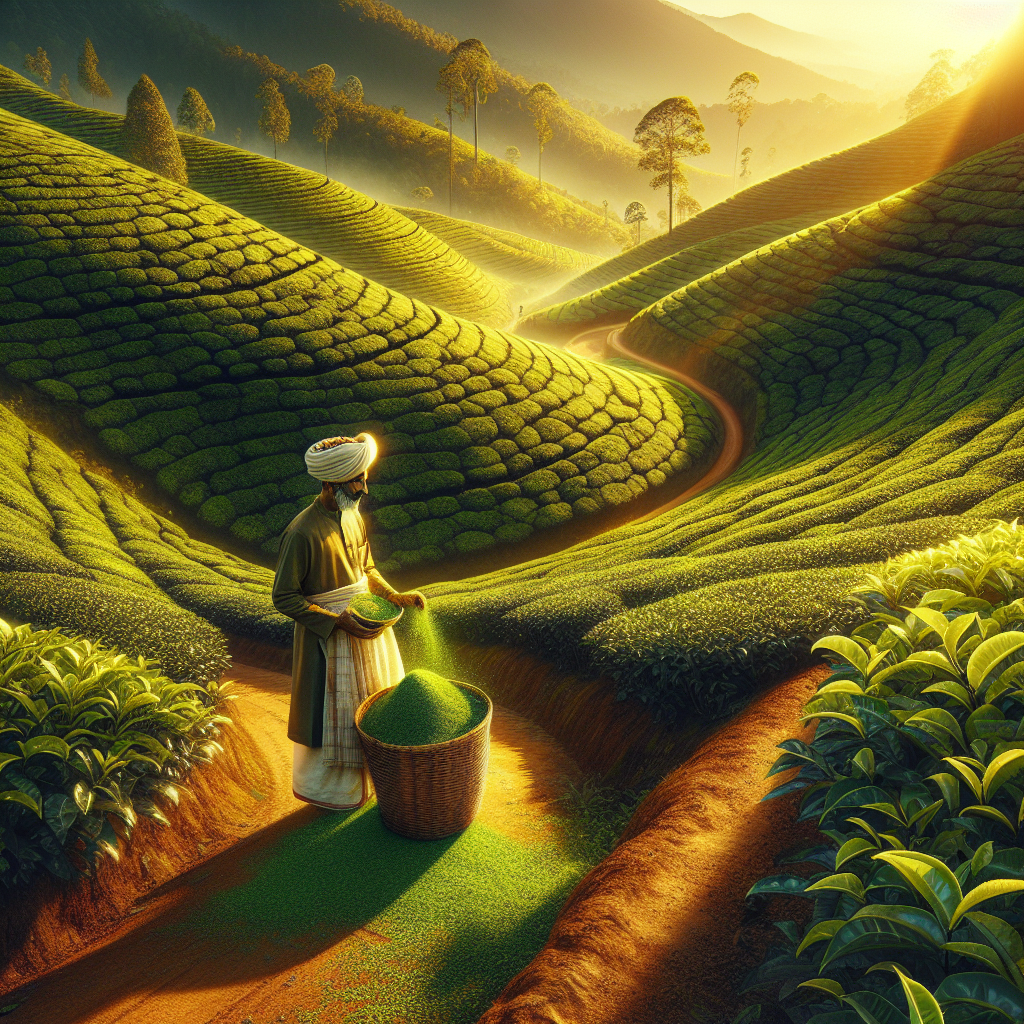
India and tea share a story that is as old as time itself. When travelers, historians, and modern wellness seekers discuss the best tea in India, they not only refer to the soothing beverage but also to a cultural identity steeped in tradition, community, and craftsmanship. Every cup brewed in this country carries the aroma of soil, monsoon, and generations of expertise. Finding the best tea in India isn’t just about taste—it’s about journeying across Assam’s plains, Darjeeling’s misty hills, or Nilgiri’s lush gardens while discovering unique blends, brewing traditions, and health benefits that make tea a national treasure.
In this guide, we’ll uncover the essence of what makes Indian tea globally admired, explore how you can identify true quality, and reveal essential brewing and selection tips. Whether you’re an aspiring tea connoisseur or simply want to shift from mass-market packets to artisan leaves, understanding the best tea in India will transform the way you sip, store, and appreciate every cup. We will also highlight wellness benefits, regional distinctions, and practical purchase advice informed by real growers and tasters who live the art of tea every day.
The Heritage of Tea in India
India is the world’s second-largest tea producer, yet its people consume most of it domestically. The journey of the best tea in India begins in the 19th century when the British discovered Assam’s native tea plants. From there grew an industry that now supports millions of workers, small farmers, and exporters. Each region—Assam, Darjeeling, Nilgiri, Sikkim, and Kangra—boasts its own character and flavor profile, shaped by soil type, elevation, and weather patterns.
Historical Origins and Regional Significance
While China may have introduced tea cultivation to the world, India refined it into an art form grounded in community. The earliest records show that the Singpho tribes of Assam were brewing local tea long before colonial times. Rapid plantations during the British era led to the branding of Assam and Darjeeling teas as luxury exports. Today, the best tea in India stands at the intersection of heritage and innovation—sustaining both employment and ecological balance through integrated farming methods and ethical sourcing.
Evolution of Indian Tea Estates
From the ancient gardens of Upper Assam to the biodynamic farms of the Nilgiris, estates producing the best tea in India continuously adapt to climate shifts and consumer preferences. Rainwater harvesting, organic pest control, and fair labor policies now define leading tea brands. Moreover, initiatives by the Tea Board of India ensure authenticity labeling, so buyers can confidently trace their purchase to genuine regional origins.
Understanding the Varieties of Indian Tea
To truly appreciate the best tea in India, one must explore the diversity across states. Each cup tells its own epic—black, green, white, or oolong—all shaped by geography and tradition. Knowing these differences helps you tailor your tea experience according to flavor, caffeine level, and the season.
Assam Tea – Bold and Malty
Produced in the Brahmaputra Valley, Assam tea is known for its deep amber color, strong aroma, and full-bodied flavor. The warm, humid climate gives it robustness ideal for breakfast blends and chai. Many consider Assam the foundation of the best tea in India for its consistency and briskness.
Darjeeling Tea – The Champagne of Teas
Darjeeling tea, grown in mist-draped Himalayan slopes, produces a delicate muscatel flavor treasured by connoisseurs worldwide. This variety is light, fragrant, and best consumed without milk. Because weather variations affect flavor annually, no two harvests are identical—adding to its prestige among the best tea in India.
Nilgiri Tea – Fragrant and Smooth
Nilgiri, or Blue Mountain tea, grows in South India’s rolling hills. It is smoother than Assam yet stronger than Darjeeling, yielding brilliant liquor and inherent floral sweetness. Often found in fine blends or iced-tea recipes, Nilgiri adds a versatile charm to the roster of the best tea in India.
Sikkim and Kangra – Hidden Gems
While less commercialized, these northern and eastern regions produce truly exceptional leaves. Sikkim’s Temi tea mirrors Darjeeling’s delicacy, while Kangra’s subtropical plantations offer brisk yet mellow cups. For those seeking offbeat discoveries, these are among the most rewarding choices within the best tea in India.
Tips to Identify the Best Tea in India
Choosing from hundreds of brands can be bewildering. The secret lies in recognizing craft quality from packaging hype. Here are key markers to help you pick the genuine and freshest varieties of the best tea in India.
1. Look for Garden-specific Labels
Authentic teas will specify not just region but also estate—like Mangalam or Makaibari. Garden labeling ensures traceability, protecting you from blended or artificially flavored imitations of the best tea in India.
2. Examine Leaf Appearance
Whole-leaf teas generally offer superior aroma retention compared to dust or fannings. Carefully rolled, uniformly colored leaves signal careful processing typical of the best tea in India.
3. Check Harvest Season
Spring and autumn flushes are highly regarded. For instance, the first flush of Darjeeling offers a light floral tone, while second flush teas bring deeper notes. Whether for green or black, timing defines the best tea in India.
4. Aroma and Brew Test
Before purchase, if possible, smell the dry leaves. A fresh earthy scent indicates good storage; a dull or musty smell means loss of flavor. A small sample brew will tell you if it meets the expected brightness of the best tea in India.
Health Benefits of the Best Tea in India
Beyond taste, the best tea in India carries notable health rewards. Packed with antioxidants, catechins, and stabilizing polyphenols, tea nourishes your immune system while offering calming effects for mind and body.
Boosts Heart Health
Regularly consuming quality black or green tea can lower cholesterol and blood pressure. Natural compounds in the best tea in India aid circulation while reducing oxidative stress on arteries and veins.
Enhances Metabolism and Digestion
Green and oolong varieties stimulate fat oxidation. Many wellness enthusiasts include Assam green tea in their regimen for digestive support, underscoring why it ranks high among the best tea in India.
Strengthens Mental Clarity
The amino acid L-theanine, found primarily in high-mountain teas, enhances concentration while keeping anxiety low. That balance between stimulation and relaxation defines the everyday magic behind the best tea in India.
Supports Skin and Detox
Loaded with compounds like flavonoids, tea assists in toxin removal and hydration. Those opting for white or minimally processed leaves from Nilgiri find remarkable skincare benefits, reaffirming nature’s connection to the best tea in India.
Brewing the Perfect Cup
Even the finest leaves can lose their soul if brewed carelessly. Proper brewing is a science—temperature, time, and water quality all matter. Simple guidelines can help you unlock the complete aroma of the best tea in India.
Golden Rules of Brewing
- Use fresh, filtered water for the cleanest taste.
- For black tea: 90–95°C water and a 3–5-minute steep.
- For green tea: 75–80°C and 2–3 minutes suffices.
- Never overboil or leave leaves in too long; it leads to bitterness.
Choosing the Right Teaware
Porcelain and clay teapots evenly distribute heat. Glass allows you to observe color changes. Many aficionados of the best tea in India recommend ceramic mugs for daily use because they retain warmth without altering flavor.
Pairing with Food
Assam black complements spiced snacks, Darjeeling pairs beautifully with pastries, and green tea enhances vegetarian meals. Matching flavors enriches the full tasting experience of the best tea in India.
Where to Buy Authentic Indian Tea
To ensure you’re not settling for overprocessed leaves, buy from certified sources. Whether online specialty stores or direct-from-estate sales, transparent sellers ensure each purchase meets true standards associated with the best tea in India.
Trusted Online Sources
Some recognized platforms include Tea Board of India and reputable local boutiques that provide region-specific teas. Reading reviews and checking harvest details give assurance that you’re getting the authentic best tea in India.
Visits to Tea Gardens
If traveling, choose estate tours in Assam, Darjeeling, or Nilgiri. These allow direct purchases, eliminating middlemen. Local tastings often reveal new estates competing to be crowned as the best tea in India.
Eco-Friendly and Ethical Tea Practices
As awareness grows, consumers demand sustainability in the pursuit of the best tea in India. From organic certification to biodegradable packaging, environmental sensitivity plays a crucial role in maintaining authenticity and farmer welfare.
Fair Trade and Worker Welfare
Many Indian estates now follow fair trade norms ensuring better wages, education, and healthcare. Buyers who choose ethically labeled products help preserve the dignity of workers producing the best tea in India.
Green Packaging Innovations
Paper-based and compostable pouches replace traditional plastics. Progressive brands, understanding the growing eco-conscious audience, make sure every cup of the best tea in India leaves the smallest possible footprint.
Exploring Unique Tea Experiences
Modern consumers seek more than refreshment—they desire culture. To enjoy the best tea in India means participating in its ceremonies, recipes, and evolving lifestyle trends.
Indian Tea Ceremonies
Unlike the formal rituals in Japan or China, Indian chai moments occur casually at street stalls or during family gatherings. Yet that communal warmth best represents the spirit of the best tea in India. To learn cultural insights, explore Tea Ceremonies on TeaStory Blog.
Innovative Fusion Recipes
Chefs are reimagining how tea interacts with modern cuisine—using Assam in desserts or Darjeeling for cocktails. Check practical blends and recipes featured at Tea Recipe on TeaStory Blog to make the most of the best tea in India.
Tea Tourism Trends
With homestays in tea gardens and guided tours, the experience extends beyond drinking. It’s about seeing firsthand how flavor changes with soil, altitude, and harvest care. Tea tourism gives deeper respect for the people crafting the best tea in India.
Conclusion: Savoring India’s Finest Brew
True appreciation of the best tea in India lies in exploration. Whether sipping Darjeeling in crystal cups or enjoying roadside chai in clay kulhads, each encounter reflects heritage and heart. By valuing origin, method, and mindful brewing, every tea lover can connect with India’s legacy and preserve it for future generations. In doing so, the quest for the best tea in India transforms from a purchase into a pilgrimage of taste, wellness, and sustainability.
Frequently Asked Questions
What factors determine the best tea in India?
The character of the best tea in India depends on region, climate, altitude, and post-harvest handling. Gardens in Darjeeling and Assam produce distinct notes due to soil and monsoon variation. Flavor, color, and aroma determine whether a particular harvest can be labeled premium-grade. Consistent quality and traceability define the true worth of the best tea in India.
Which region produces the most authentic best tea in India?
Assam offers volume and strength, Darjeeling offers floral elegance, and Nilgiri provides balance. Each plays a unique role in the definition of the best tea in India. Many experts consider Darjeeling’s second flush the most aromatic, although preferences differ by taste and brew method.
Is loose-leaf better than packaged for the best tea in India?
Loose-leaf variants allow leaves to unfurl, releasing full flavor potential. Packaged dust teas, commonly found in sachets, prioritize convenience over complexity. For connoisseurs, loose-leaf represents authenticity and aligns more closely with the quality standards associated with the best tea in India.
How can I store the best tea in India to preserve flavor?
Always keep tea in an airtight, opaque container away from moisture, sunlight, and strong odors. This prevents oxidation and flavor degradation. Proper storage can extend the shelf life of the best tea in India for several months without losing freshness or aroma.
Does the best tea in India contain caffeine?
Yes, but levels vary. Black teas from Assam or Darjeeling carry moderate caffeine, while green and white teas contain less. The natural caffeine contributes to alertness, balanced by other compounds that reduce jitteriness. Thus, a moderate daily intake of the best tea in India is both safe and stimulating.
Can herbal teas be considered part of the best tea in India?
Technically, herbal infusions such as tulsi or lemongrass are tisanes, not tea from the Camellia sinensis plant. Yet many Indian gardens blend herbs with black or green teas to enhance health benefits and regional identity. These blends enrich the evolving category of the best tea in India.
Why is Darjeeling called the supreme expression of the best tea in India?
Because of its terroir—high altitude, cool climate, and unique soil—Darjeeling tea possesses muscatel undertones unmatched elsewhere. It undergoes delicate oxidation, requiring skill and timing. Collectors worldwide pay premiums for first and second flush stocks, cementing its position as the pinnacle of the best tea in India.
Where can tourists taste the best tea in India firsthand?
Tea lovers can visit estates in Assam’s Jorhat district, Darjeeling’s Happy Valley, or Nilgiri’s Kotagiri belt. Most estates offer organized tastings, workshops, and sustainable tours. Experiencing tea at its origin reveals nuances impossible to capture in packaging, making your understanding of the best tea in India profound and personal.

Leave a Reply